Observation skills Math Worksheets for Ages 4-9
5 filtered results
-
From - To
Enhance your child's observation skills with our engaging Math Worksheets tailored for ages 4-9. These printable activities are designed to foster critical thinking and strengthen attention to detail through interactive and colorful exercises. Your little learners will develop essential math concepts while honing their ability to observe and analyze patterns, shapes, and numbers. Perfect for home schoolers and teachers, our worksheets provide diverse challenges to spark curiosity and boost academic confidence. Dive into a world of math learning where observation leads to discovery! Explore our collection today and empower your child’s academic journey with fun, stimulating math practice!
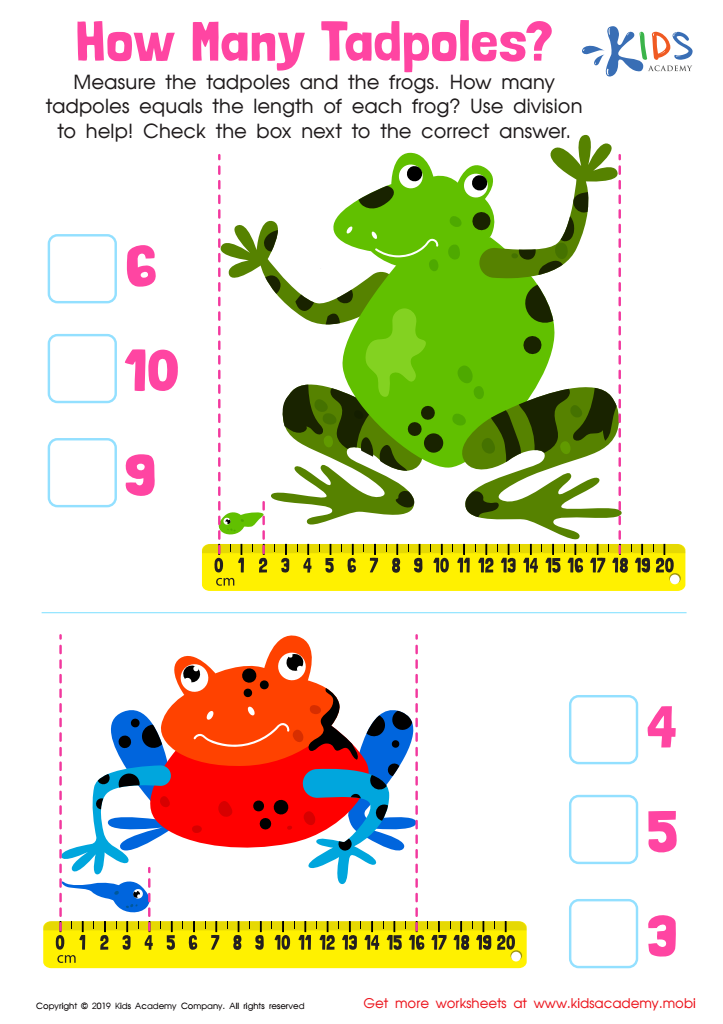
How Many Tadpoles Worksheet
 Assign to My Students
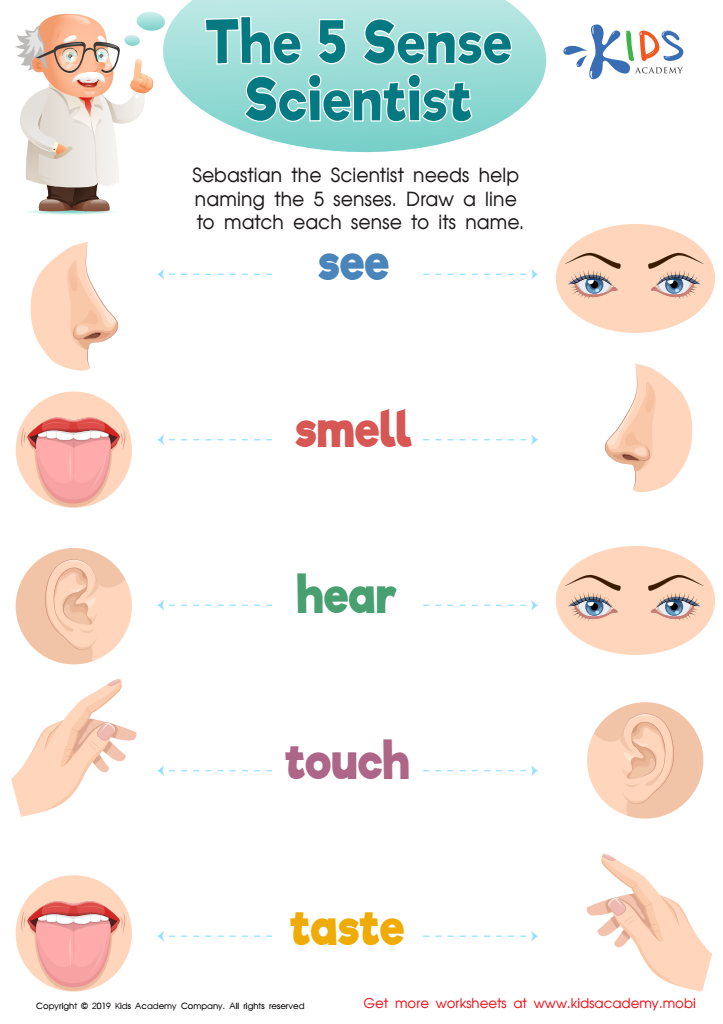
The 5 Sense Scientist Worksheet
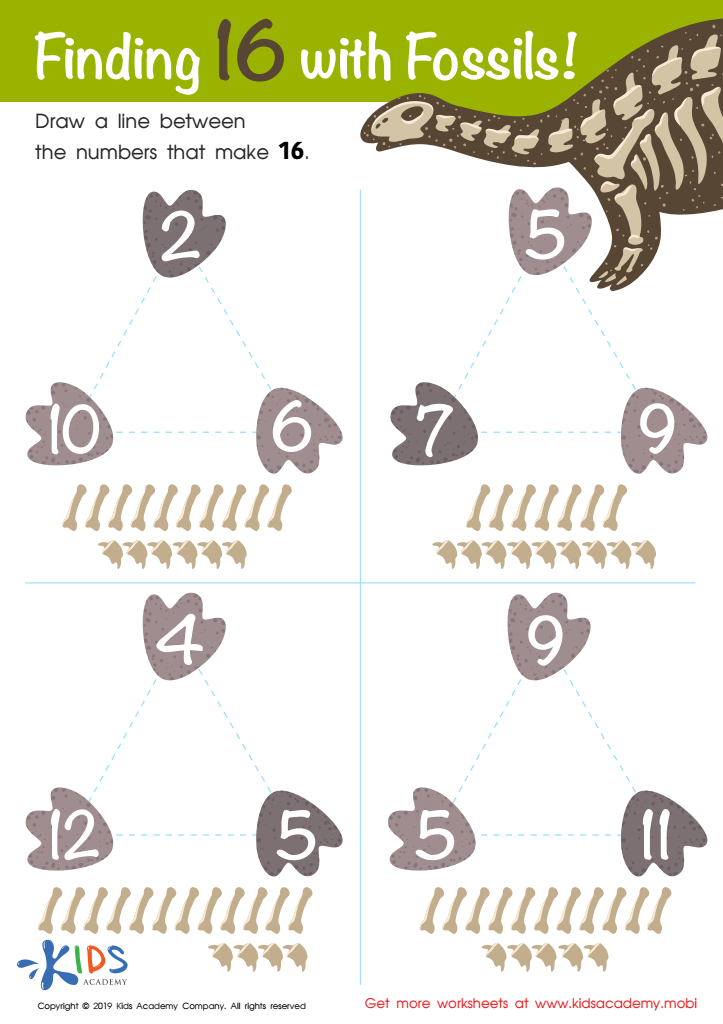
Finding 16 With Fossils Worksheet
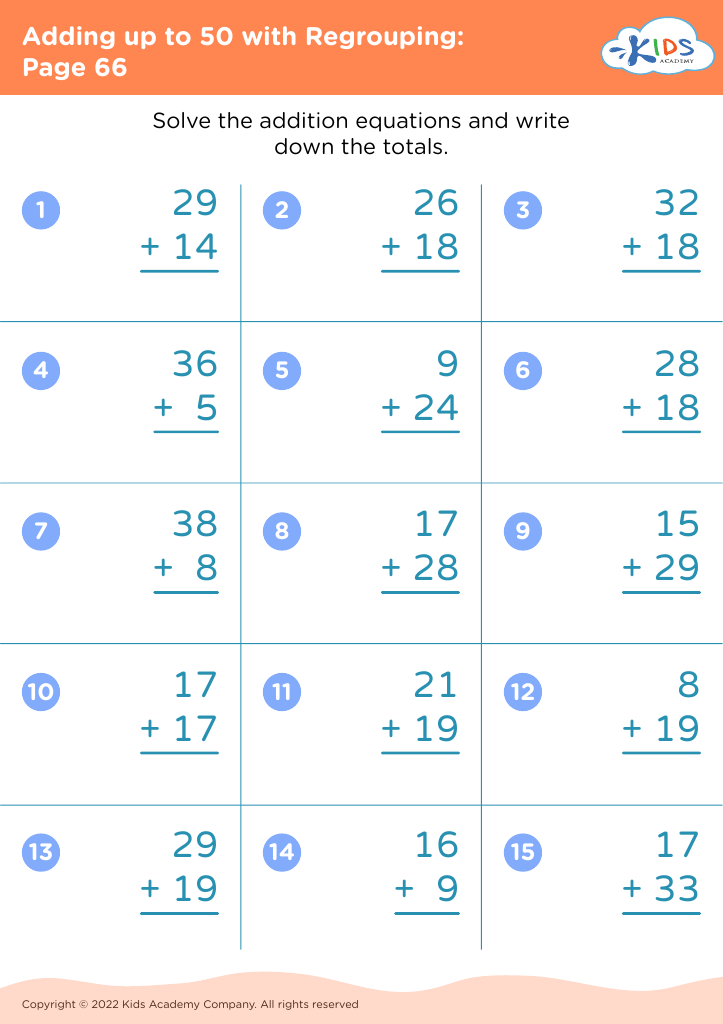
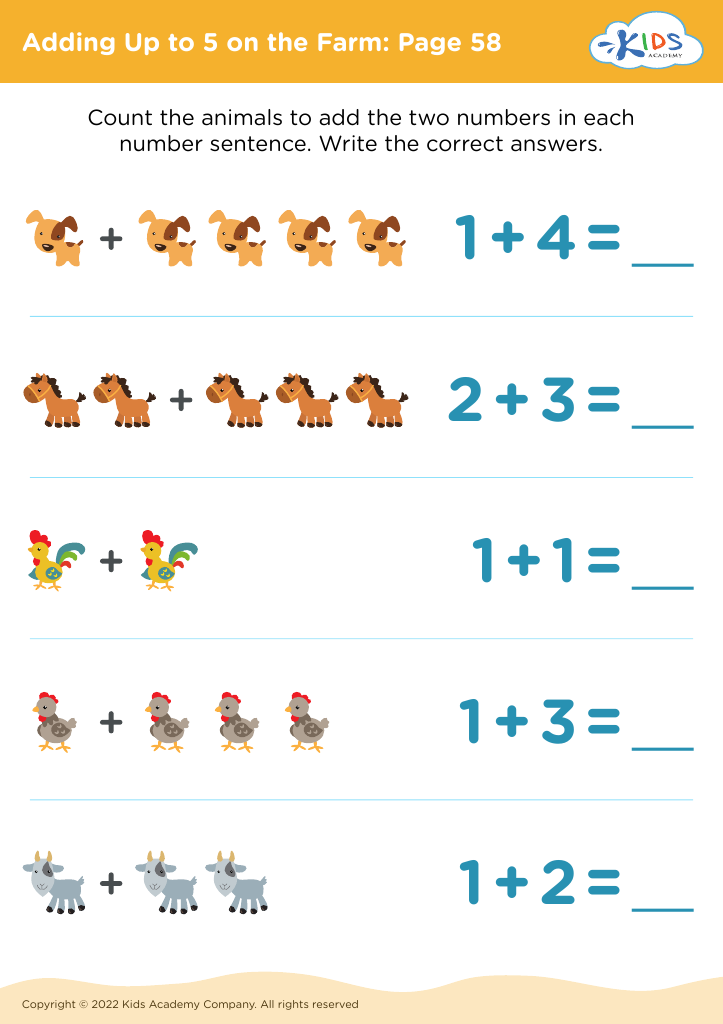








Observation skills in math are vital for children aged 4-9, as they form the foundation for problem-solving and critical thinking. Developing these skills helps children recognize patterns, shapes, and relationships in their environment, fostering a deeper understanding of mathematical concepts. Parents and teachers should prioritize observational mathematics in early education, as it cultivates curiosity and encourages children to explore their surroundings actively.
For instance, when children observe and describe geometric shapes in everyday objects, they strengthen their ability to classify and analyze. Engaging children in activities that require keen observation, such as counting items or measuring ingredients in cooking, not only reinforces their math skills but also promotes effective communication.
Moreover, strong observation skills improve children's ability to approach complex problems methodically, enhancing their capability to reason mathematically. Parents and teachers can facilitate this process, creating an environment where kids are motivated to ask questions and seek answers.
Finally, honing observation skills at an early age can boost children's confidence in their mathematical abilities, making them more inclined to embrace challenges. This foundational skill enables lifelong learning, preparing them for future academic pursuits and everyday life, where math is an essential tool.








