
Understand sequencing Math Worksheets for Ages 4-9
3 filtered results
Difficulty Level
Grade
Age
-
From - To
Subject
Activity
Standards
Discover the perfect way to introduce young learners to the fundamentals of sequencing with our Math Worksheets for Ages 4-9. These engaging and educational worksheets are designed to help children understand the concept of order and progression through interactive activities. From simple sequences for beginners to more complex patterns for older kids, our resources cater to various skill levels, ensuring a solid foundation in math. Enhance your child's critical thinking, problem-solving skills, and number sense with our fun, easy-to-use sequencing worksheets. Explore the collection today and watch your child’s confidence in math soar!
Favorites
With answer key
Interactive
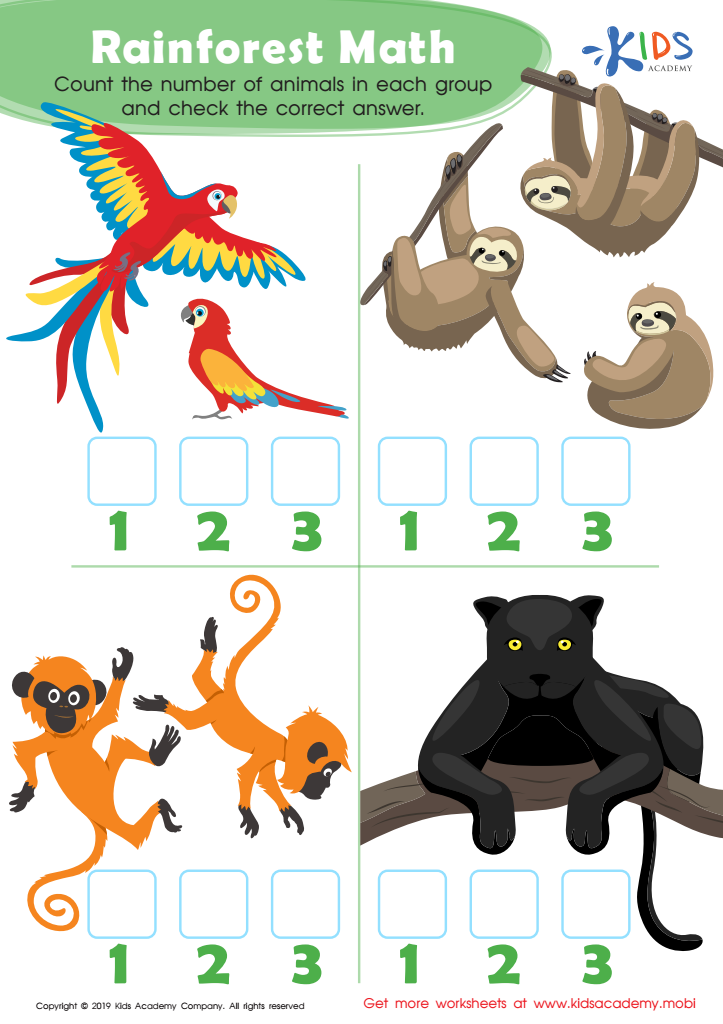
Rainforest Math Worksheet
Kids love learning about rainforest animals! This worksheet helps them with counting and number sense. It features recognizable rainforest animals and asks children to choose the correct number from the answer choices. It's a fun way for children to build their skills - without even knowing it!
 Assign to My Students
Rainforest Math Worksheet
Worksheet
Join Kids Academy for Free
Who is primarily going to use this learning content?






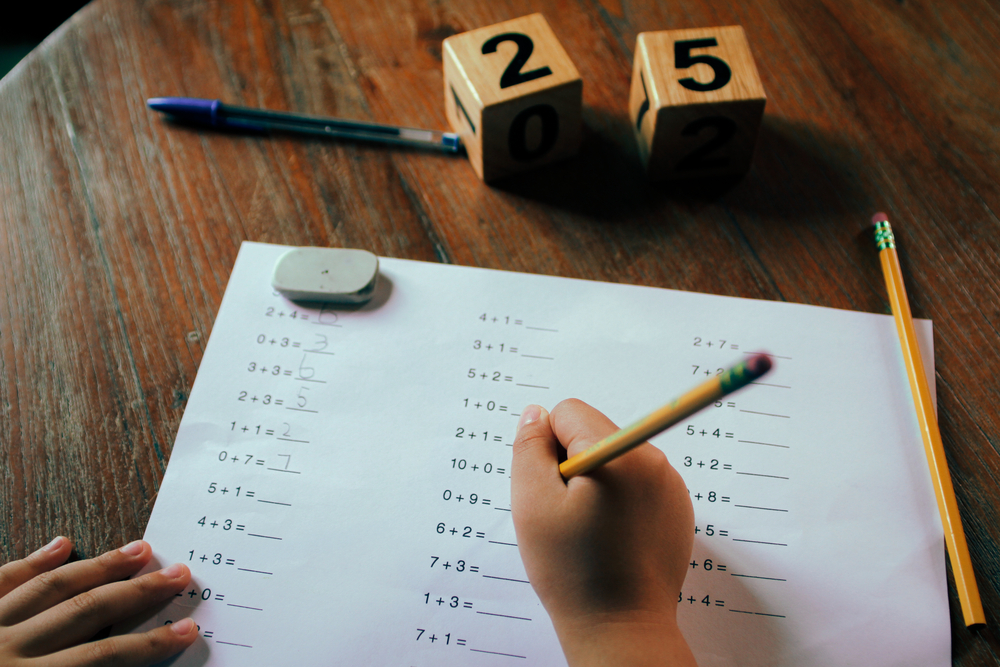
Understanding sequencing in math is essential for children ages 4-9 because it forms the foundation for all future mathematical learning and daily life problem-solving skills. Sequencing—understanding the order of numbers, processes, or events—helps kids grasp basic arithmetic operations. For young learners, this means being able to count in the correct order, recognize number patterns, and understand the logical progression in simple math problems.
For example, before a child can add or subtract, they need to know that numbers have a specific order and what comes before or after another number. This understanding enhances their ability to perform more complex operations later on, such as multiplication or division, which initially rely on skip counting and repeated addition/subtraction.
Moreover, sequencing nurtures critical thinking and organizational skills. A strong sense of sequencing allows children to follow multi-step instructions, whether solving math problems or completing everyday tasks like getting ready in the morning. It also contributes to reading comprehension, as stories have a beginning, middle, and end, and events occur in a specific order.
Therefore, parents and teachers should prioritize teaching sequencing in math to instill not only essential math skills but also overall academic and life skills that will benefit children far beyond the classroom.








