Enhancing observation skills Reading Non-Fiction Worksheets for Ages 4-9
4 filtered results
-
From - To
Enhance your child’s observation skills with our engaging Reading Non-Fiction Worksheets designed for ages 4-9! These interactive activities encourage young learners to explore the world around them, improve their critical thinking, and develop their observational prowess. Each worksheet features captivating content that motivates kids to notice details and make connections, enhancing both comprehension and retention. Ideal for home or classroom settings, these resources make learning fun and effective. Foster curiosity and knowledge through structured observation exercises, helping children become attentive readers and keen observers of their environment. Start your child's journey to becoming a skilled thinker today!
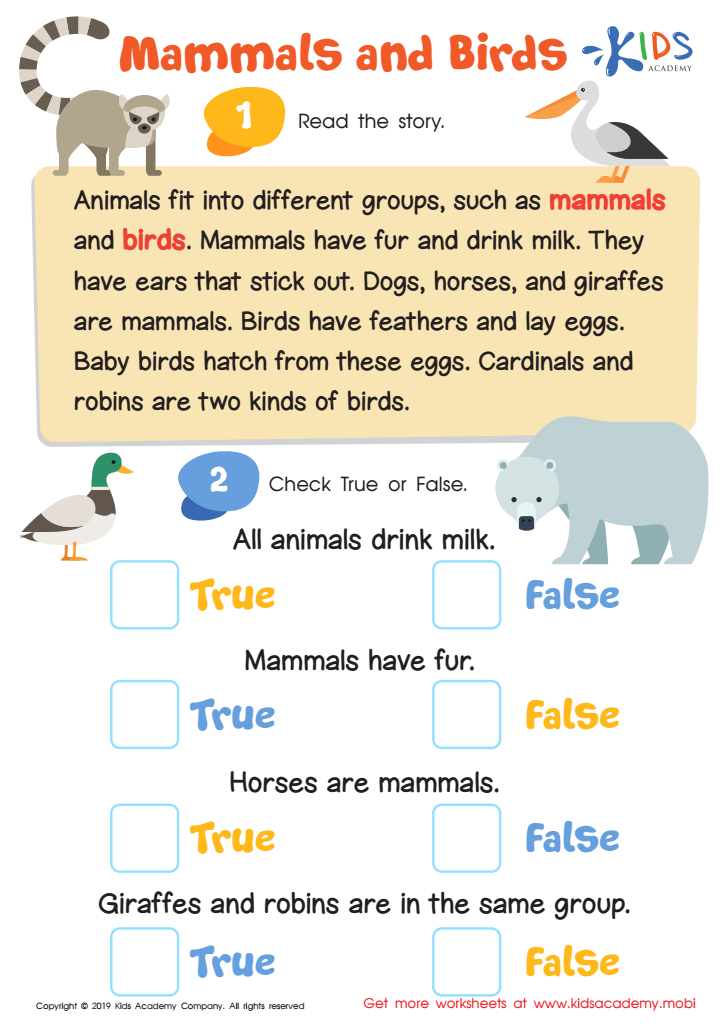
Mammals and Birds Worksheet
 Assign to My Students
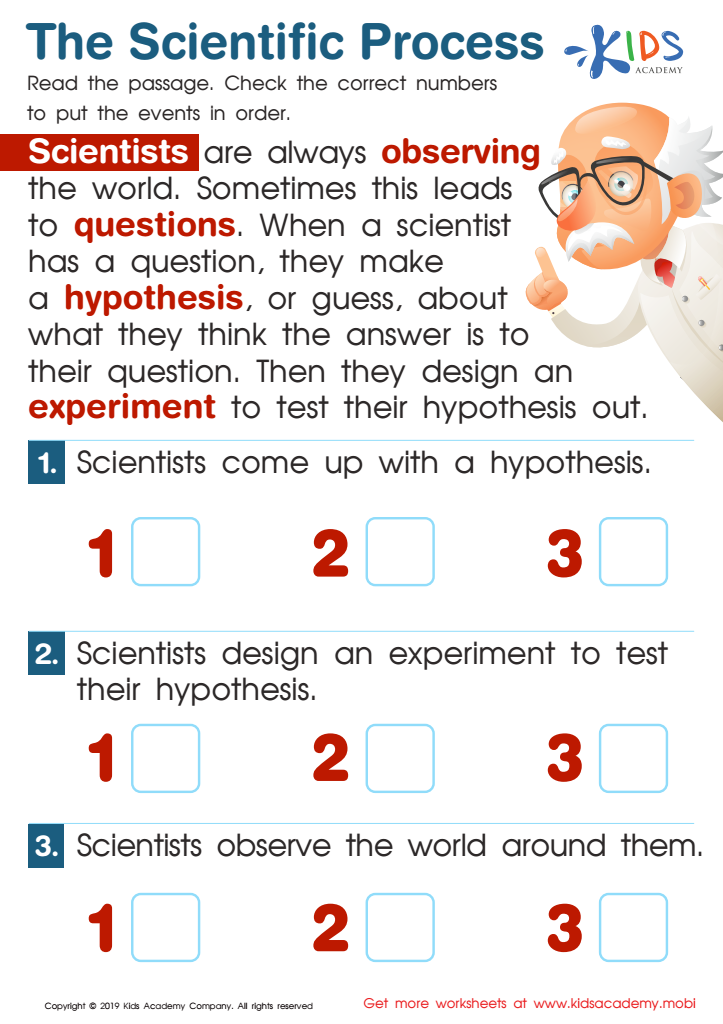
The Scientific Process Worksheet
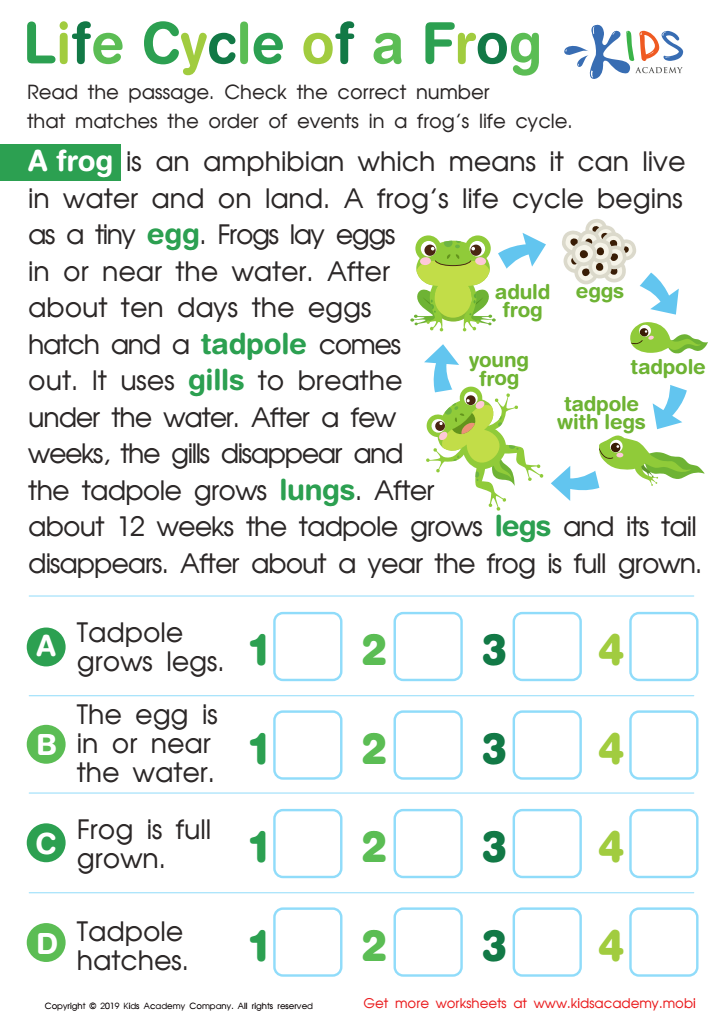
Life Cycle of a Frog Worksheet
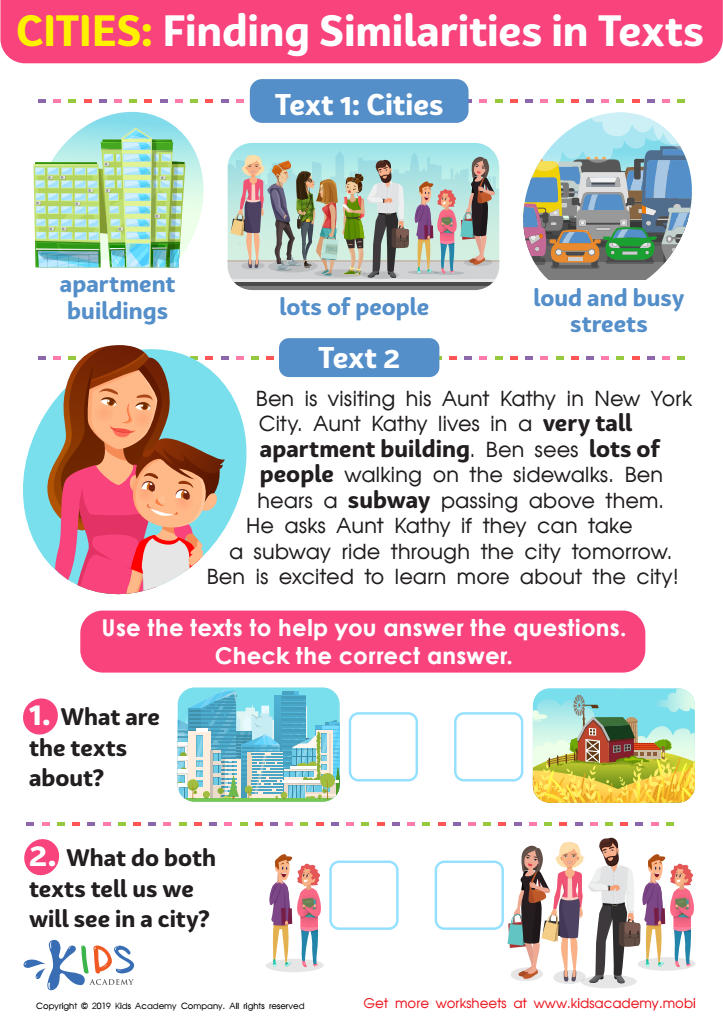
Cities: Finding Similarities Worksheet








Enhancing observation skills while reading non-fiction is crucial for children ages 4-9 as it lays the foundation for critical thinking, comprehension, and a lifelong love for learning. During this formative stage, children are naturally curious about the world around them. By focusing on non-fiction texts, parents and teachers can capitalize on this curiosity to nurture essential observational skills that go beyond simply recognizing words.
Observational skills allow children to extract information, make connections, and engage with the material on a deeper level. Non-fiction often includes rich visuals, charts, and real-world contexts which encourage young readers to notice details, seek explanations, and ask questions. This engagement promotes cognitive development and enhances their ability to reason and inference, skills that are vital not just in literacy but across all academic domains.
Moreover, fostering these skills encourages children to become independent learners and informed citizens. Parents and teachers who prioritize developing observational skills through non-fiction reading help children build a toolkit for academic success and everyday problem-solving. As a result, they cultivate inquisitive, thoughtful individuals who are equipped to navigate and contribute positively to an increasingly complex world. Thus, nurturing these skills is an essential investment in a child's educational journey and personal growth.








