Vocabulary development Reading Non-Fiction Worksheets for Ages 4-9
6 filtered results
-
From - To
Discover our engaging "Vocabulary Development Reading Non-Fiction Worksheets" designed for children ages 4-9! These worksheets focus on enhancing vocabulary through the exploration of exciting non-fiction texts that inspire curiosity and learning. Each activity encourages critical thinking, comprehension, and word recognition, making it easier for young learners to grasp complex concepts. With colorful illustrations and age-appropriate content, these worksheets cater to diverse learning styles and help kids build essential language skills. Perfect for classroom use or at-home learning, our non-fiction vocabulary worksheets provide a fun and interactive way to expand your child's vocabulary and promote a love for reading.
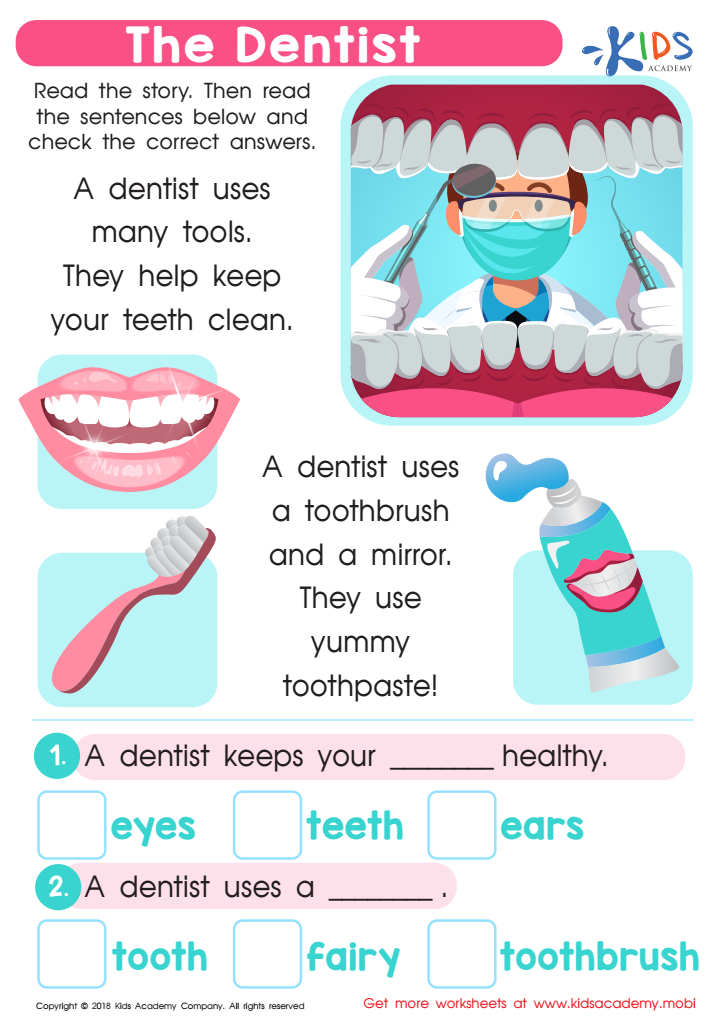
The Dentist Worksheet
 Assign to My Students
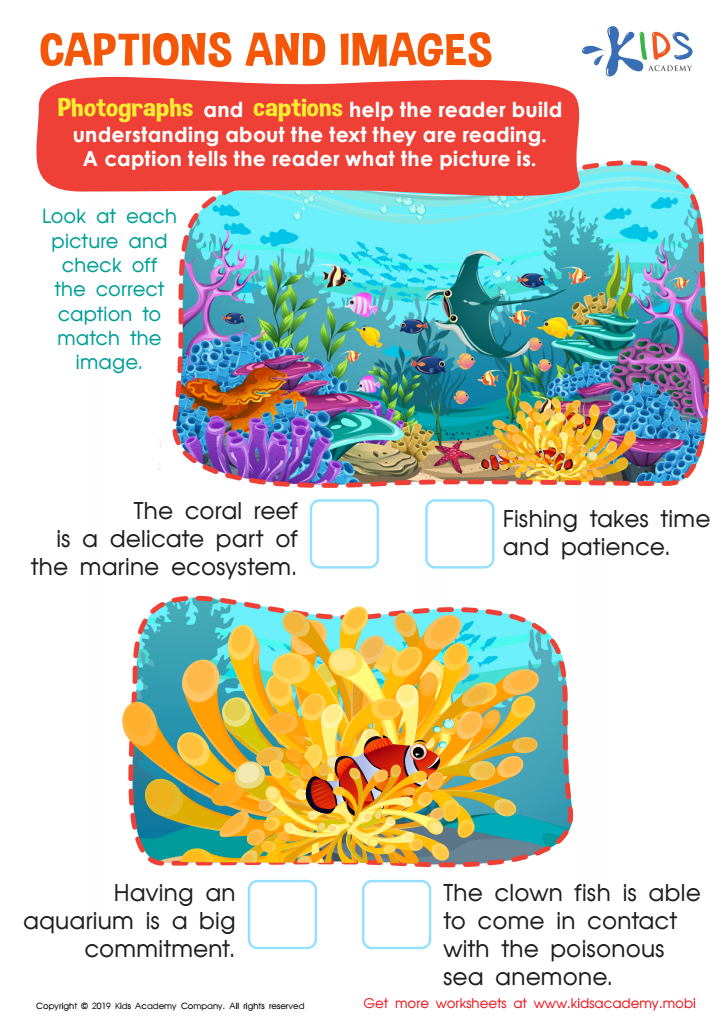
Captions and Images Worksheet
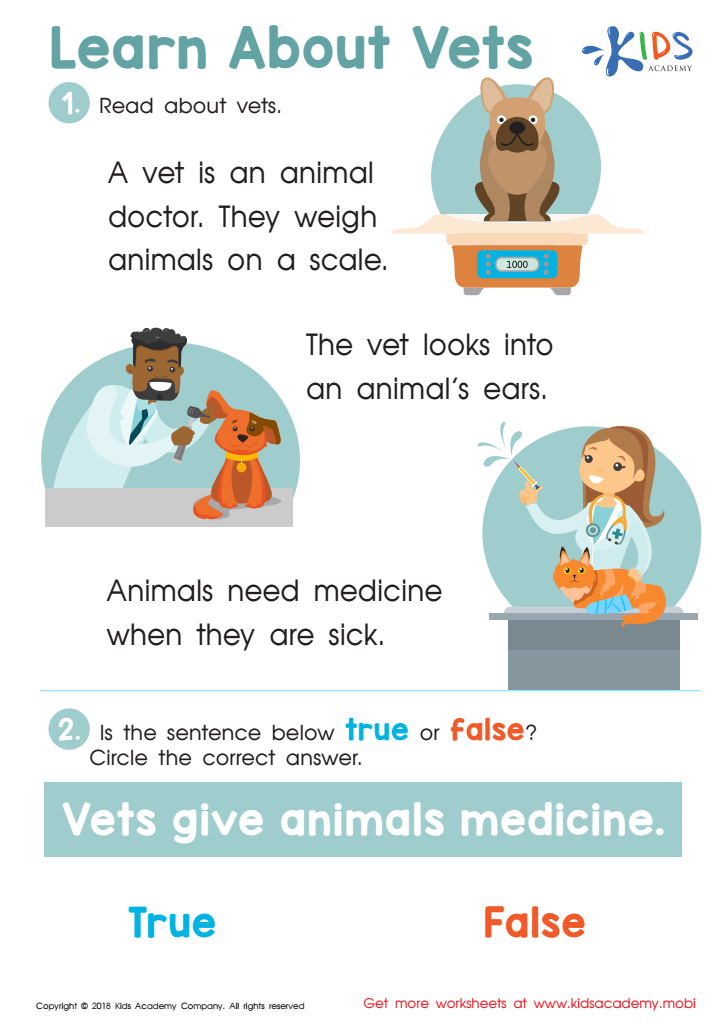
Learn About Vets Worksheet
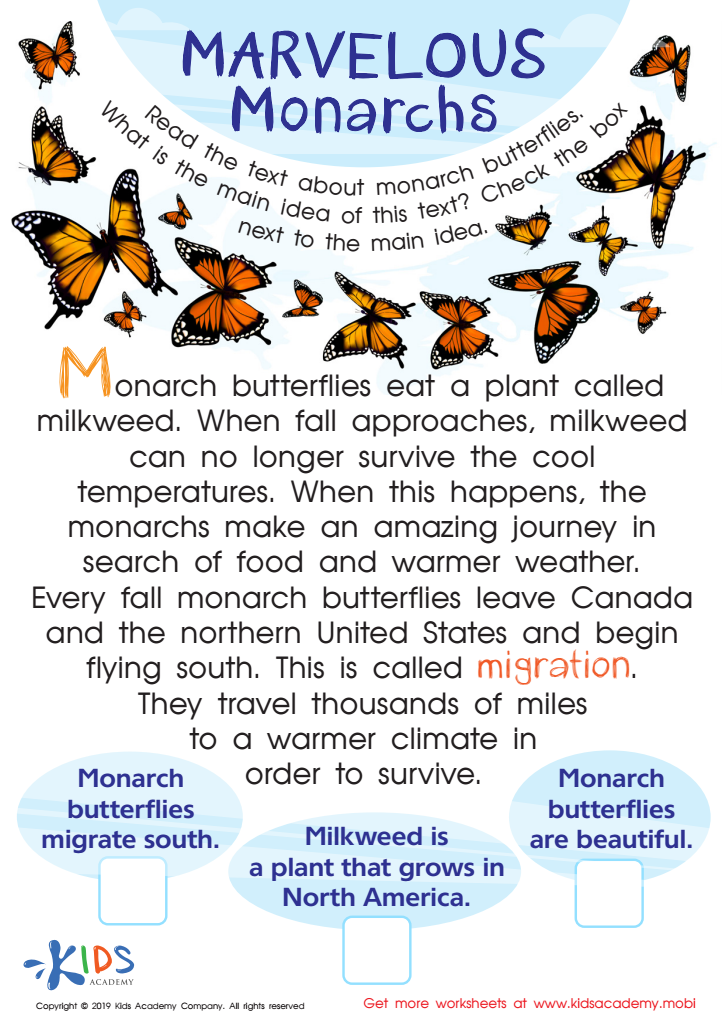
Marvelous Monarchs Worksheet
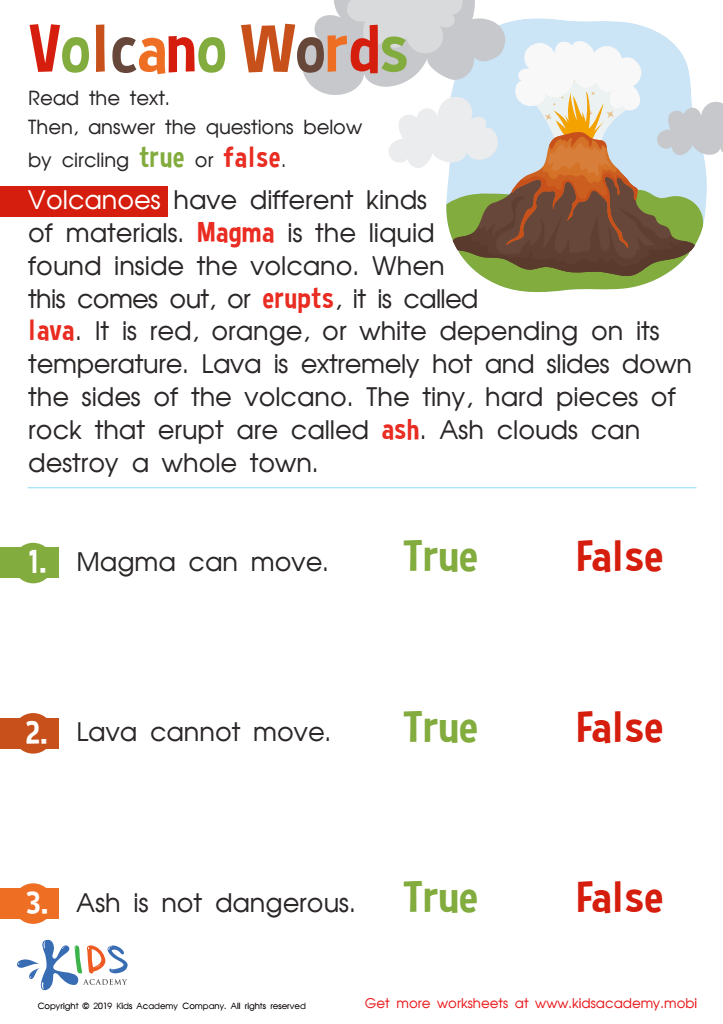
Volcano Words Worksheet
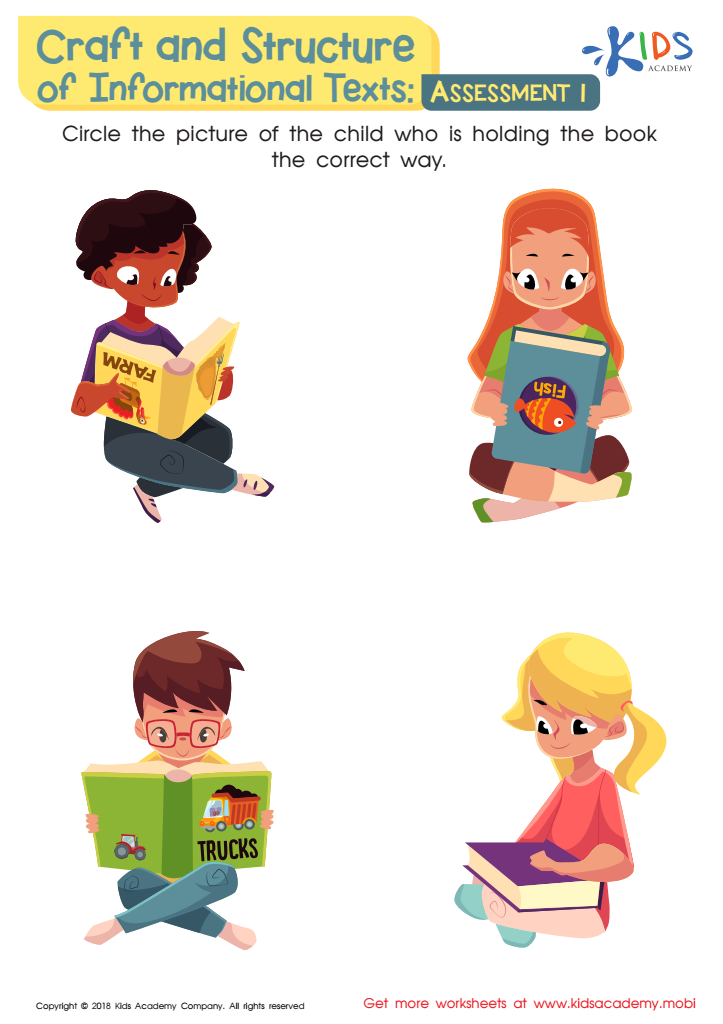
Craft and Structure of Informational Texts: Assessment 1 Worksheet








Vocabulary development in children aged 4-9 is crucial, especially through reading non-fiction, as it lays the foundation for their communication skills and overall academic success. Non-fiction texts expose young learners to a diverse range of words and concepts that help them understand the world around them. This genre broadens their vocabulary compared to narrative texts, which often focus on storytelling.
Hearing and encountering new words enhances linguistic abilities, enabling children to express thoughts, ask questions, and engage in conversations more meaningfully. Improved vocabulary directly correlates with better reading comprehension, critical thinking skills, and academic performance later in life.
Non-fiction also promotes curiosity and a love for learning, as children explore real-world topics, scientific facts, and cultural differences. When teachers or parents encourage young readers to delve into non-fiction, they foster investigative skills, prompting kids to think like researchers and question the information presented.
By actively participating in vocabulary development through non-fiction literacy, parents and teachers not only support cognitive growth, but they also empower children with the tools to navigate their environment, communicate effectively, and succeed in their educational journey. Ultimately, investing in early vocabulary development shapes informed, confident lifelong learners.








