Improve reading comprehension Sight Words Worksheets for Ages 4-9
4 filtered results
-
From - To
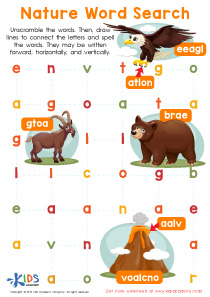
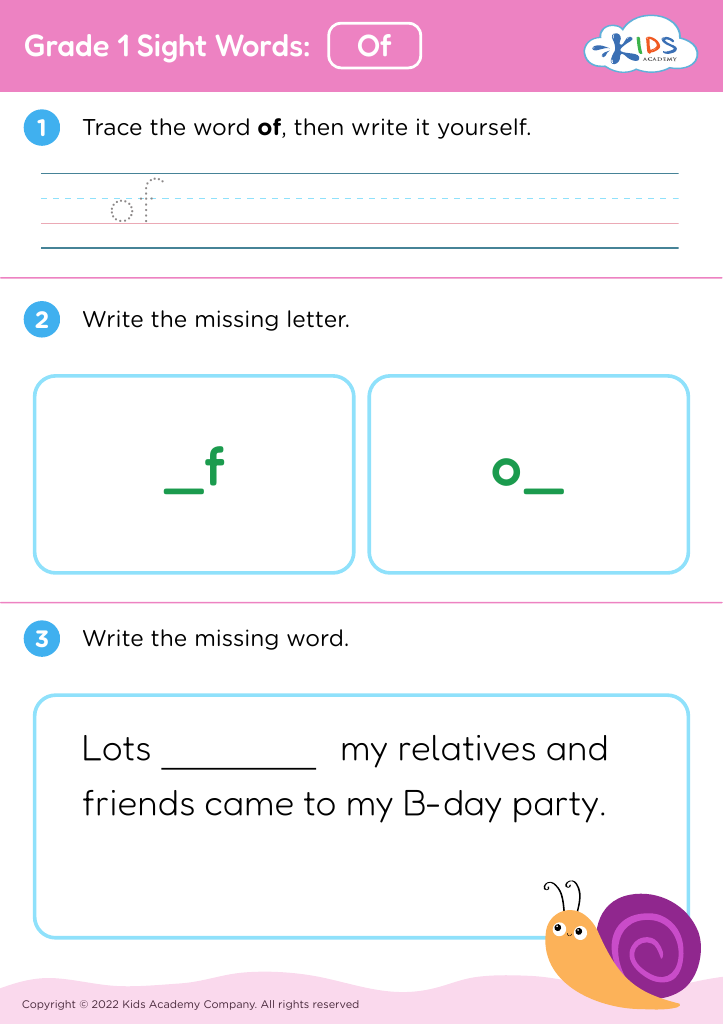
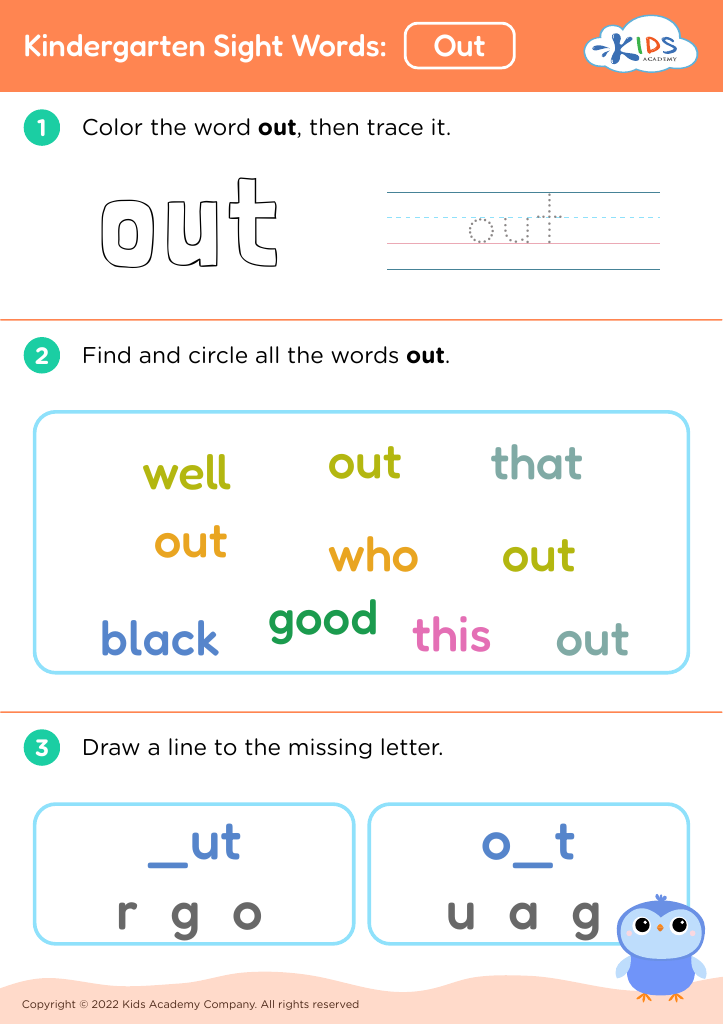
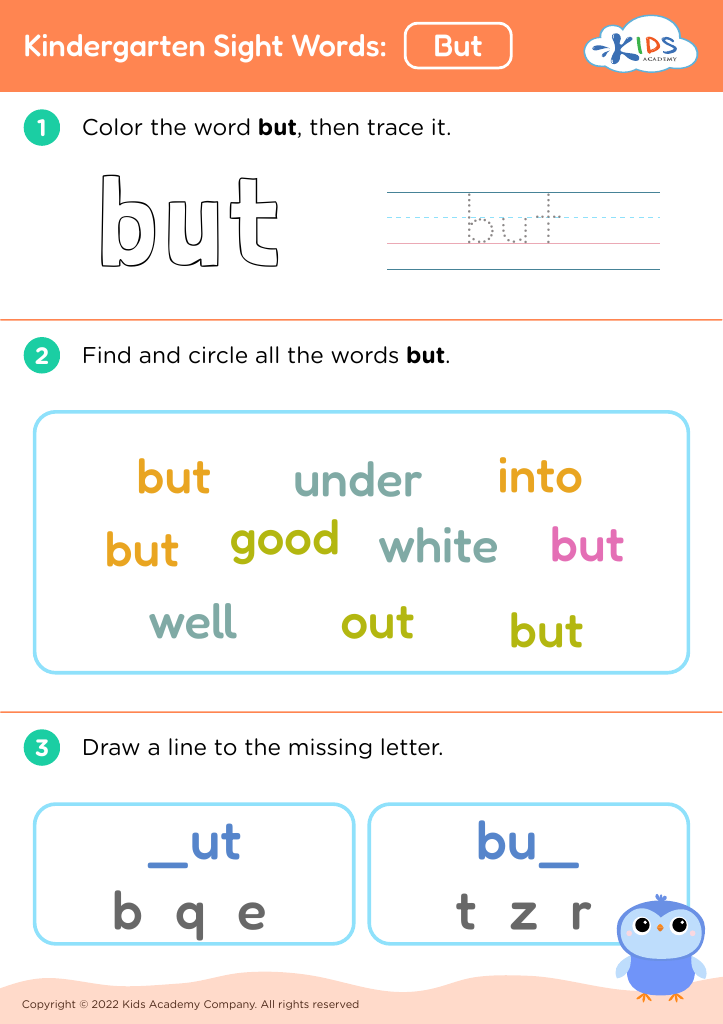
Boost your child’s reading skills with our engaging Sight Words Worksheets designed specifically for ages 4-9. Our collection focuses on improving reading comprehension, making learning fun and effective. These worksheets help young learners recognize high-frequency words, enhancing their ability to read fluently and confidently. Each activity is crafted to reinforce vocabulary through interactive exercises that promote critical thinking and understanding. Ideal for both classroom and home use, these worksheets will help your child develop essential reading skills while enjoying a positive learning experience. Explore our resources now to support your child's literacy journey and set the foundation for future academic success!




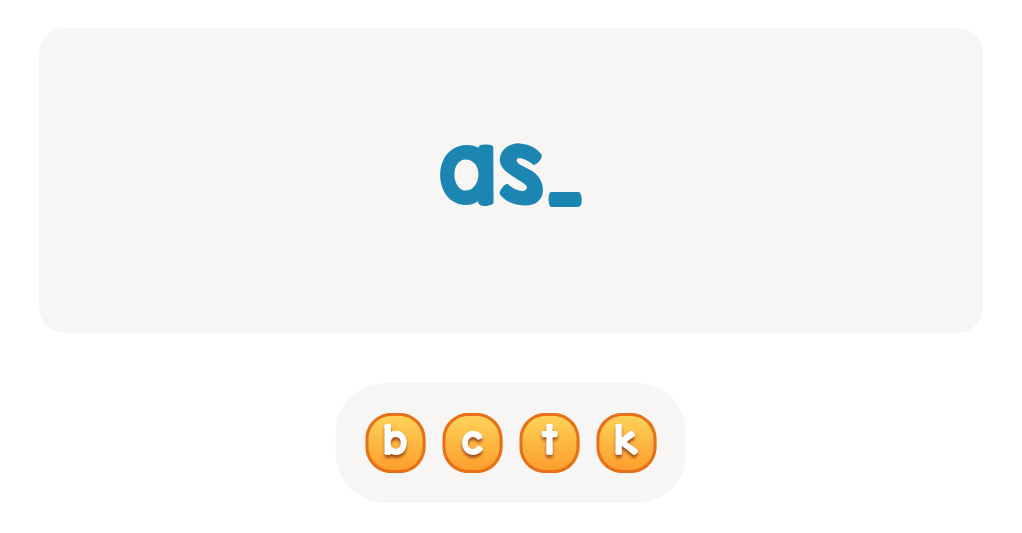
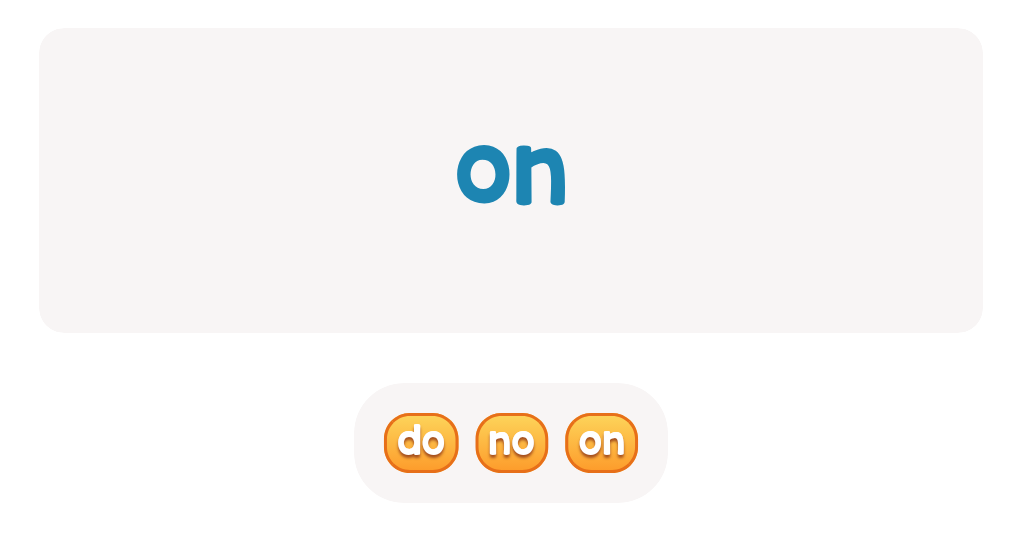
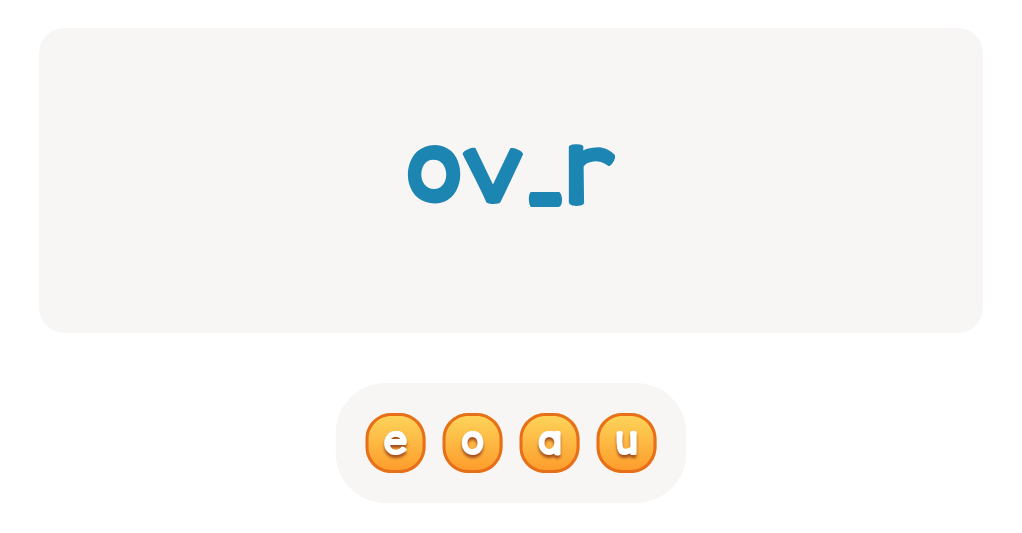
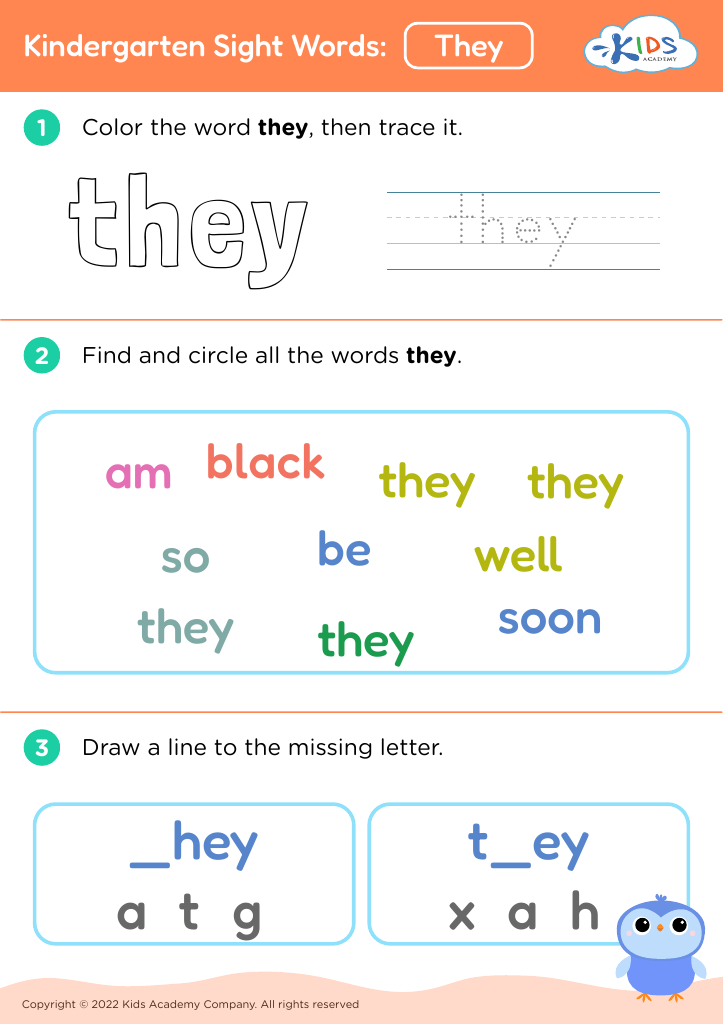






.jpg)

Improving reading comprehension and sight word recognition for children aged 4-9 is crucial for several reasons. First, these foundational skills serve as the building blocks for lifelong literacy. Young children learn to read by first recognizing high-frequency sight words—these are words that frequently appear in texts and can be quickly recognized without decoding. Mastering these words enhances fluency, allowing kids to focus on understanding the meaning of the text rather than stumbling over unfamiliar words.
Secondly, solid reading comprehension skills bolster confidence and foster a love for reading. When children comprehend what they read, they are more likely to engage with books and stories, which in turn broadens their vocabulary and cognitive development. This engagement is key to critical thinking skills and overall academic success later on.
Moreover, supporting reading comprehension and sight word mastery helps bridge the gap for children who may struggle with learning differences or who come from language-diverse backgrounds, ensuring all children can succeed. Investing time in reading activities can have profound long-term effects on children's education, equipping them with the essential skills they need to thrive both in school and beyond. Thus, parents and teachers should prioritize these early literacy skills for every child's success.