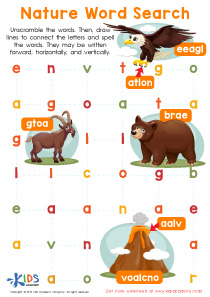
Logical thinking Sight Words Worksheets for Ages 4-9
3 filtered results
Difficulty Level
Grade
Age
-
From - To
Subject
Activity
Standards
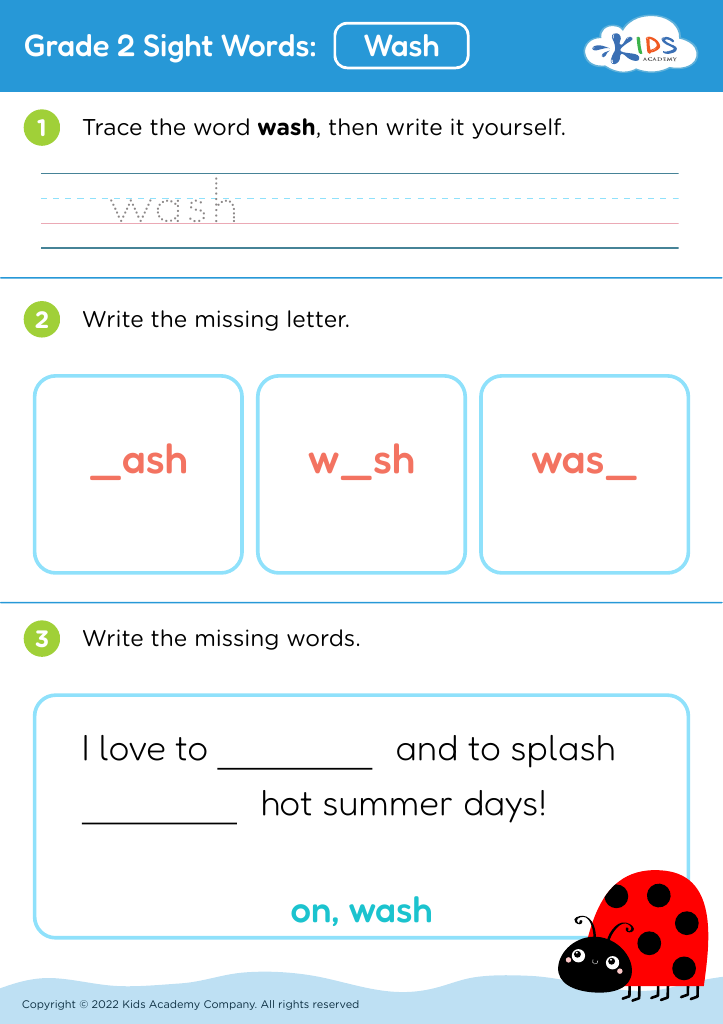
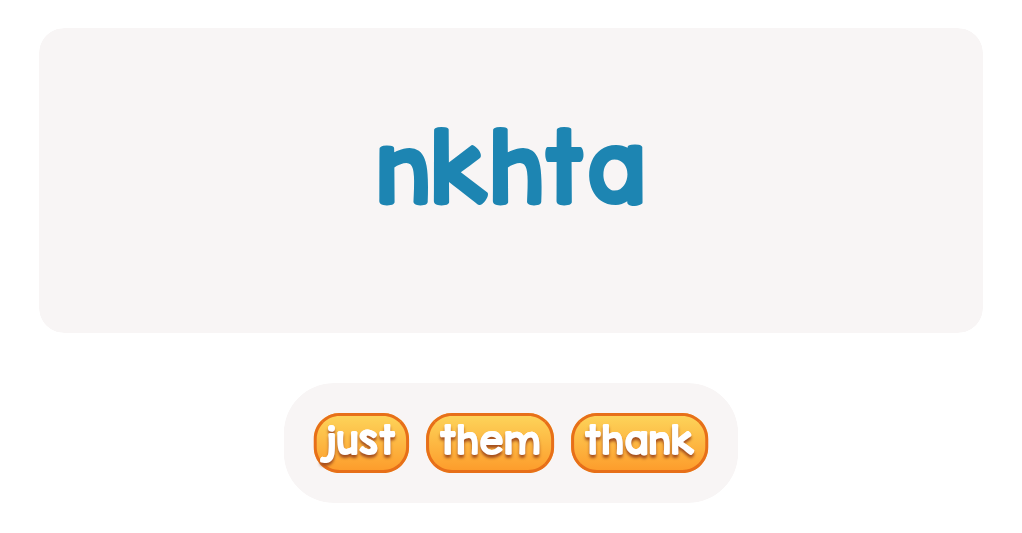
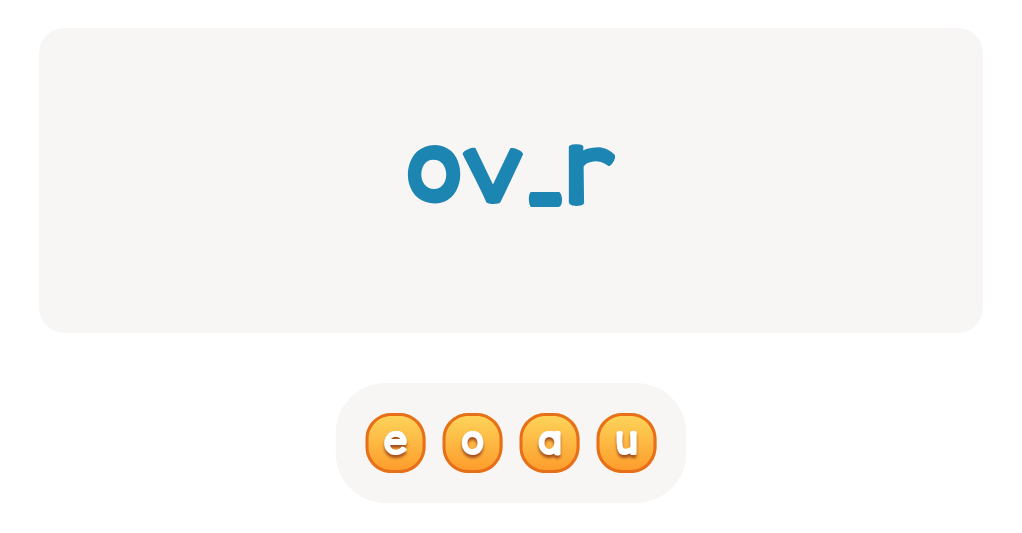
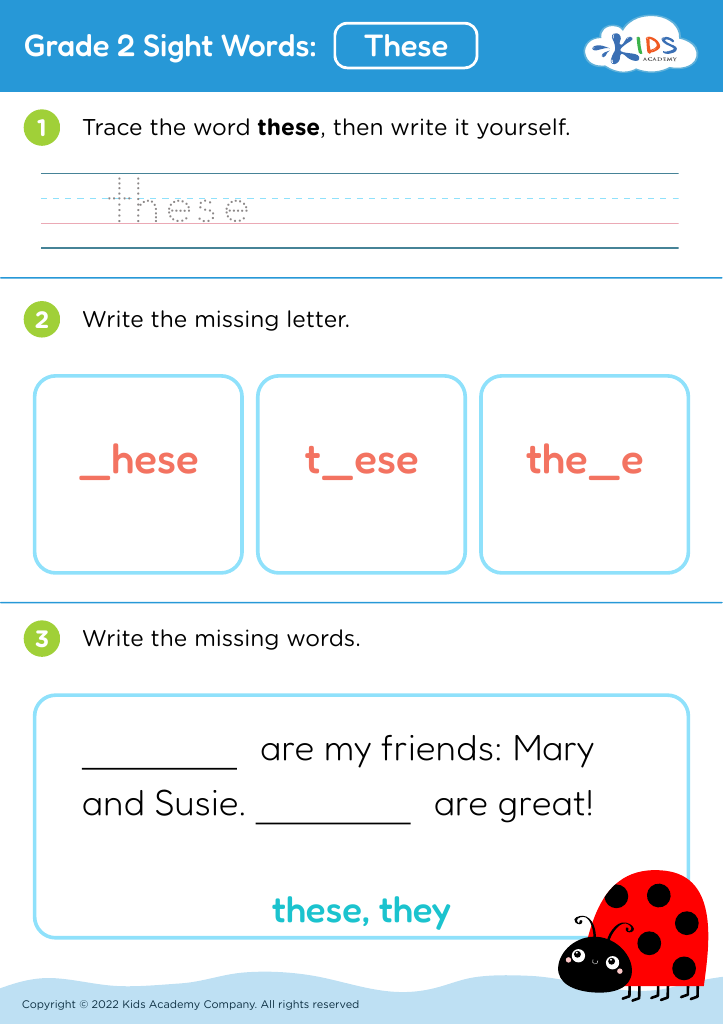
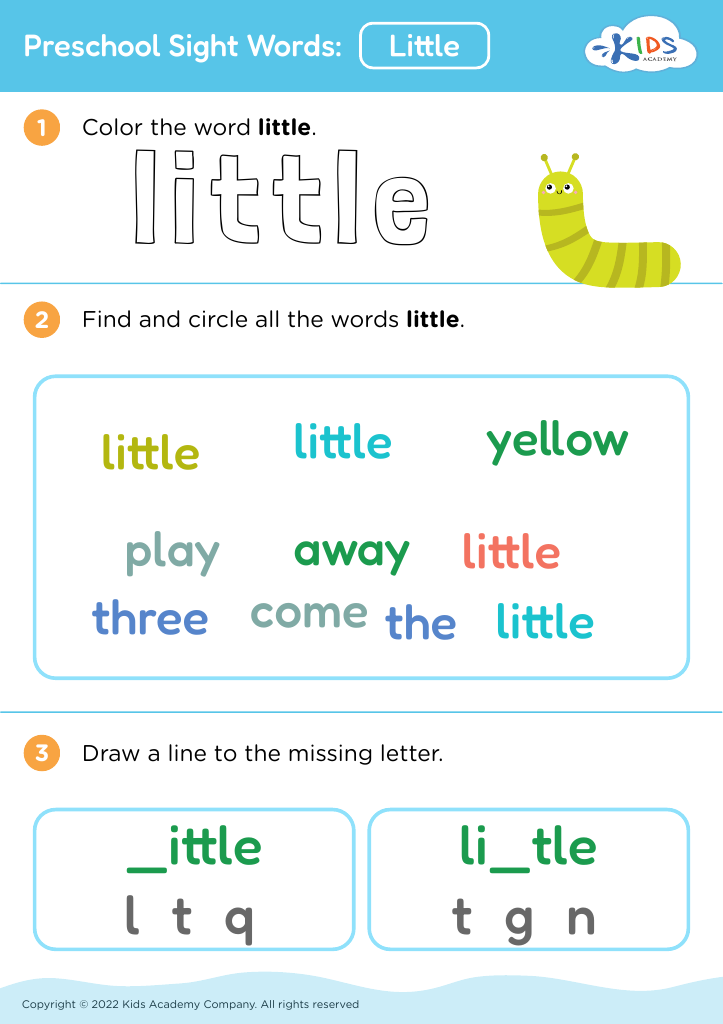
Unlock your child's reading potential with our Logical Thinking Sight Words Worksheets, tailored for ages 4-9. These engaging resources integrate critical thinking skills with essential sight word recognition, fostering a comprehensive learning experience. Our worksheets are designed to enhance cognitive development while making reading enjoyable. Through fun activities, kids will learn to connect words with their meanings and apply logic to improve comprehension. Perfect for home or classroom use, these worksheets support young learners in building a strong foundation for future literacy. Dive into an interactive educational journey where logic meets language, empowering your child to thrive in their reading skills!
Favorites
With answer key
Interactive







Join Kids Academy for Free
Who is primarily going to use this learning content?






.jpg)

Parents and teachers should prioritize introducing Logical Thinking Sight Words to children aged 4-9 due to the crucial role these words play in building literacy skills and cognitive development. Sight words—commonly used words that children learn to recognize instantly—form the foundation of reading fluency. When combined with logical thinking, children enhance not only their ability to read but also their critical reasoning skills.
Logical thinking encourages children to make connections between words, understand context, and derive meaning from texts, thereby increasing comprehension. This ability fosters greater engagement with reading materials and empowers young learners to approach problems more effectively. Furthermore, developing a strong vocabulary through sight words allows children to express their thoughts clearly, enhancing their communication skills.
In the early years, fostering logical thinking and a sight word vocabulary sets the stage for future academic success and lifelong learning. Also, it nurtures curiosity and creativity, important components of overall development. By emphasizing these fundamental skills in both home and classroom environments, adults can support children in becoming confident readers and thinkers, opening doors to a world of knowledge and imagination. Investing in this foundation pays lifelong dividends.