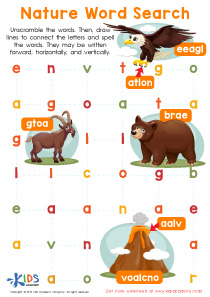
Vocabulary Building Sight Words Worksheets for Ages 4-9
5 filtered results
-
From - To
Enhance your child's reading skills with our Vocabulary Building Sight Words Worksheets, designed specifically for children ages 4-9. These engaging worksheets help young learners recognize and understand essential sight words, boosting their vocabulary and overall literacy. Featuring fun activities and interactive exercises, each worksheet promotes reading comprehension and retention through repetition and practice. Perfect for at-home learning or classroom use, our resources will inspire a love for reading while developing fundamental language skills. Prepare your child for academic success with these carefully curated materials that encourage pronunciation, usage, and contextual understanding of sight words. Start building excitement for learning today!
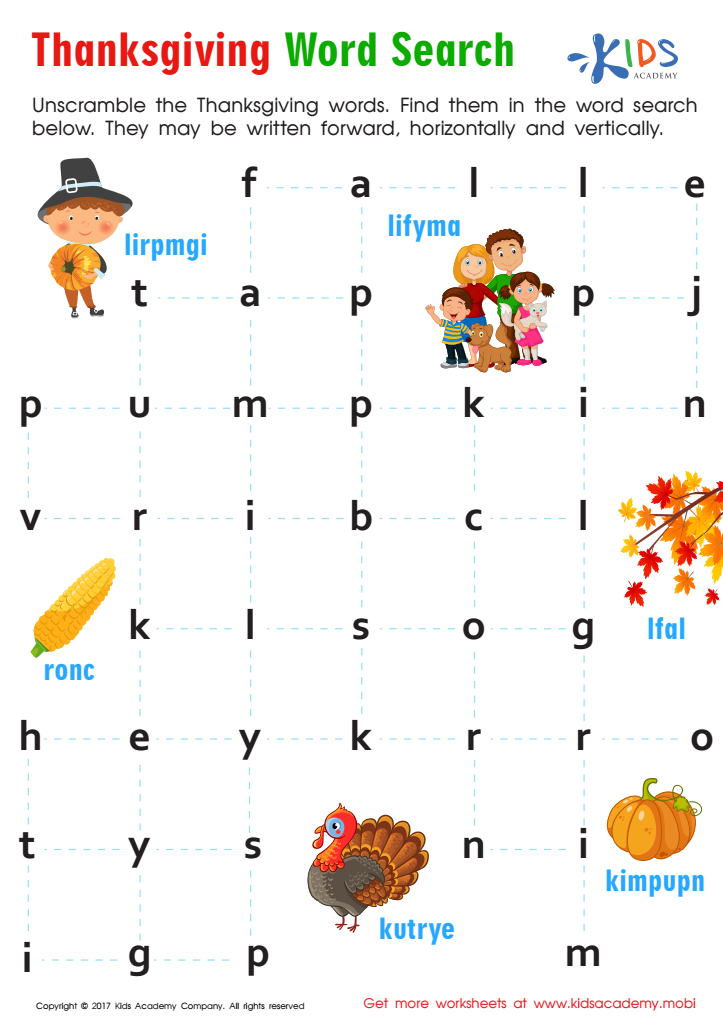
Thanksgiving Word Search Sight Words Worksheet
 Assign to My Students







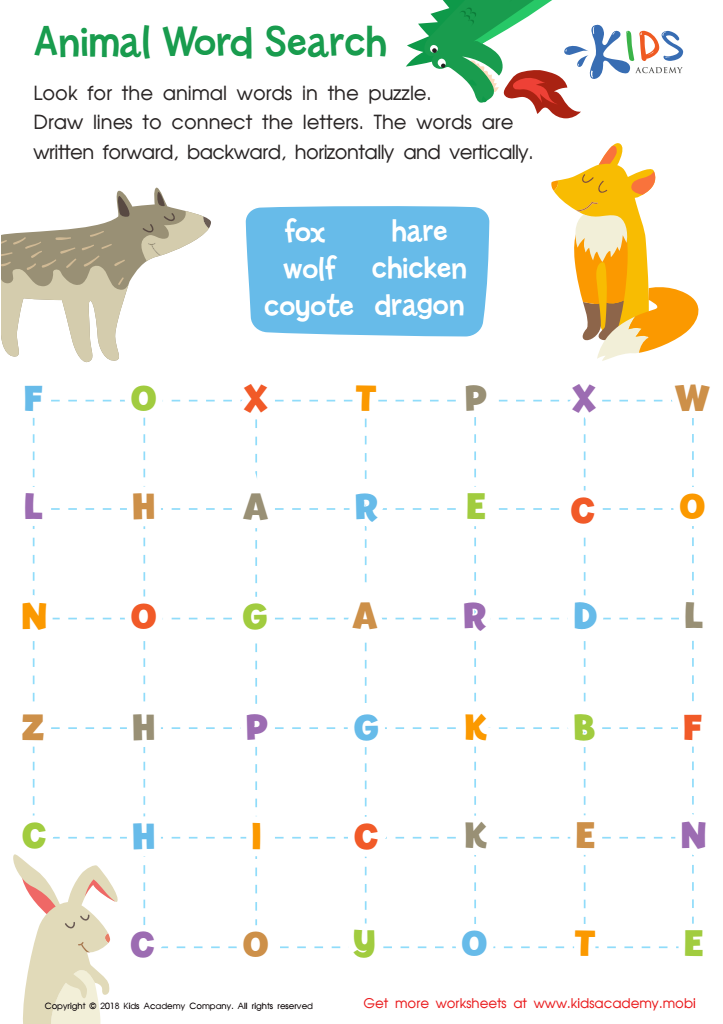
Animal Word Search Worksheet
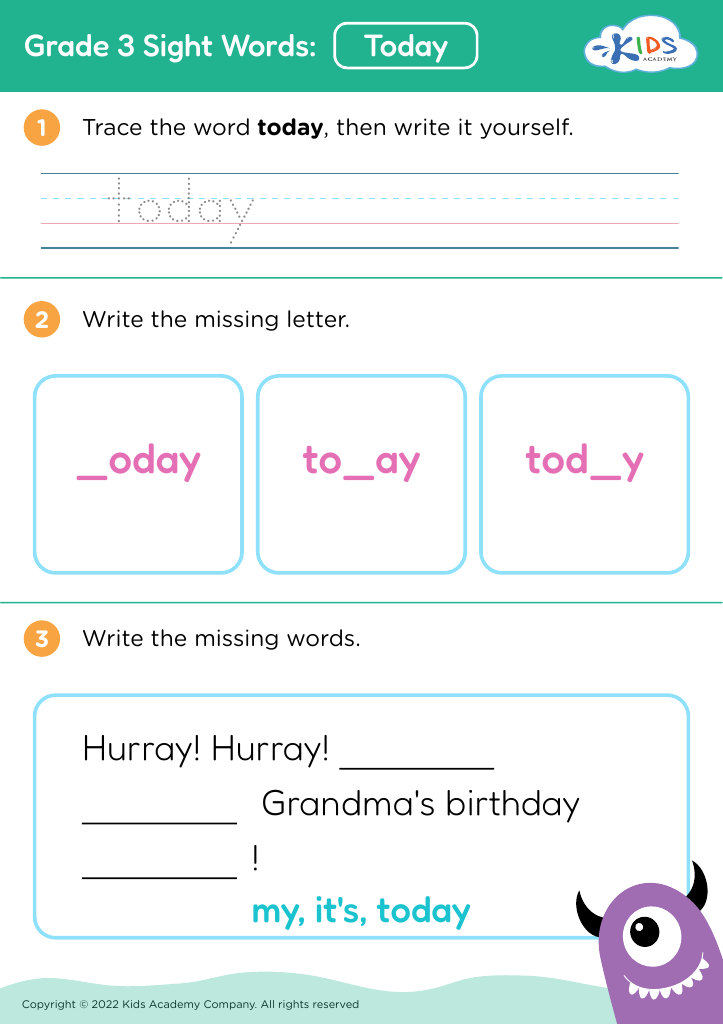
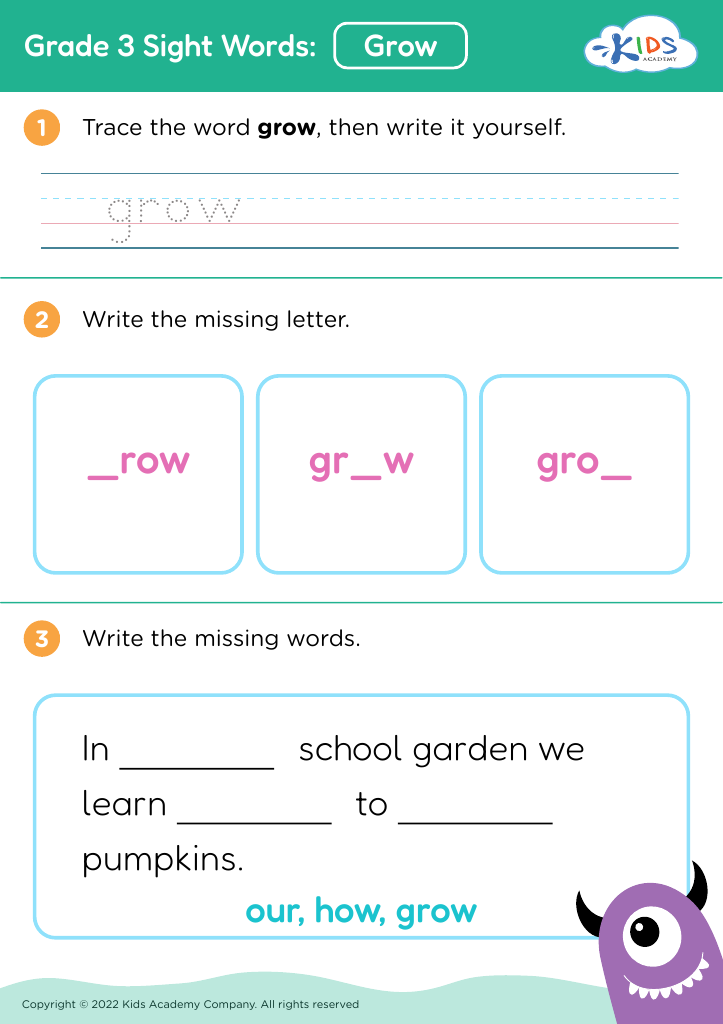








Parents and teachers should prioritize vocabulary building and sight words for children ages 4 to 9 as these are foundational elements in literacy development. Early exposure to sight words—commonly used words that young readers should recognize instantly—enables children to read more fluently and with confidence. This age group is critical for brain development; engaging in vocabulary lessons enhances cognitive skills, boosts comprehension, and fosters a love for reading.
Additionally, a strong vocabulary supports effective communication. Children who are better equipped with words can express their thoughts and emotions, leading to improved interactions with peers and adults. This can help mitigate frustration and build self-esteem, both vital for social and academic success.
Furthermore, vocabulary building is closely linked to future academic performance. Research indicates that a robust vocabulary in early education correlates with better outcomes when confronted with more complex texts in later grades. By focusing on this key area, parents and teachers equip children not only with necessary reading skills but also lay the groundwork for lifelong learning. Investing time in teaching sight words creates enthusiastic readers who embrace literacy, ultimately leading to a brighter academic future.