Alphabet Learning ABC Letters Worksheets for 4-Year-Olds
3 filtered results
-
From - To
Discover our engaging Alphabet Learning ABC Letters Worksheets designed specifically for 4-year-olds! These printable activities are perfect for early learners, fostering essential letter recognition and phonetic skills. Each worksheet is thoughtfully crafted to make learning the alphabet fun and interactive, featuring colorful designs and playful themes that capture young imaginations. Your child will enjoy tracing, coloring, and identifying letters while developing fine motor skills and starting their literacy journey. Great for home or classroom use, these worksheets provide a solid foundation for future reading success. Explore our collection today and spark a love for learning in your little one!
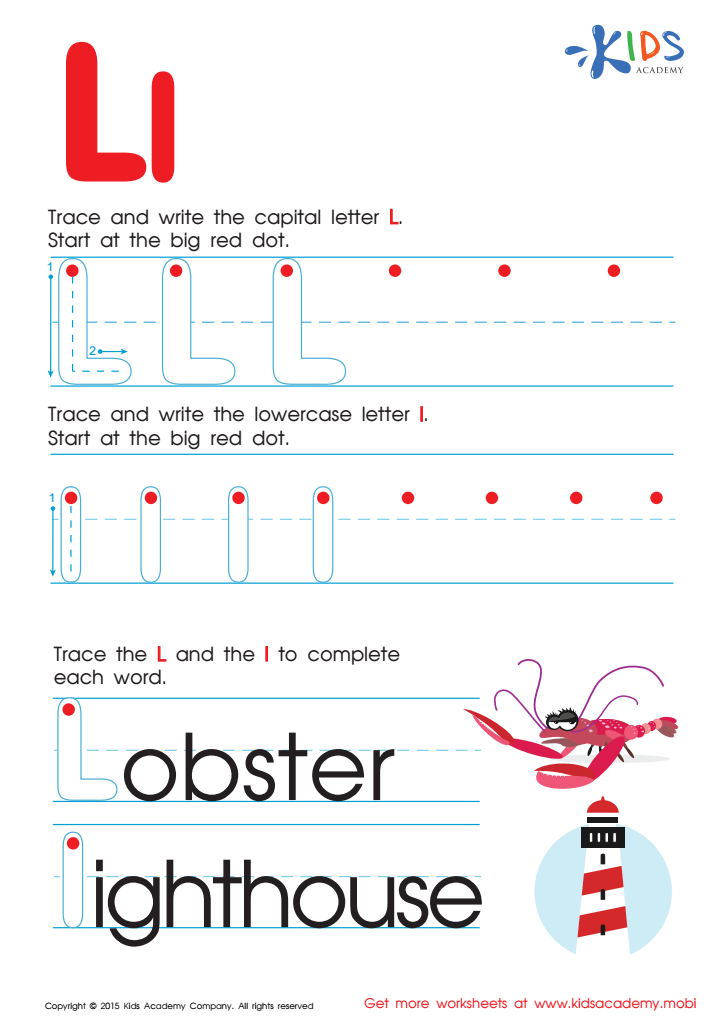
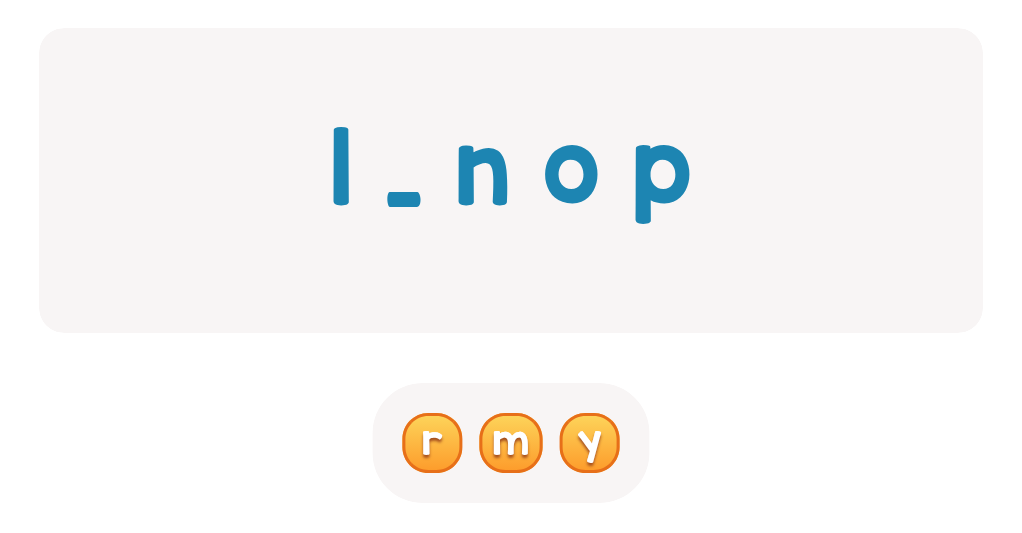
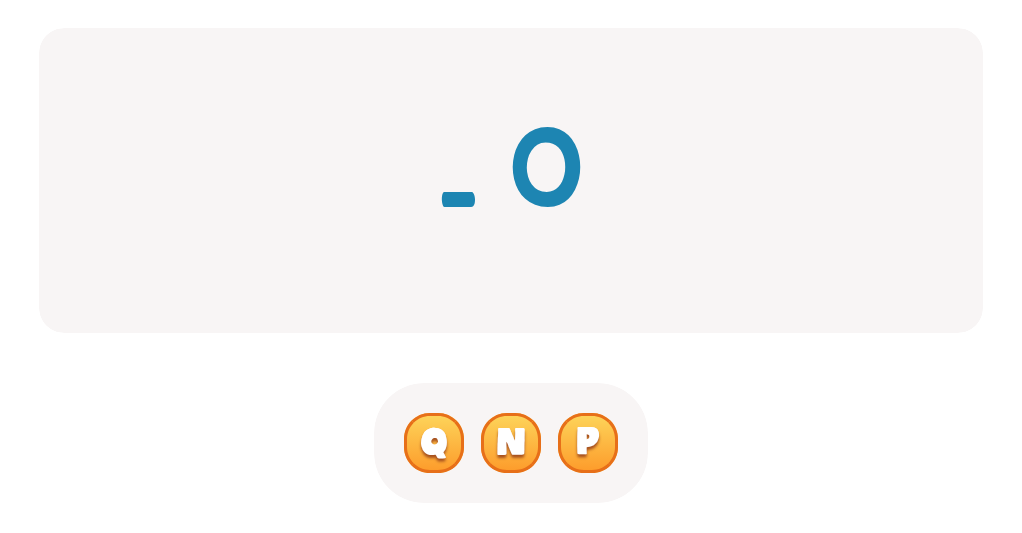
Letter L Tracing Page





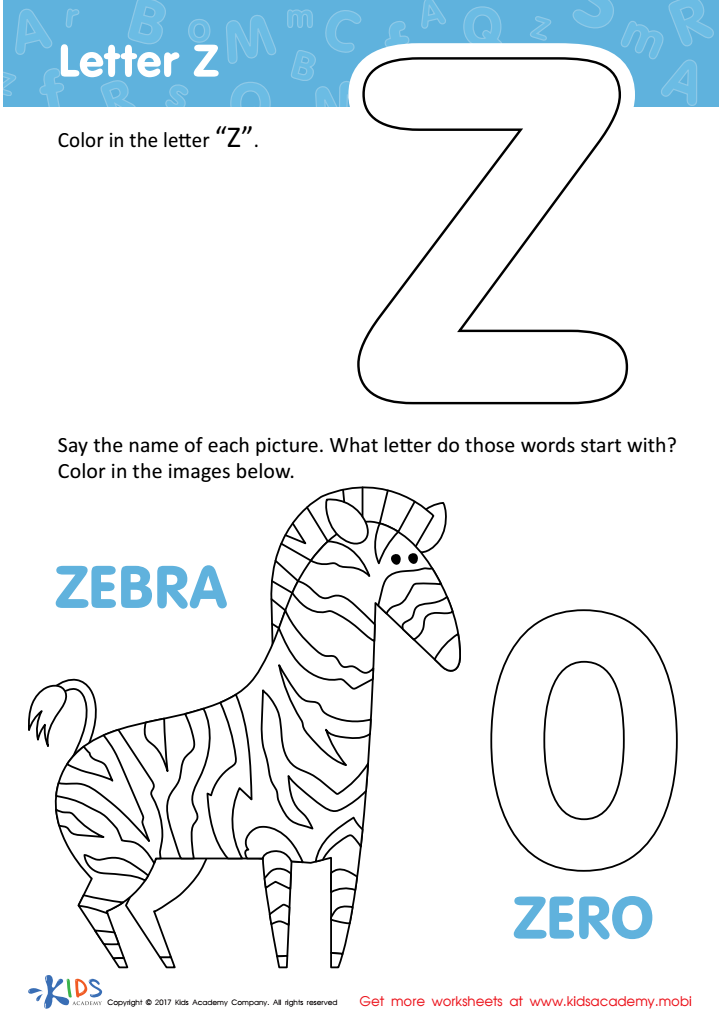
Letter Z Coloring Sheet
 Assign to My Students

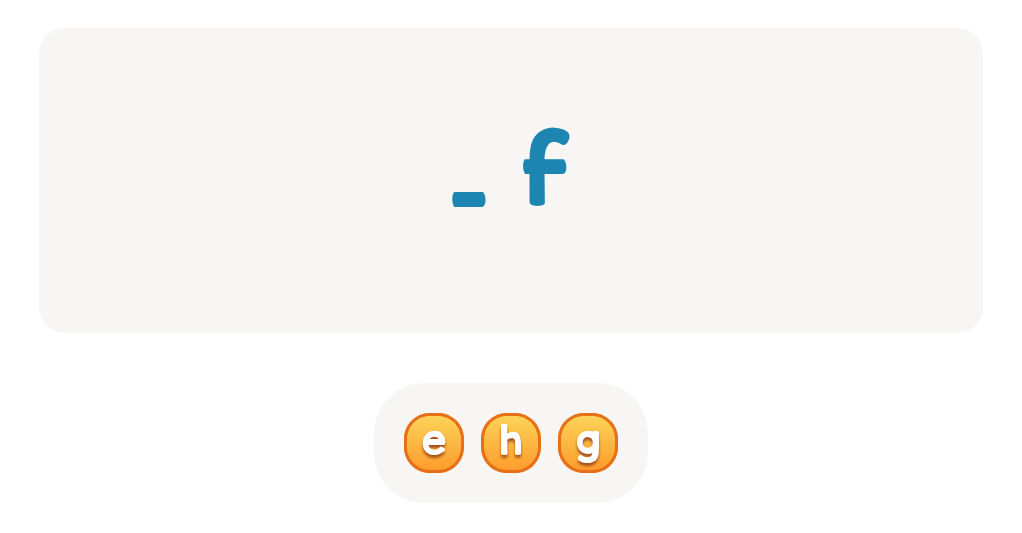
Letter F Tracing Page







Alphabet learning is a critical foundational skill for 4-year-olds, and parents and teachers play an essential role in this process. Mastering the ABCs sets the stage for literacy development, paving the way for reading and writing proficiency. At this age, children are naturally curious and eager to absorb new information, making it an ideal time to introduce letter recognition and sounds.
Investing time in alphabet learning helps strengthen cognitive and language skills, enhancing vocabulary and communication abilities. Understanding letters also aids in developing fine motor skills, as children practice writing and forming letters. Moreover, early familiarity with the alphabet fosters confidence and enthusiasm for learning as children progress to more complex tasks.
Additionally, learning the alphabet aids in building essential social skills, as children often engage in playful activities or group learning scenarios while exploring letters. This not only supports their educational journey but also encourages teamwork and collaboration.
For parents and teachers, prioritizing alphabet learning nurtures a love for reading and sets children up for future academic success. A strong literacy foundation is vital for lifelong learning, making it imperative to cultivate these skills during the formative years. By engaging in alphabet activities, adults can significantly impact a child’s educational path.







