Alphabet Learning Alphabet Worksheets for 4-Year-Olds
5 filtered results
-
From - To
Explore our engaging Alphabet Learning Worksheets designed specifically for 4-year-olds! Our interactive resources help young learners master letter recognition, sounds, and writing skills through fun activities and vibrant illustrations. Each worksheet is tailored to enhance early literacy and cognitive development while providing a hands-on learning experience. Children will practice letter tracing, identifying uppercase and lowercase letters, and connecting sounds with words, all crucial for their language acquisition. Perfect for parents and educators alike, these worksheets promote a love for learning and facilitate skill development in a playful manner. Download your free alphabet worksheets today and inspire your little one's educational journey!
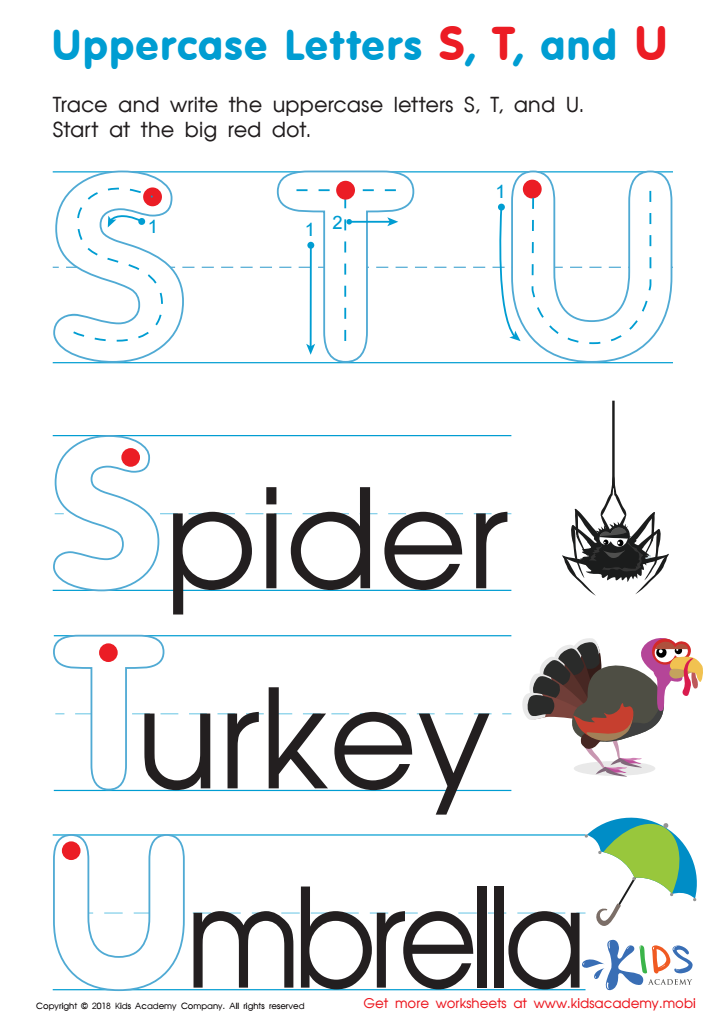
Uppercase Letters S, T, and U Worksheet
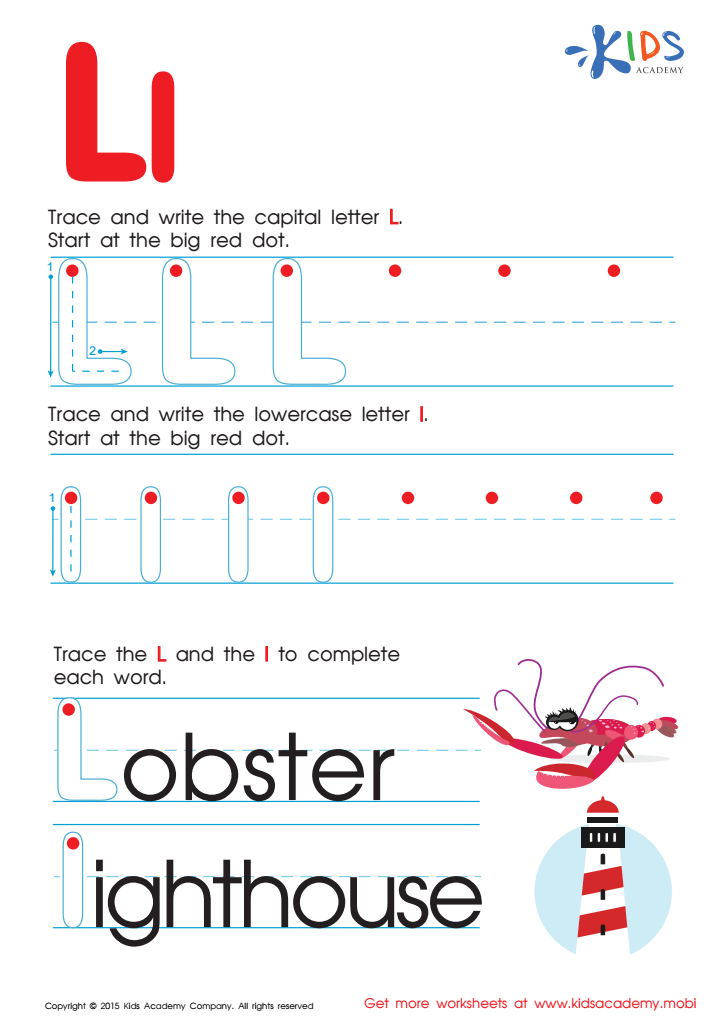
Letter L Tracing Page
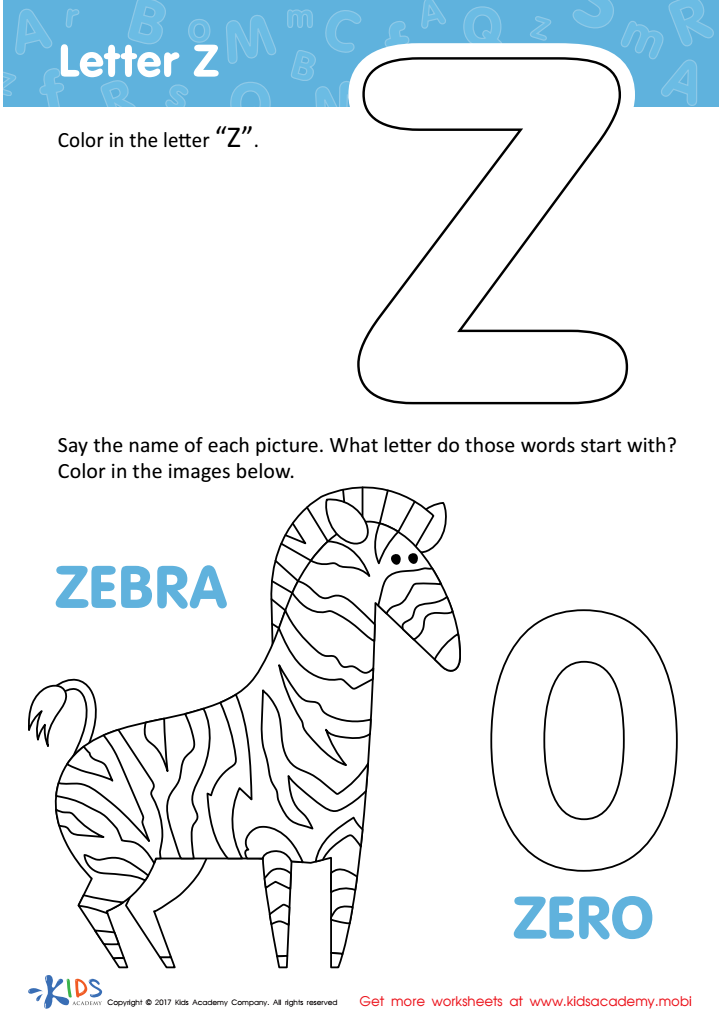
Letter Z Coloring Sheet
 Assign to My Students
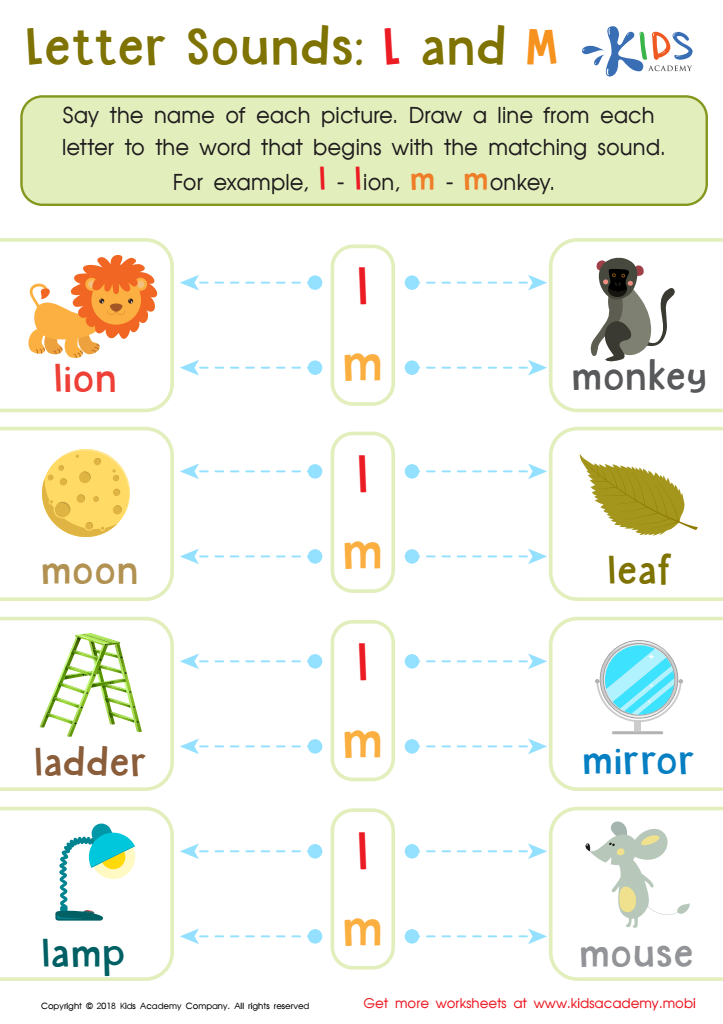
Letter l and M Sounds Worksheet
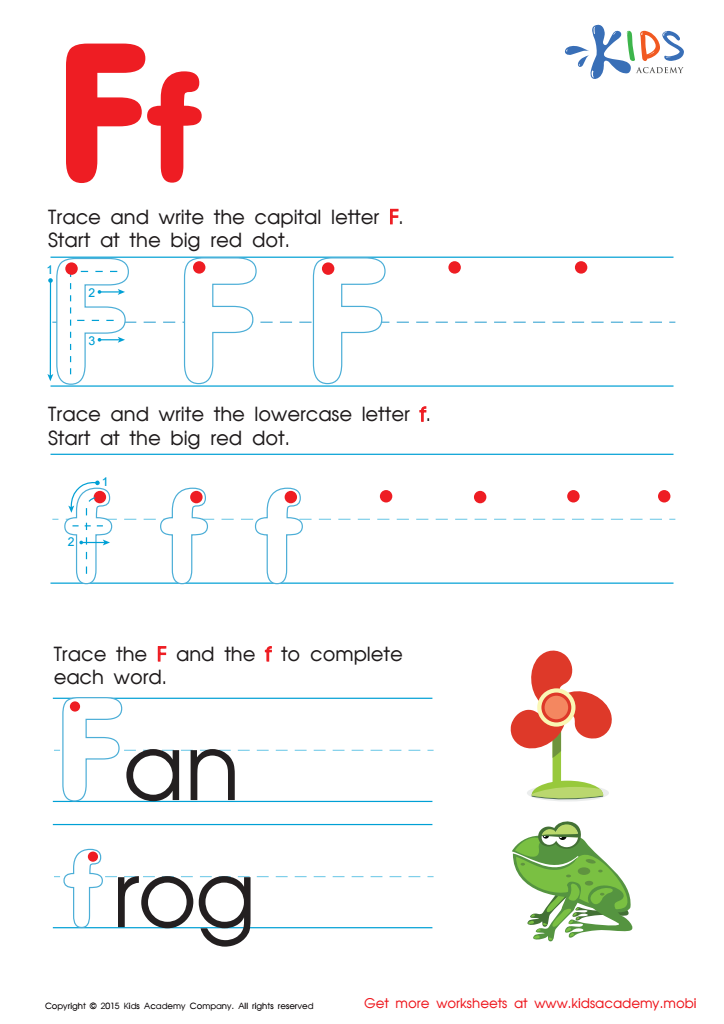
Letter F Tracing Page








Alphabet learning for 4-year-olds is a foundational step in a child's educational journey, making it crucial for both parents and teachers. At this age, children are naturally curious and eager to explore language, and introducing them to the alphabet fuels cognitive development and literacy skills. Understanding letters helps children identify sounds, enhancing their ability to read and write later on—a critical skill for academic success.
Moreover, early alphabet learning fosters communication abilities. When children comprehend the connection between letters and sounds, they can express themselves more effectively, both verbally and through writing. This lays the groundwork for their overall confidence and competence in school and beyond.
Additionally, engaging children in alphabet learning activities can strengthen bonds between parents and their kids. Reading together, playing letter games, or utilizing multimedia resources can create interactive, memorable experiences that enhance learning.
For teachers, incorporating alphabet learning in the curriculum nurtures creativity and critical thinking, as young learners experiment with letters in various contexts. By prioritizing this fundamental skill, parents and educators set the stage for a lifetime of learning, inspiring children to become enthusiastic readers and learners as they progress through their educational journey.







