Letter-sound correlation Alphabet Worksheets for 4-Year-Olds
6 filtered results
-
From - To
Discover our engaging Letter-Sound Correlation Alphabet Worksheets designed specifically for 4-year-olds! These interactive activities help young learners connect letters to their corresponding sounds, fostering essential pre-reading skills. With colorful illustrations and playful exercises, kids will be eager to practice identifying letters and sounds through fun games and activities. Our worksheets are crafted to support early literacy development while keeping learning enjoyable and impactful. Perfect for home or classroom use, these resources encourage creativity and critical thinking as children explore the wonderful world of letters. Start building a strong foundation in reading and phonics with our delightful alphabet worksheets today!
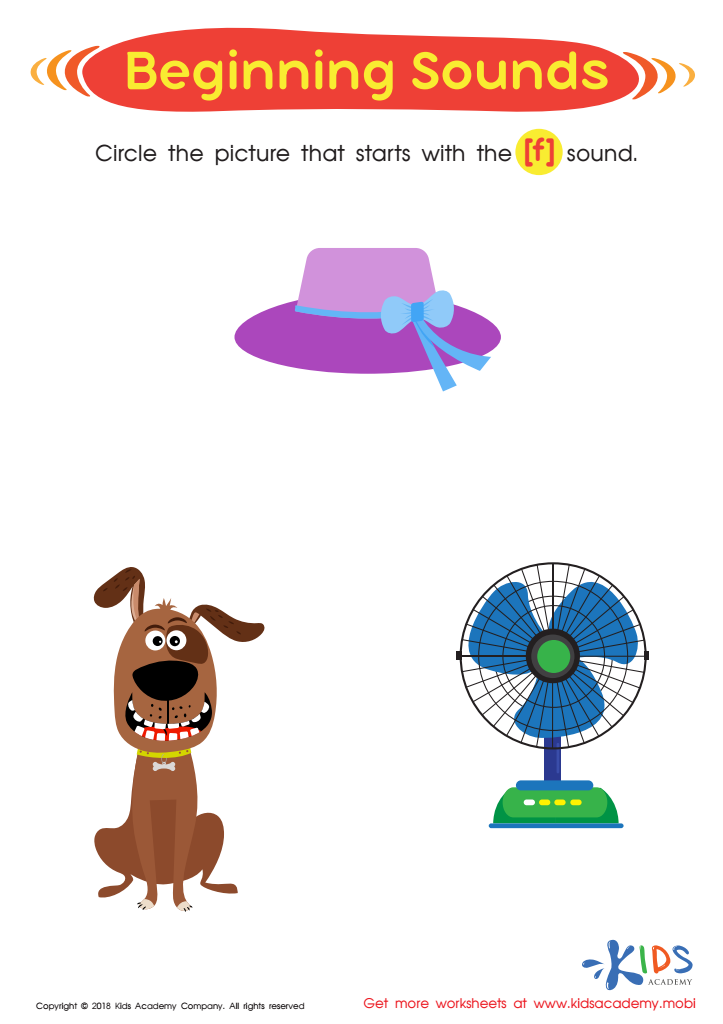
Beginning Sounds Assessment Printable
 Assign to My Students
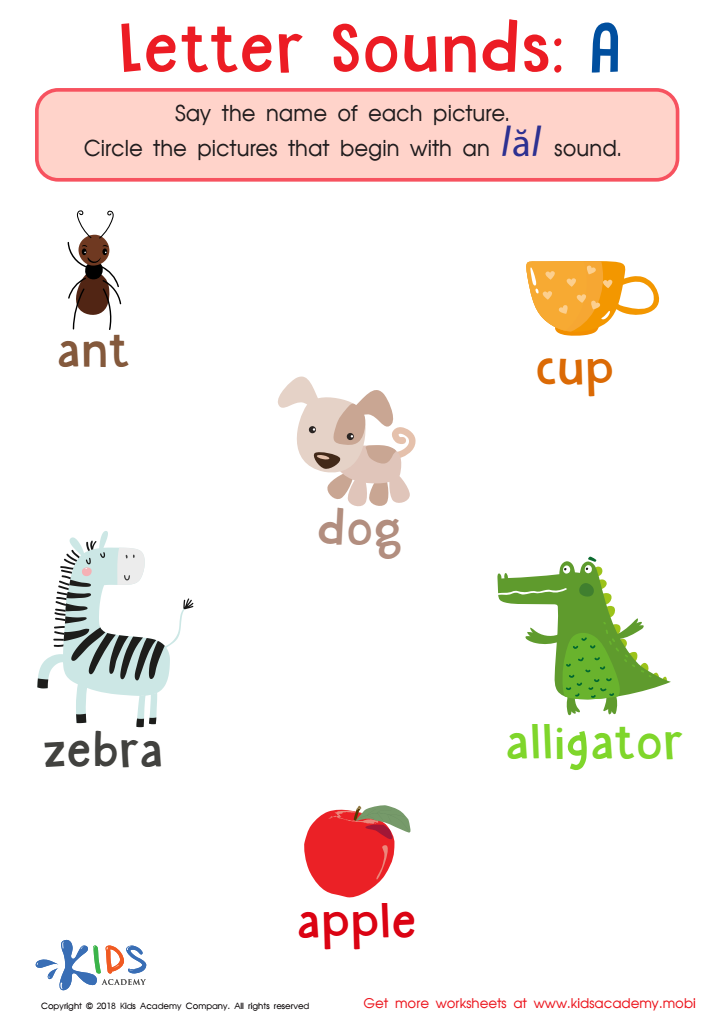
Letter A Sounds Worksheet
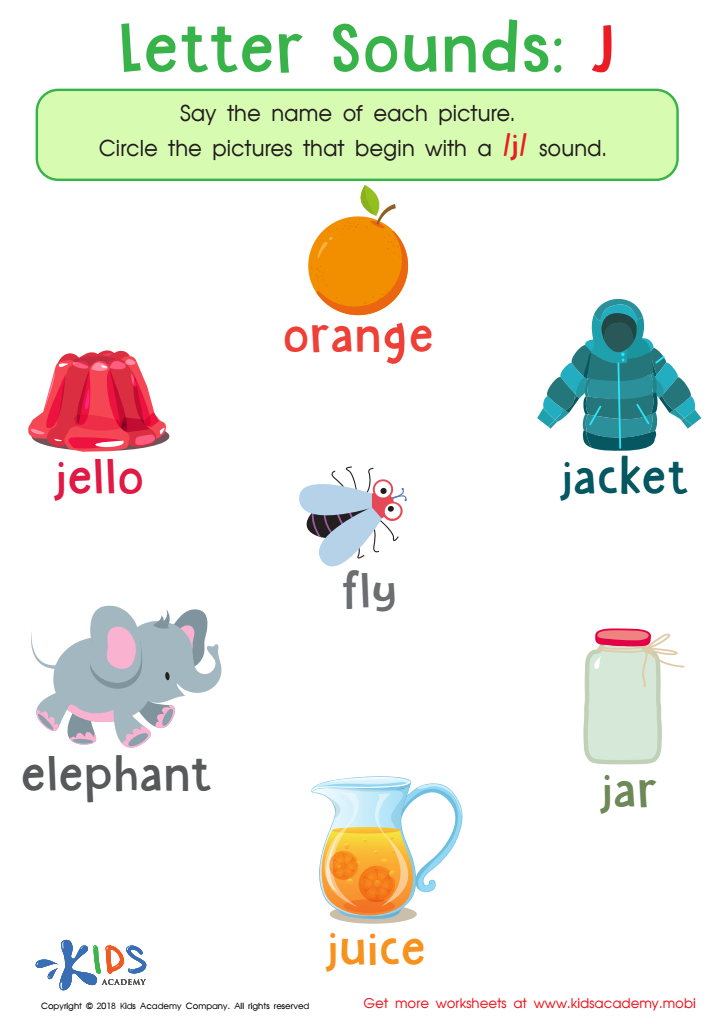
Letter Sounds: J Printable Worksheet
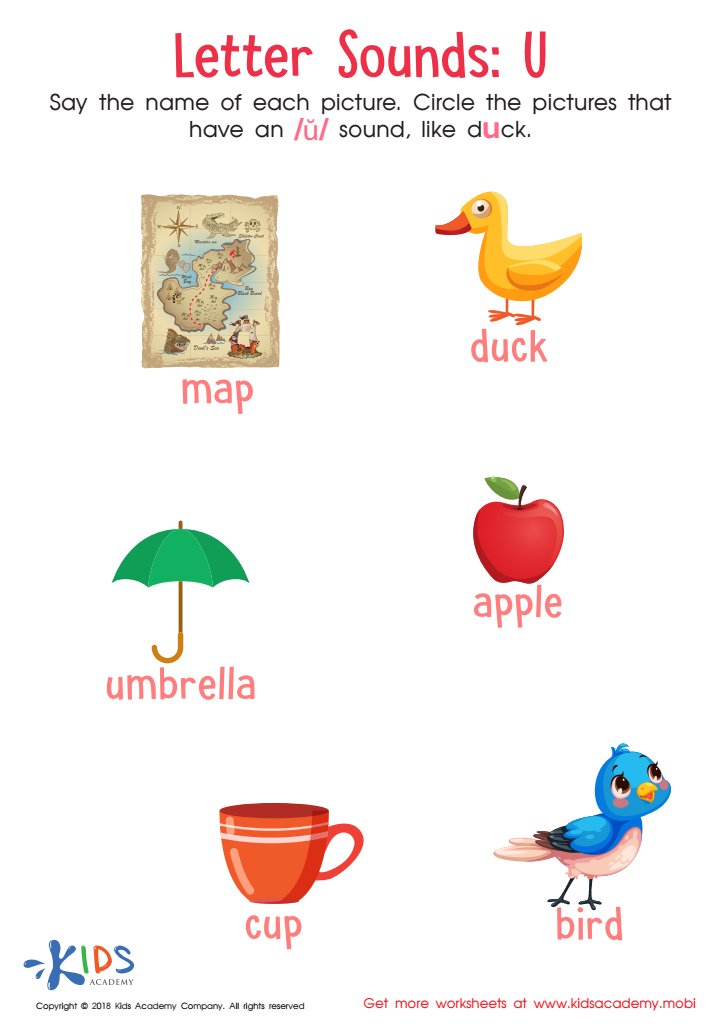
Letter U Sounds Worksheet
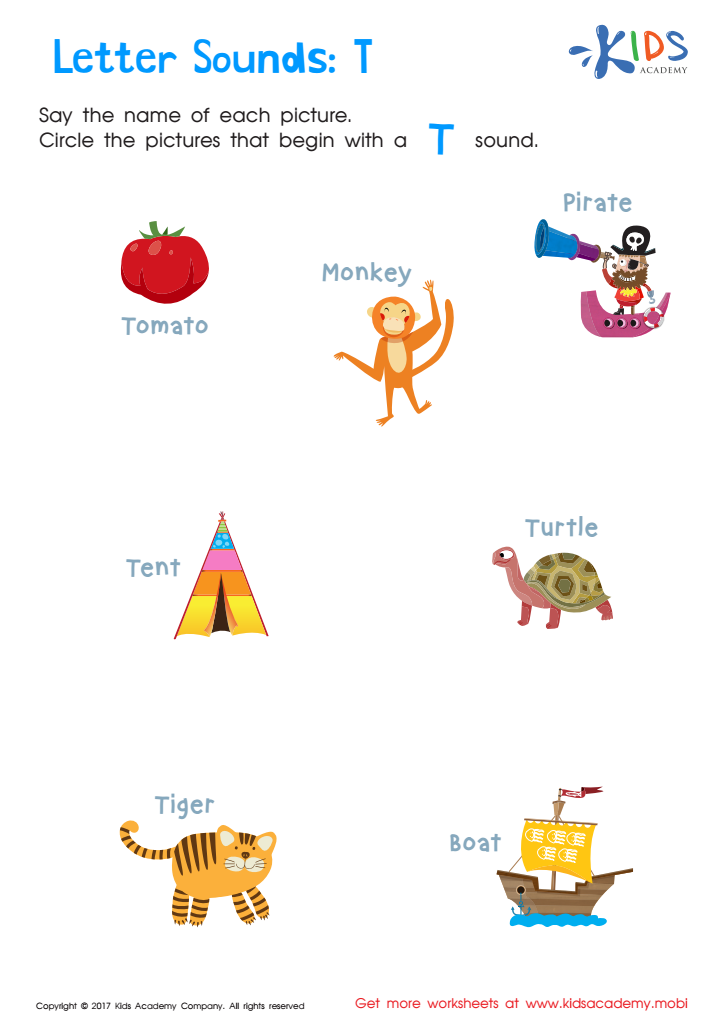
Letter T Sounds Worksheet
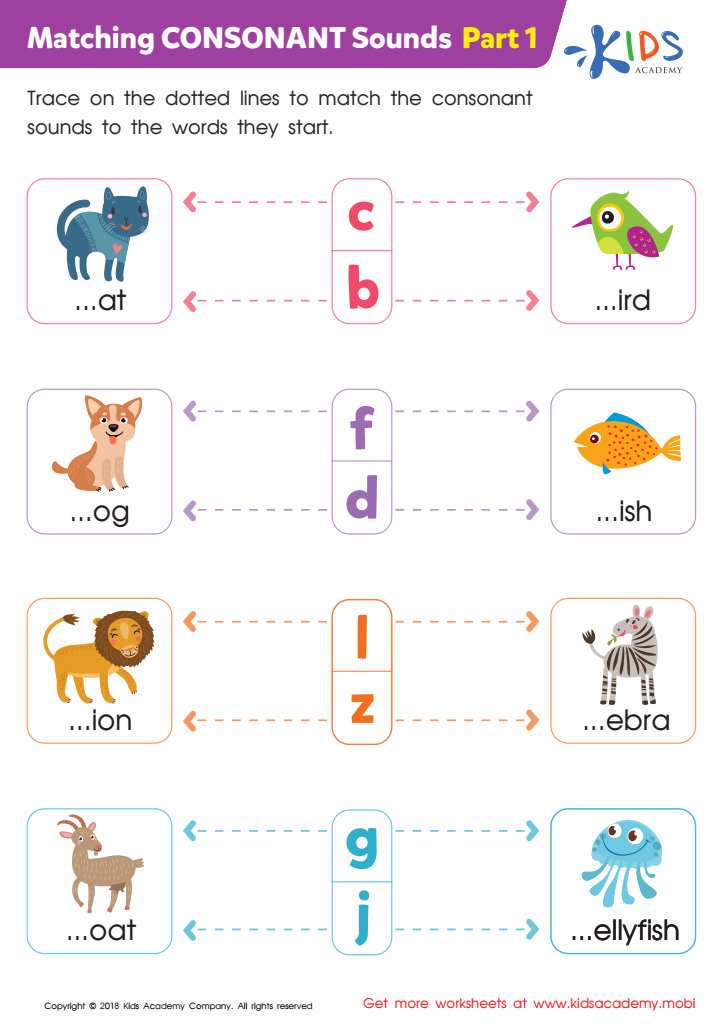
Matching Consonant Sounds: Part 1 Worksheet








Understanding letter-sound correlation is crucial for 4-year-olds as it lays the foundation for reading and writing skills. At this stage, children are at the cusp of language development, and recognizing that letters correspond to specific sounds helps them make sense of written language. This foundational skill promotes phonemic awareness, which is essential for decoding words.
Parents and teachers play a vital role in this learning process. Engaging children in activities that emphasize letter-sound relationships—like singing alphabet songs, identifying letters in their environment, or interactive reading—can enhance their phonics knowledge. When children grasp this correlation, they gain confidence in their ability to read, fostering a love for literacy which is critical for academic success.
Moreover, understanding letter-sound correlations directly influences a child’s ability to spell and write, making effective communication possible. As these young learners progress, strong phonemic skills will help them navigate more complex language structures with ease.
In essence, establishing a solid foundation in letter-sound correlation cultivates early literacy, boosts self-esteem, and equips children with essential skills for lifelong learning. Consequently, investing time and effort in this area is imperative for both parents and educators.







