Sound identification Alphabet Worksheets for 4-Year-Olds
5 filtered results
-
From - To
Discover our "Sound Identification Alphabet Worksheets" designed specifically for 4-year-olds! These engaging worksheets help young learners connect letters with their corresponding sounds, a foundational skill for reading. Packed with fun and colorful activities, children will enjoy identifying sounds in words, reinforcing both phonemic awareness and letter recognition. Our interactive exercises encourage exploration, enhance vocabulary, and foster critical listening skills in a playful manner. Perfect for parents and educators, these worksheets make learning the alphabet enjoyable and accessible. Give your child the gift of early literacy skills with our thoughtfully crafted resources that make sound identification a delightful adventure!
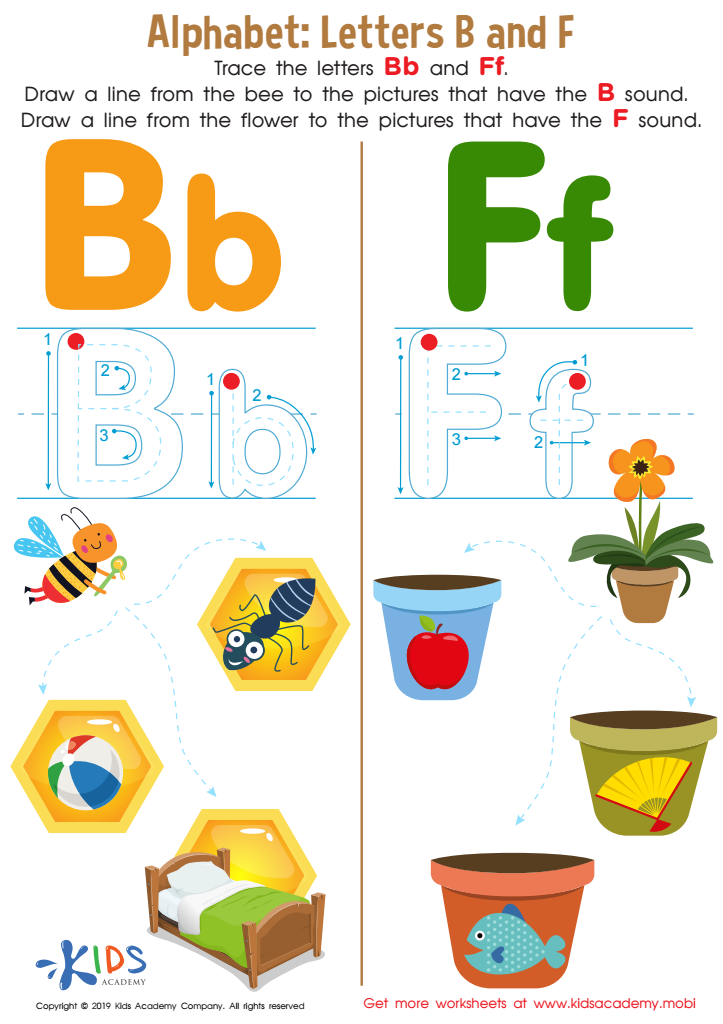
Letters B and F Tracing Worksheet
 Assign to My Students
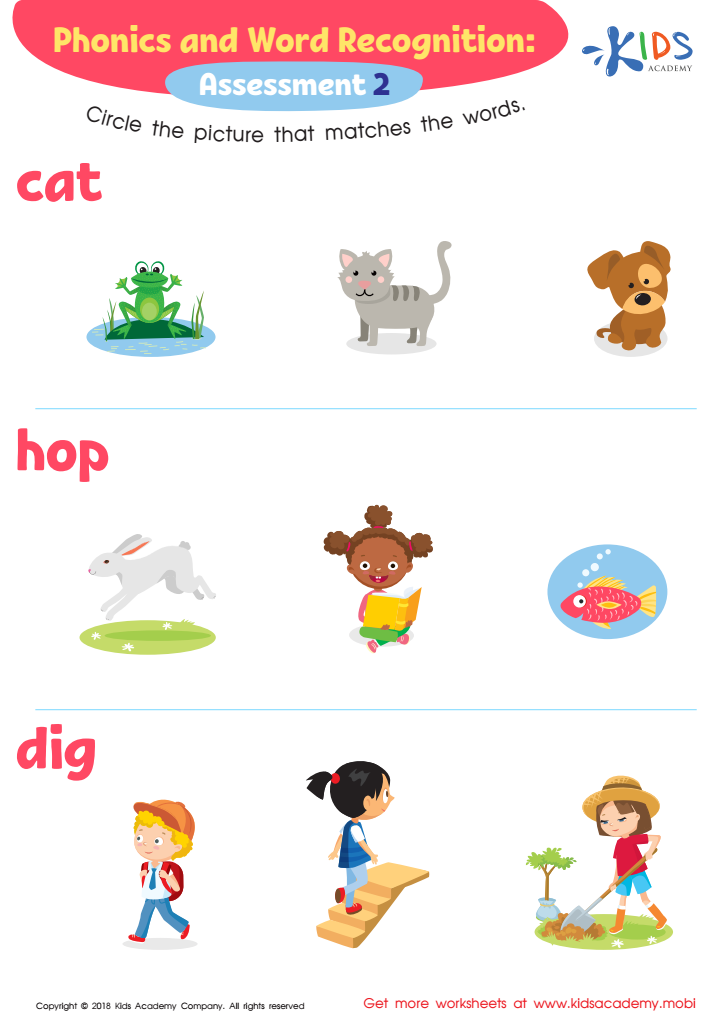
Phonological Awareness: Assessment 2 ELA Worksheet
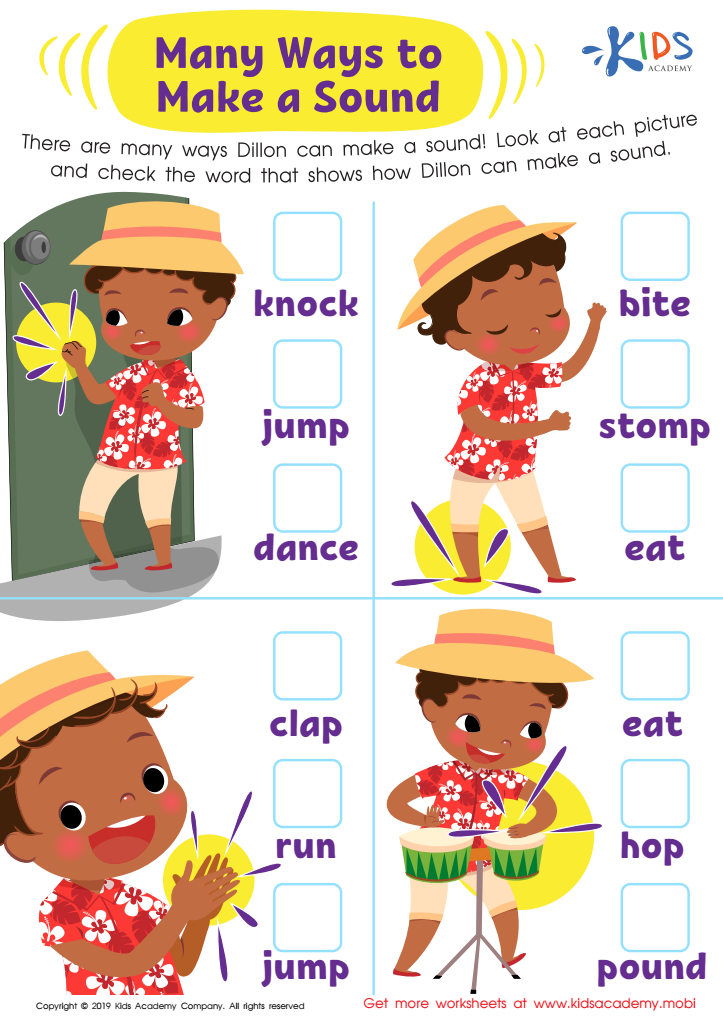
Many Ways to Make a Sound Worksheet
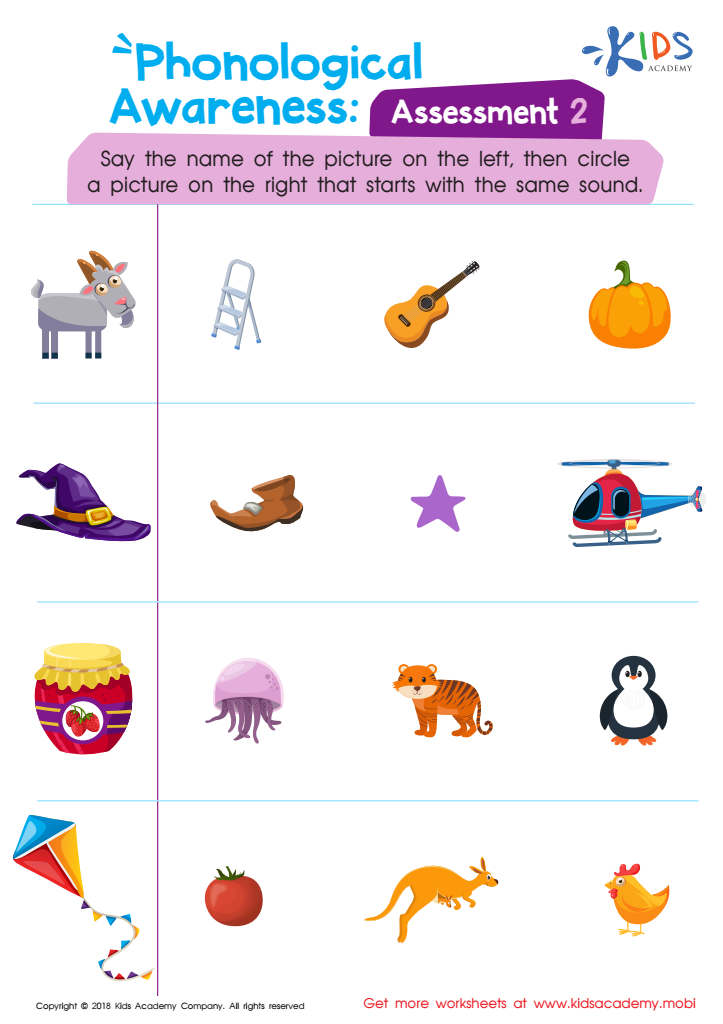
Phonological Awareness: Assessment 2 Worksheet
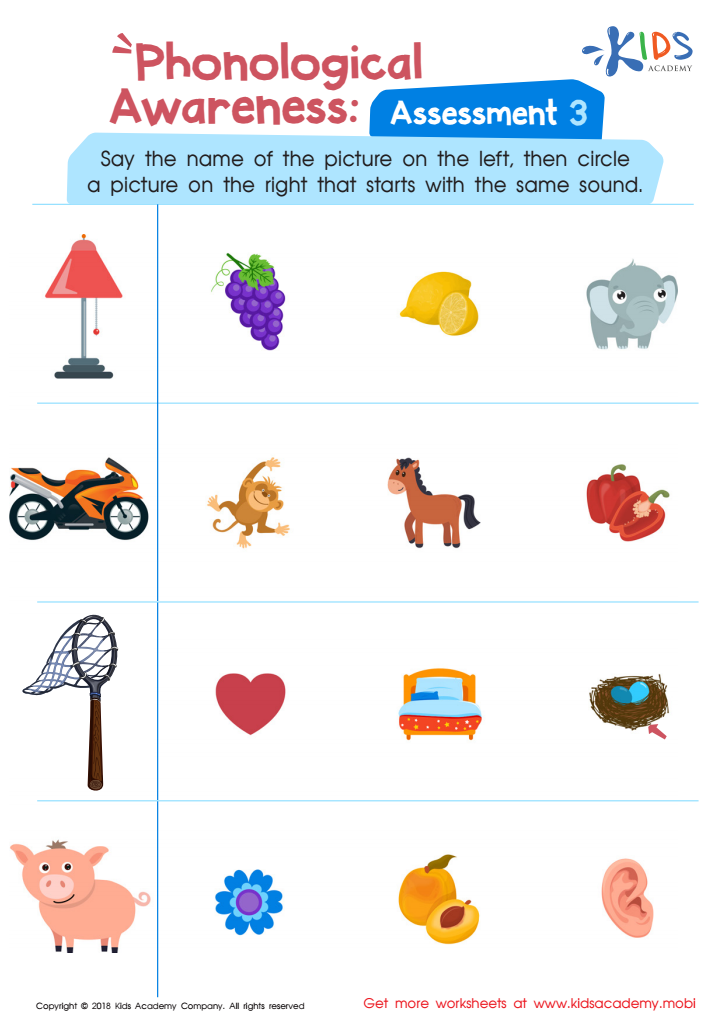
Phonological Awareness: Assessment 3 Worksheet







Sound identification, or phonemic awareness, is a crucial foundational skill for early literacy development in 4-year-olds. This stage of learning is vital as it sets the groundwork for reading and writing. When parents and teachers focus on helping children identify sounds, they are enhancing children’s ability to manipulate phonemes, which are the building blocks of language.
Understanding sound identification aids children in recognizing letters and linking them to their corresponding sounds, a skill known as decoding. This skill fosters confidence as children begin to read simple words, contributing to overall literacy competence. Additionally, when children can identify sounds, they often become more successful in spelling, as they can sound out words.
Moreover, early exposure to sound identification can positively impact academic performance, increasing engagement in reading-related activities. It lays the groundwork for vocabulary development and cross-curricular learning as children explore language in various subjects.
By prioritizing sound identification, both parents and teachers play pivotal roles in nurturing communication skills, fostering a love of reading, and projecting long-term educational success for their children. Emphasizing phonemic awareness during these formative years ensures a more cohesive and enriching learning experience.







