Sound-letter association Alphabet Worksheets for 4-Year-Olds
3 filtered results
-
From - To
Introduce your child to the world of literacy with our Sound-Letter Association Alphabet Worksheets designed for 4-year-olds! These engaging, fun activities help young learners grasp the connection between letters and their corresponding sounds. Perfect for preschoolers, each worksheet features vibrant images and interactive exercises that promote phonemic awareness. Aligning with early learning standards, our worksheets foster foundational reading skills, enhance vocabulary, and boost confidence. Ideal for parents and teachers, these printable resources offer a solid start to a lifelong love of reading. Explore our collection today and make learning fun and effective for your child!
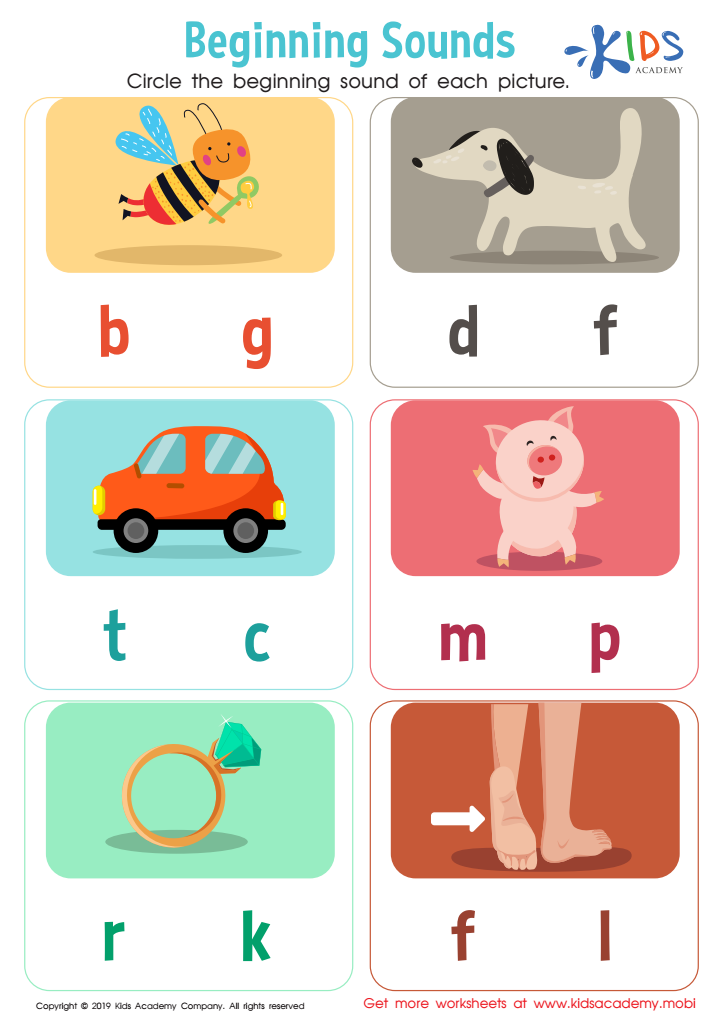
Beginning Sounds Worksheet
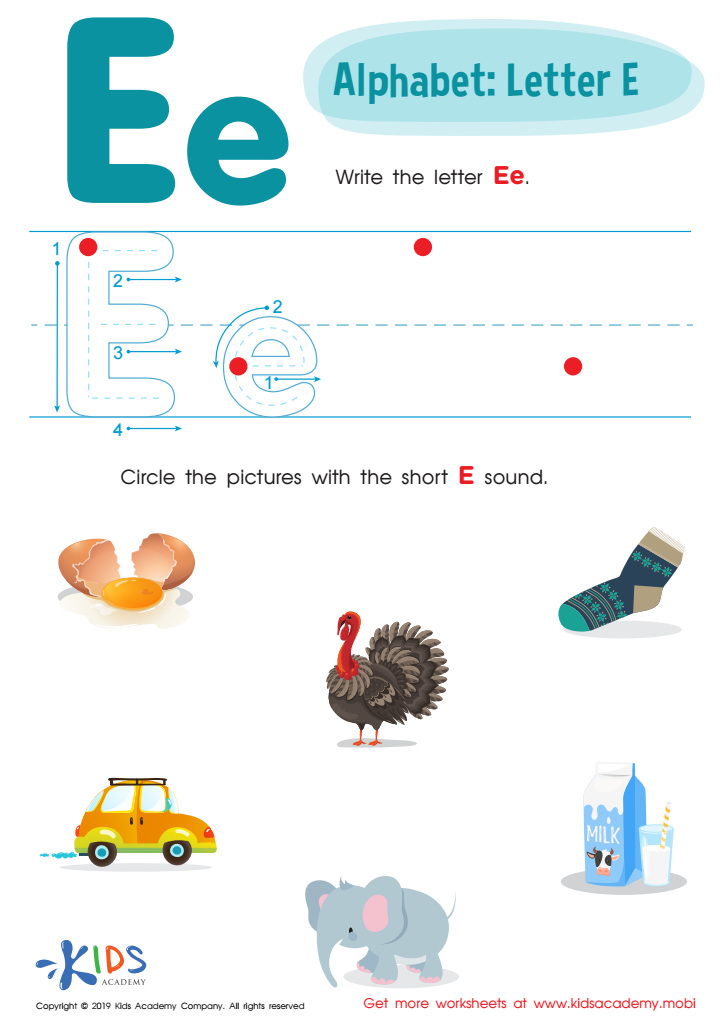
Letter E Tracing Worksheet
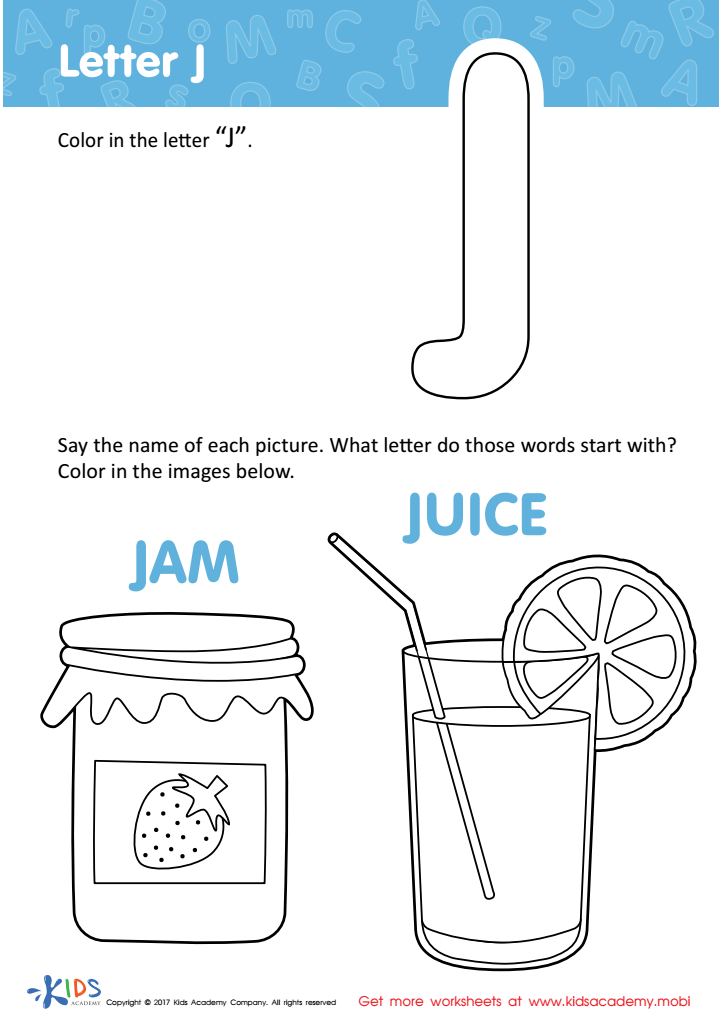
Letter J Coloring Sheet
 Assign to My Students







Sound-letter association, also known as phonemic awareness, is crucial in early literacy development for 4-year-old children. It forms the foundation for reading and writing skills. Here’s why parents and teachers should prioritize it:
-
Reading Skills: Recognizing that sounds correspond to letters enables children to decode words when reading. This skill is foundational for academic success and fosters a lifelong love of reading.
-
Spelling Abilities: Understanding sound-letter relationships guides children in learning how to spell. When children can hear a word and identify the corresponding letters, they better grasp spelling conventions.
-
Improved Communication: Sound-letter association aids in pronunciation and vocabulary building. Children become more confident in speaking, and this clear articulation supports better communication and social interactions.
-
Cognitive Development: Engaging children in activities that promote sound-letter associations enhances their cognitive abilities like memory and pattern recognition.
-
Learning Confidence: Early success in mastering these skills builds self-esteem and confidence in young learners. They feel more competent and motivated to engage in more complex learning tasks.
Investing in phonemic awareness for 4-year-olds lays the groundwork for educational achievement. Parents and teachers play a pivotal role in guiding this process, using games, songs, and hands-on activities to make learning both effective and enjoyable.







