Alphabet Recognition Letter J Worksheets for 4-Year-Olds
3 filtered results
-
From - To
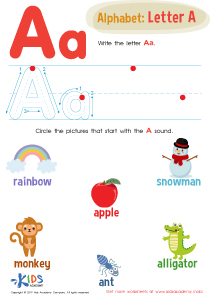
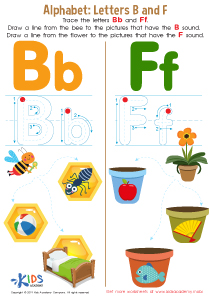
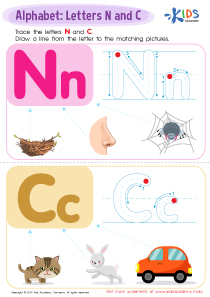
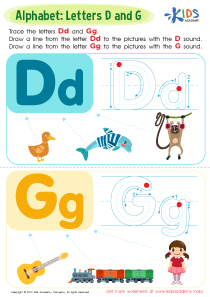
Discover the joy of learning with our "Alphabet Recognition Letter J Worksheets for 4-Year-Olds!" These engaging worksheets are designed to help preschoolers recognize, trace, and write the letter J with ease. Filled with fun activities, colorful images, and interactive exercises, each worksheet promotes fine motor skills and reinforces letter recognition. Perfect for at-home learning or classroom use, our J worksheets cater to young learners, making alphabet learning a joyous experience. Join us at Kids Academy and transform learning into an exciting adventure for your child today!
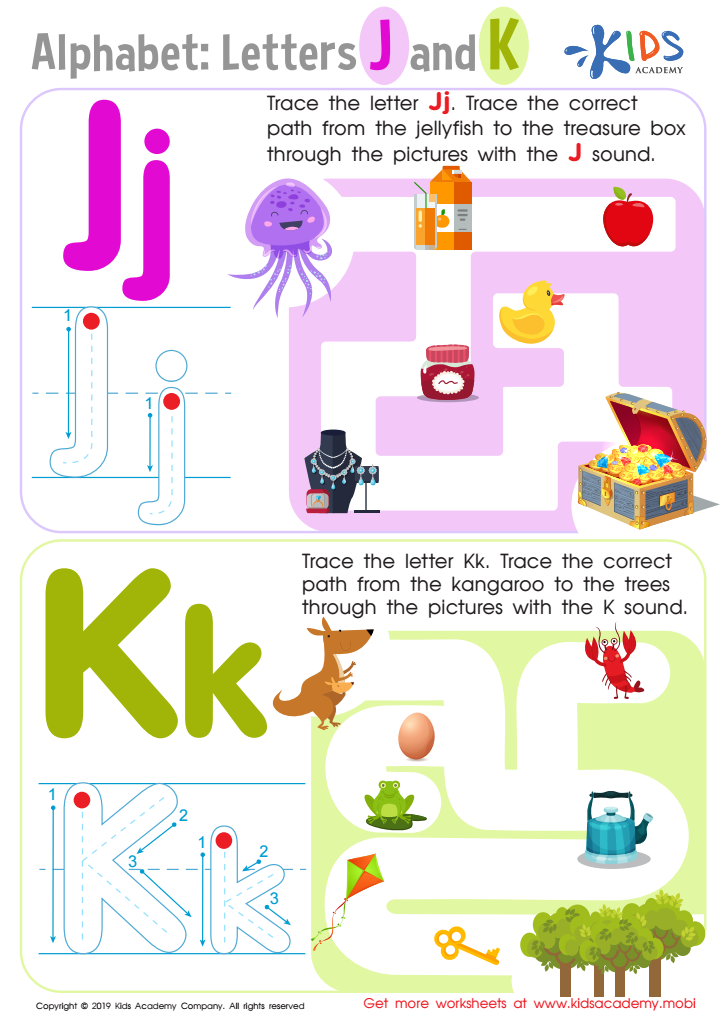
Letters J and K Tracing Worksheet
 Assign to My Students
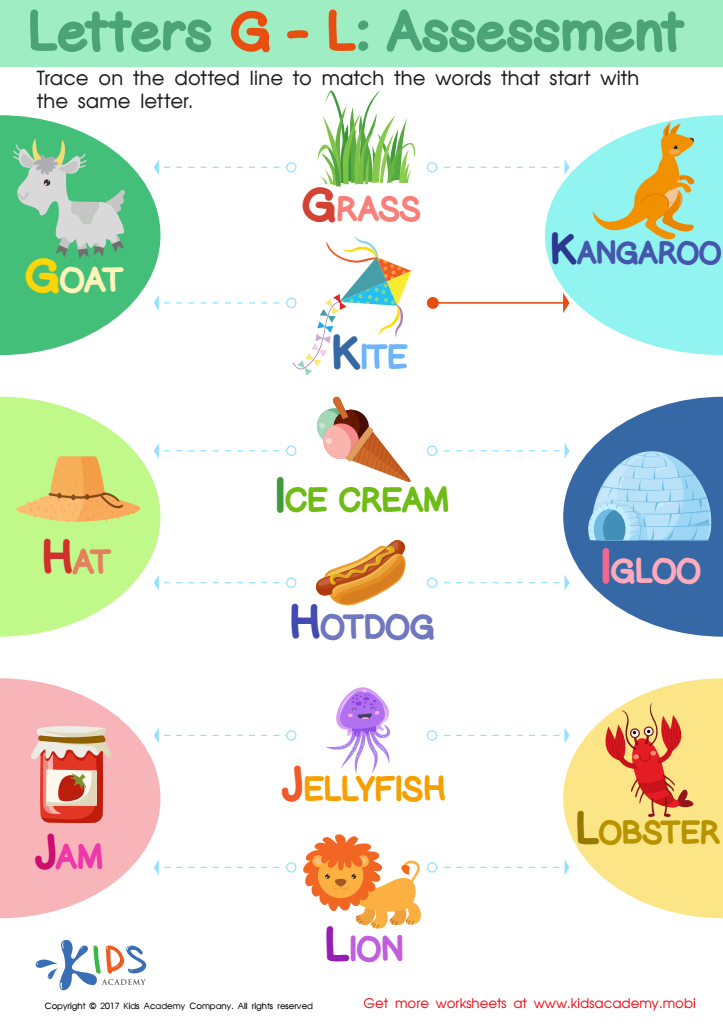
Letters G-L Worksheet
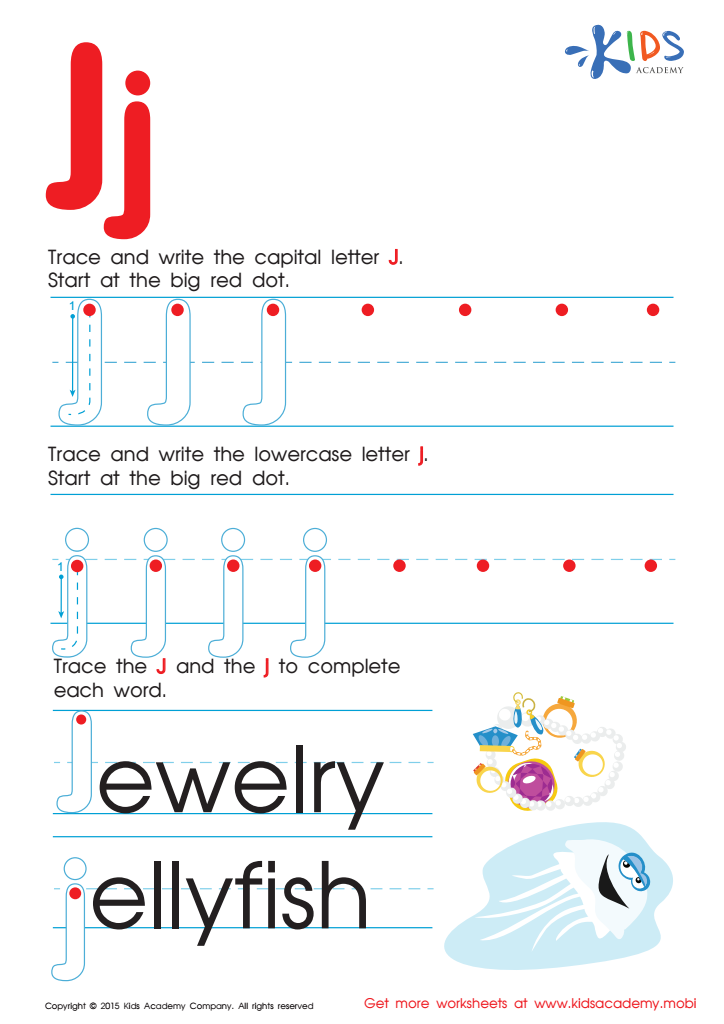
Letter J Tracing Page




Alphabet recognition, including the letter J, is crucial for 4-year-olds because it lays the foundation for their literacy development. Parents and teachers should prioritize this area for several compelling reasons. Firstly, recognizing letters, starting with familiar and commonly used ones like J, helps children understand that letters are symbols representing sounds. This auditory-visual connection is fundamental for reading.
Secondly, knowledge of letters enhances children's ability to decode words, a skill essential for early reading success. Understanding the shape, sound, and name of the letter J helps children as they encounter this letter in various words, boosting their reading confidence and accuracy.
Additionally, early alphabet recognition improves fine motor skills through activities such as tracing and writing the letter J. These practices are not only educational but also enhance hand-eye coordination and dexterity.
Furthermore, knowing letters fosters independence and confidence as children engage in everyday literacy activities. They begin recognizing familiar letters in signs, books, and labels, which feels rewarding and empowering.
Lastly, early intervention in alphabet recognition, including the letter J, can prevent future reading difficulties. Children who comfortably recognize letters typically find the transition to reading smoother and more enjoyable. Educators and parents should thus emphasize letter recognition to nurture a solid literacy foundation.