Hand-eye Coordination Letter Recognition Worksheets for 4-Year-Olds
9 filtered results
-
From - To
Boost your child's letter recognition and fine motor skills with our Hand-eye Coordination Letter Recognition Worksheets for 4-Year-Olds! Tailored specifically for preschoolers, these printable activities combine fun and learning, enhancing your child's ability to recognize letters while developing crucial hand-eye coordination. Each engaging worksheet invites young learners to trace, match, and color letters in an interactive way. Ideal for both classroom and home use, our worksheets promote early literacy and prepare children for future writing tasks. Keep your preschooler engaged and excited about learning with these expertly designed educational tools!
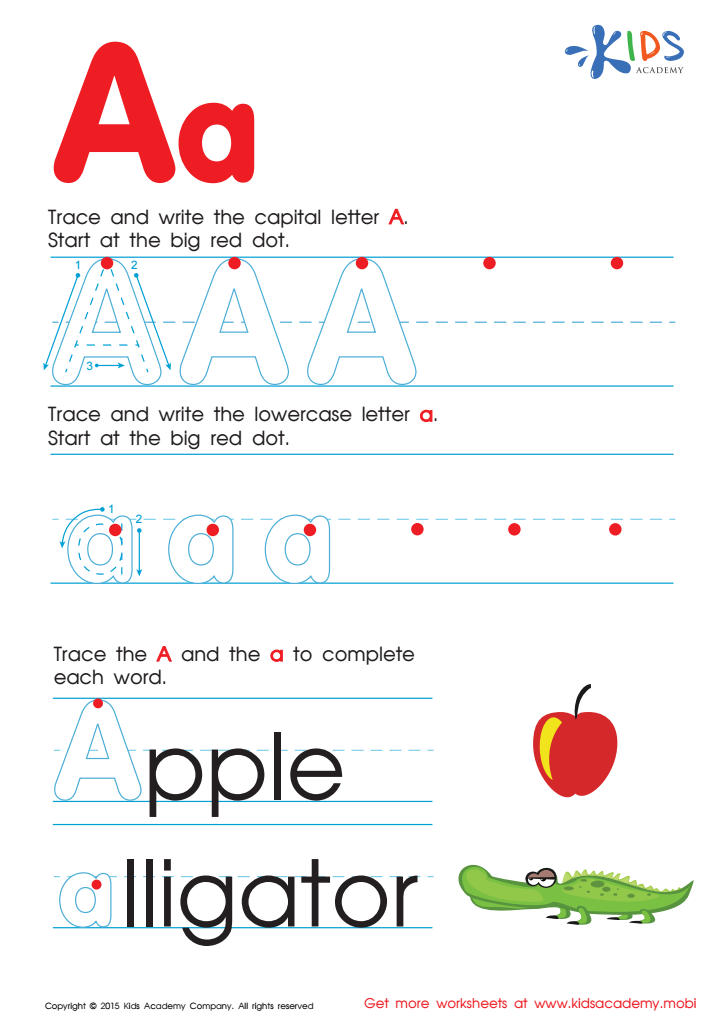
Letter A Tracing Page
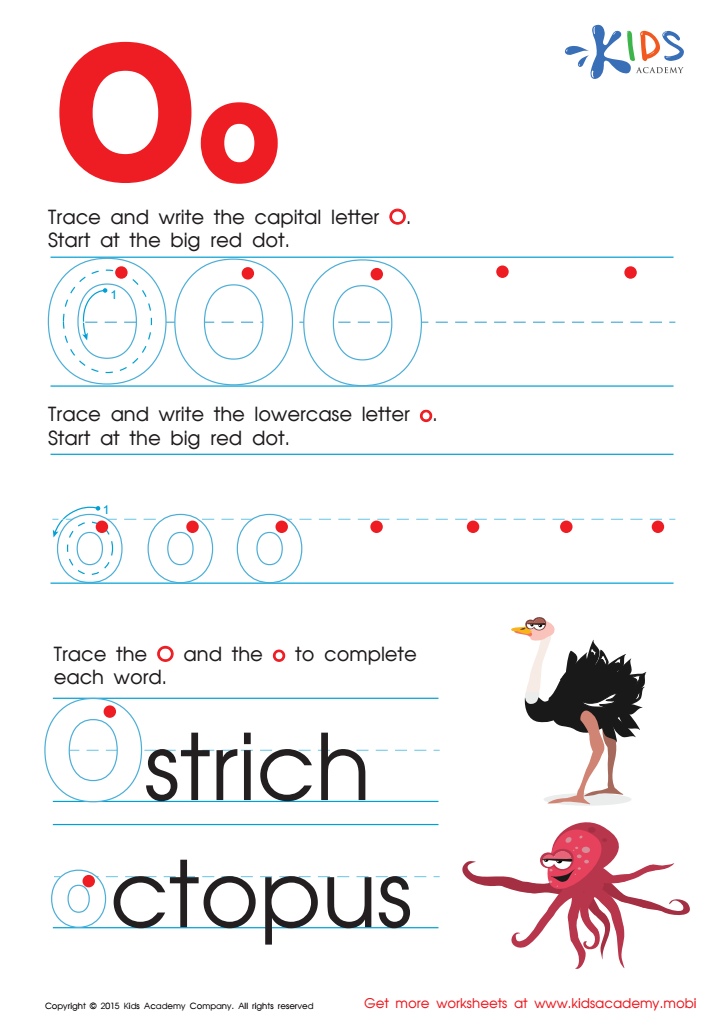
Letter O Tracing Page
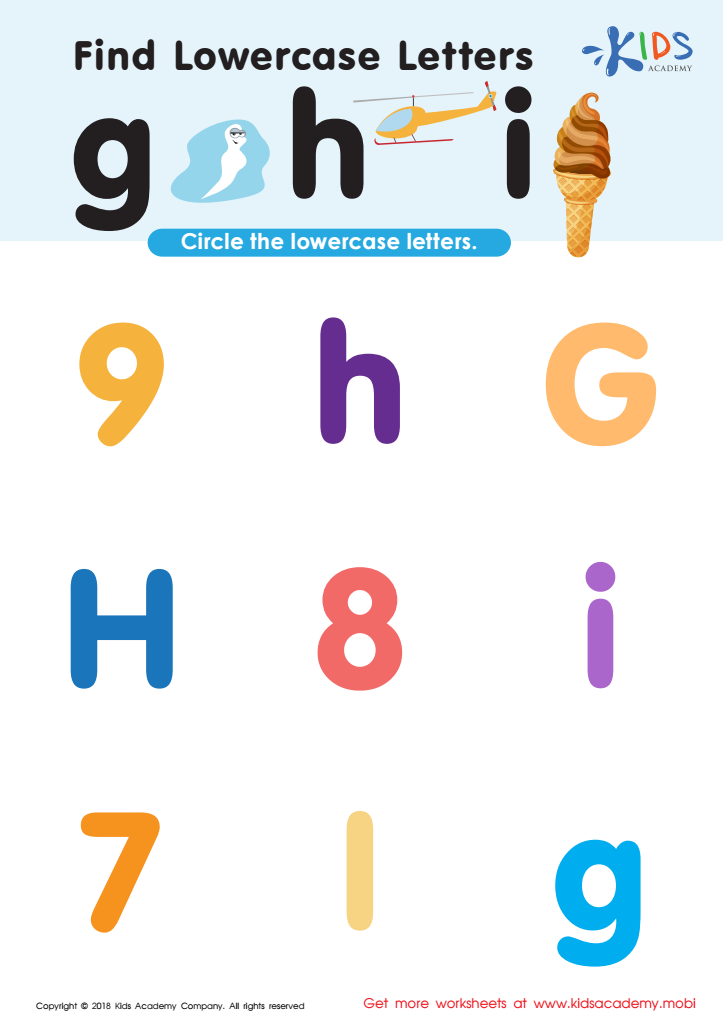
Find Lowercase Letters g h i Worksheet
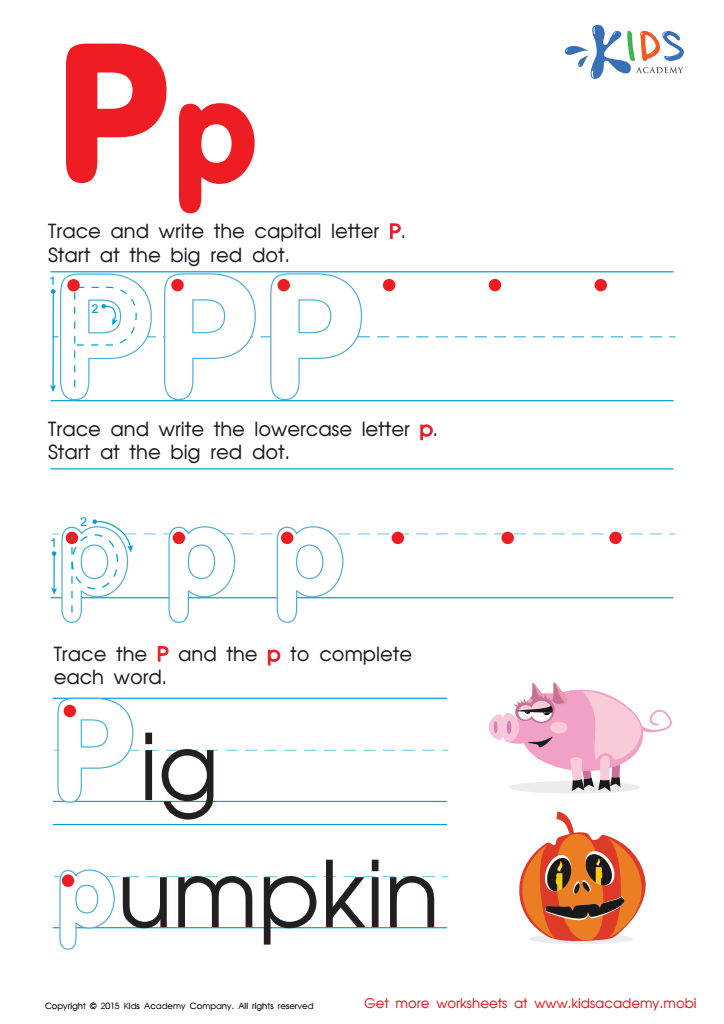
Letter P Tracing Page
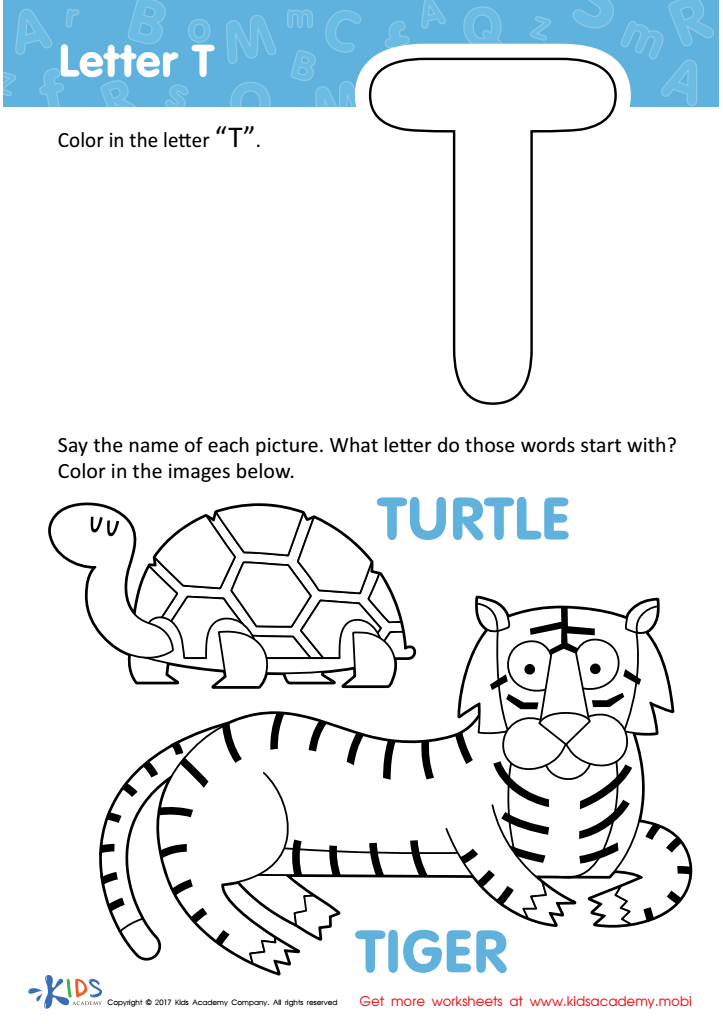
Letter T Coloring Sheet
 Assign to My Students
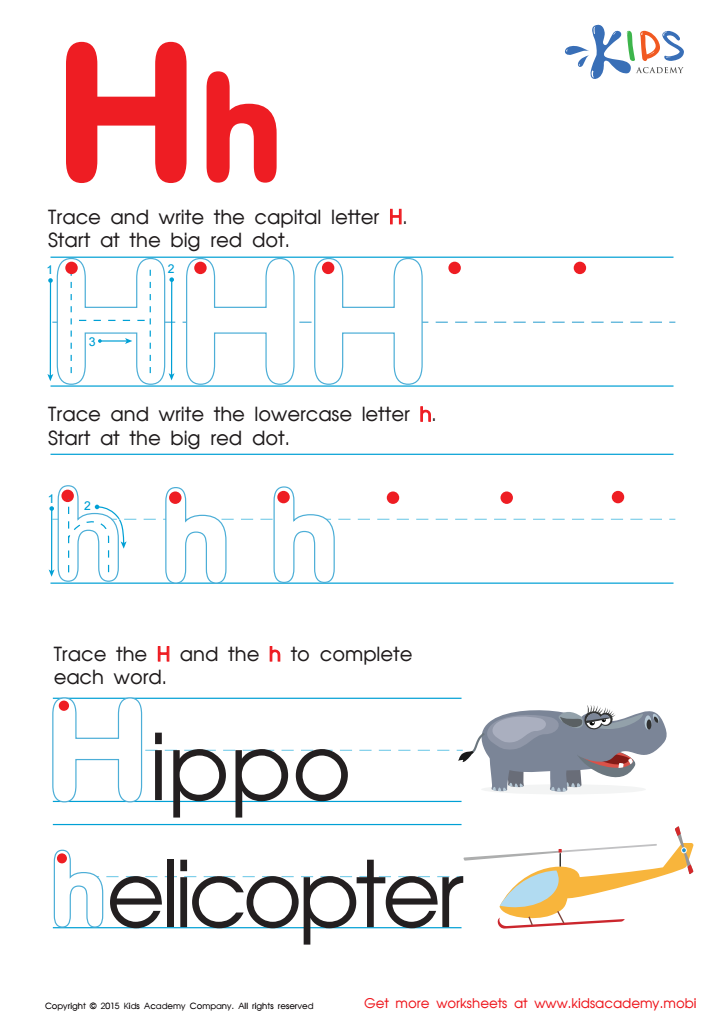
Letter H Tracing Page
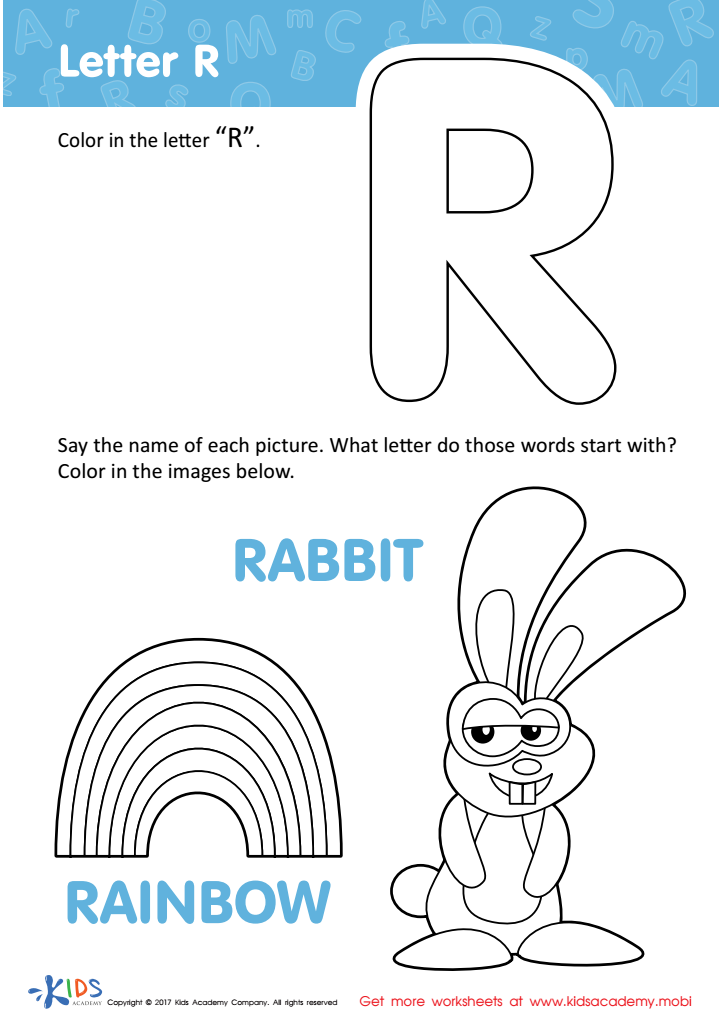
Letter R Coloring Sheet
Assign to My Students
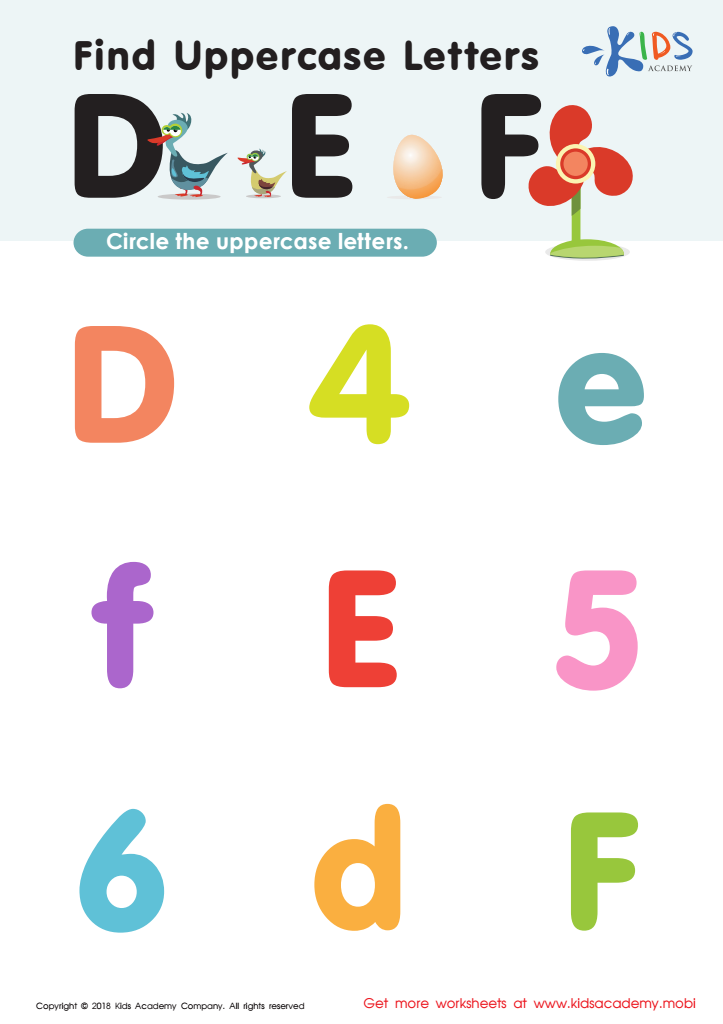
Find Uppercase Letters D, E, and F Worksheet
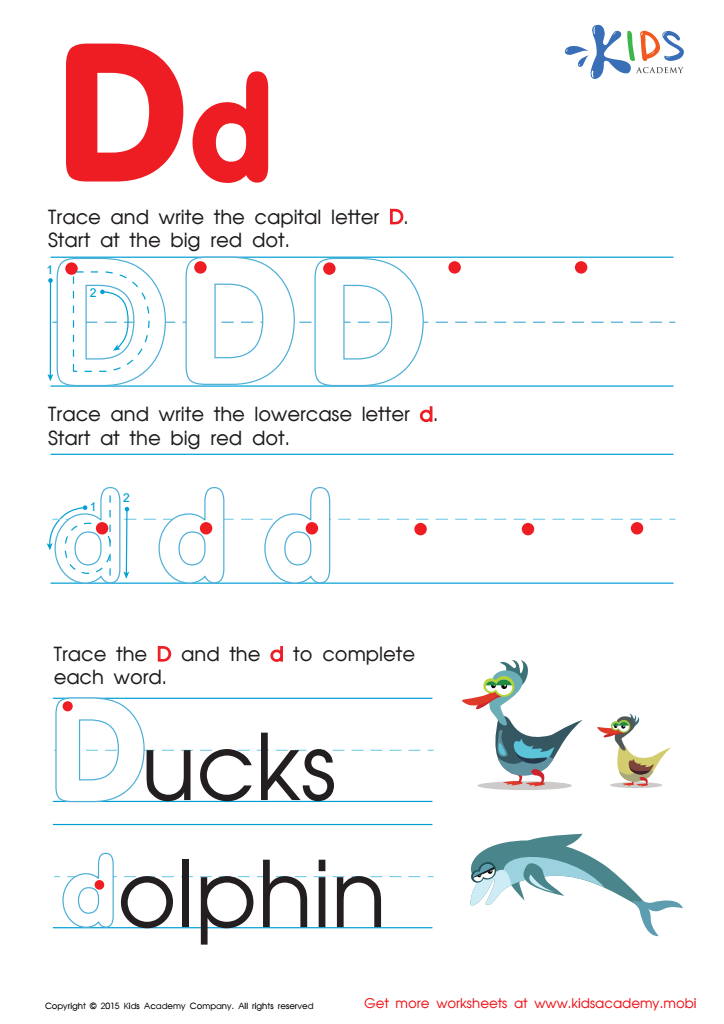
Letter D Tracing Page








Hand-eye coordination and letter recognition are fundamental skills that pave the way for a child's academic and developmental success, particularly at the age of four. Hand-eye coordination is vital for tasks such as writing, drawing, and playing sports. It helps children control their hand movements in line with what their eyes perceive, essential for activities like coloring within lines, cutting shapes, or drawing letters. This coordination supports fine motor skills development, preparing children for more complex tasks in school.
Letter recognition is the ability to identify and name the letters of the alphabet, and it's a precursor to reading and writing. At four, children's brains are highly receptive to learning new concepts; identifying letters lays the groundwork for future literacy. Recognizing letters enables children to understand that words are made of individual visual symbols and sounds, crucial for phonics and reading comprehension.
Combining these skills strengthens cognitive development as well. Children who practice hand-eye coordination while recognizing letters—such as tracing letters—reinforce neural pathways connecting visual input with motor skills. This integrated approach leads to smoother transitions into formal education, boosting confidence, focus, and enjoyment in learning. Therefore, both parents and teachers should invest time in activities that nurture these skills, as they are critical building blocks for a child's successful educational journey.







