Handwriting practice Letter Recognition Worksheets for 4-Year-Olds - Page 2
40 filtered results
-
From - To
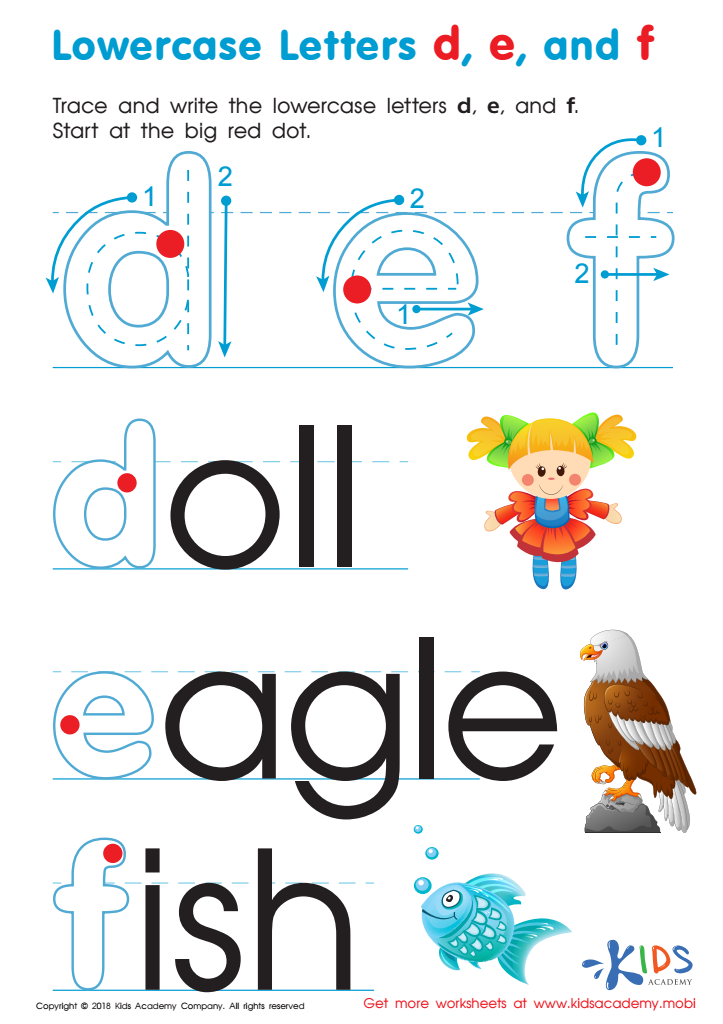
Lowercase Letters d e f Worksheet
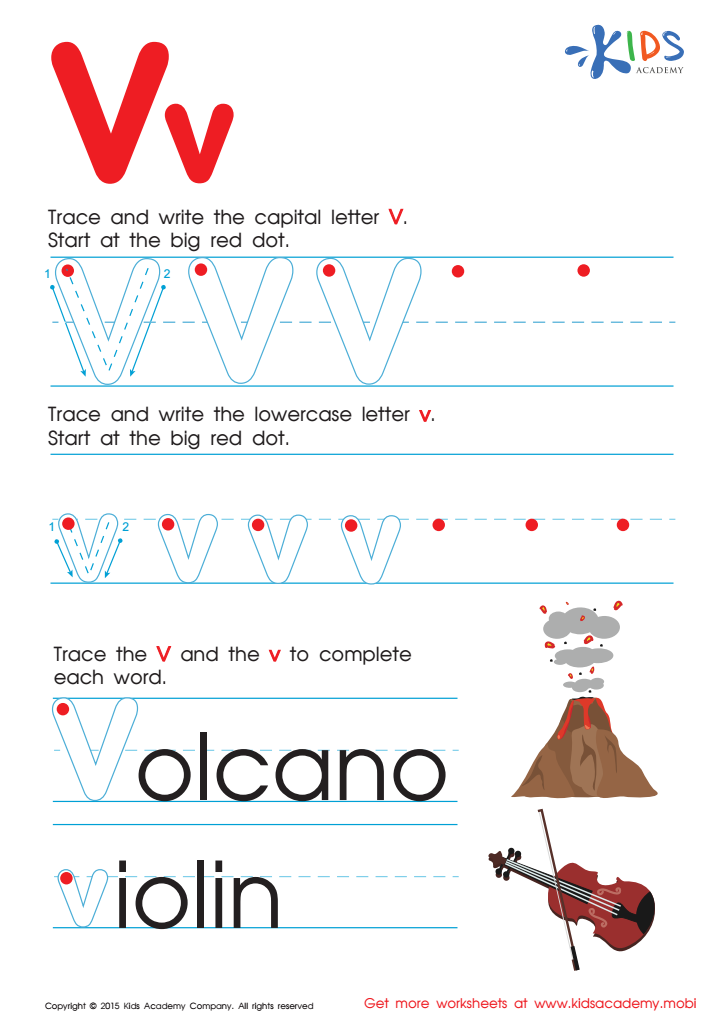
Letter V Tracing Page
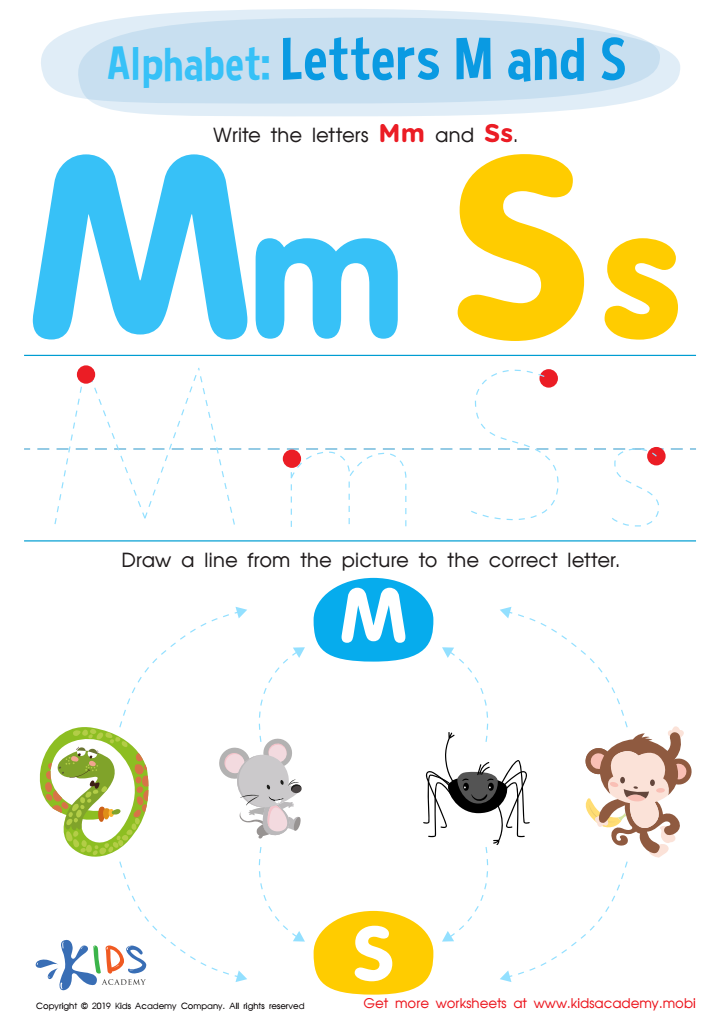
Letters M and S Tracing Worksheet
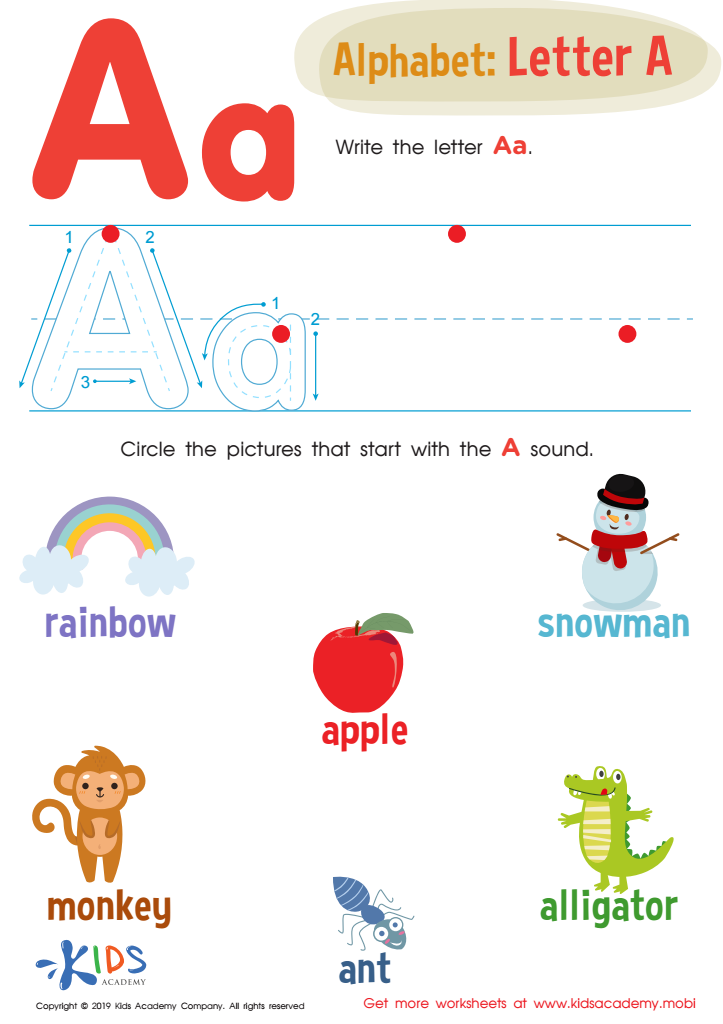
Letter A Tracing Worksheet
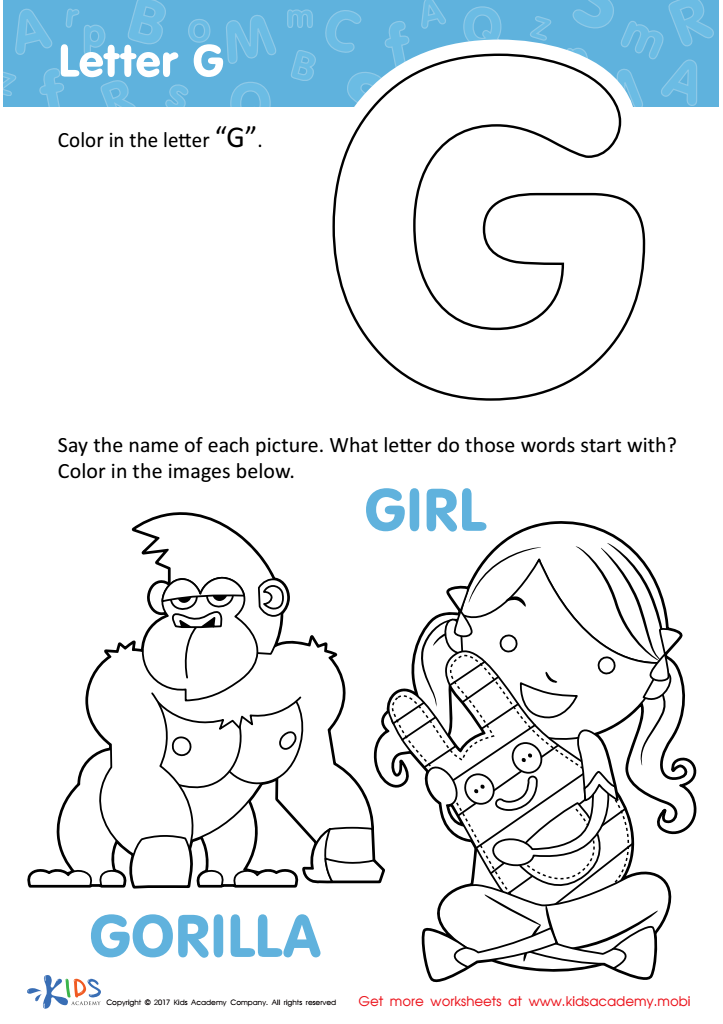
Letter G Coloring Sheet
 Assign to My Students
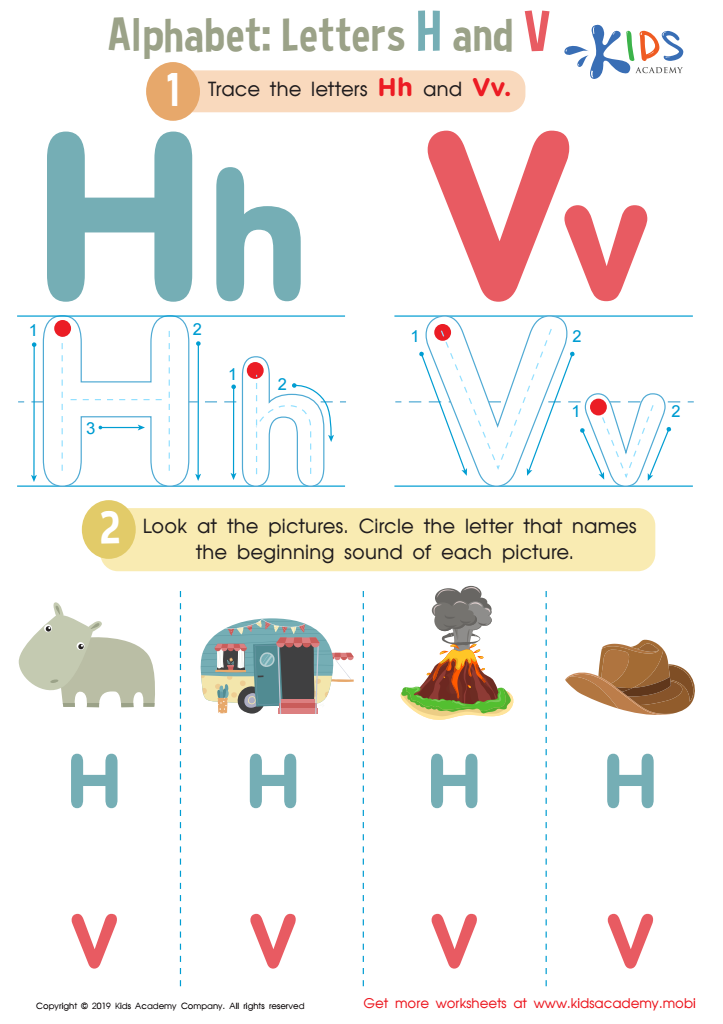
Letters H and V Tracing Worksheet
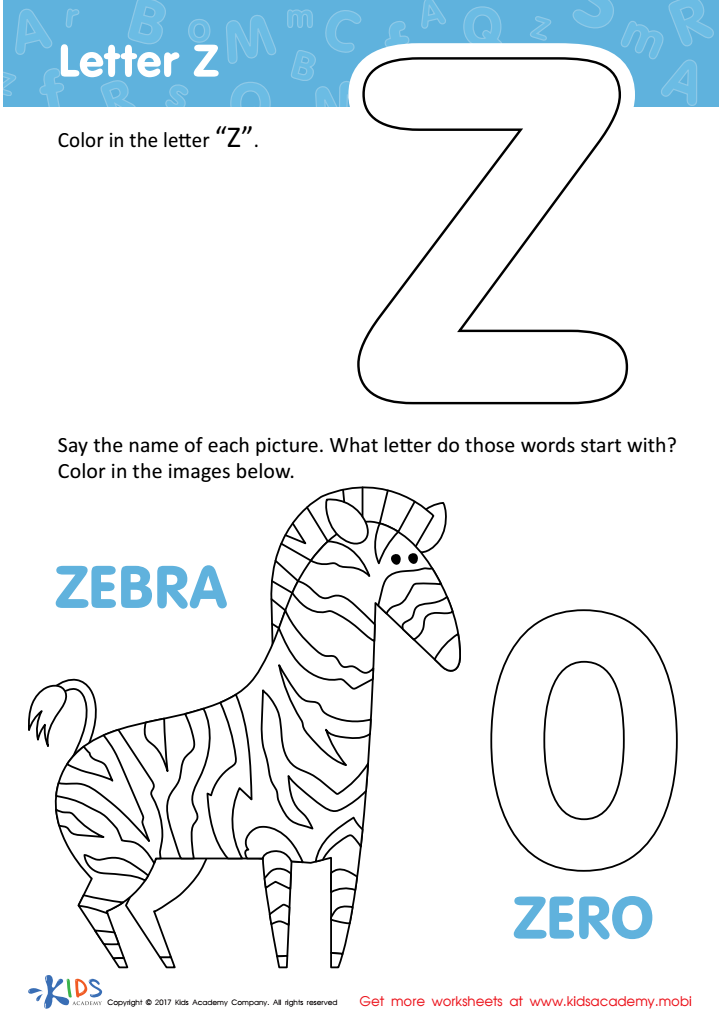
Letter Z Coloring Sheet
Assign to My Students
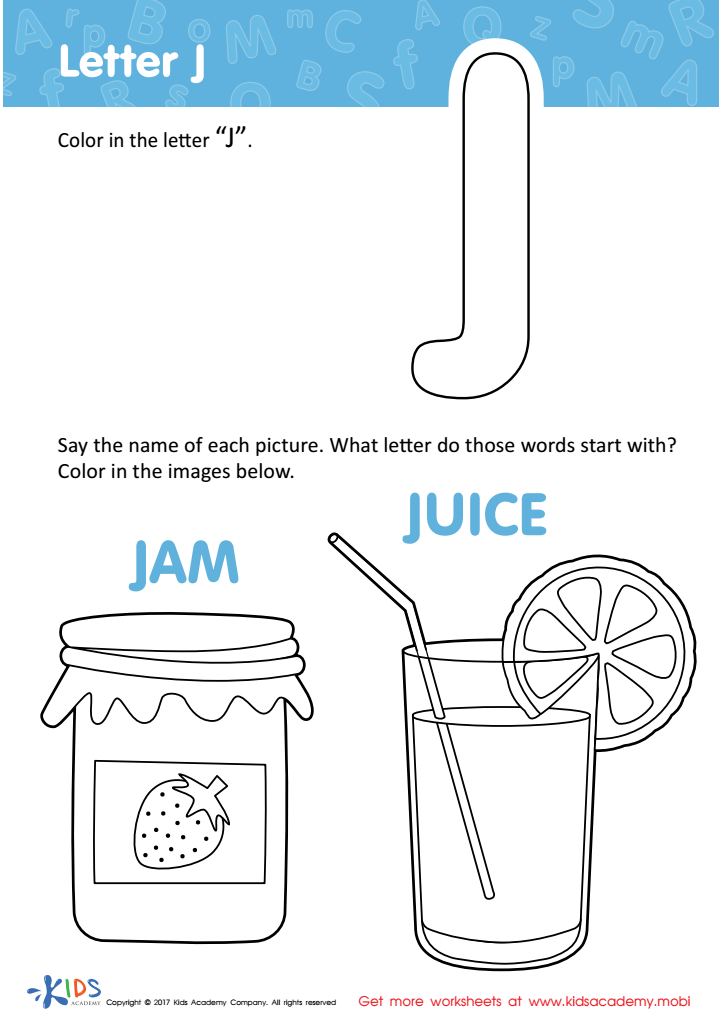
Letter J Coloring Sheet
Assign to My Students
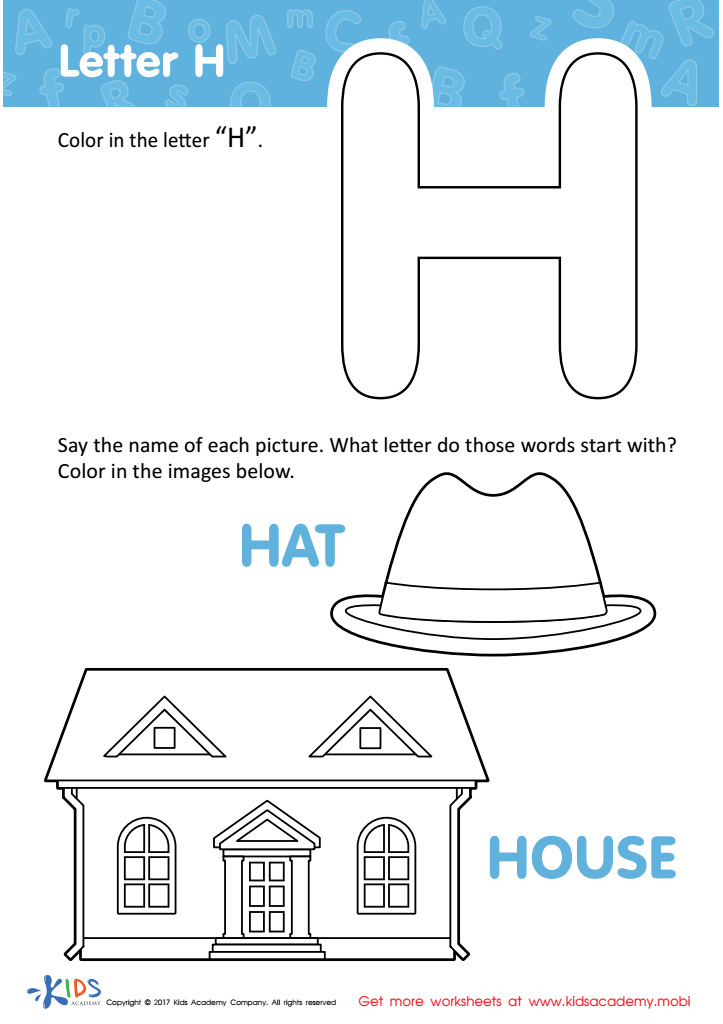
Letter H Coloring Sheet
Assign to My Students
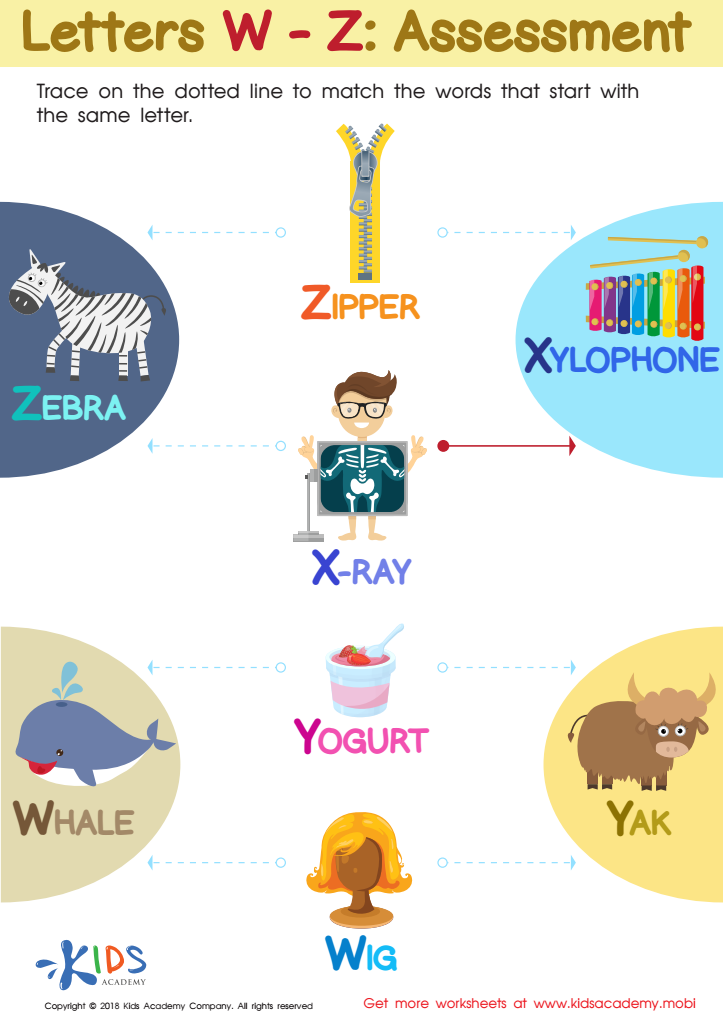
Letters W–Z Tracing Worksheet
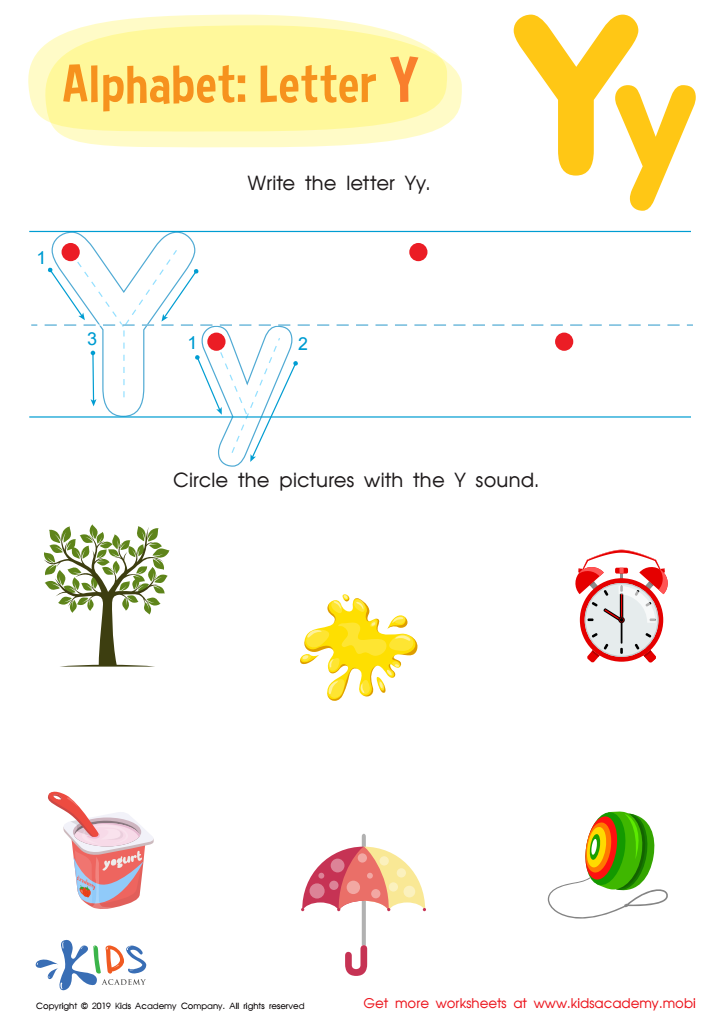
Letter Y Tracing Worksheet
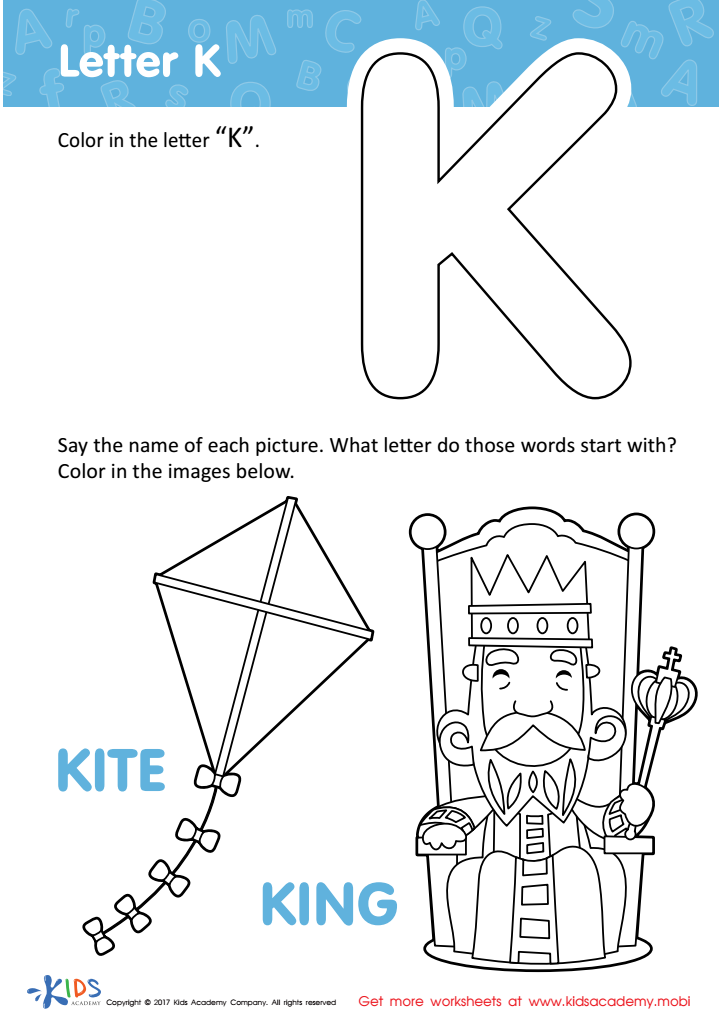
Letter K Coloring Sheet
Assign to My Students
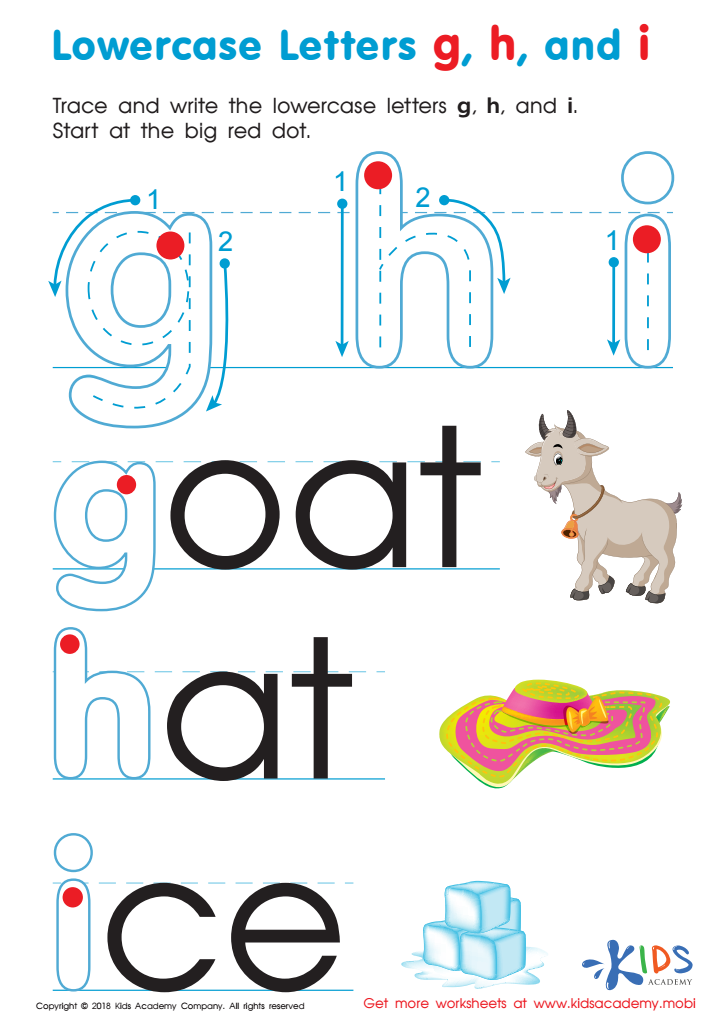
Lowercase Letters g h i Worksheet
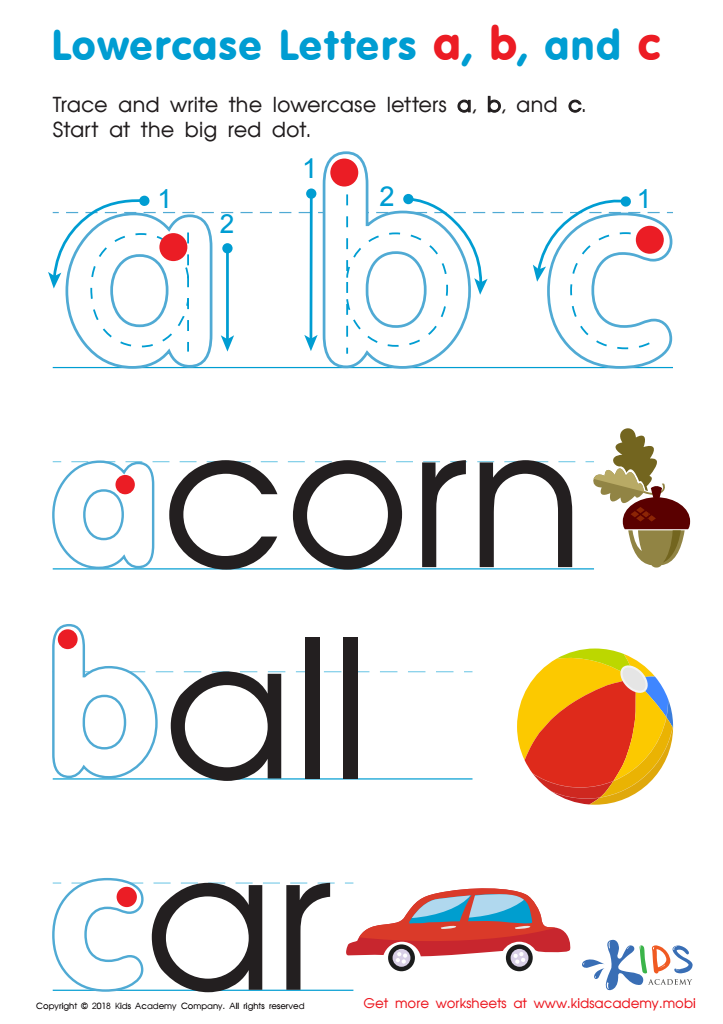
Lowercase Letters a b c Worksheet
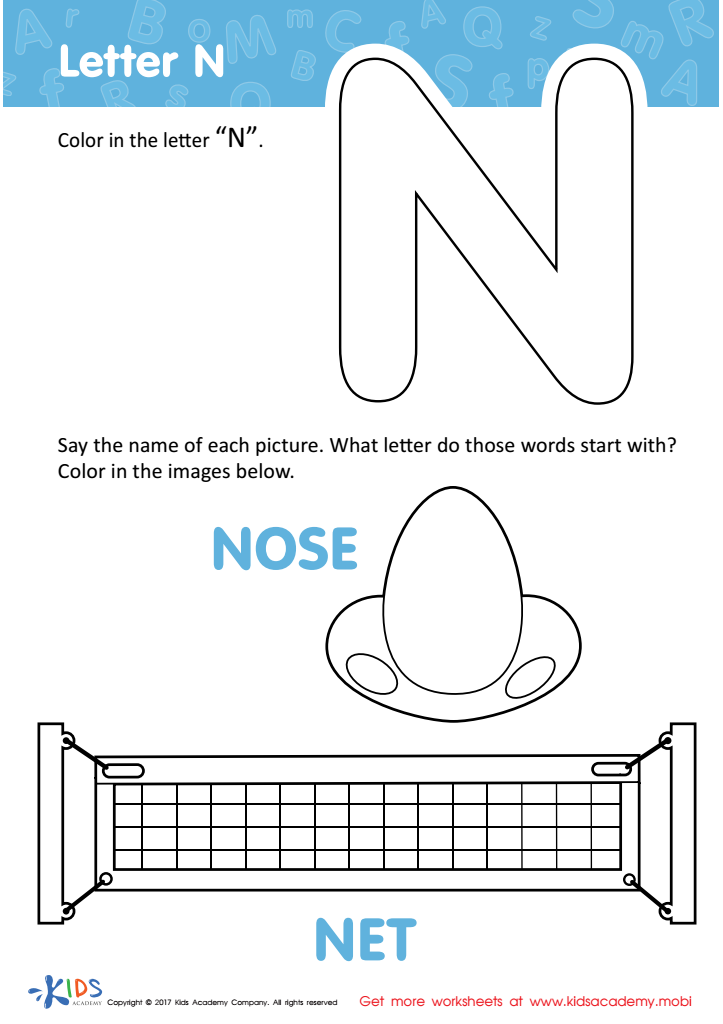
Letter N Coloring Sheet
Assign to My Students

Uppercase Letters V, W, and X Worksheet








Handwriting practice and letter recognition are crucial components of early literacy for 4-year-olds. At this age, children are expanding their cognitive abilities and starting to make connections between spoken language and written words. By focusing on handwriting and letter recognition, parents and teachers help children develop fine motor skills, crucial for writing and other tasks later in life.
Letter recognition lays the foundation for reading. When children learn to identify letters and their sounds, they begin to decode words, fostering their reading ability. Handwriting practice reinforces this learning, allowing young learners to associate the shapes of letters with their sounds. As they practice, they develop not only their motor skills but also confidence in their ability to write and express themselves.
Furthermore, consistent engagement in handwriting activities can improve a child’s concentration and patience. It encourages creativity, as children experiment with different ways to form letters. Parents and teachers who prioritize these skills are actively supporting educational milestones that lead to successful future learning. Ultimately, promoting handwriting and letter recognition in early childhood sets children on the path to becoming proficient readers and writers, ensuring they have the tools to thrive academically and personally.







