Handwriting practice Phonics Worksheets for 4-Year-Olds
5 filtered results
-
From - To
Enhance your 4-year-old's handwriting skills with our engaging phonics worksheets! Designed specifically for early learners, these printable resources seamlessly combine the fundamentals of phonics and writing practice. Each worksheet focuses on individual letters and sounds, promoting phonemic awareness while encouraging proper letter formation. Engaging illustrations and fun activities keep your child motivated and excited about learning. Perfect for at-home practice or supplemental classroom activities, our handwriting worksheets offer essential support for young learners as they develop key literacy skills. Help your child build confidence in their handwriting abilities while laying a strong foundation for reading success! Unlock their potential today!
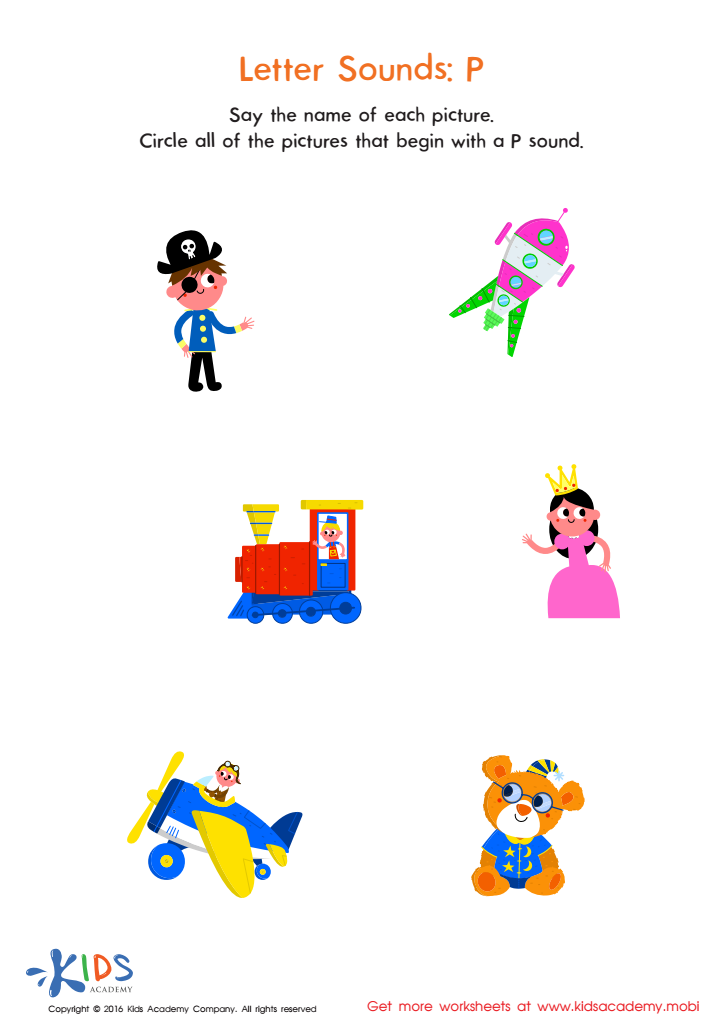
Letter P Sound Worksheet
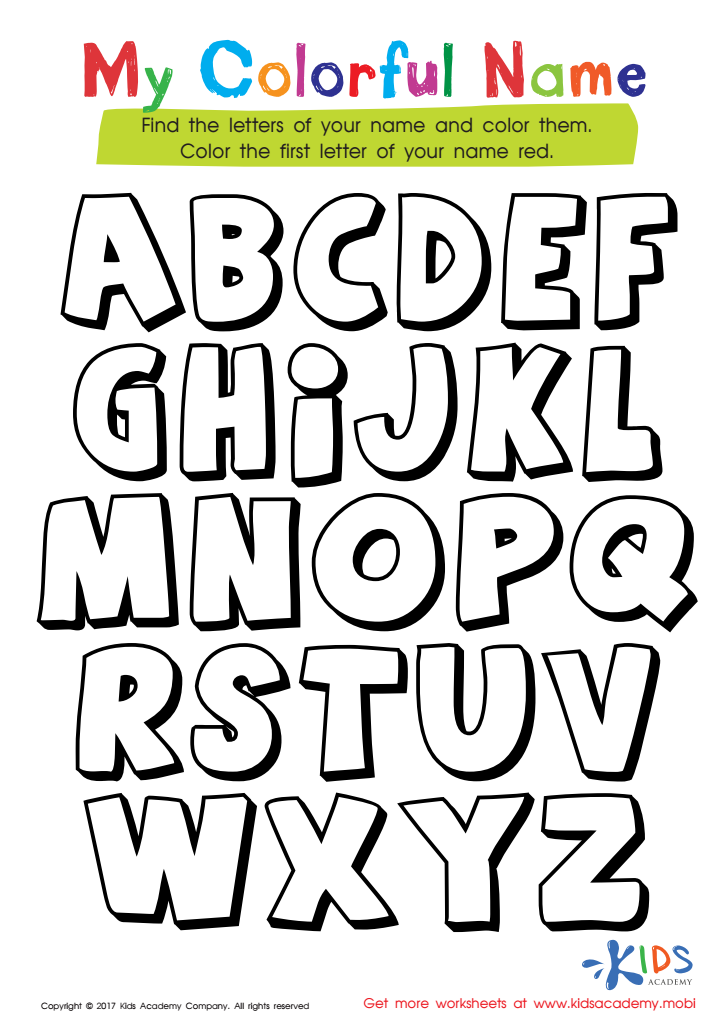
My Colorful Name Worksheet
 Assign to My Students
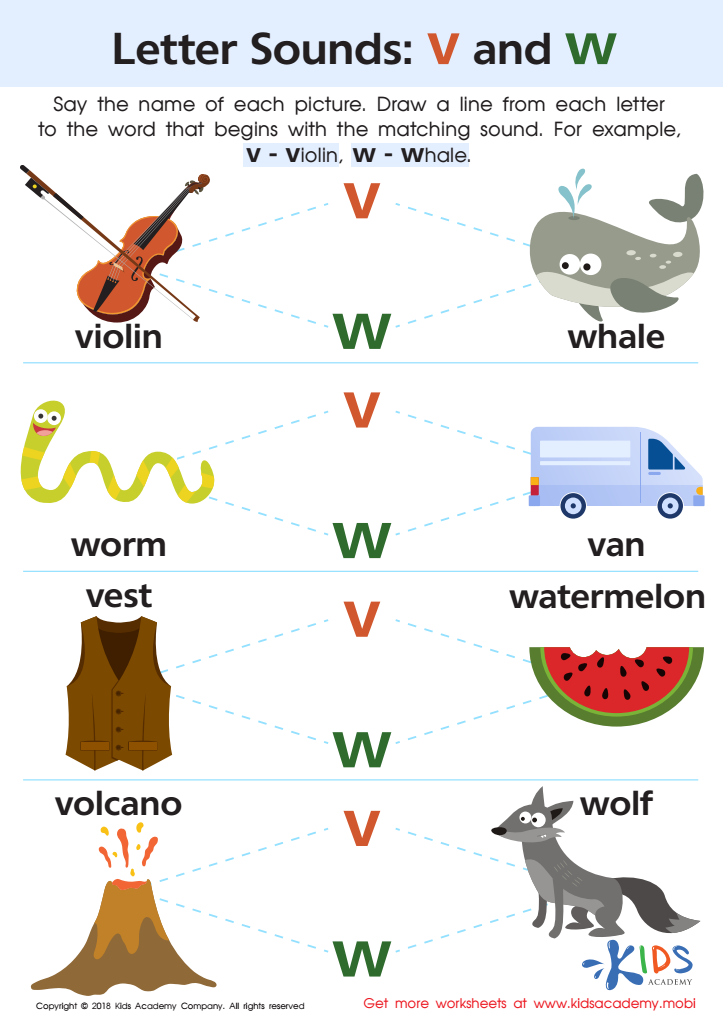
Letter V and W Sounds Worksheet
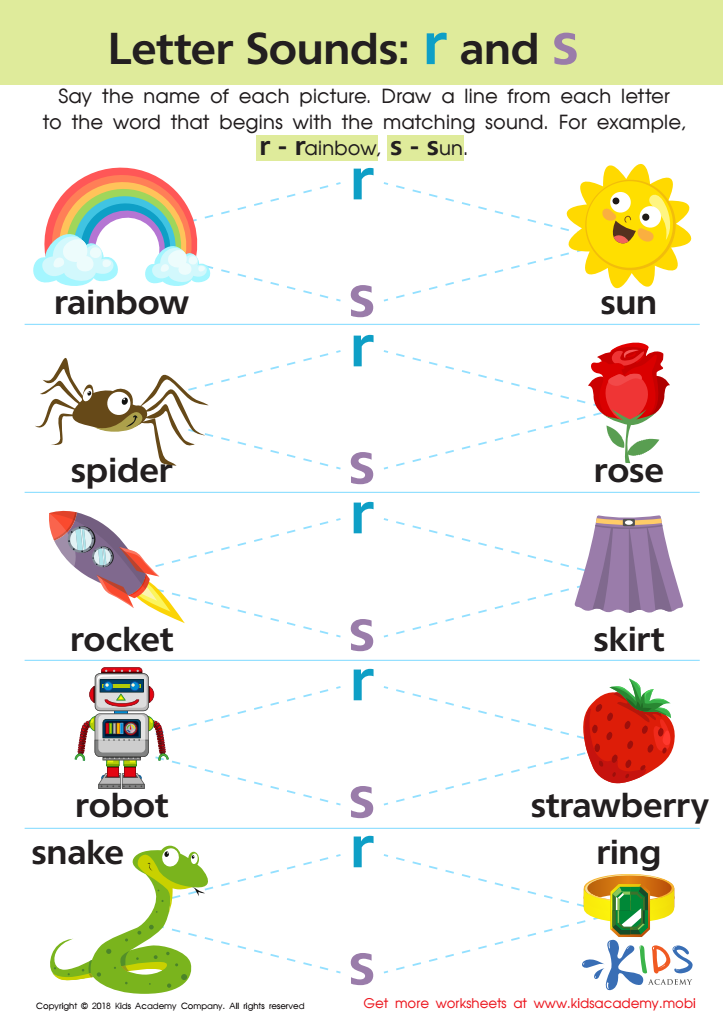
Letter R and S Sounds Worksheet
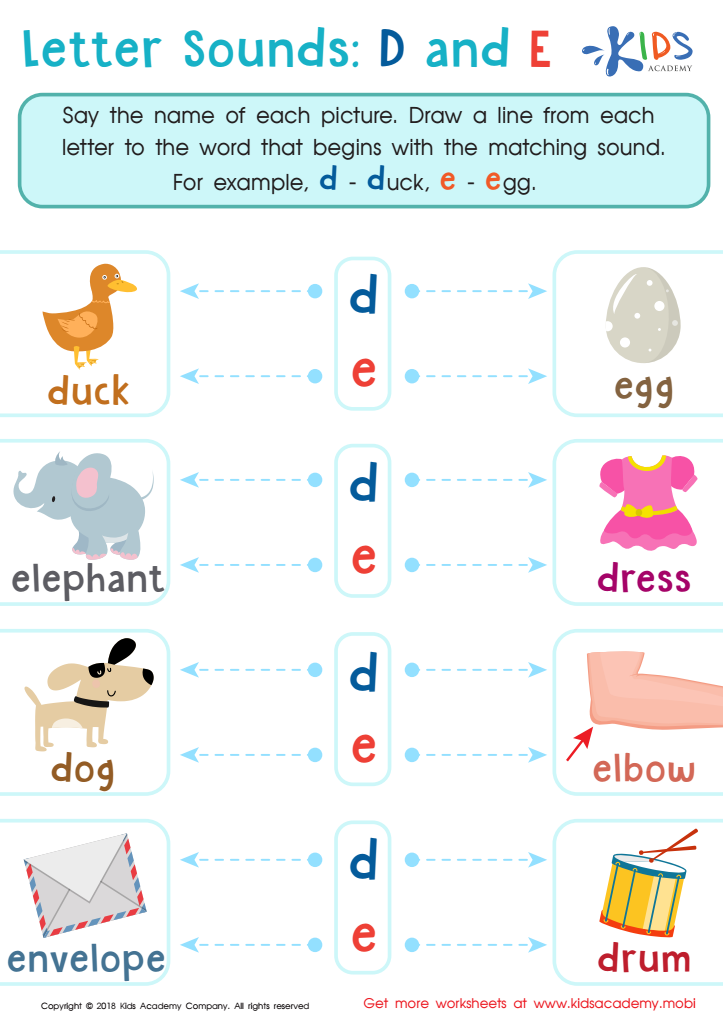
Letter D and E Sounds Worksheet








Handwriting practice and phonics are crucial for 4-year-olds as they lay the foundation for literacy skills. At this age, children are developing fine motor skills and hand-eye coordination, which are essential for writing. When parents and teachers emphasize handwriting practice, they help children master letter formation, enabling them to express themselves through writing more confidently.
Incorporating phonics into this early educational phase further enhances language development. Phonics teaches children the relationship between letters and their corresponding sounds, forming the basis of reading. When children understand how to blend sounds together, they can decode words, promoting reading fluency and comprehension.
Moreover, engaging with handwriting and phonics teaches persistence and patience. Children learn that mastering these skills requires effort and practice, fostering a growth mindset that will benefit them throughout their academic journey.
By prioritizing handwriting practice and phonics, parents and teachers actively contribute to a child's cognitive development, emotional well-being, and future academic success. Ultimately, these skills will support children in becoming effective communicators and lifelong learners, ready to tackle various challenges in school and beyond.







