Letter-sound correlation Phonics Worksheets for 4-Year-Olds
6 filtered results
-
From - To
Discover our engaging Letter-Sound Correlation Phonics Worksheets designed specifically for 4-year-olds! These worksheets help young learners connect letters with their corresponding sounds, laying a strong foundation for reading. Featuring vibrant illustrations and interactive activities, each worksheet captivates children's attention while enhancing their phonetic skills. Our resources promote hands-on learning and comprehension, making it easy for little ones to practice letter recognition and sound relationships through fun exercises. Perfect for home or classroom use, our phonics worksheets ensure a delightful learning experience that prepares your child for reading success. Explore our collection today and spark your child's love for reading!
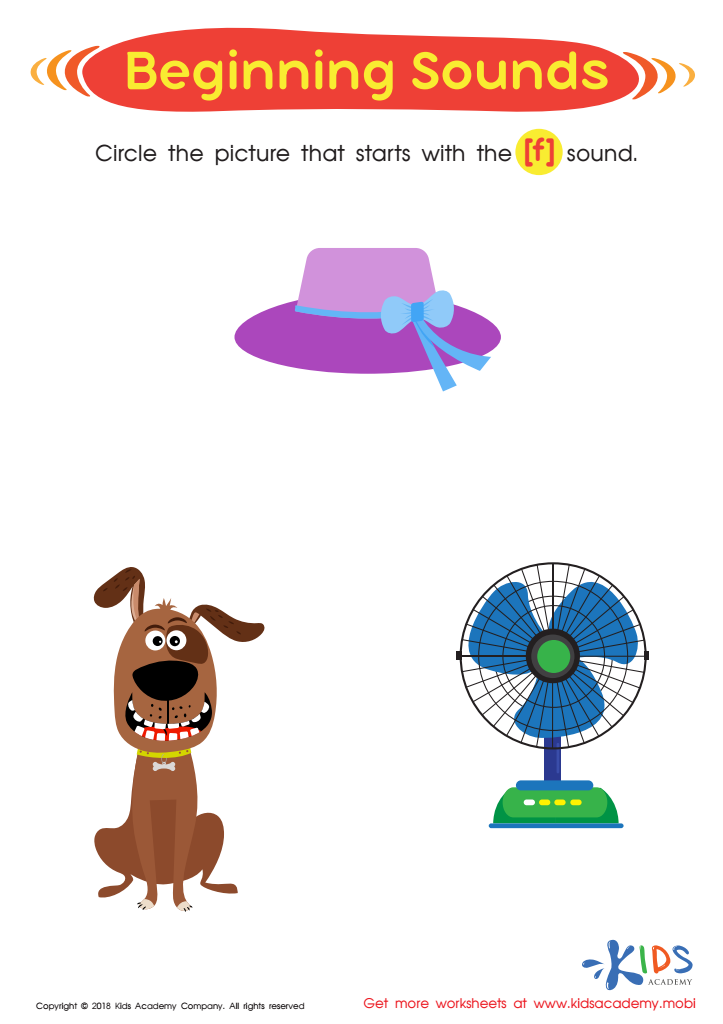
Beginning Sounds Assessment Printable
 Assign to My Students
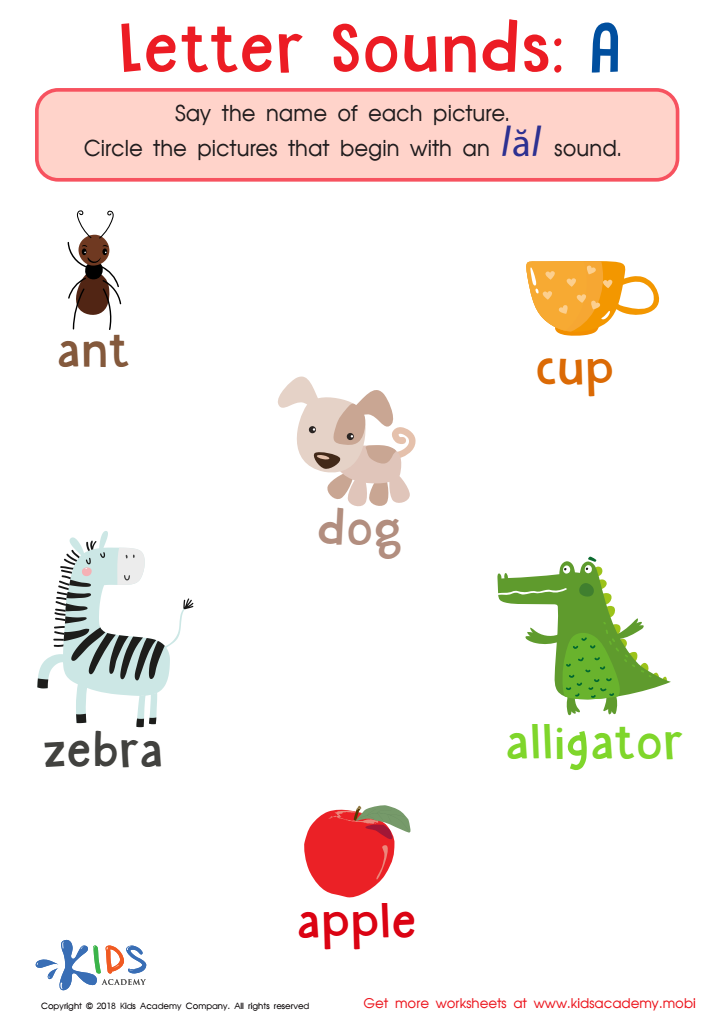
Letter A Sounds Worksheet
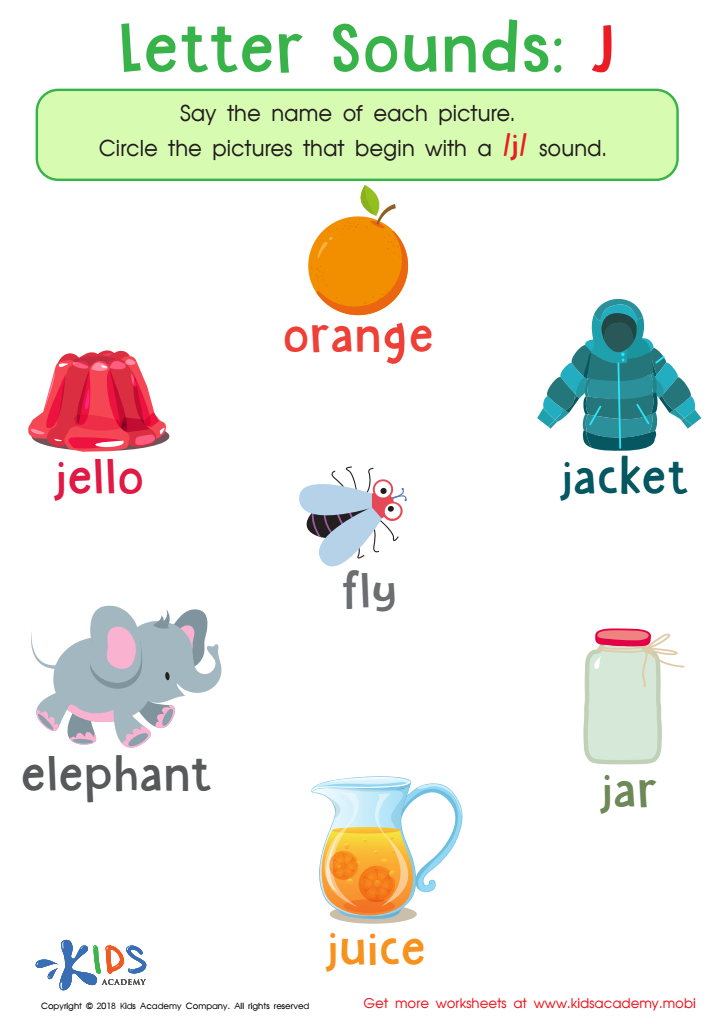
Letter Sounds: J Printable Worksheet
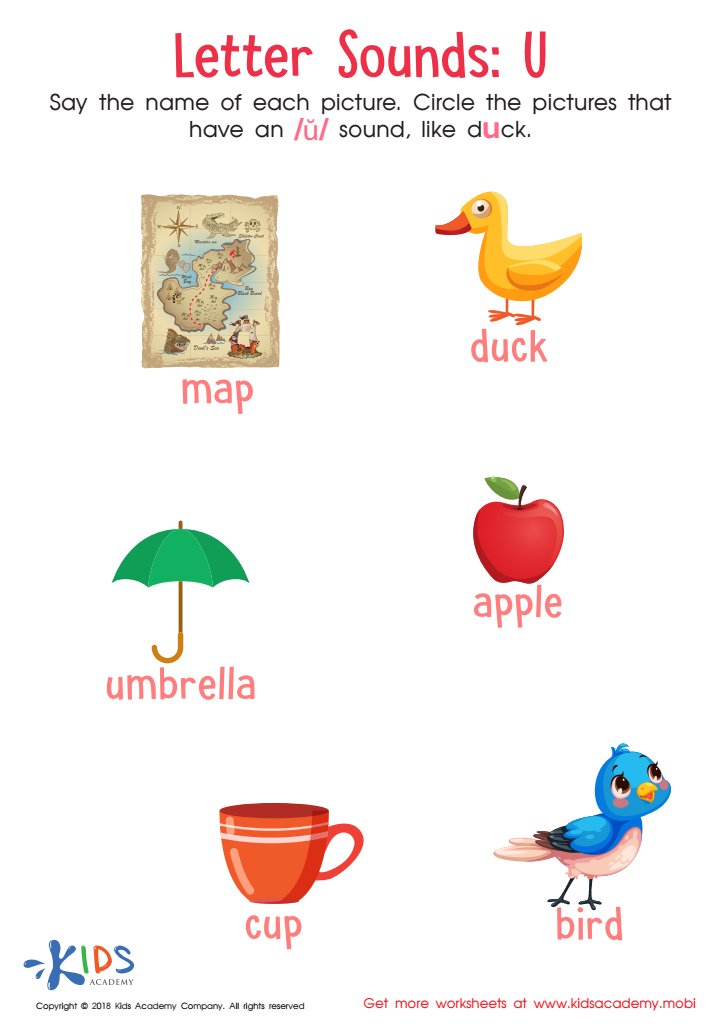
Letter U Sounds Worksheet
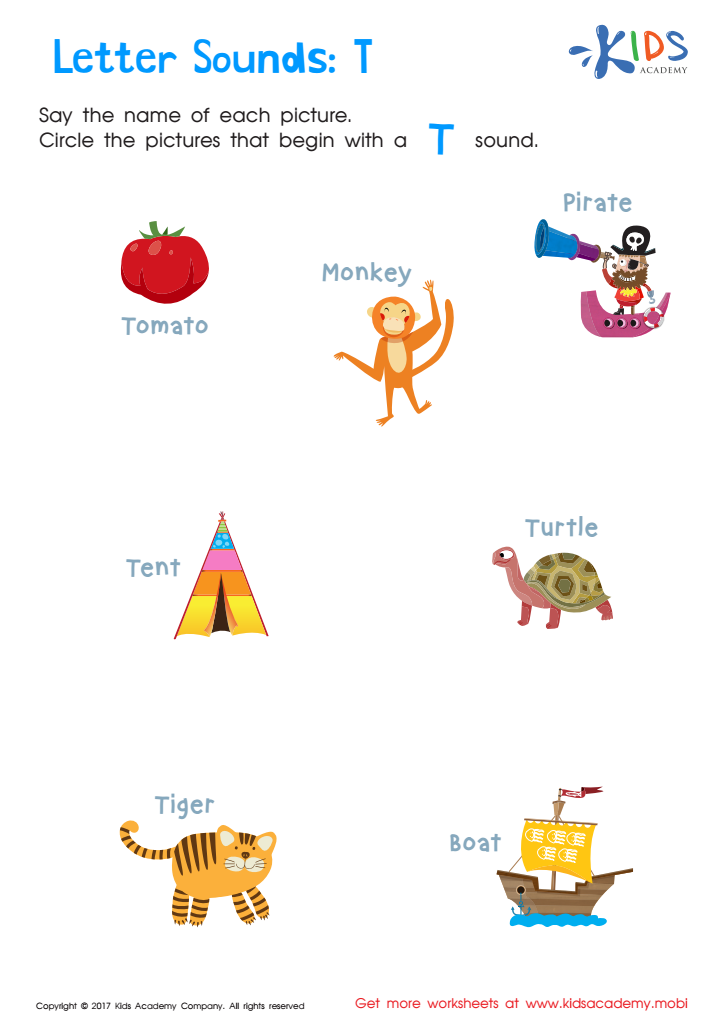
Letter T Sounds Worksheet
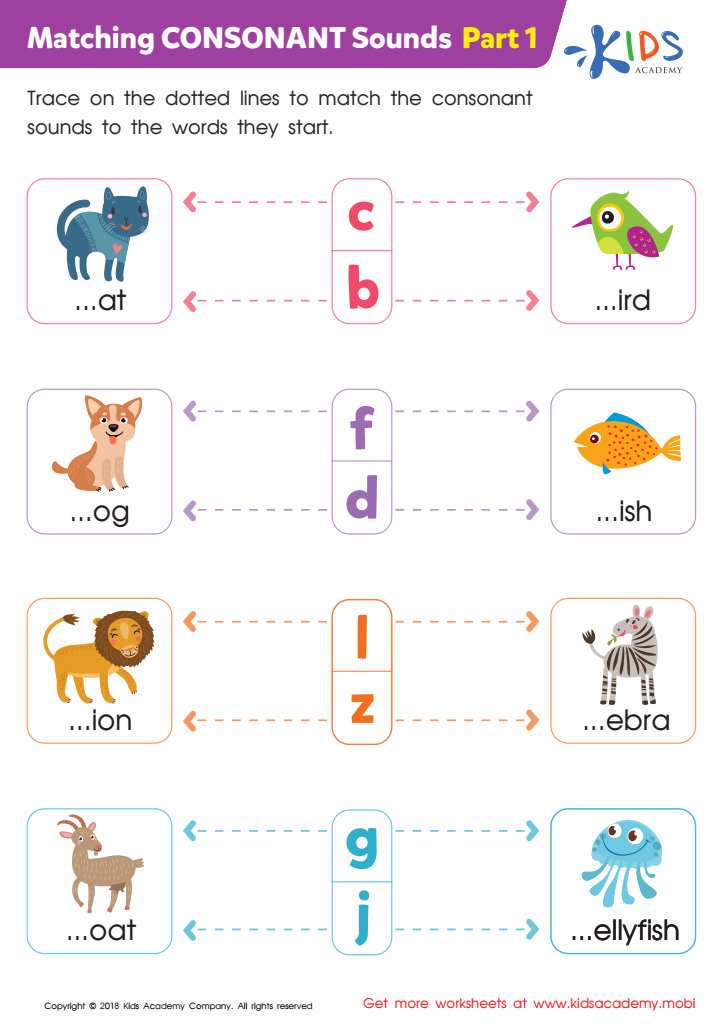
Matching Consonant Sounds: Part 1 Worksheet








Understanding letter-sound correlation, or phonics, is essential for early literacy development in four-year-olds. This foundational skill helps children decode and pronounce words, fostering reading fluency and comprehension. When parents and teachers prioritize phonics, they equip children with the tools needed to make connections between letters and their corresponding sounds, which is critical for reading success.
Phonics instruction enhances children’s ability to approach unfamiliar words with confidence, reducing frustration and encouraging autonomy in reading. As kids grasp letter-sound relationships, they become more motivated to explore books, expanding their vocabulary and fostering a love for reading that can last a lifetime.
Moreover, phonics also supports writing skills; as children learn how sounds blend together, they gain the ability to spell words more accurately. This not only aids their literacy but bolsters their communication skills overall.
Additionally, early intervention in phonics creates a robust learning foundation that can prevent future reading difficulties. By investing time in phonics activities, parents and teachers help nurture curious, capable learners who can advance in their education with confidence. Ultimately, supporting phonics in early childhood is a significant step towards ensuring academic success and cultivating a lifelong passion for learning.







