Phonics development Phonics Worksheets for 4-Year-Olds
5 filtered results
-
From - To
Discover engaging and effective phonics worksheets specially designed for 4-year-olds, available on Kids Academy. Our expertly crafted resources focus on phonics development, providing fun activities for little learners to enhance their reading and comprehension skills. These worksheets, tailored to young minds, teach letter sounds, word formation, and early reading step-by-step. Bright, playful visuals combined with simple exercises ensure children remain engaged while learning essential literacy skills. Turn phonics learning into an exciting adventure and give your child a fantastic head start in reading with Kids Academy’s phonics worksheets today. Ideal for both classroom and homeschool settings.
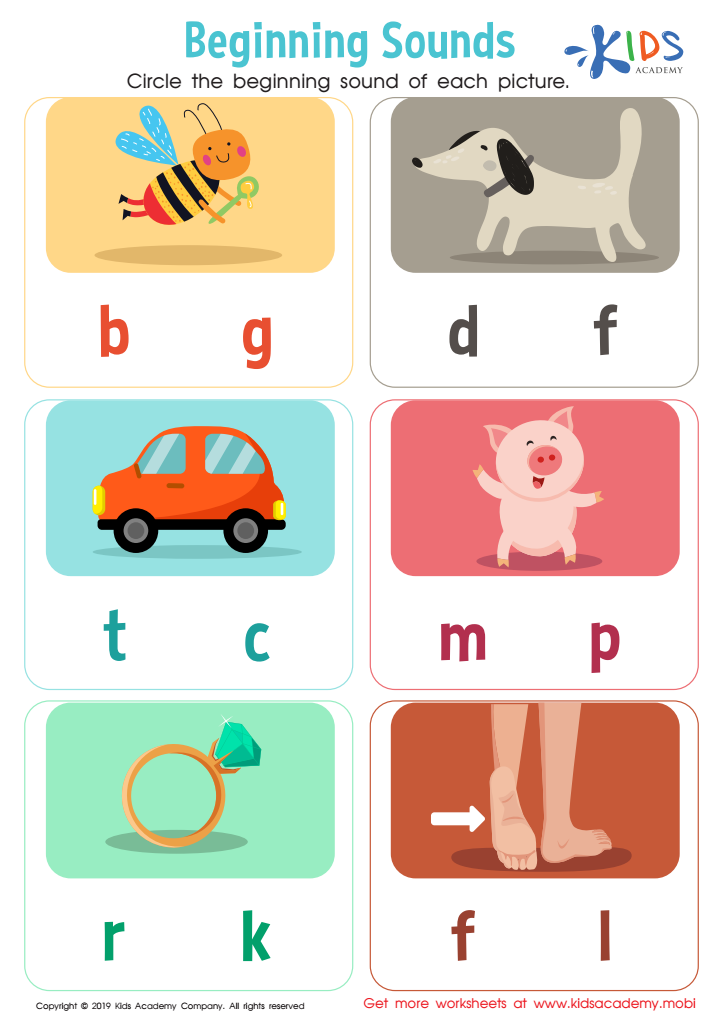
Beginning Sounds Worksheet
 Assign to My Students
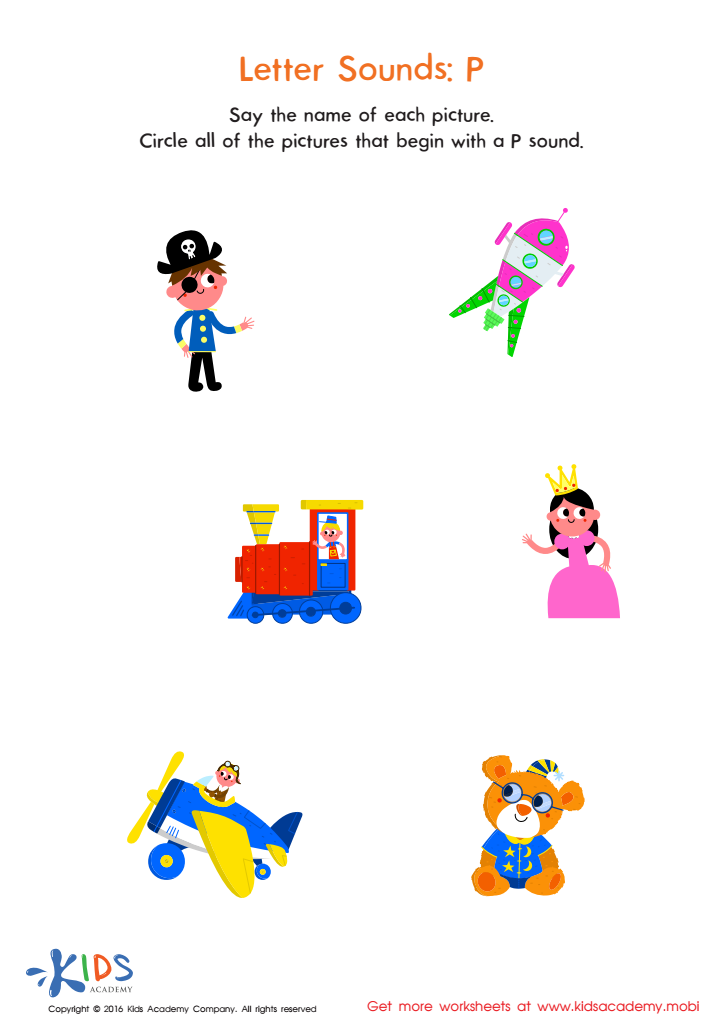
Letter P Sound Worksheet
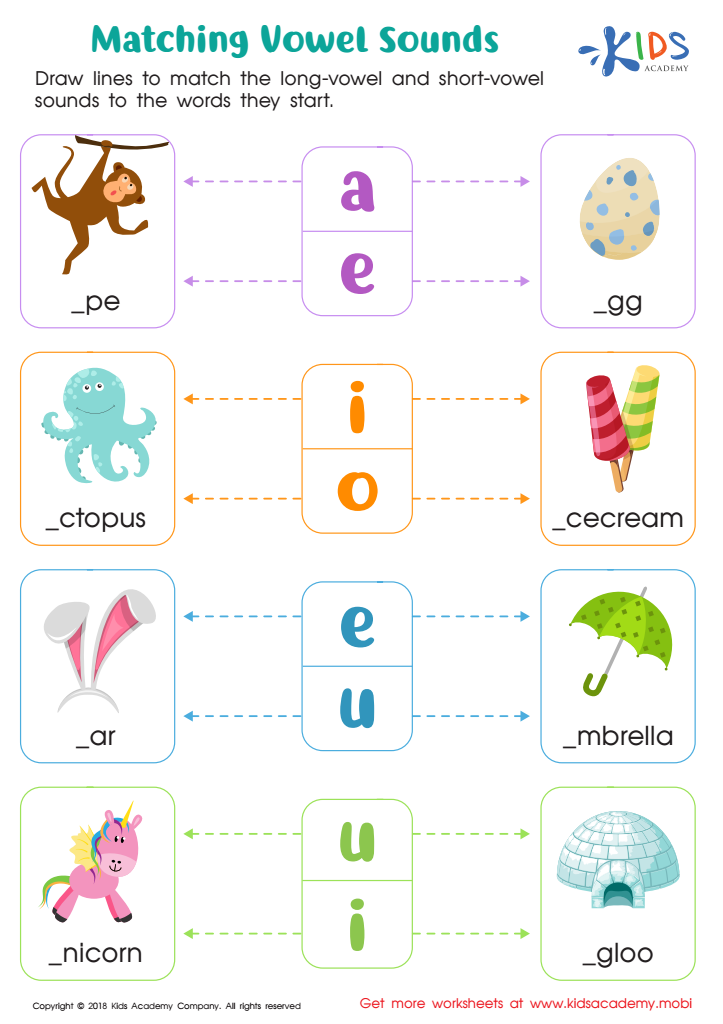
Matching Vowel Sounds Worksheet
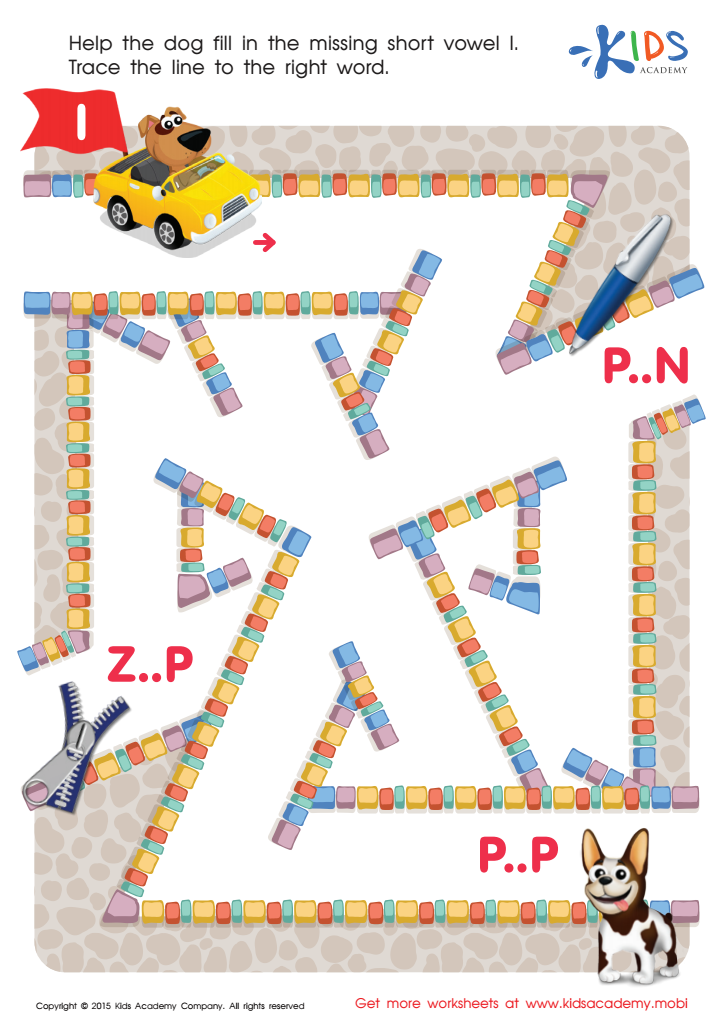
Short Vowel Sound I Worksheet
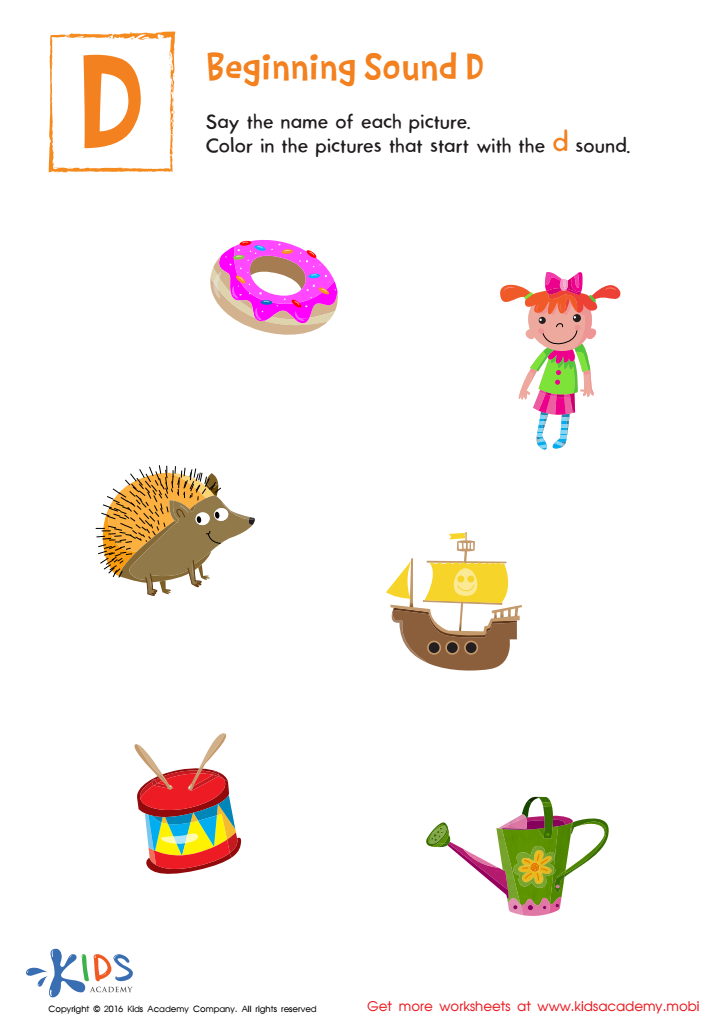
Beginning Sound D Worksheet








Phonics development is crucial for 4-year-olds because it lays the foundation for reading and writing skills – essential tools for future learning. Phonics is the method of teaching children to connect sounds with letters or groups of letters (e.g., the sound “b” with the letter "b"). By focusing on phonics at an early age, parents and teachers can ensure children develop strong decoding skills, which are pivotal for understanding written text.
Firstly, phonics helps children to decode new words by sounding them out, which is critical for reading fluency. At age four, young hearts and minds are highly receptive and can easily grasp the concept of letter-sound relationships. Recognizing different sounds improves their ability to read quickly and accurately.
Secondly, phonics development supports spelling. When children understand phonics, they can better predict how words are written. This comprehensive understanding empowers them to write more confidently, fostering better expressive skills.
Moreover, early phonics skills are linked to improved academic outcomes. Children with a solid foundation in phonics often find it easier to tackle more complex subjects later because they’re not hampered by poor reading skills.
In essence, investing time in teaching phonics is investing in a child’s overall educational journey. It opens doors to learning and instills a confidence that extends beyond literacy, impacting many areas of their academic and personal lives.







