Alphabet Recognition Tracing Letters Worksheets for 4-Year-Olds - Page 2
28 filtered results
-
From - To
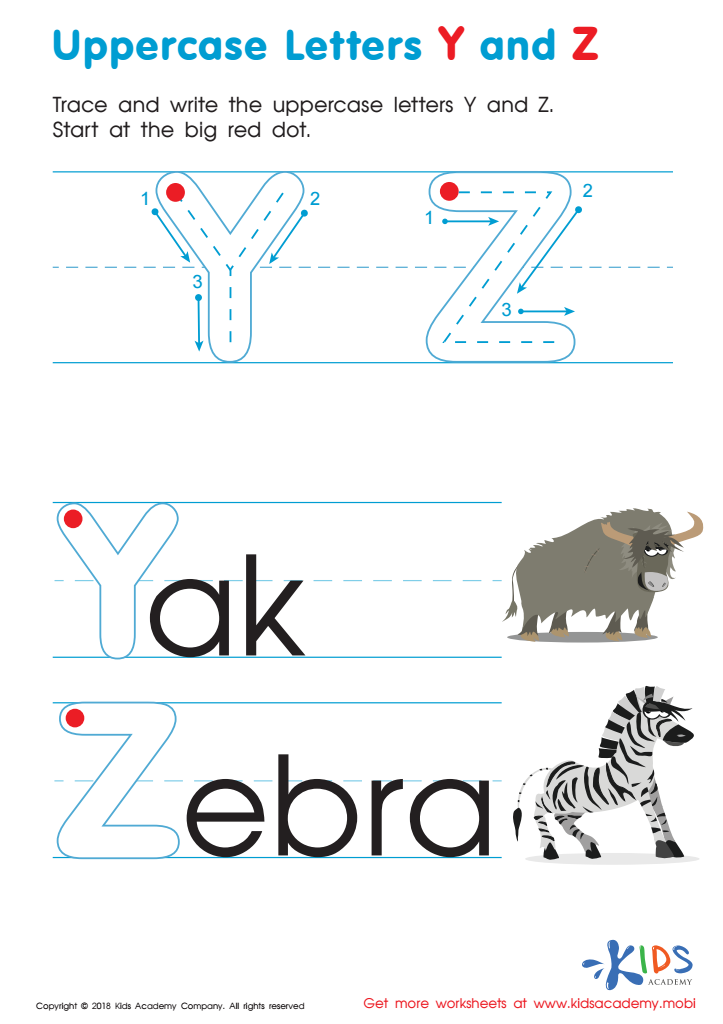
Uppercase Letters Y Z Worksheet
 Assign to My Students
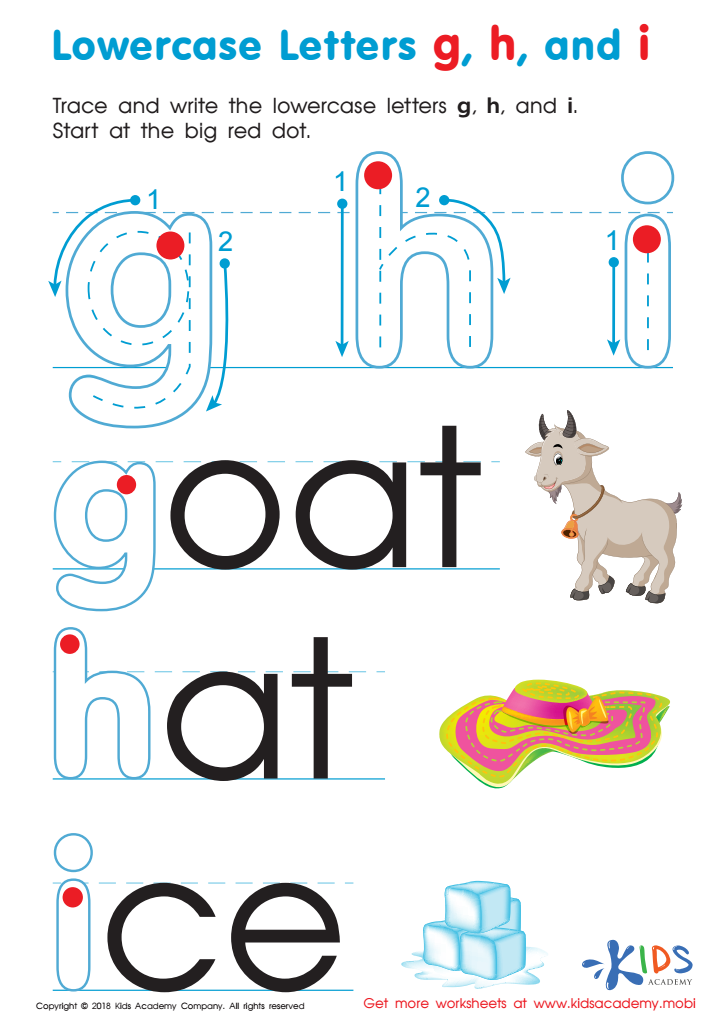
Lowercase Letters g h i Worksheet
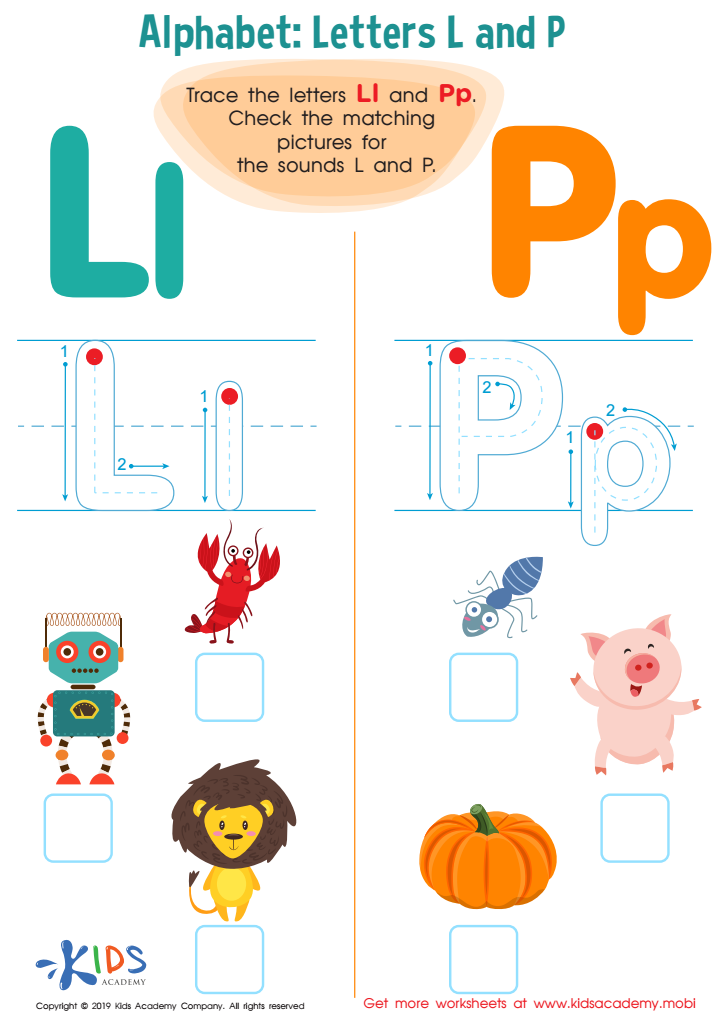
Letter L and P Tracing Worksheet
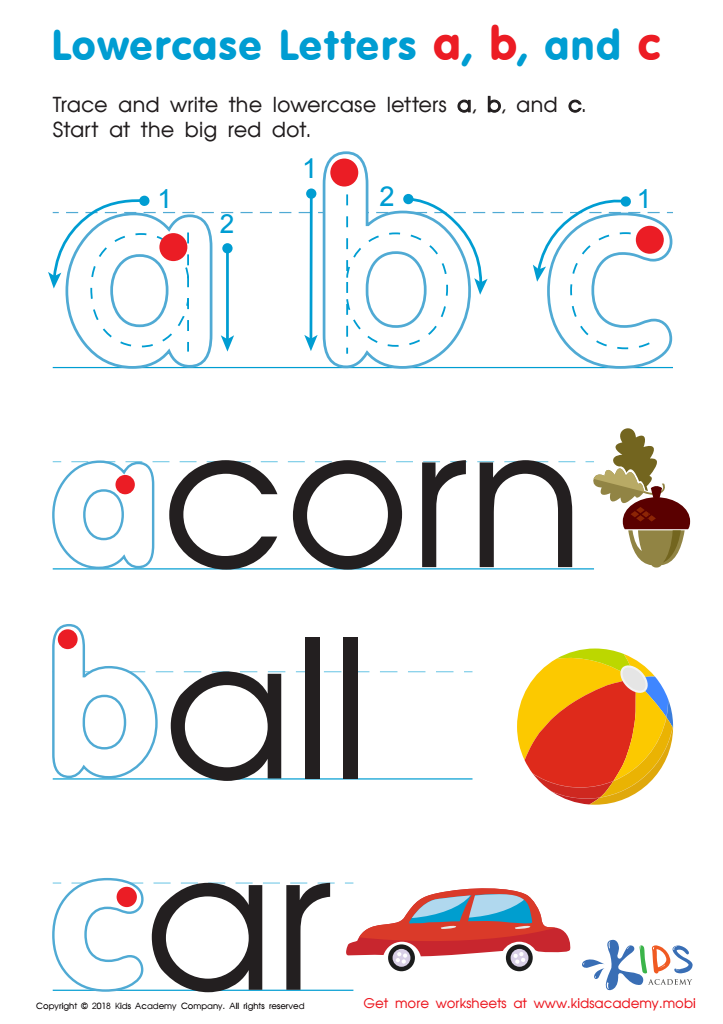
Lowercase Letters a b c Worksheet








Alphabet recognition and tracing letters are essential skills for 4-year-olds that lay the foundation for reading and writing. As young children engage in these activities, they develop fine motor skills and hand-eye coordination critical for later tasks. Tracing letters encourages children to understand shape and structure, helping them differentiate between various letters and sounds, which is crucial for phonetic awareness.
Moreover, recognizing letters is a step toward reading, as it allows children to connect symbols with their corresponding sounds, ultimately promoting literacy development. The early identification of letters also contributes to building confidence; children often feel a sense of accomplishment as they master new skills, fostering a love for learning.
For parents and teachers, fostering these skills through fun and engaging methods is significant. It can enhance a child's cognitive development and language skills, preparing them for kindergarten and beyond. Collaborative activities, such as tracing letters together, encourage bonding and support a child's emotional growth. In an increasingly literate world, ensuring that children learn these basic skills early on cultivates a lifelong love for reading and writing and sets the stage for future academic success. Recognition of the importance of these activities can have lasting benefits in a child's educational journey.








