Letter Tracing Practice Tracing Letters Worksheets for 4-Year-Olds
5 filtered results
-
From - To
Discover engaging Letter Tracing Practice worksheets designed specifically for 4-year-olds! Our interactive resources help young learners master letter formation while developing fine motor skills and hand-eye coordination. Each worksheet guides children through tracing both uppercase and lowercase letters, emphasizing correct technique and letter recognition. With colorful designs and varied themes, these tracing exercises make learning enjoyable and effective. Perfect for preschool and kindergarten settings, our worksheets provide an excellent foundation for writing skills. Encourage your child's early literacy journey today, and watch their confidence grow as they trace their way to success! Download your free worksheets and start tracing now!
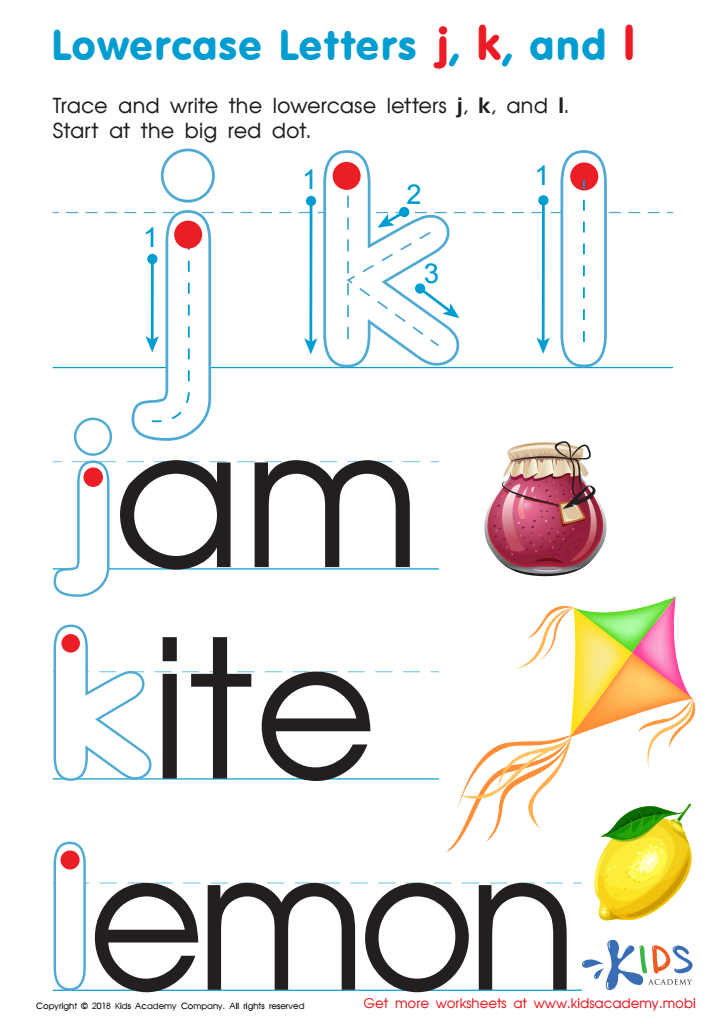
Lowercase Letters j k l Worksheet
 Assign to My Students
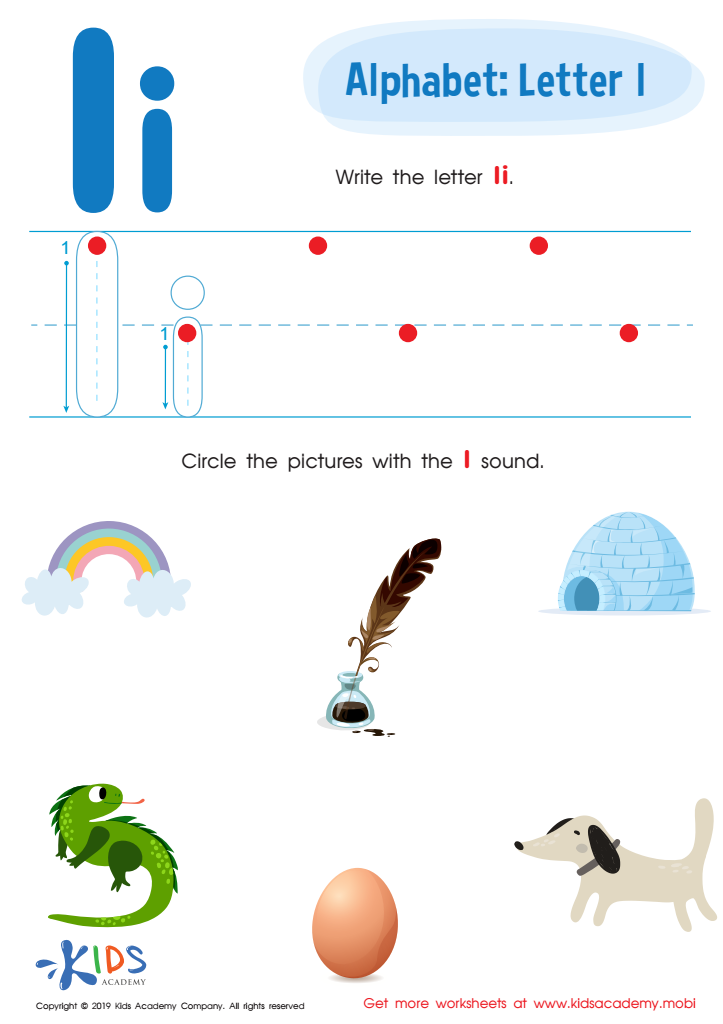
Letter I Tracing Worksheet
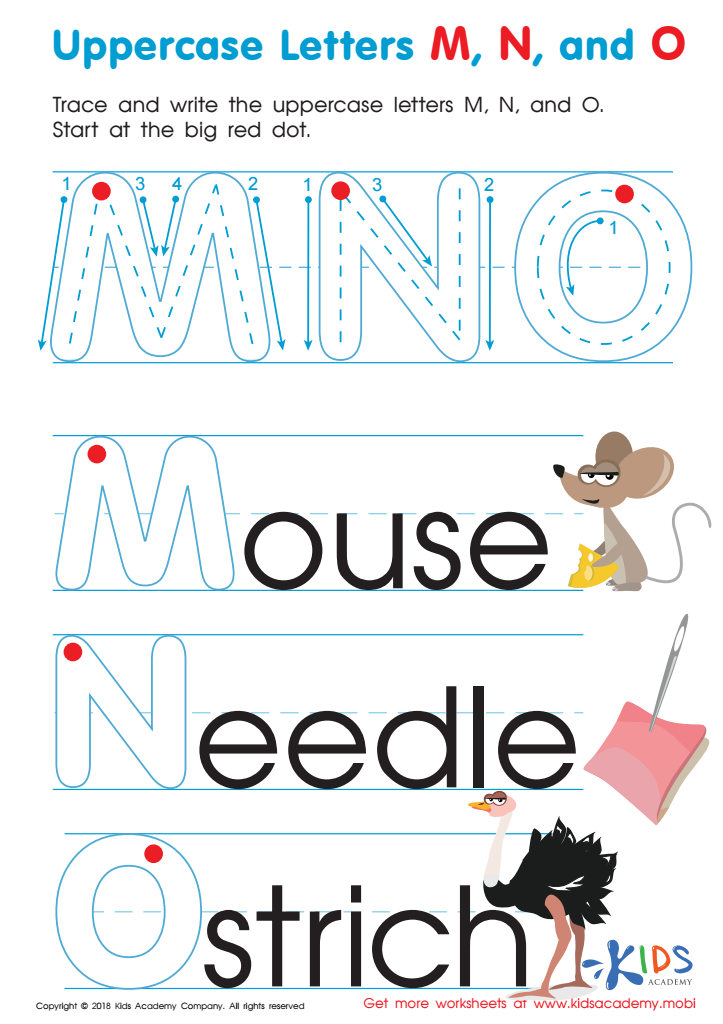
Uppercase Letters M, N, and O Worksheet
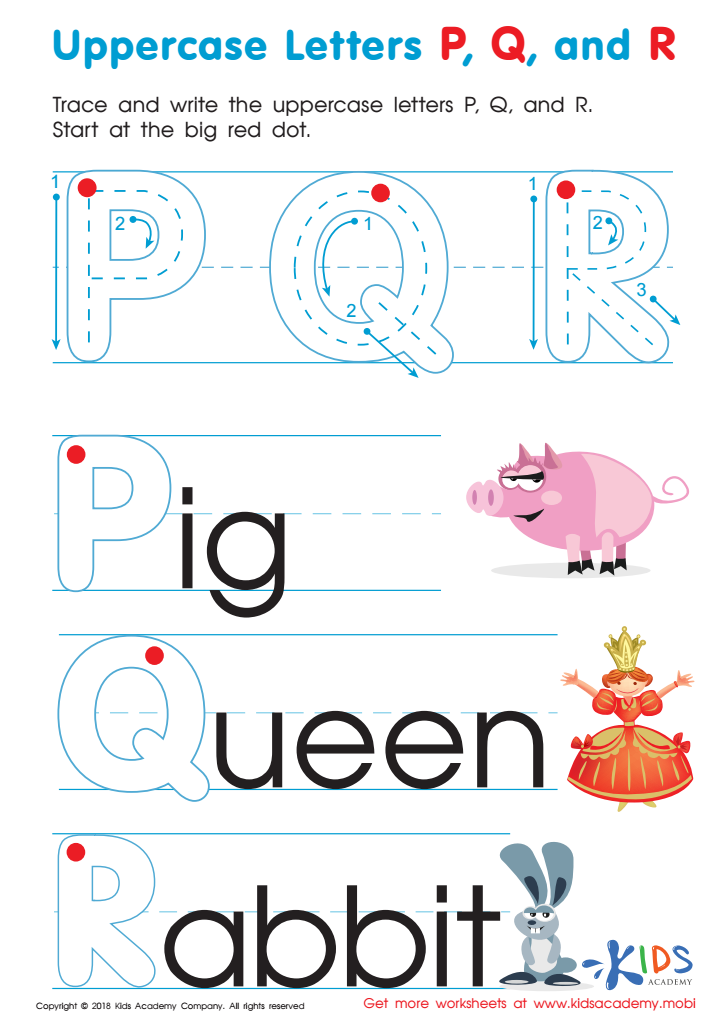
Uppercase Letters P, Q, and R Worksheet
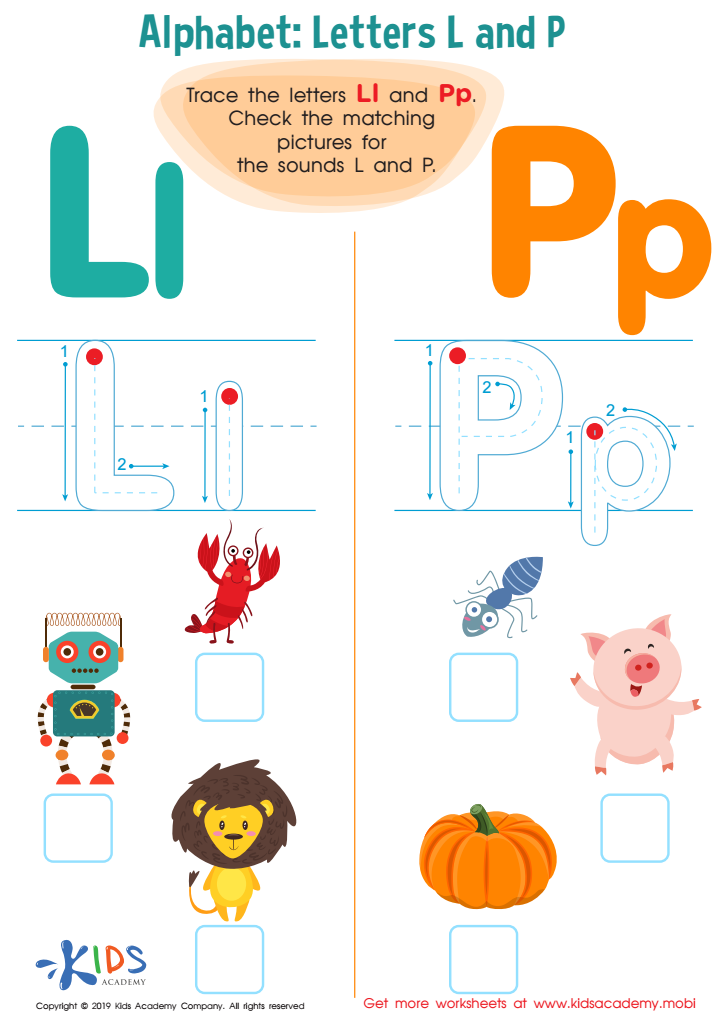
Letter L and P Tracing Worksheet








Letter tracing practice is essential for 4-year-olds as it lays the groundwork for early literacy skills. During this crucial developmental stage, children begin to develop fine motor skills, which are necessary for writing. By tracing letters, they enhance their hand-eye coordination and ability to manipulate writing tools, setting them up for successful penmanship later on.
In addition to improving motor skills, letter tracing fosters familiarity with the alphabet. As children trace each letter, they begin to recognize shapes, sounds, and relationships between letters. This godsend of sensory learning enhances phonemic awareness—an essential factor in reading readiness.
Furthermore, tracing letters can boost a child's confidence. As they see their progress on paper, they gain a sense of accomplishment. This positive reinforcement encourages a love for learning and reading that may carry into their future educational experiences.
Lastly, for parents and teachers, incorporating letter tracing into daily routines makes learning fun and interactive. It creates bonding opportunities through guided practice, making the learning journey enjoyable. By prioritizing letter tracing, caregivers can help set a solid foundation in literacy, ultimately fostering a lifelong love for reading and writing.








