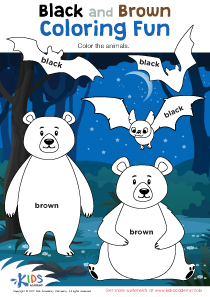
Letter Tracing Practice English for Beginners Worksheets for 4-Year-Olds
3 filtered results
-
From - To
Discover our engaging "Letter Tracing Practice English for Beginners Worksheets" designed specifically for 4-year-olds! These worksheets provide a fun and interactive way for young learners to enhance their fine motor skills while mastering the English alphabet. Each sheet is filled with colorful illustrations and easy-to-follow tracing patterns, perfect for little hands. As children trace each letter, they’ll build confidence in writing and language comprehension. These resources are ideal for enhancing ESL skills or reinforcing the basics of the English language. Print these worksheets at home or in the classroom to make learning an exciting adventure for your little ones!
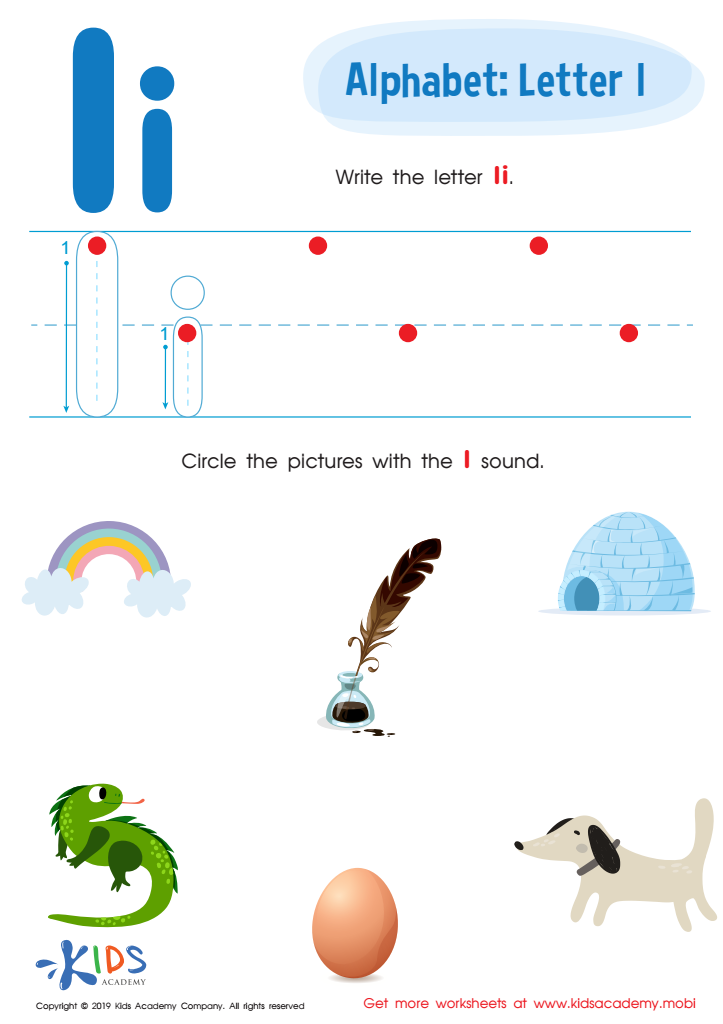
Letter I Tracing Worksheet
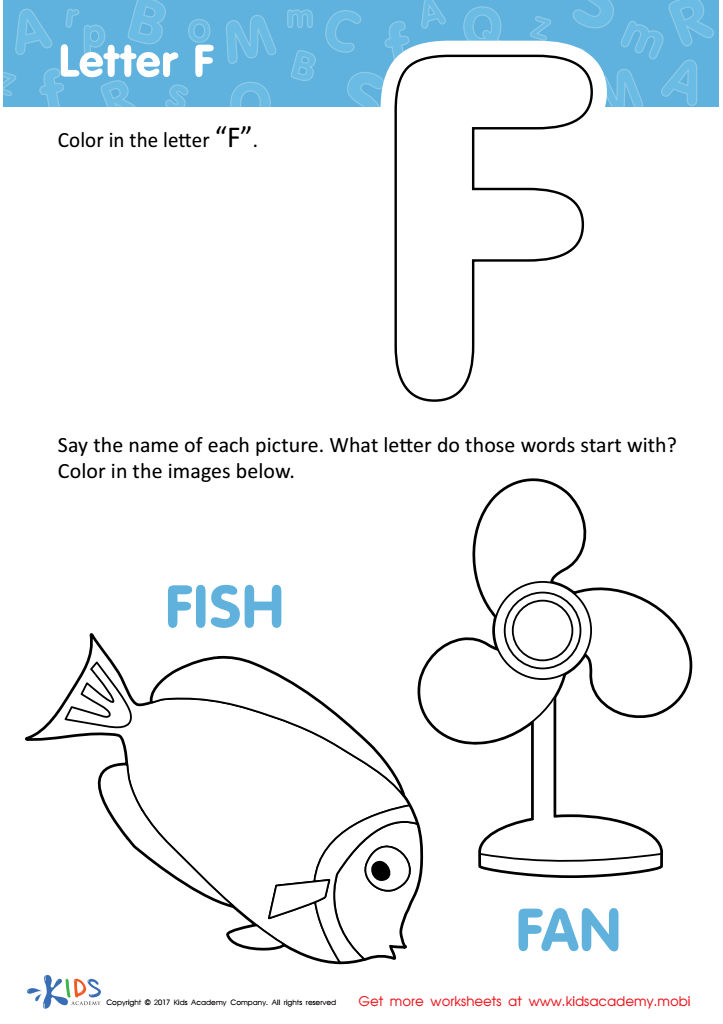
Letter F Coloring Sheet
 Assign to My Students
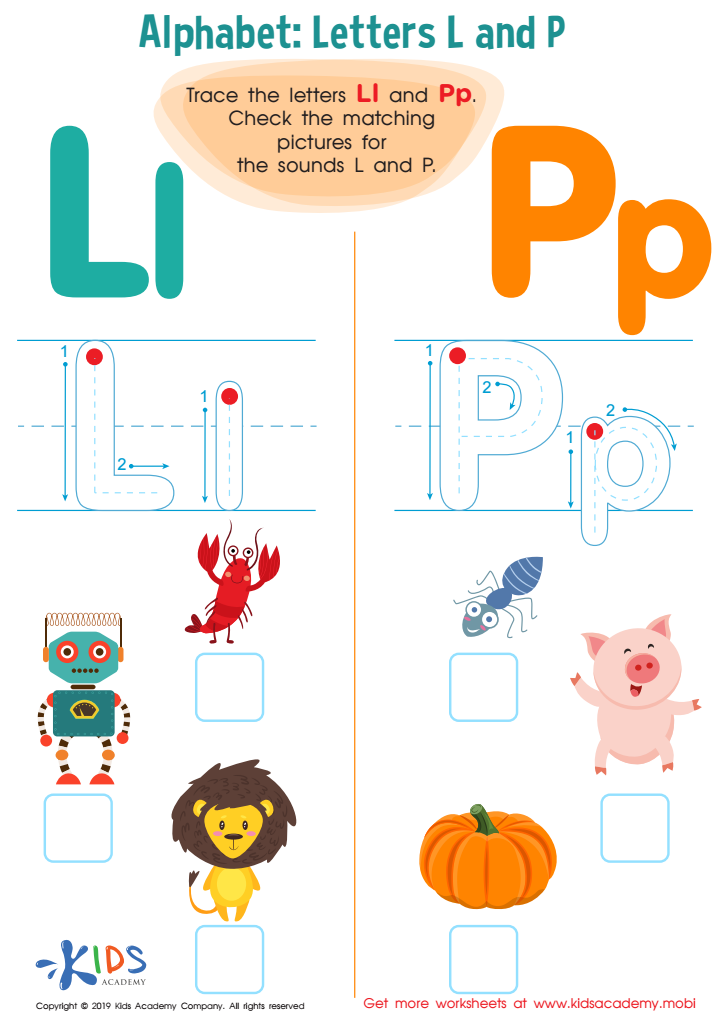
Letter L and P Tracing Worksheet





Letter tracing practice is essential for 4-year-olds as it lays the foundation for their literacy skills. At this early age, children are developing fine motor skills, which are critical for writing. Tracing letters helps strengthen the small muscles in their hands and fingers, enabling better control when they eventually write independently.
Moreover, letter tracing reinforces letter recognition, enabling children to associate letters with sounds—a crucial step for reading readiness. As they visually follow the paths of letters, they embed these shapes in their memory, making recognition easier when they encounter them in different contexts.
Additionally, letter tracing can turn learning into a fun and engaging activity. Incorporating themes or creative elements (like coloring images connected to each letter) fosters a positive learning experience. This engagement serves to cultivate a love for written language that can lead to a lifelong passion for literacy.
Teachers and parents should also note that consistent practice encourages discipline and focus in young learners. By valuing tools like letter tracing, adults not only equip children with basic writing skills but also boost their confidence, preparing them for more complex learning tasks in the future. Recognizing the importance of this practice supports early education and nurtures well-rounded, successful learners.