Alphabet Learning Worksheets for 4-Year-Olds
5 filtered results
-
From - To
Introduce your 4-year-old to the magical world of letters with our Alphabet Learning Worksheets! Specially crafted to engage young minds, these fun and educational printables are perfect for developing early literacy skills. Each worksheet features vibrant illustrations, tracing activities, and interactive games designed to make learning the alphabet an exciting adventure. From recognizing to writing letters, our comprehensive collection helps build a strong foundation for reading and writing. Foster a love for learning in your little ones by exploring our extensive range of alphabet worksheets—where every page bursts with joyful discovery and boundless creativity!
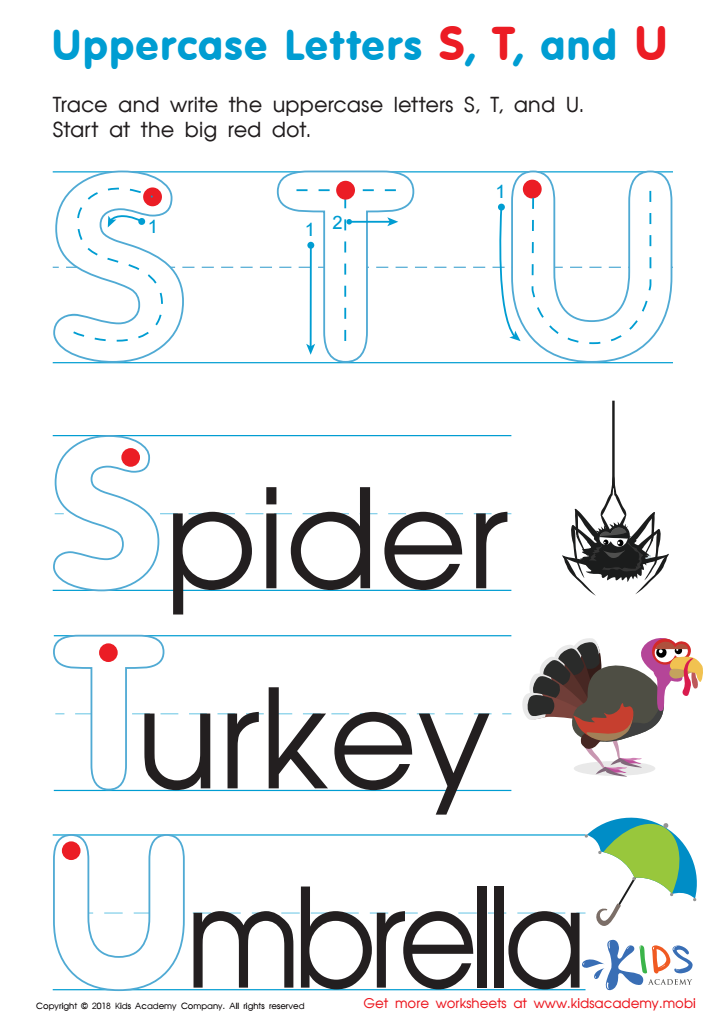
Uppercase Letters S, T, and U Worksheet
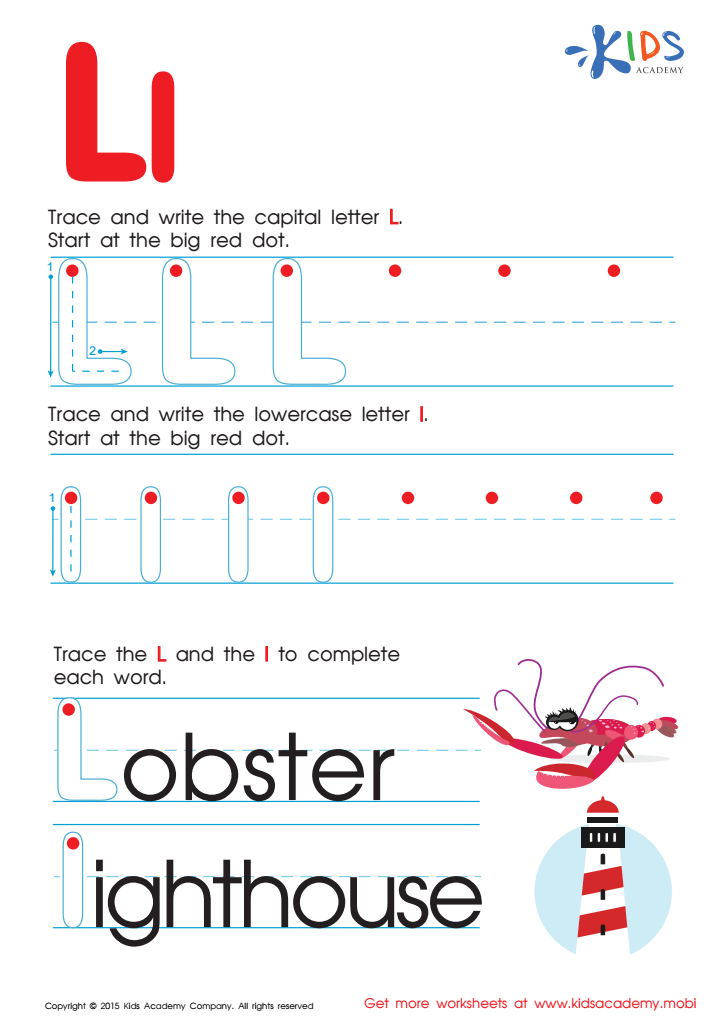
Letter L Tracing Page
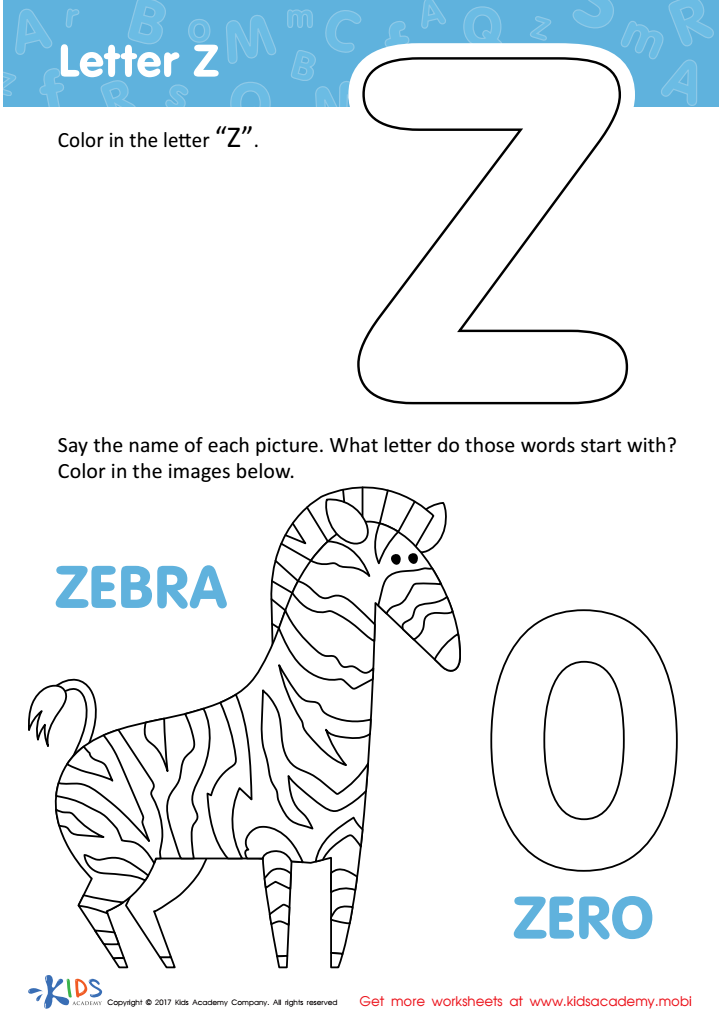
Letter Z Coloring Sheet
 Assign to My Students
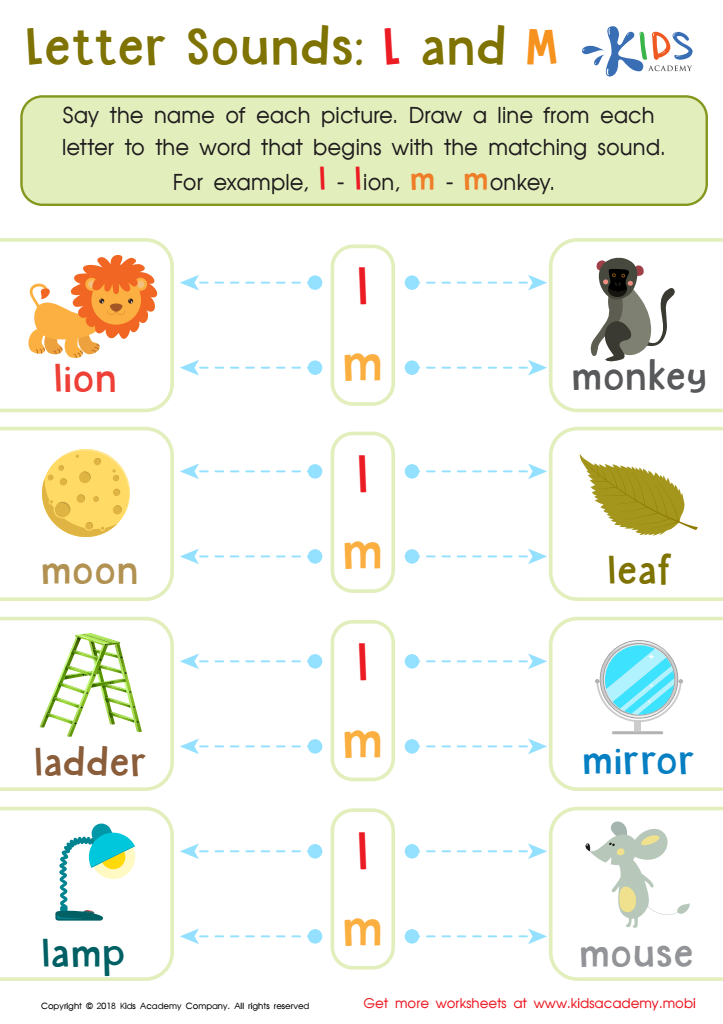
Letter l and M Sounds Worksheet
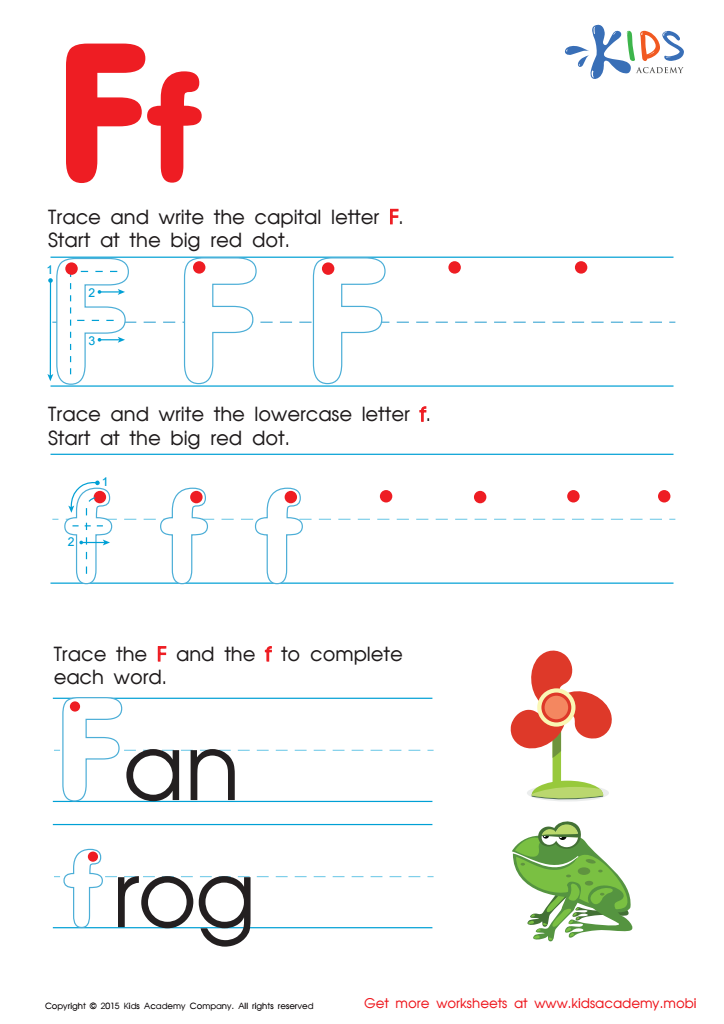
Letter F Tracing Page







Alphabet learning for 4-year-olds is crucial because it lays the foundational groundwork for a child's future academic success and cognitive development. At this tender age, children's brains are highly receptive to new information, making it an optimal time to introduce basic literacy skills. Recognizing and memorizing the alphabet enables young learners to understand and make sense of the written language, which is essential for reading and writing.
Parents and teachers should prioritize alphabet learning to foster early literacy, which correlates with better performance in school later on. Mastery of the alphabet enhances a child's ability to decode words, facilitating smoother reading experiences and greater comprehension. This early exposure revamps cognitive abilities such as memory, concentration, and logical thinking.
Additionally, familiarizing children with letters in a fun and engaging way boosts their confidence and enthusiasm for learning. Interactive activities like singing alphabet songs, playing letter-matching games, and reading picture books not only make learning enjoyable but also improve fine motor skills as children start writing letters.
Furthermore, a solid grasp of the alphabet helps mitigate future academic challenges, as children will not struggle with more complex literacy tasks. Early intervention ensures that every child has equitable opportunities to thrive academically, making it imperative that both parents and teachers take an active role in alphabet learning.








