Critical Thinking Worksheets for 4-Year-Olds - Page 3
64 filtered results
-
From - To
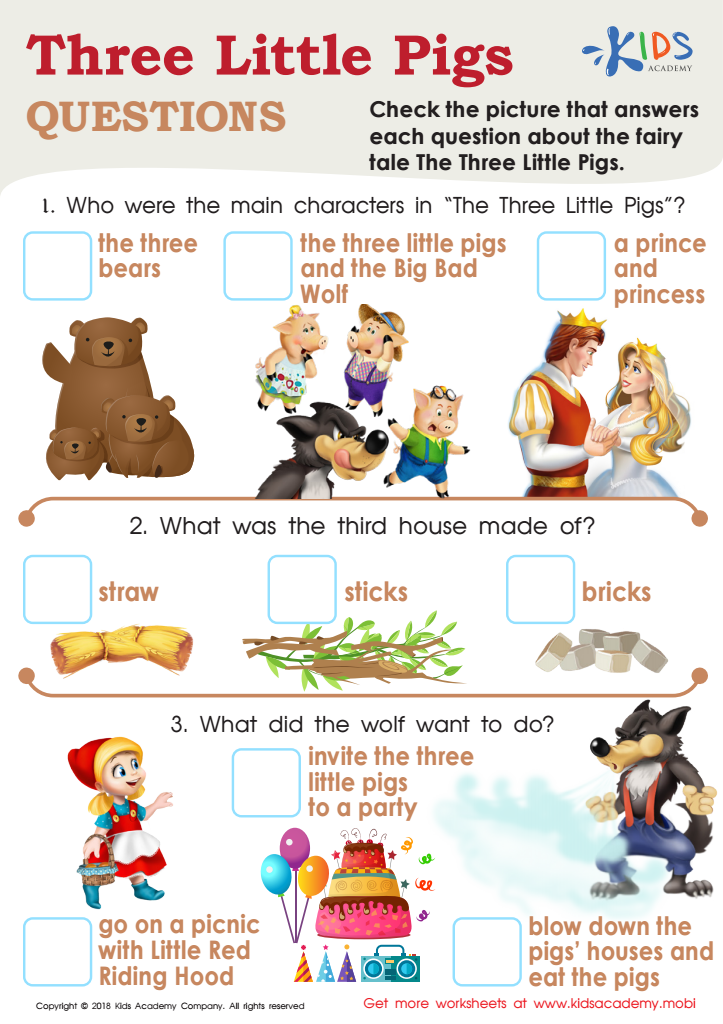
Three Little Pigs Questions Worksheet
 Assign to My Students
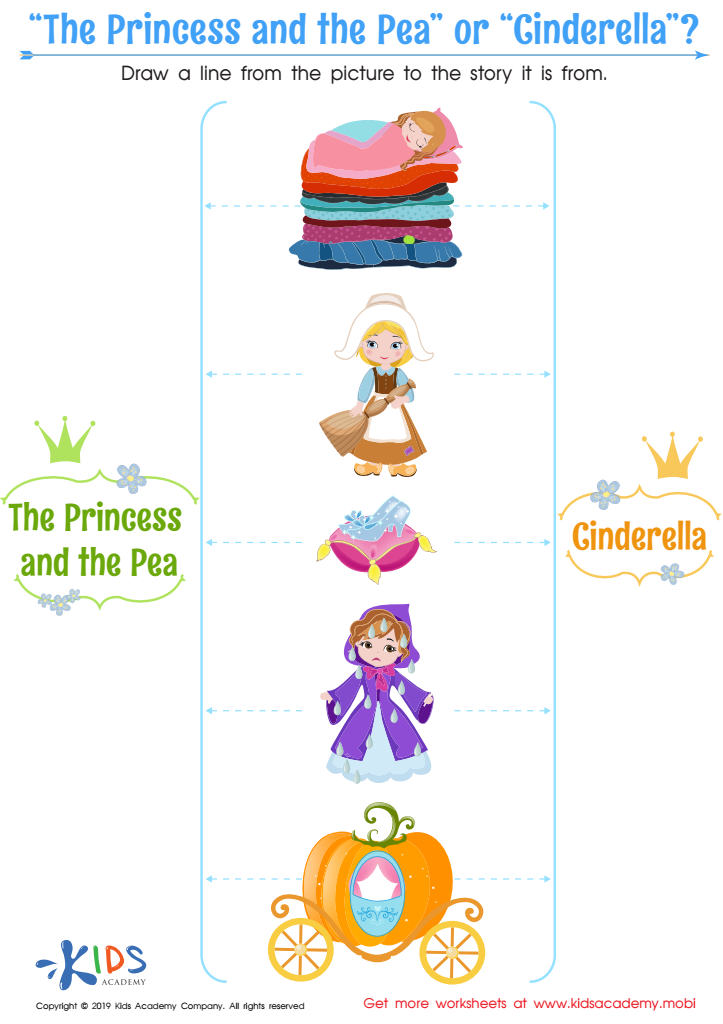
“The Princess and the Pea” or “Cinderella” Worksheet

Questions About Stories: Assessment 1 Worksheet
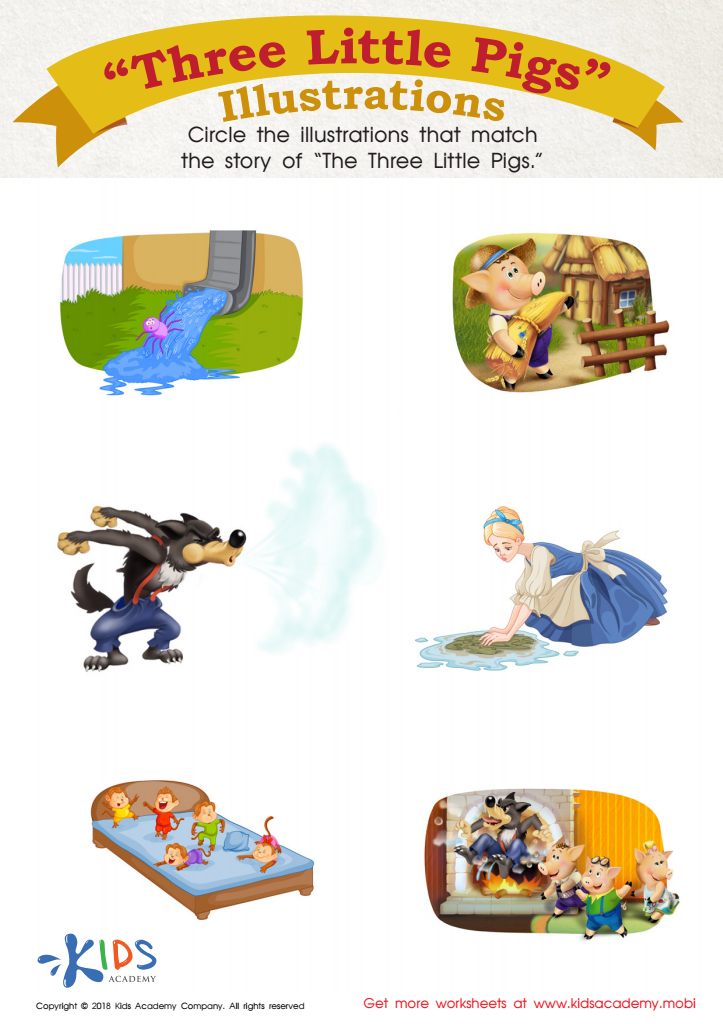
Three Little Pigs: Illustrations Worksheet
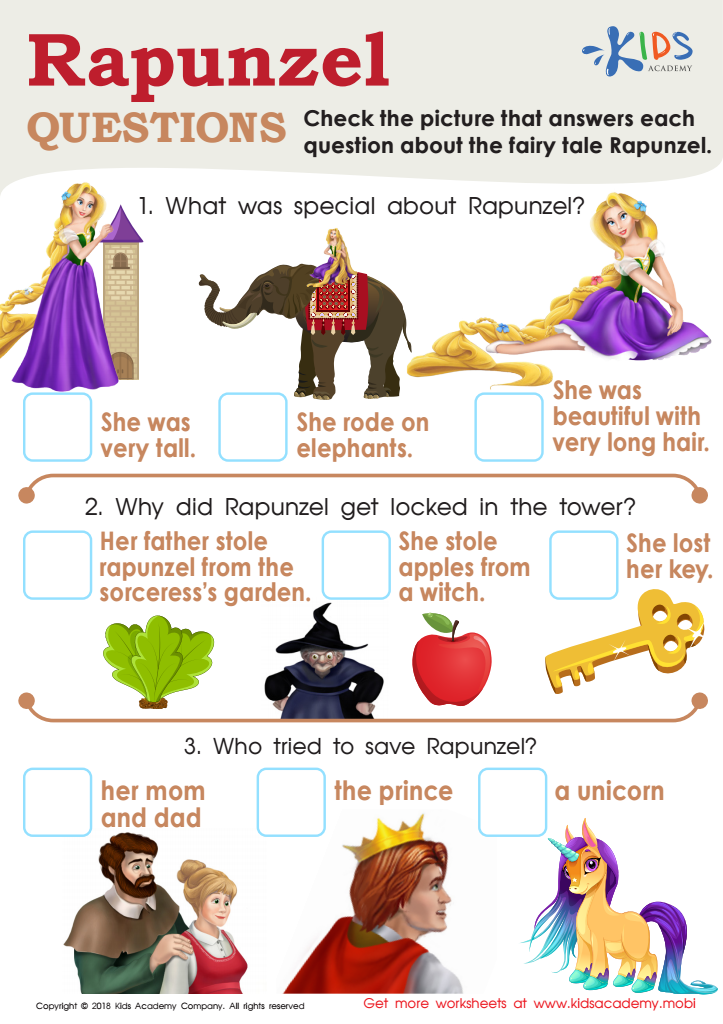
Rapunzel Questions Worksheet
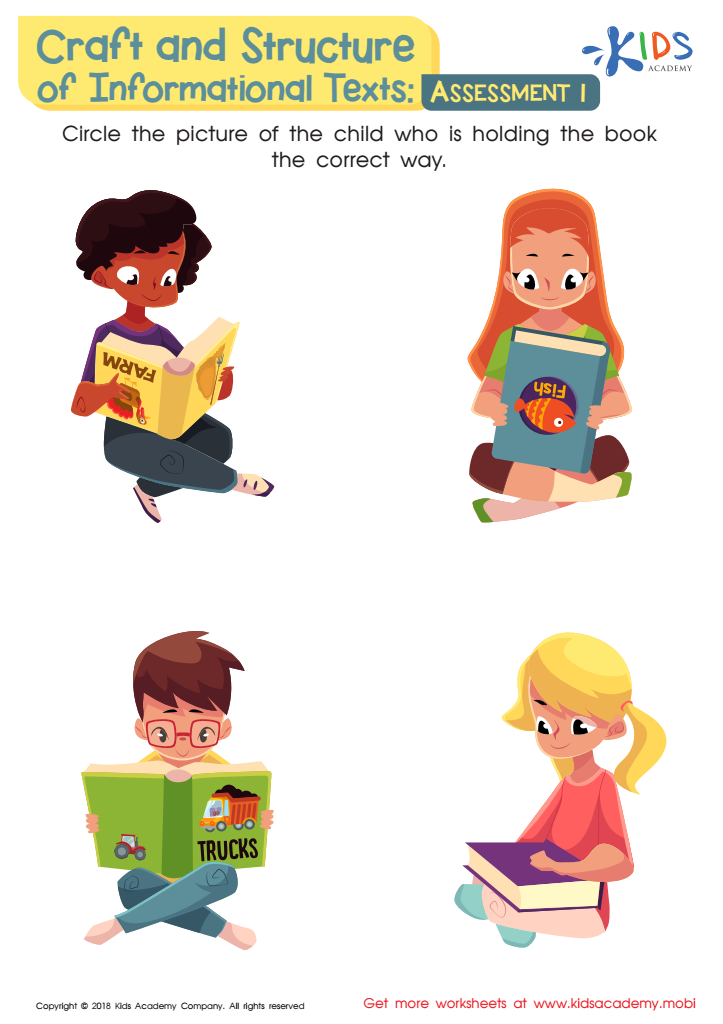
Craft and Structure of Informational Texts: Assessment 1 Worksheet
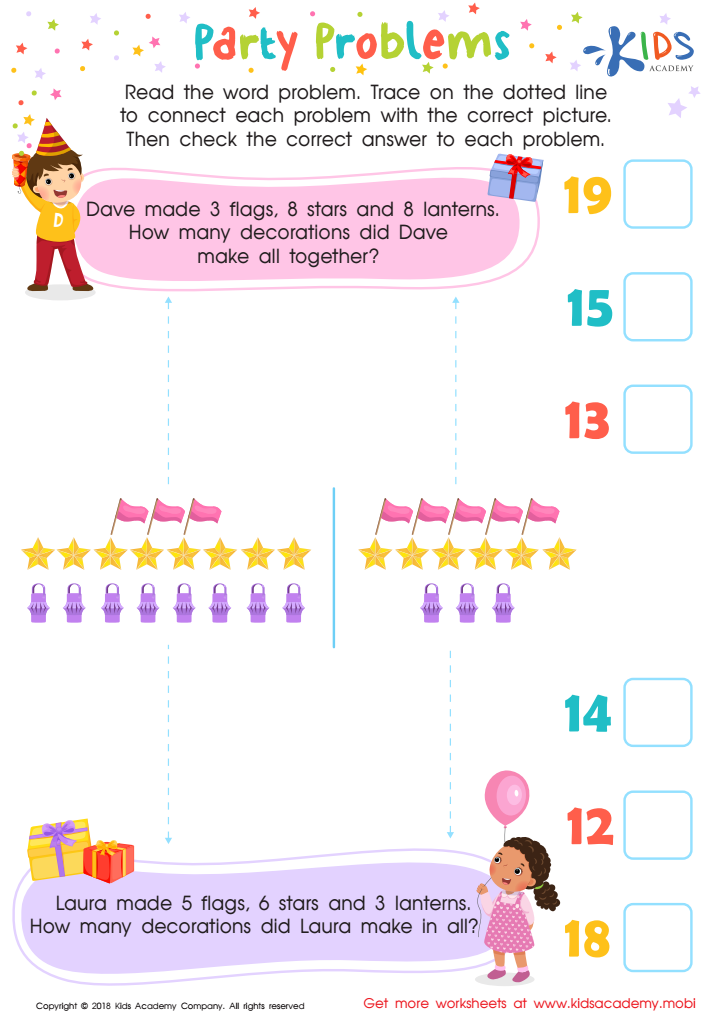
Party Problems Worksheet
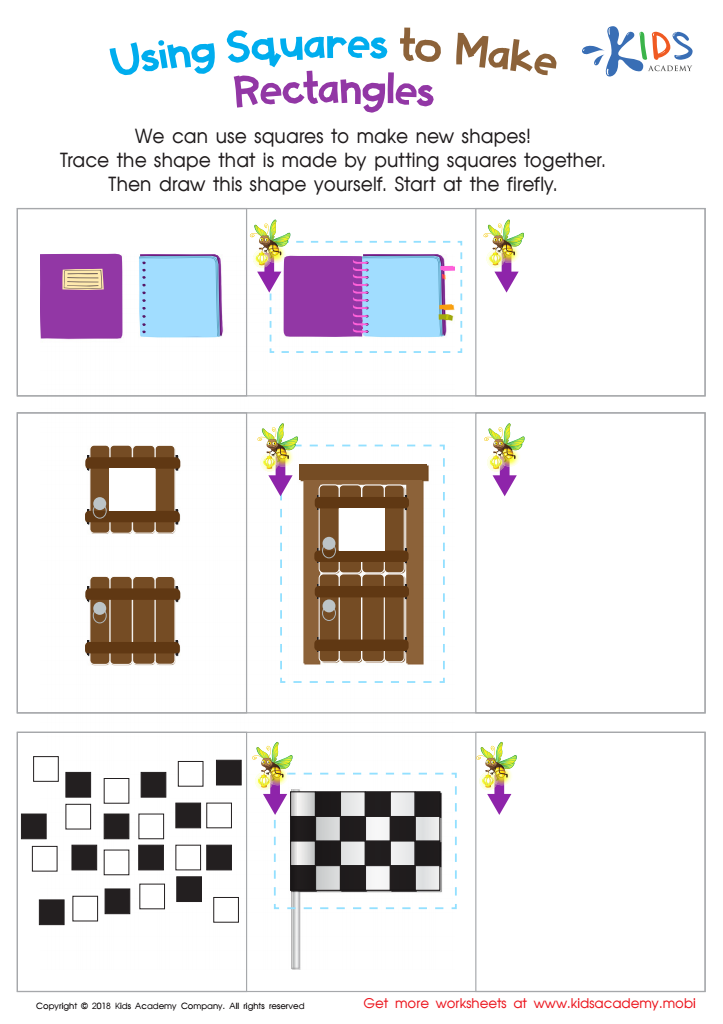
Using Squares to Make Rectangles Worksheet
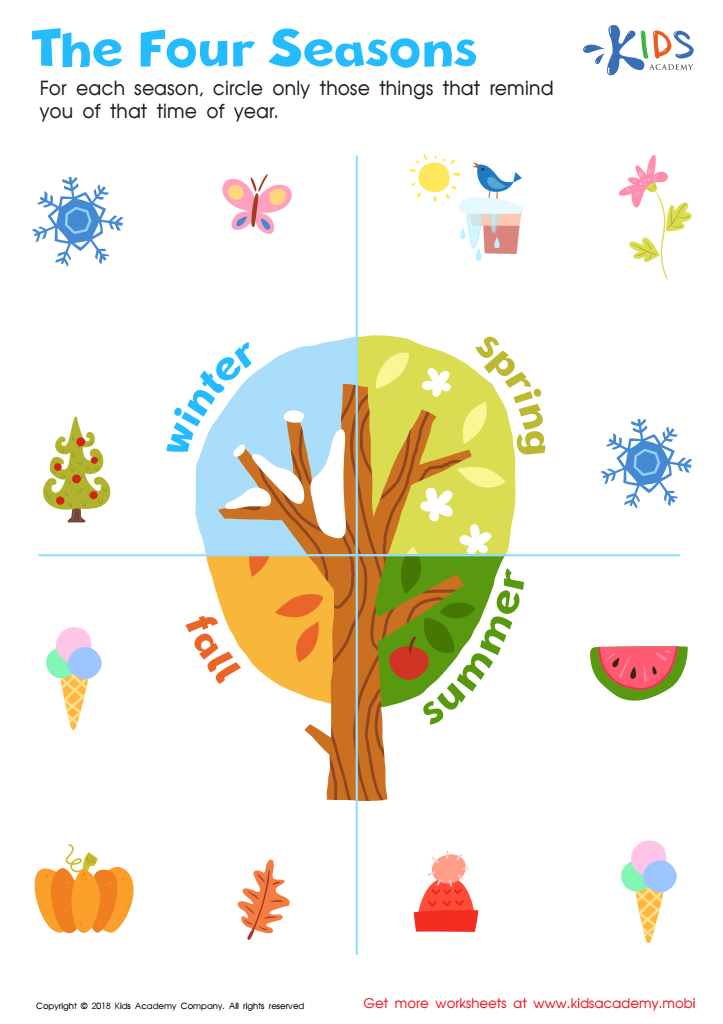
The Four Seasons Worksheet
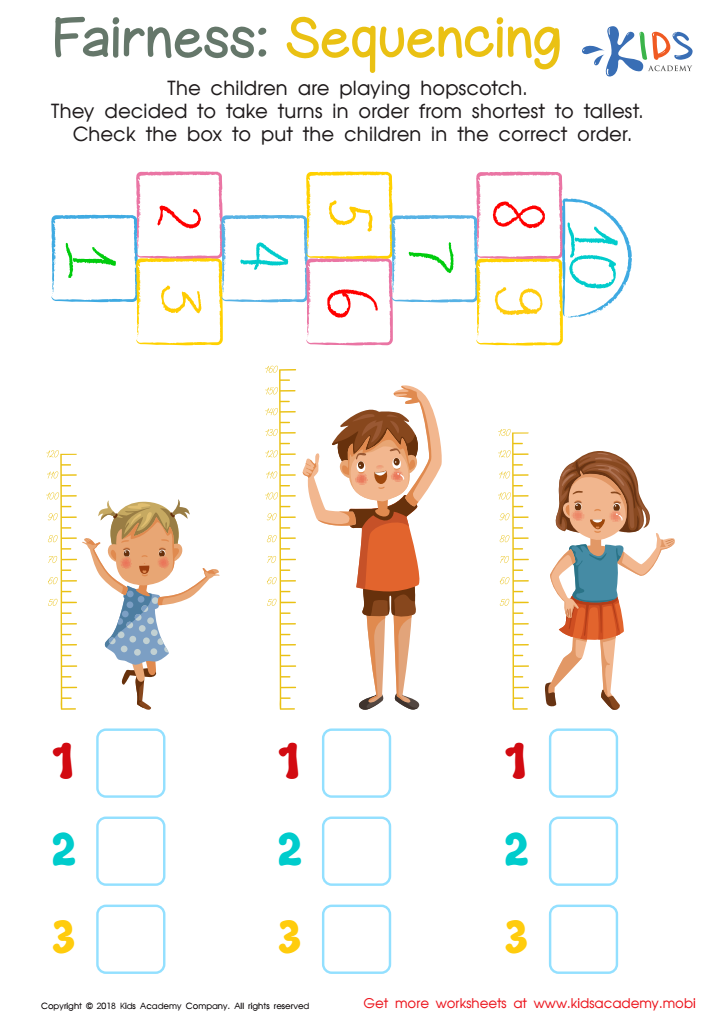
Fairness: Sequencing Worksheet
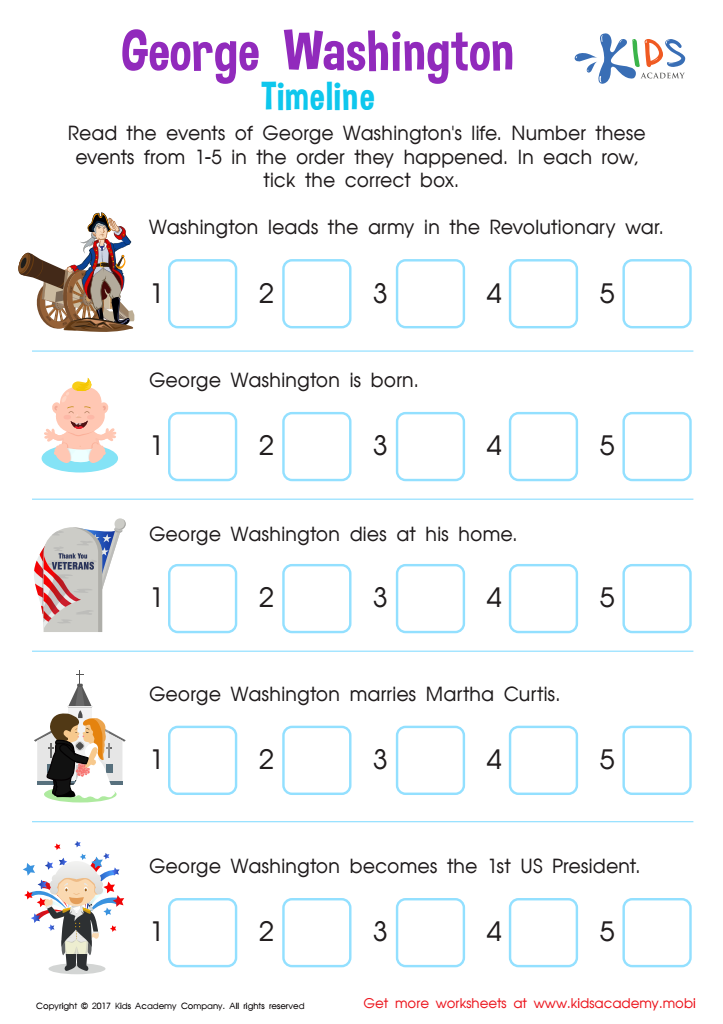
George Washington Timeline Worksheet
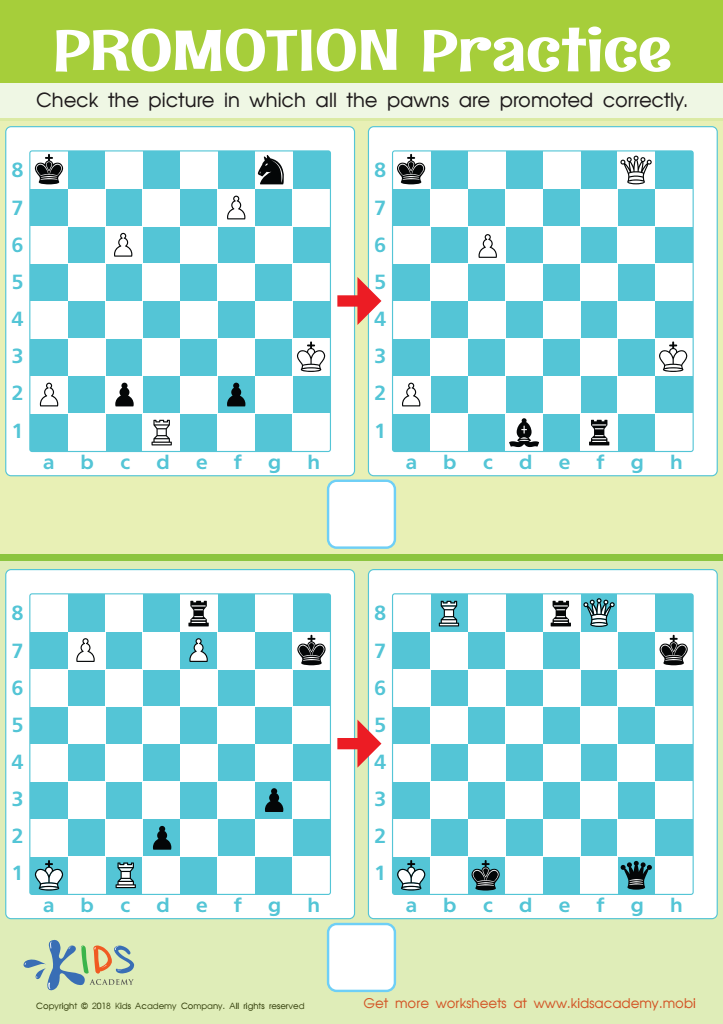
Promotion Practice Worksheet
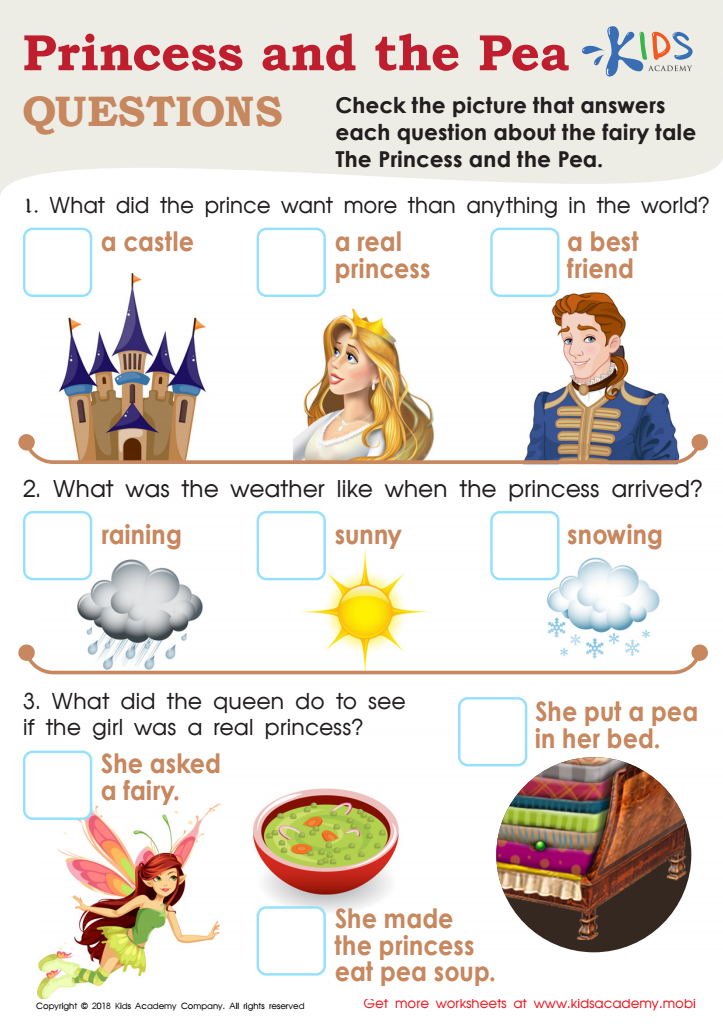
Princess and the Pea Questions Worksheet



.jpg)
.jpg)




Critical thinking skills are essential for young children, including 4-year-olds, because they lay the foundation for lifelong learning and problem-solving abilities. At this age, children's brains are rapidly developing, making it a crucial time to nurture these skills. Encouraging critical thinking helps young learners become more independent, make informed decisions, and approach challenges creatively and analytically.
Parents and teachers should focus on critical thinking because it fosters curiosity and inquisitiveness. When children learn to ask questions, evaluate information, and think deeply, they become more engaged and motivated learners. Activities that encourage comparing, contrasting, and predicting can help children understand complex concepts and see connections between different ideas.
Moreover, critical thinking enhances social-emotional development. By thinking about the perspectives and feelings of others, children can develop empathy and better interpersonal skills. They become more adept at solving conflicts and negotiating their needs constructively.
Incorporating critical thinking into early education doesn't require complex tasks. Simple activities like open-ended play, storytelling, and group discussions can stimulate cognitive growth. As a result, both parents and teachers can significantly contribute to a child's intellectual and social development, setting a strong foundation for future academic and life success.








