
Enhancing fine motor skills Worksheets for 4-Year-Olds
4 filtered results
Difficulty Level
Grade
Age
-
From - To
Subject
Activity
Standards
Boost your child's fine motor skills with our expertly designed worksheets for 4-year-olds. At Kids Academy, we offer engaging, fun-filled activities to promote dexterity, coordination, and precision. Our printable worksheets focus on vital skills like tracing, cutting, and drawing, enabling toddlers to develop the necessary hand strength and control. Perfect for both classroom and at-home practice, these exercises will help prepare little hands for writing and beyond. Each worksheet is crafted to make learning enjoyable and beneficial, ensuring every child progresses at their own pace while fostering creativity and confidence. Start enhancing your 4-year-old's fine motor skills today!
Favorites
With answer key
Interactive
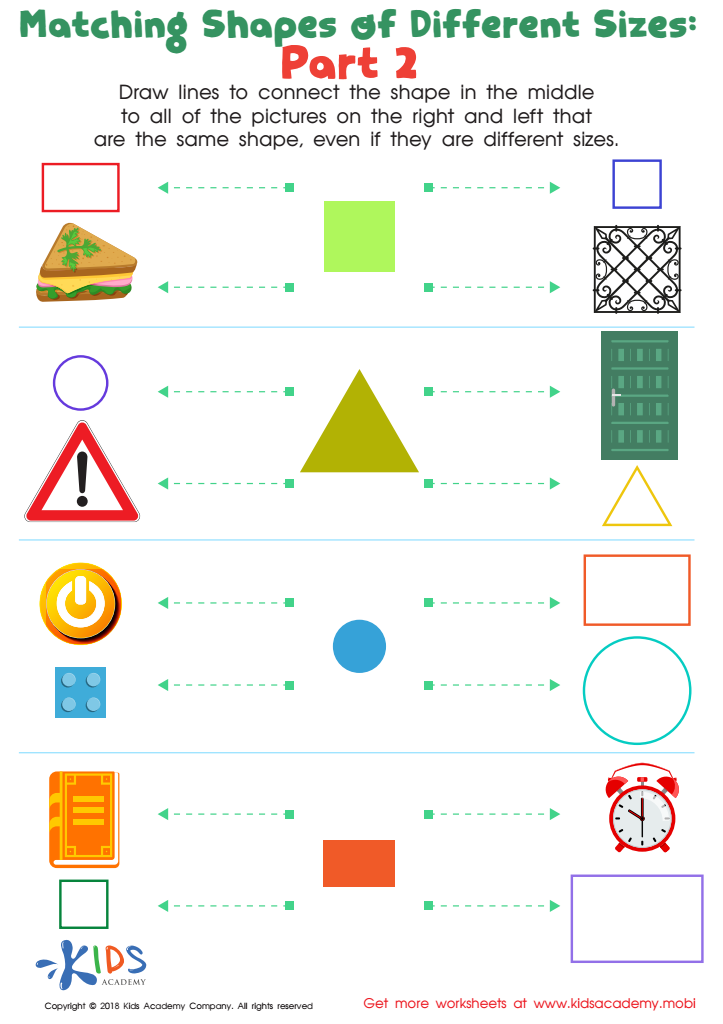
Geometry: Part 2 Worksheet
Third grade geometry gets a challenge with this free worksheet. Kids match shapes to everyday objects like sandwiches, alarm clocks and books for a better understanding of geometry in their lives. Printable pdf is included.
 Assign to My Students
Geometry: Part 2 Worksheet
Worksheet
Join Kids Academy for Free
Who is primarily going to use this learning content?





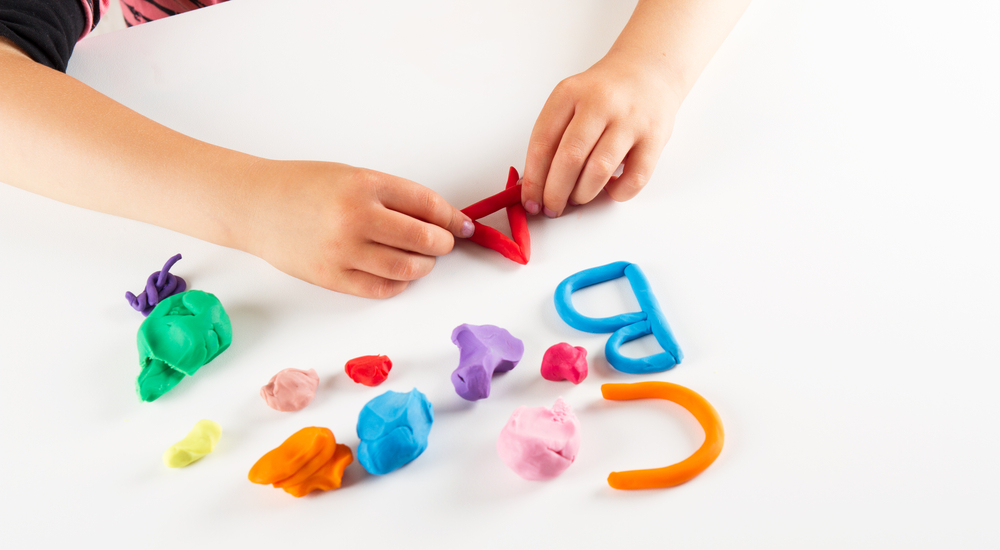


Enhancing fine motor skills in 4-year-olds is crucial as it lays the foundation for essential activities in their daily lives and future academic success. Fine motor skills involve the coordination of small muscles in the hands and fingers, allowing children to perform tasks like writing, buttoning clothes, using utensils, and turning pages in a book. For parents and teachers, nurturing these skills can significantly impact a child's developmental trajectory.
Firstly, refined fine motor skills support independence; children who can manage tasks like dressing and feeding themselves gain confidence and self-sufficiency. Secondly, these skills are directly linked to academic achievements. Activities such as drawing, cutting with scissors, and manipulating objects boost hand-eye coordination, pencil grip, and control—all critical for handwriting, an important focus when formal schooling begins.
Furthermore, fine motor development is interconnected with cognitive and social skills. Manipulative play enhances problem-solving abilities and creativity while structured activities like group art projects foster social interactions and teamwork. By prioritizing fine motor development, parents and educators can help children navigate their world more efficiently and set the stage for complex skill acquisition, contributing to their overall resilience, adaptability, and academic readiness. Investing time and resources into enhancing fine motor skills is, therefore, an investment in children's holistic growth and long-term success.








