Improve vocabulary Worksheets for 4-Year-Olds
4 filtered results
-
From - To
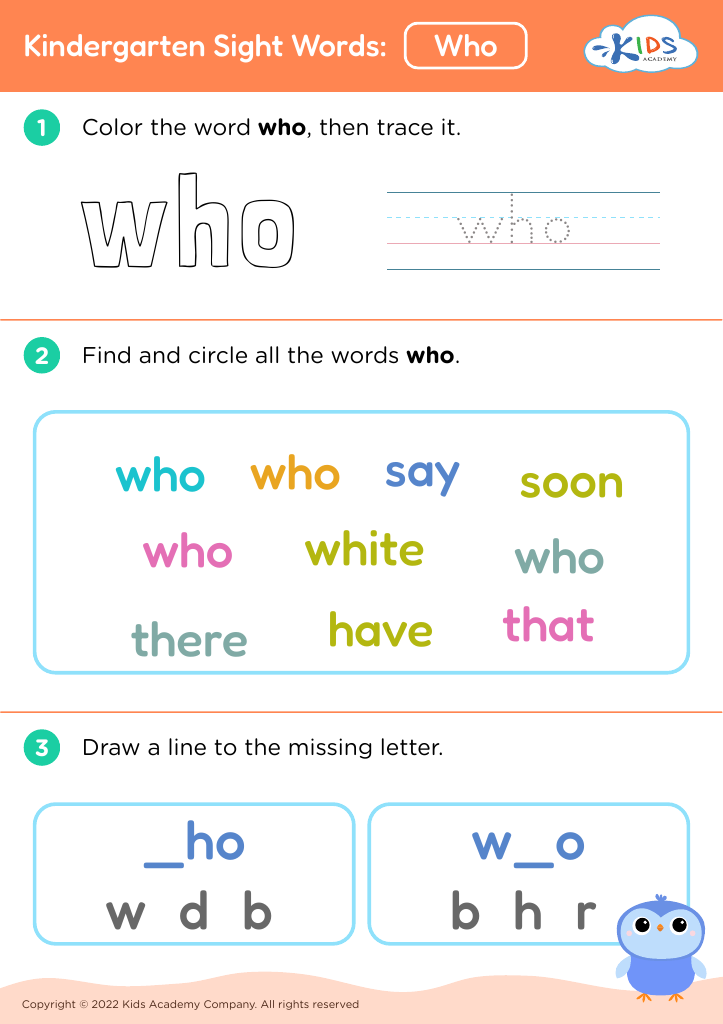
Discover our collection of "Improve Vocabulary Worksheets for 4-Year-Olds" designed to spark your child's love for words! Our engaging, colorful worksheets help young learners expand their vocabulary through fun activities like matching words to pictures, filling in missing letters, and identifying words from context clues. These age-appropriate materials not only make learning enjoyable but also foster critical thinking and language skills essential for early development. Perfect for homeschoolers and preschoolers alike, our worksheets provide a foundation for effective communication, enhancing both comprehension and expression. Unlock your child's potential and watch them thrive in their language journey!

Homes Worksheet
 Assign to My Students
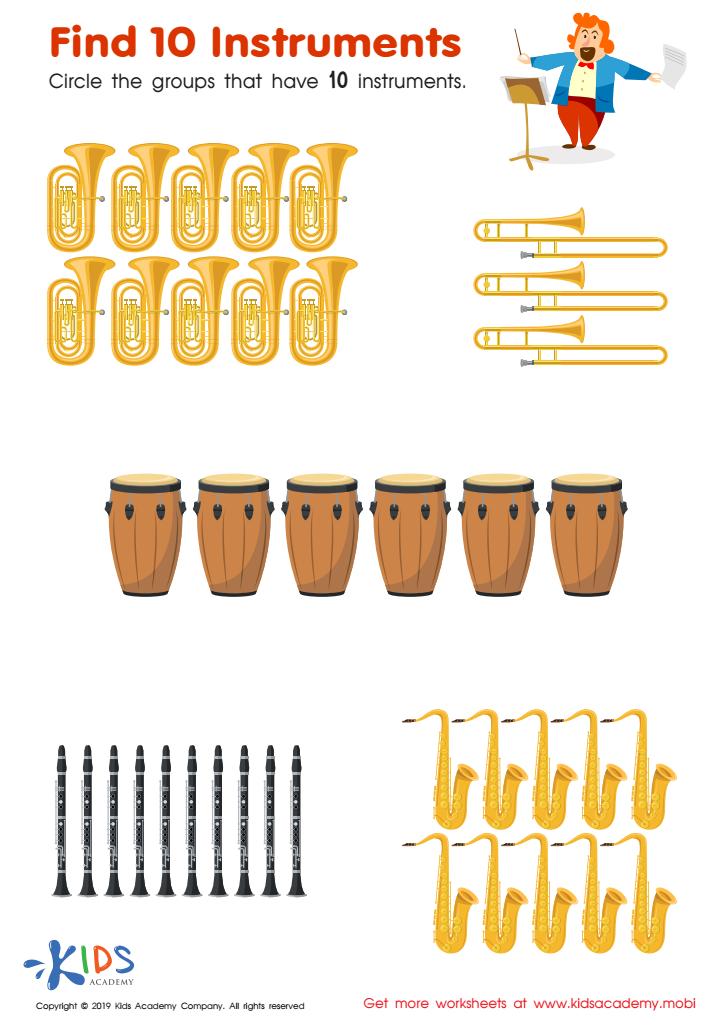
Find 10 Instruments Worksheet







.jpg)
Improving vocabulary for 4-year-olds is crucial for several reasons. At this age, children are in a critical period of language development, where they rapidly absorb new words and concepts. A rich vocabulary supports their cognitive growth, allowing them to think critically and express their thoughts and feelings clearly. When parents and teachers prioritize vocabulary development, they lay a strong foundation for literacy skills.
Children with an extensive vocabulary tend to perform better in reading and writing as they progress to elementary school. This, in turn, can enhance their academic success and self-confidence. Engaged vocabulary learning also fosters social-emotional development; children with strong communication skills are often better equipped to build relationships with peers and navigate social situations.
Moreover, parents and teachers serve as role models in language use. By incorporating varied vocabulary in conversations and encouraging children to explore new words, adults can nurture a love for language and learning. Engaging activities, reading stories, and interactive play can make vocabulary acquisition enjoyable. Ultimately, investing in vocabulary improvement for young children sets them on a path towards lifelong learning and communication success, enabling them to thrive both academically and socially.








