Improving analytical skills Worksheets for 4-Year-Olds
4 filtered results
-
From - To
Discover our engaging collection of "Improving Analytical Skills Worksheets for 4-Year-Olds," designed to stimulate young minds through fun, interactive activities! These thoughtfully crafted worksheets focus on enhancing critical thinking, problem-solving, and logical reasoning in early learners. By navigating puzzles, sorting tasks, and matching games, children will develop essential analytical skills while enjoying the learning process. Our materials are aligned with early childhood education standards, making them perfect for home or classroom use. Foster a love for learning and curiosity in your little ones as they explore, analyze, and discover. Start their educational journey today with our printable worksheets!
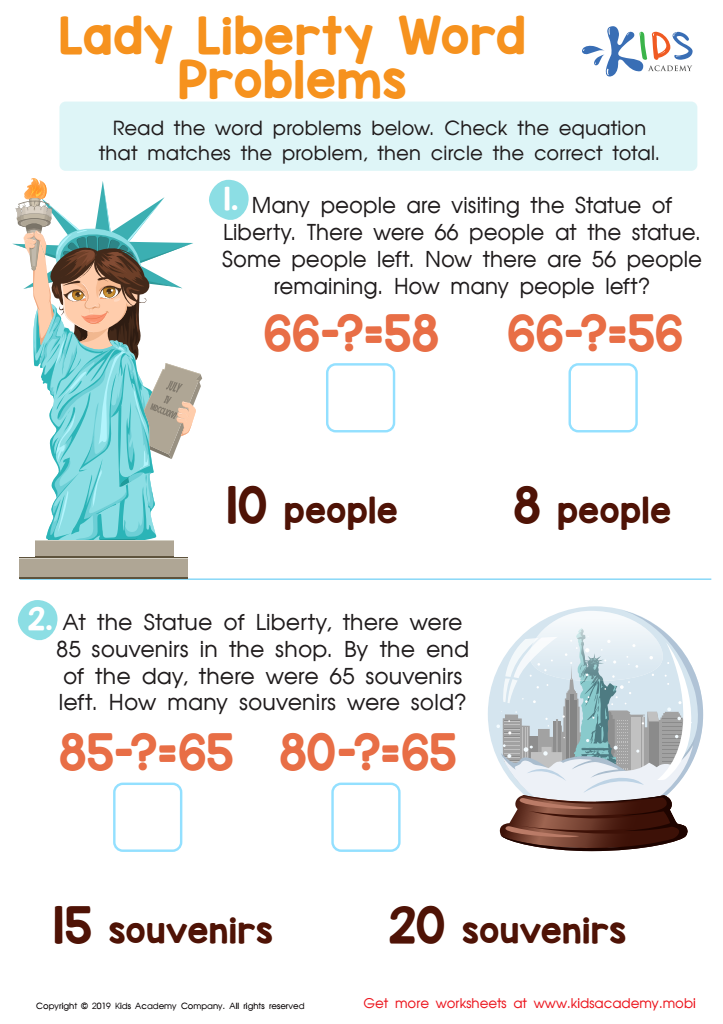
Lady Liberty Worksheet
 Assign to My Students
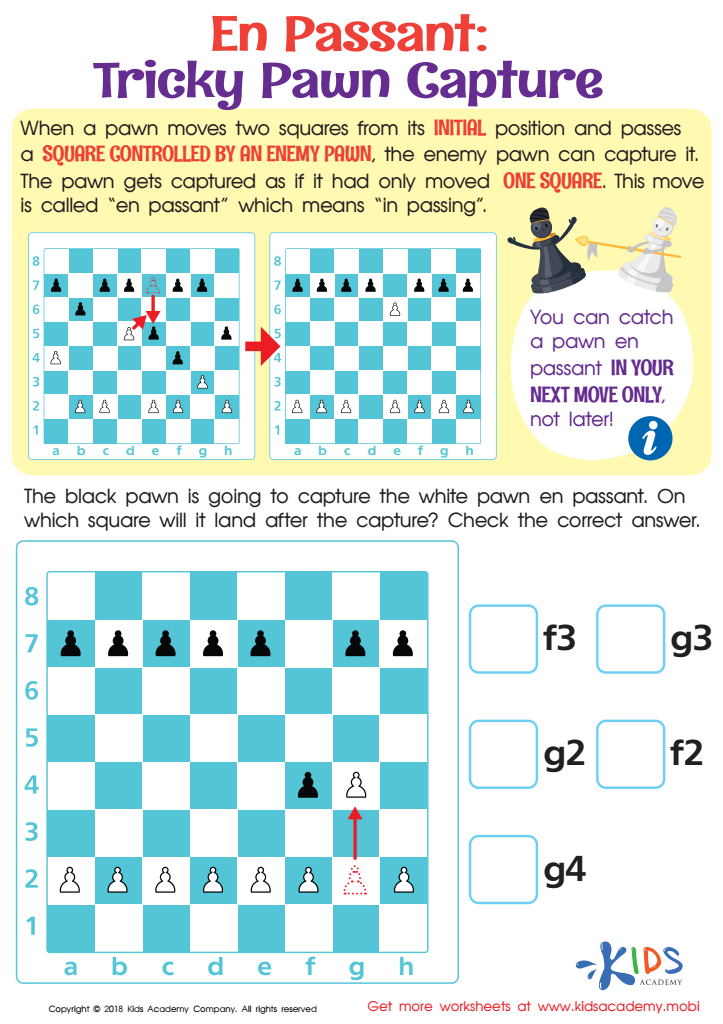
En Passant: Tricky Pawn Capture Worksheet
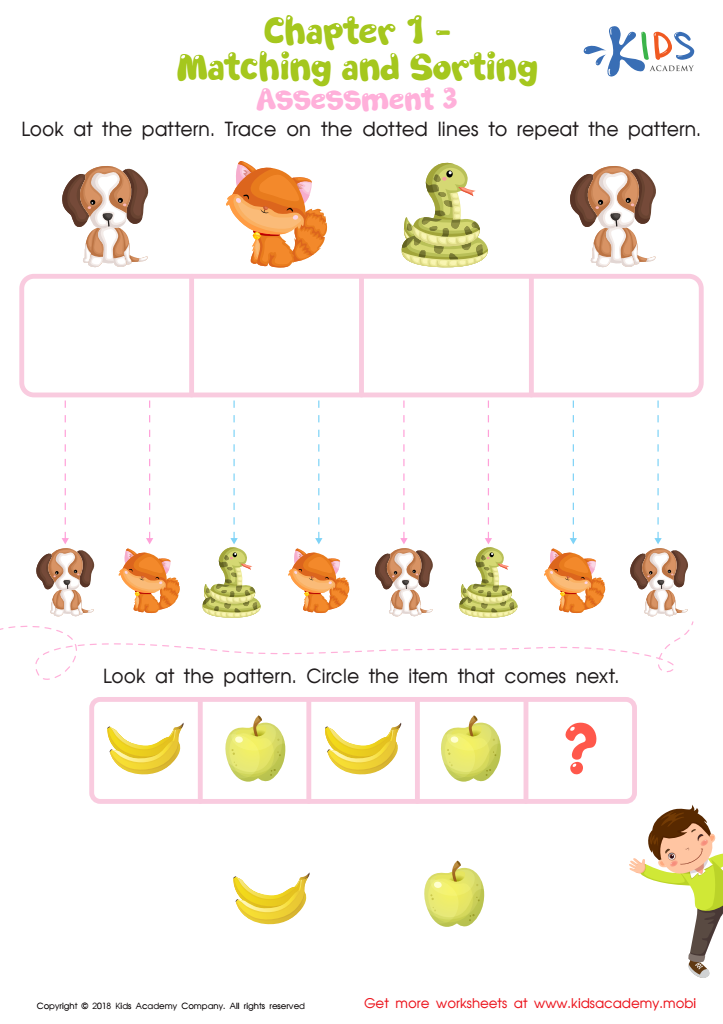
Matching and Sorting for Preschool: Assessment 3 Worksheet
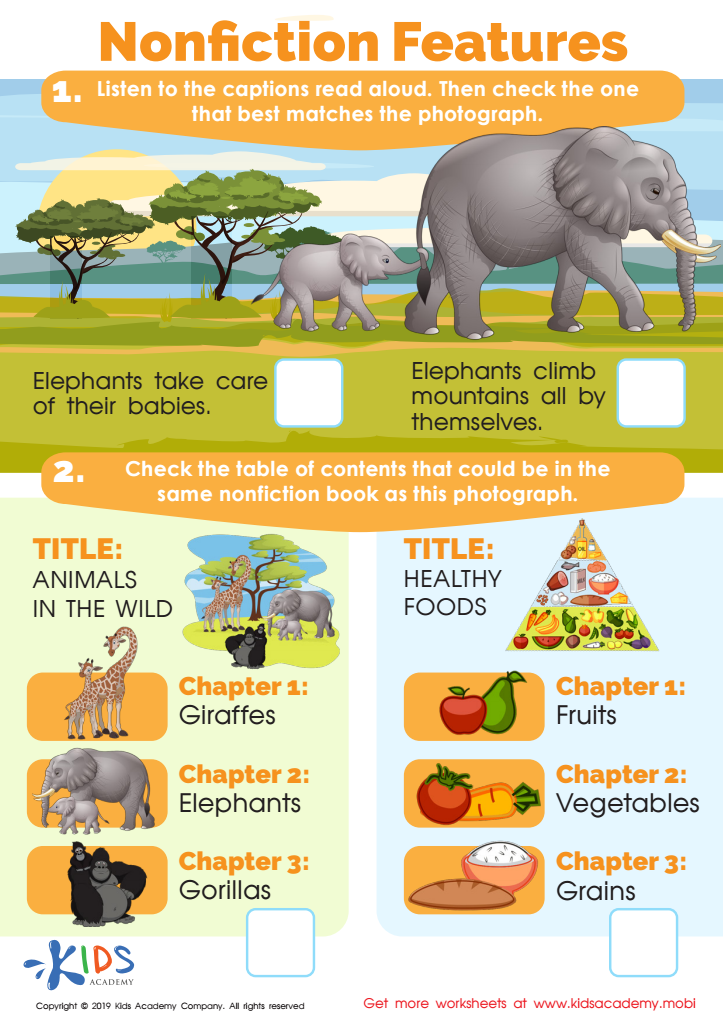
Nonfiction Features Worksheet





.jpg)


Improving analytical skills in 4-year-olds is crucial for their cognitive and social development. At this age, children are naturally curious and eager to explore, making it an ideal time to cultivate critical thinking skills. By nurturing these abilities, parents and teachers can enhance a child's problem-solving prowess and encourage independent thinking.
Analytical skills help children make sense of the world around them. They learn to question, compare, classify, and draw conclusions, solidifying foundations for comprehension and reasoning in later educational experiences. Activities that promote discussion, exploration, and hands-on learning invite children to think critically—such as puzzles, games, or simple science experiments.
Investing in a child’s analytical growth doesn't just support academic achievement; it also enhances social skills. Children become better equipped to communicate ideas, negotiate with peers, and make decisions, fostering emotional intelligence and confidence.
Ultimately, enhancing analytical skills from a young age paves the way for lifelong learning and adaptability. In today’s rapidly changing world, these skills will enable children to navigate complex challenges effectively, setting them up for success both in school and beyond. Parents and teachers should prioritize enriching environments that stimulate curiosity and analytical thought to foster these essential skills.








