Learning addition Worksheets for 4-Year-Olds
3 filtered results
-
From - To
Our "Learning Addition Worksheets for 4-Year-Olds" are designed to make early math exploration fun and engaging. These colorful worksheets introduce basic addition concepts through playful activities and vibrant visuals, fostering a love for learning in young children. By working through simple addition problems, kids will develop essential math skills such as counting, number recognition, and analytical thinking. Perfect for both classroom and at-home practice, these printable worksheets are an excellent resource for parents and teachers aiming to support early mathematical development. At Kids Academy, we believe that learning should be an enjoyable adventure for every child.
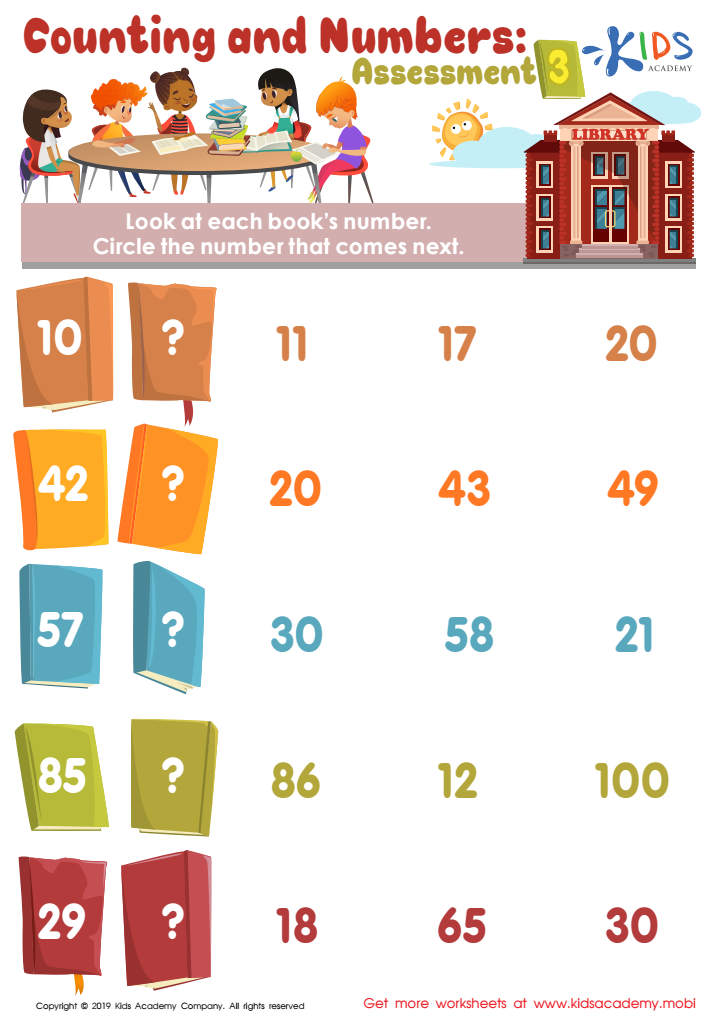
Counting and Numbers: Assessment Worksheet
 Assign to My Students
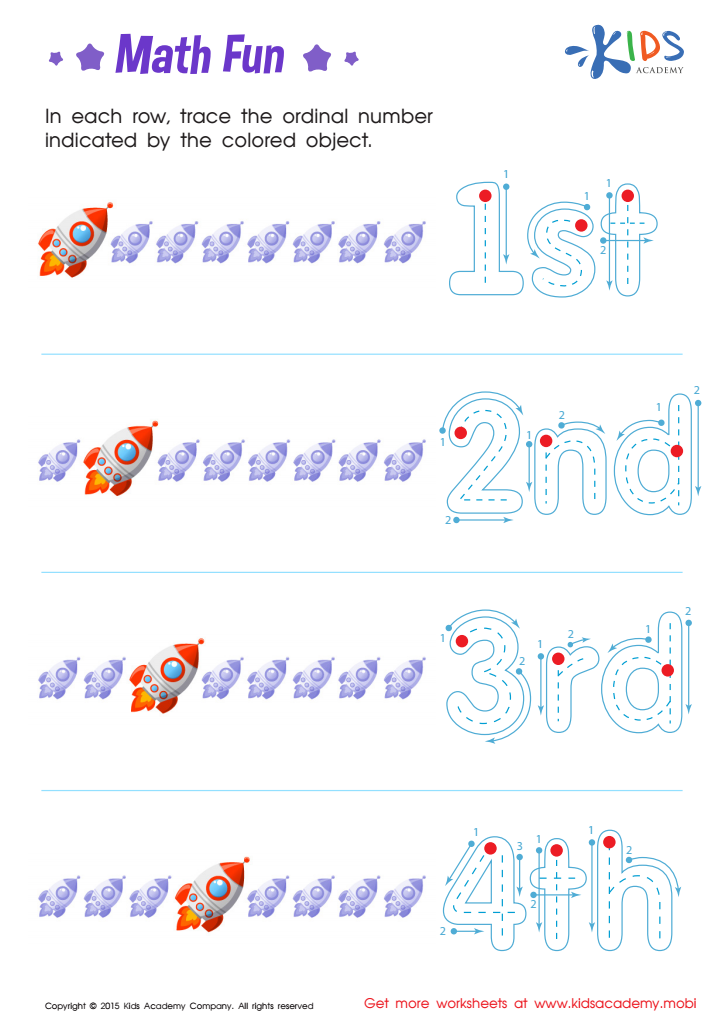
Ordinal Numbers: Math Fun Worksheet
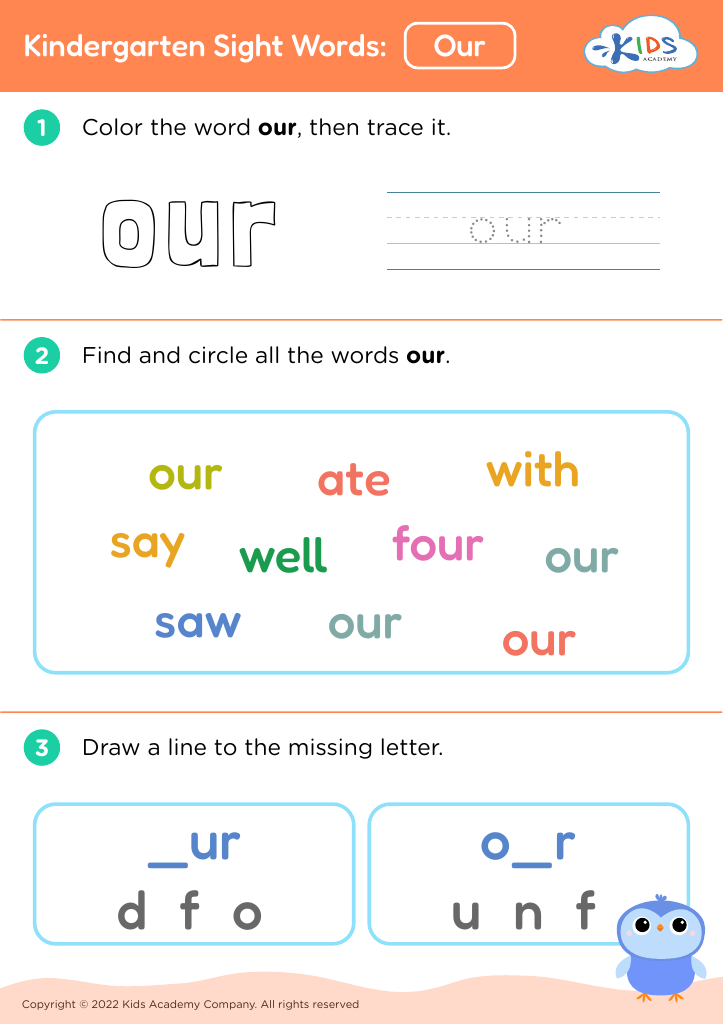








Learning addition at an early age, such as at 4 years old, sets a critical foundation for a child's future mathematical understanding and overall cognitive development. Parents and teachers should care about this because early mathematical skills are linked to academic achievement not just in math, but across various subjects. When young children start learning basic addition, they cultivate essential skills like problem-solving, critical thinking, and logical reasoning, which are vital for lifelong learning.
Early exposure to addition also helps children develop a positive attitude towards mathematics. Engaging in mathematical activities in a fun, stress-free environment boosts their confidence and interest in the subject, making them more likely to succeed later in school. For instance, playing games that involve counting objects and simple addition fosters both social and cognitive skills.
Moreover, early math learning has practical, everyday applications. It equips children with the ability to understand numbers in their environment, aiding in activities like counting toys, sharing snacks, or identifying shapes and patterns. Altogether, these experiences contribute to a well-rounded early childhood education, enabling children to navigate and understand the world around them more effectively. Thus, prioritizing early addition skills truly helps in laying a strong educational and developmental groundwork.








