Letter Tracing Worksheets for 4-Year-Olds
8 filtered results
-
From - To
Discover our engaging Letter Tracing Worksheets designed specifically for 4-year-olds! These fun and educational resources help little learners develop their fine motor skills while mastering the alphabet. Our worksheets feature colorful illustrations and kid-friendly fonts, making tracing enjoyable and interactive. With each worksheet, children can practice both uppercase and lowercase letters, reinforcing letter recognition and sound association. Perfect for parents and teachers alike, these tracing exercises provide a solid foundation for future writing skills and promote early literacy development. Explore our collection now to enhance your child's learning experience and watch their confidence soar as they trace, write, and learn!
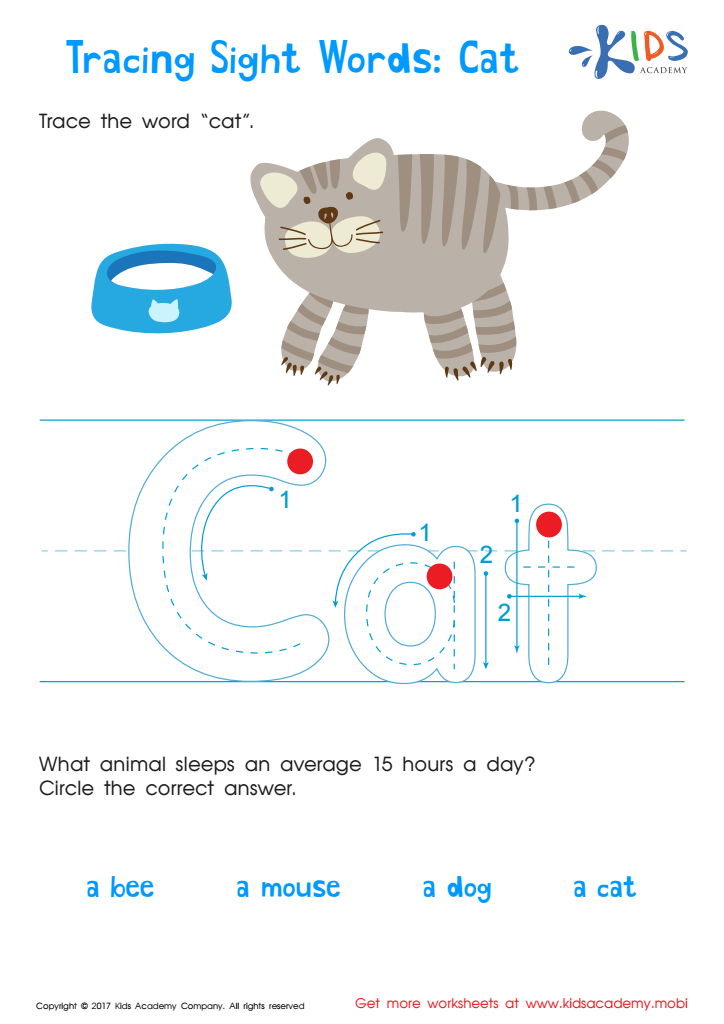
Cat Printable Sight Words Worksheet
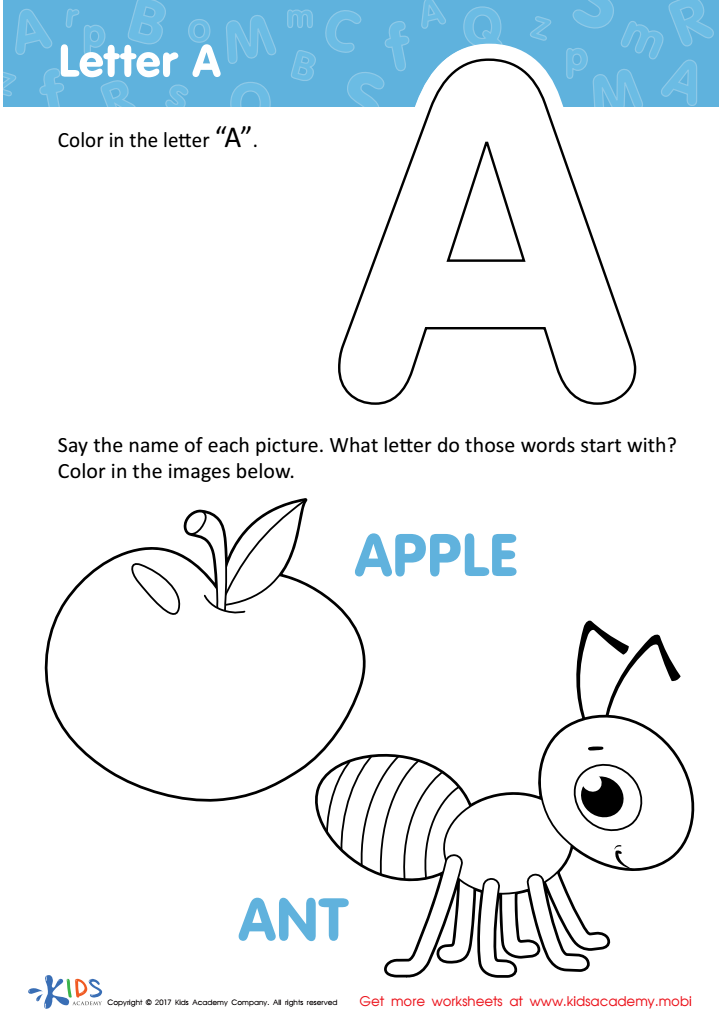
Letter A Coloring Sheet
 Assign to My Students
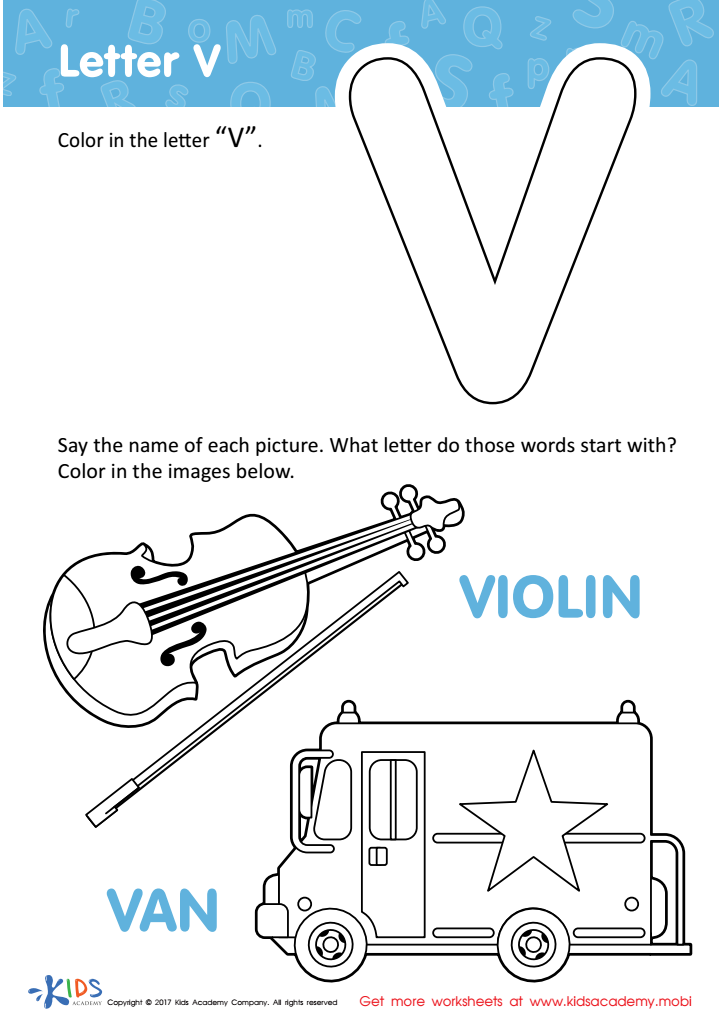
Letter V Coloring Sheet
Assign to My Students
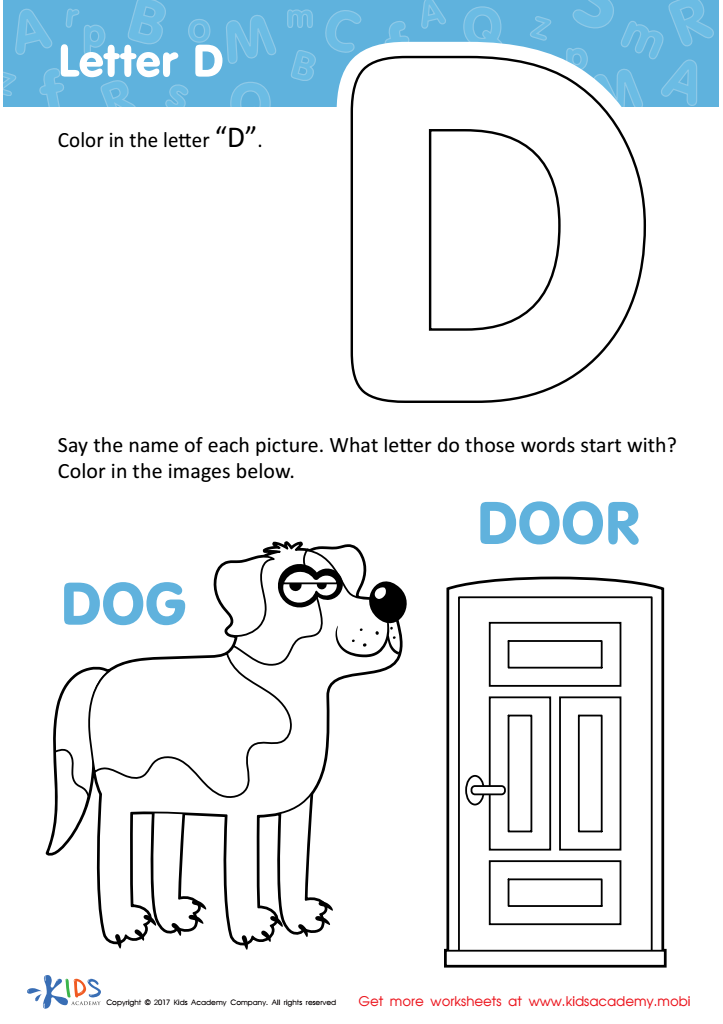
Letter D Coloring Sheet
Assign to My Students
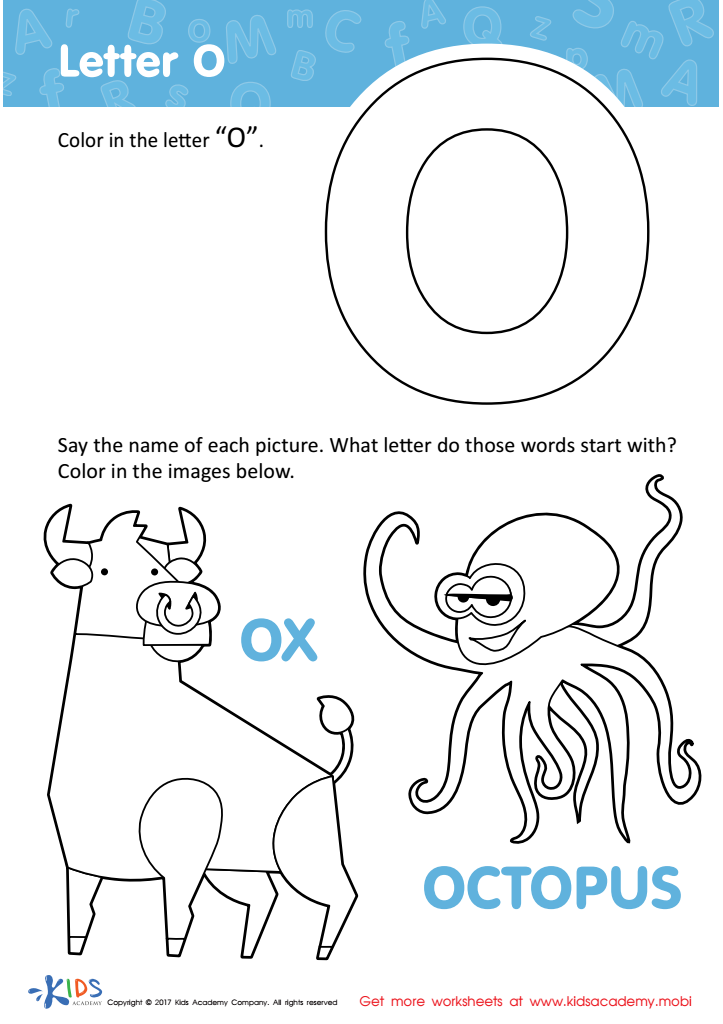
Letter O Coloring Sheet
Assign to My Students
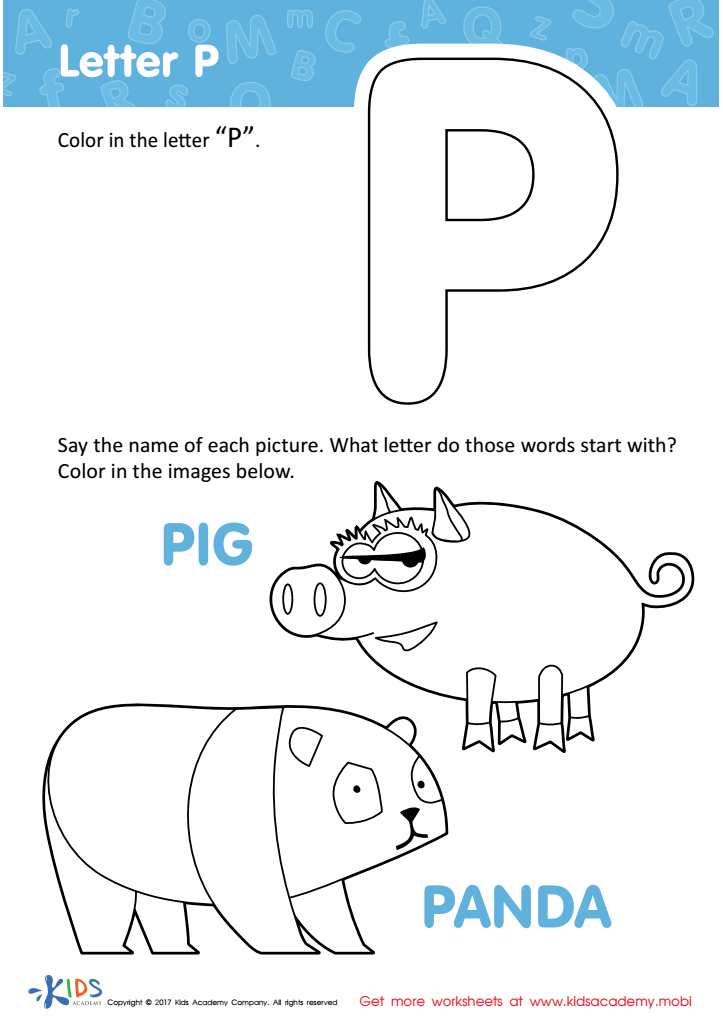
Letter P Coloring Sheet
Assign to My Students
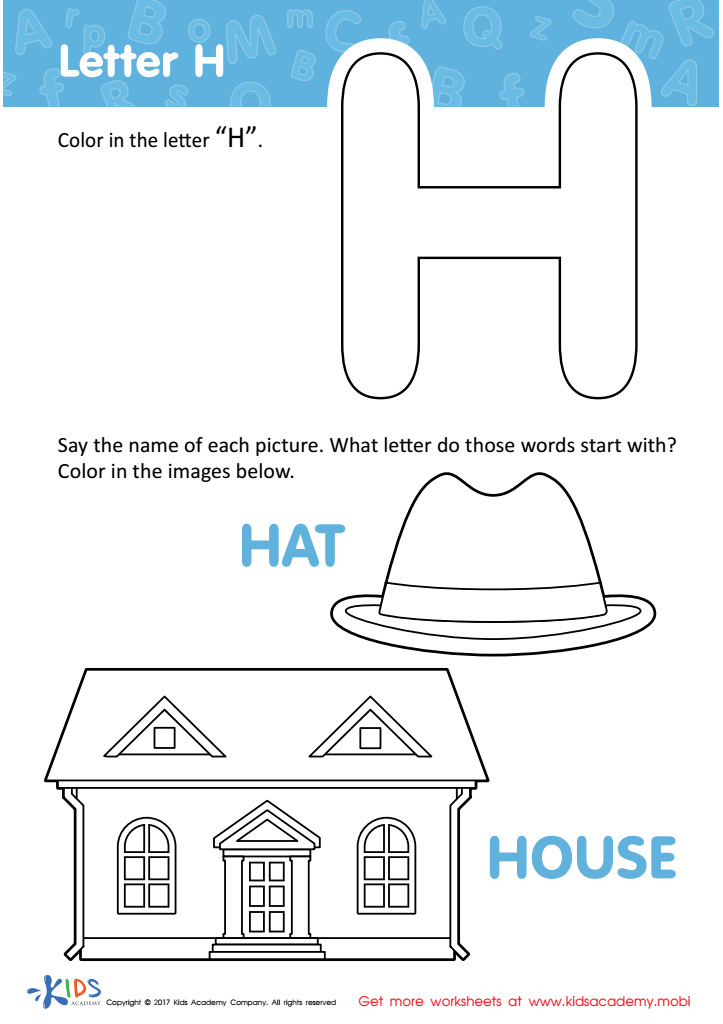
Letter H Coloring Sheet
Assign to My Students
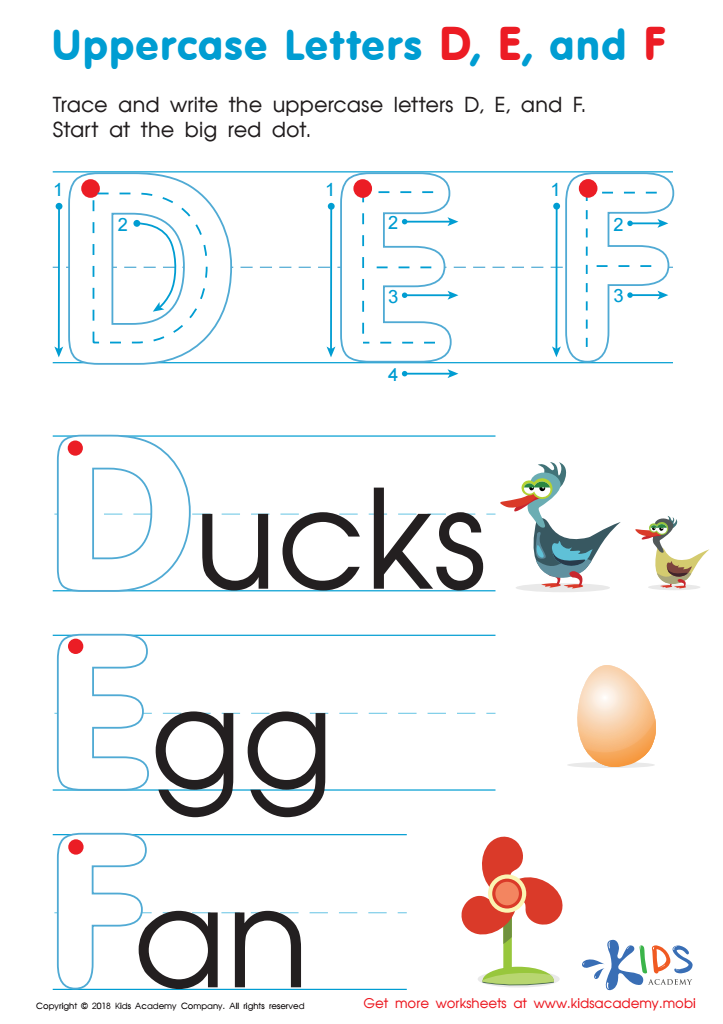
Uppercase Letters D, E, and F Worksheet






.jpg)
.jpg)
Letter tracing is an essential activity for 4-year-olds as it lays the foundational skills for literacy and fine motor development. First and foremost, tracing letters helps young children learn the shapes and sounds of the alphabet, fostering their early reading and writing skills. This understanding is crucial, as early literacy is linked to academic success later on.
Furthermore, letter tracing enhances fine motor skills, promoting hand-eye coordination and control. These skills are not only vital for writing but also for everyday tasks that require dexterity, such as buttoning clothes or using utensils. Engaging in tracing activities often captures children’s interest and makes learning enjoyable, incorporating play into education—a strategy that sustains their motivation.
Additionally, practicing letter tracing can boost a child's confidence. Celebrating small achievements in their letter-writing journey reinforces a growth mindset and encourages perseverance. Parents and teachers should also note that these activities create opportunities for quality bonding, as engaging together in learning fosters strong relationships and communication.
In summary, letter tracing is an impactful educational tool that supports literacy development, fine motor skills, confidence, and parent-child or teacher-student interactions. It is a crucial step towards preparing children for more advanced academic challenges.








