Number counting Worksheets for 4-Year-Olds
3 filtered results
-
From - To
Discover our engaging number counting worksheets designed specifically for 4-year-olds! These fun and interactive resources help young learners develop essential counting skills through colorful activities and engaging visuals. Each worksheet encourages children to practice counting objects, identifying numbers, and enhancing their understanding of quantities. Perfect for preschool or home learning, our materials support early math development in a playful and enjoyable manner. You can easily print and customize these worksheets to suit your child’s learning pace. Foster a love for numbers and build a strong foundation for future math success with our thoughtfully crafted counting worksheets!
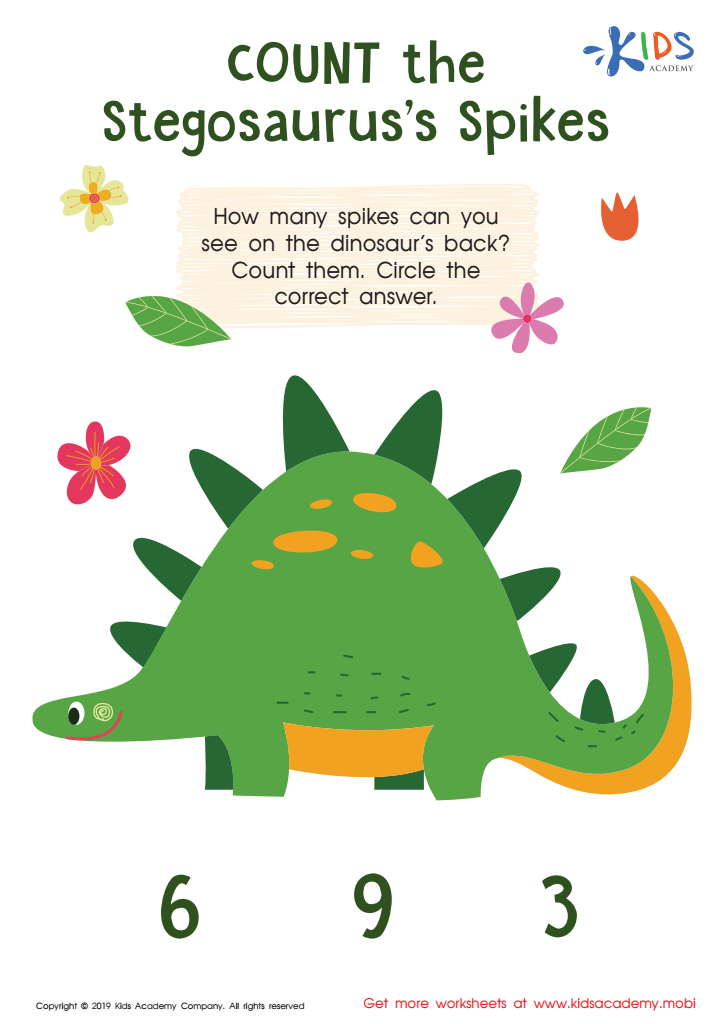
Count the Stegosaurus's Spikes Worksheet
 Assign to My Students
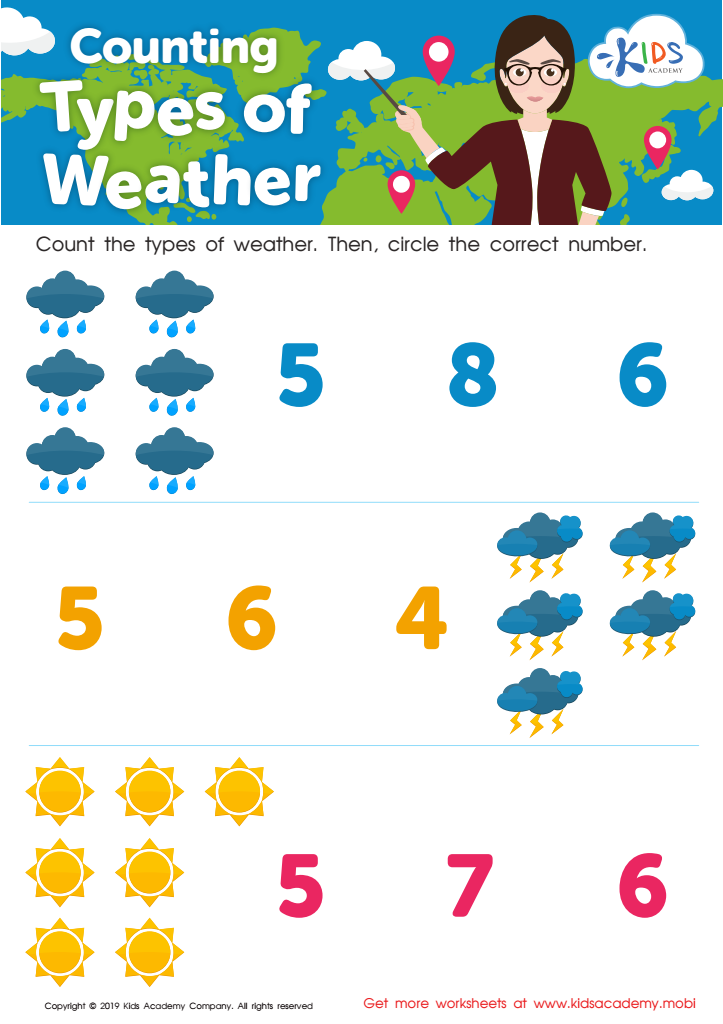
Counting Types of Weather Worksheet


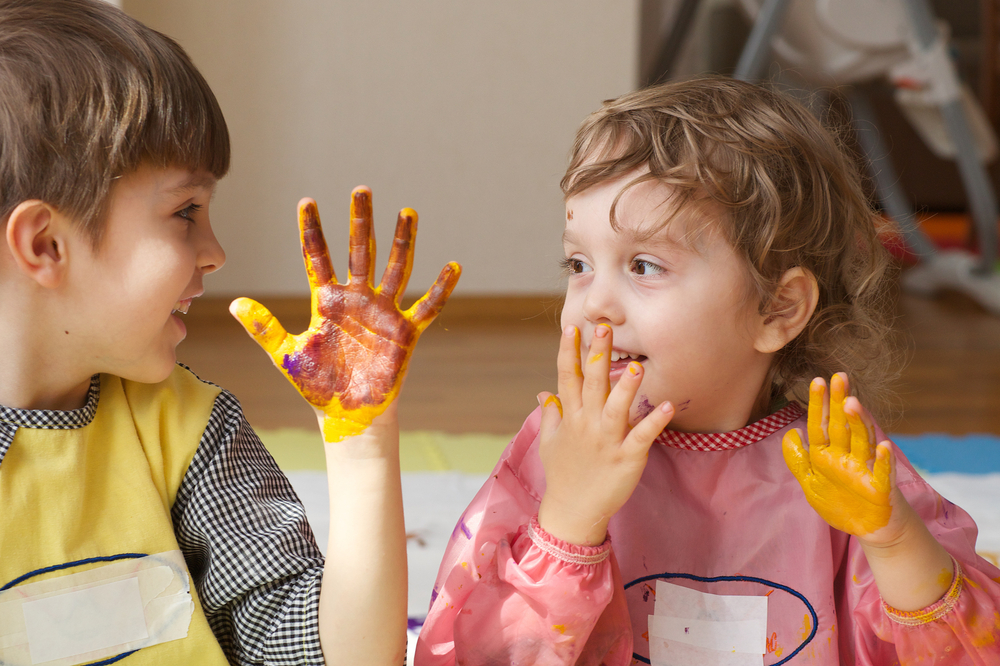





Counting is a fundamental skill that serves as the foundation for all future mathematical understanding, making it crucial for 4-year-olds. At this developmental stage, children are naturally curious and eager to explore numbers, making it the perfect time to introduce counting. Engaging in counting activities helps to develop essential cognitive skills, such as memory, attention, and spatial awareness.
When parents and teachers emphasize counting, they provide kids with the tools to make connections between numerical values and everyday objects. For example, counting toys, fruits, or steps helps children grasp the concept of quantity and prepares them for addition and subtraction later on. Additionally, counting nurtures language development as children learn number names and sequencing, indicating progress in their verbal abilities.
Moreover, mastering counting fosters confidence in a child's problem-solving skills. When kids are comfortable with numbers, they encounter fewer barriers to learning in mathematics as they grow. This early skill not only impacts academic performance but also encourages logical thinking and decision-making.
By incorporating counting into daily routines—whether through songs, games, or simple queries like "How many blocks do we have?"—parents and teachers can cultivate a positive attitude towards mathematics, setting a strong foundation for lifelong learning.








