Observation skills Worksheets for 4-Year-Olds
6 filtered results
-
From - To
Unlock the potential of your 4-year-old with our Observation Skills Worksheets! Specially designed to captivate young minds, these worksheets nurture critical thinking and attention to detail through fun, engaging activities. Kids can explore matching, sorting, spotting differences, and more, all of which enhance their observational abilities. Ideal for preschoolers, our resource makes learning a delightful adventure, promoting curiosity and foundational skills. Whether you're a parent or teacher, these worksheets are perfect for fostering keen observation and intellectual growth in your little one. Start today and watch your child’s attentiveness and comprehension skills soar!
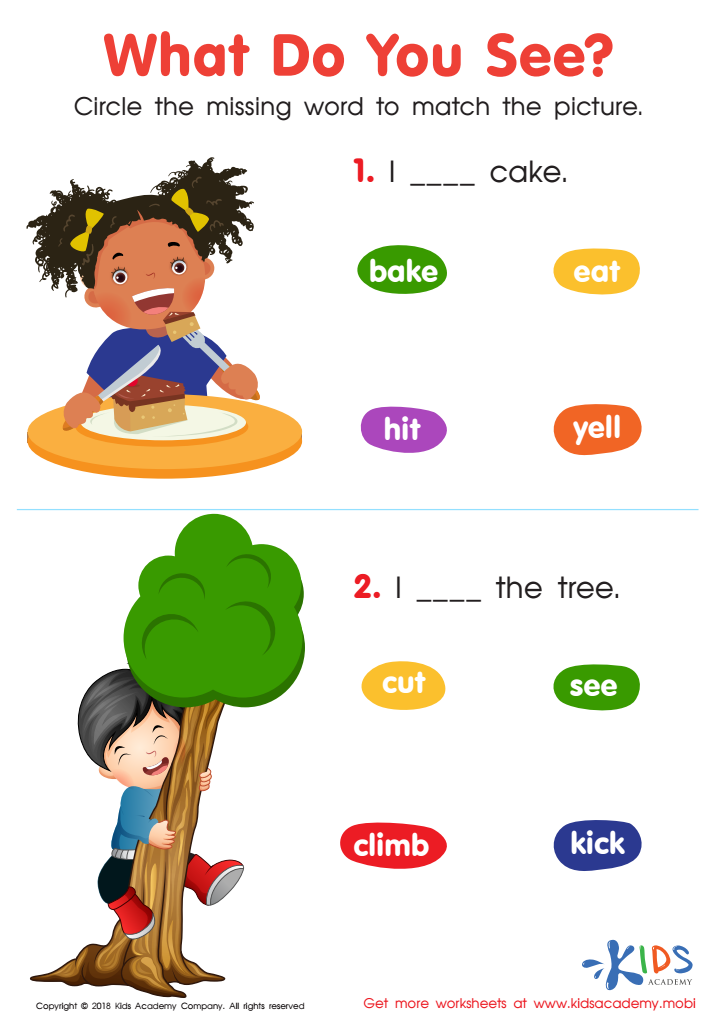
What Do You See? Reading Worksheet
 Assign to My Students
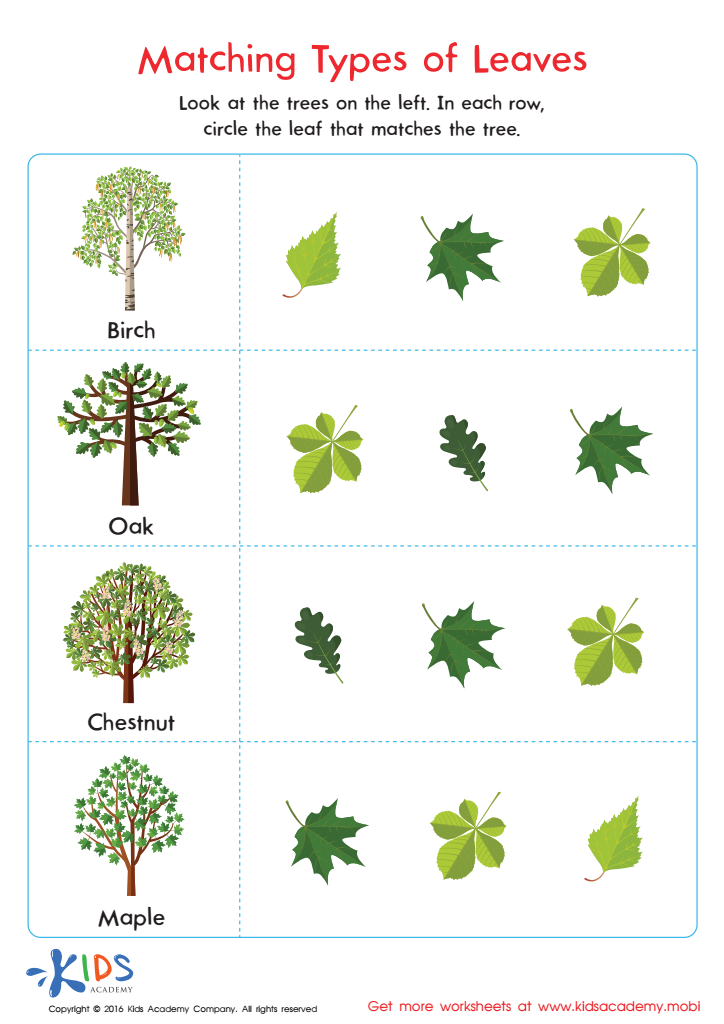
Matching Types of Leaves Printable
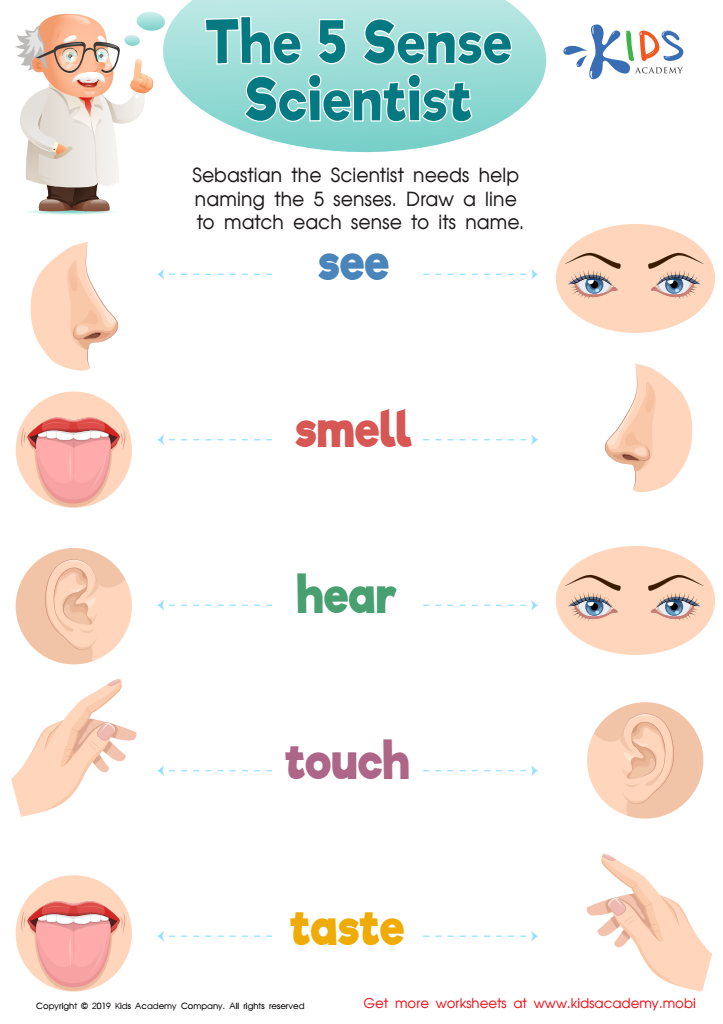
The 5 Sense Scientist Worksheet
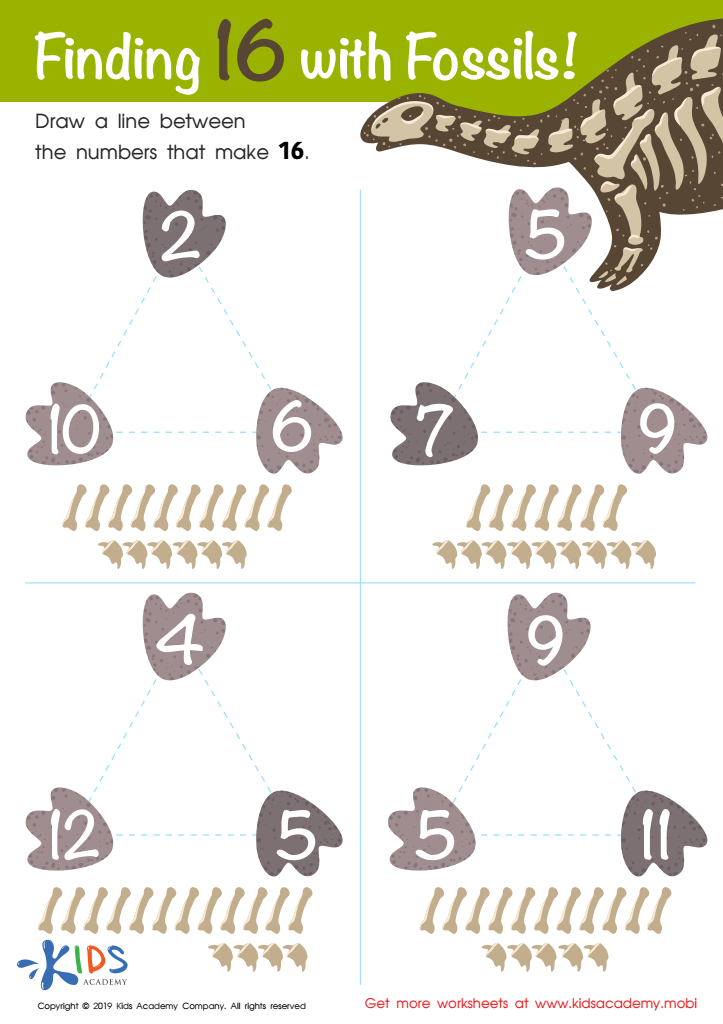
Finding 16 With Fossils Worksheet
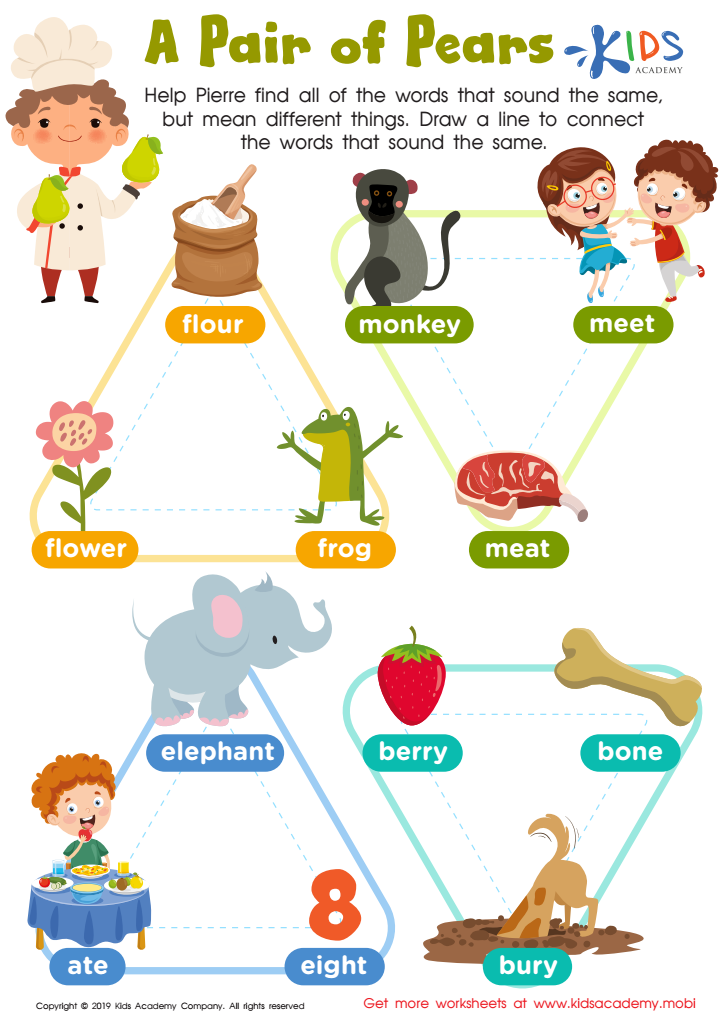
Pair Pears Worksheet







Observation skills are essential for 4-year-olds, and parents or teachers should certainly prioritize them. At this developmental stage, children are incredibly curious and beginning to make sense of the world around them. Observation skills help young children to notice, analyze, and understand their surroundings, laying the groundwork for reading, writing, math, and science. They become little scientists, learning cause and effect, pattern recognition, and basic problem-solving.
Developing these skills also enhances a child's social and emotional development. By observing others, children learn empathy, understand social cues, and develop better communication skills. They start to notice how their actions affect others and how others feel and react, which is fundamental for forming healthy relationships.
From an educational perspective, children who are good observers are often more attentive and engaged. They notice details in stories, grasp complex instructions, and can better follow sequences and routines, aiding their learning process.
Furthermore, fostering observation skills encourages children to be mindful and present. They learn to appreciate their environment, cultivating curiosity and a lifelong love of learning. Therefore, by encouraging and nurturing observation skills in 4-year-olds, parents and teachers set the foundation for a child's overall cognitive, social, and emotional development.








