Problem-solving practice Worksheets for 4-Year-Olds
8 filtered results
-
From - To
Enhance your child's critical thinking skills with our Problem-Solving Practice Worksheets for 4-Year-Olds! Designed to spark curiosity and encourage intuitive thinking, these engaging worksheets are perfect for young learners. Each activity promotes logical reasoning, pattern recognition, and decision-making through fun challenges and interactive problems tailored specifically for toddlers. Parents and educators alike will appreciate the vibrant illustrations and child-friendly formats that make learning enjoyable. With our printable worksheets, prepare your little ones to tackle everyday challenges and build a strong foundation for future academic success. Dive into the world of problem-solving and watch your child's confidence soar!
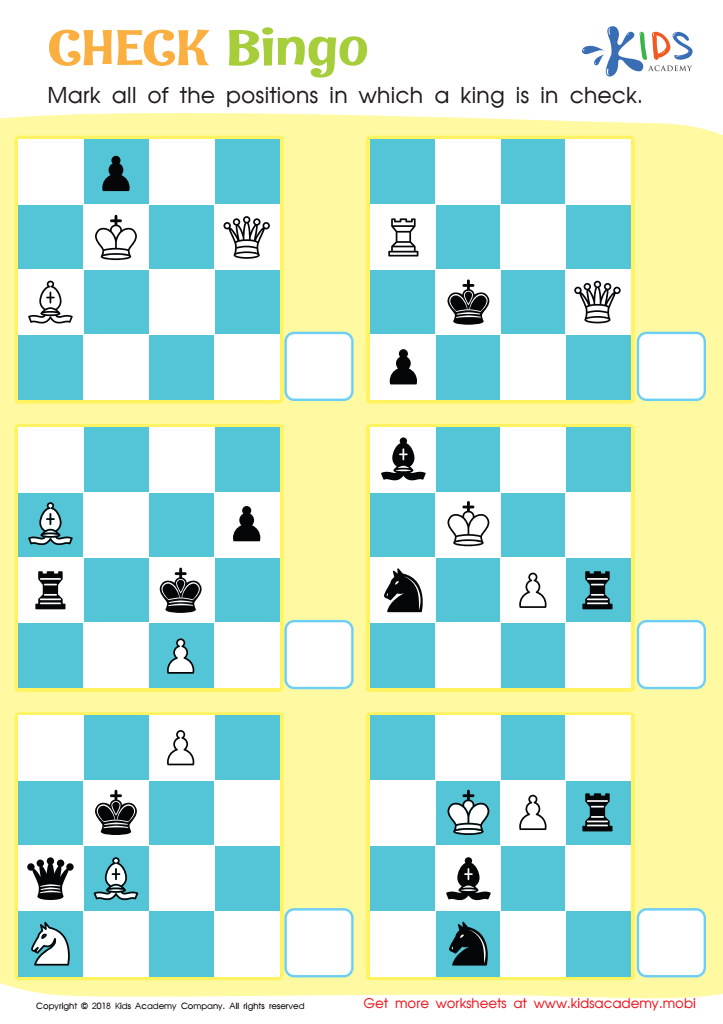
Check Bingo Worksheet
 Assign to My Students
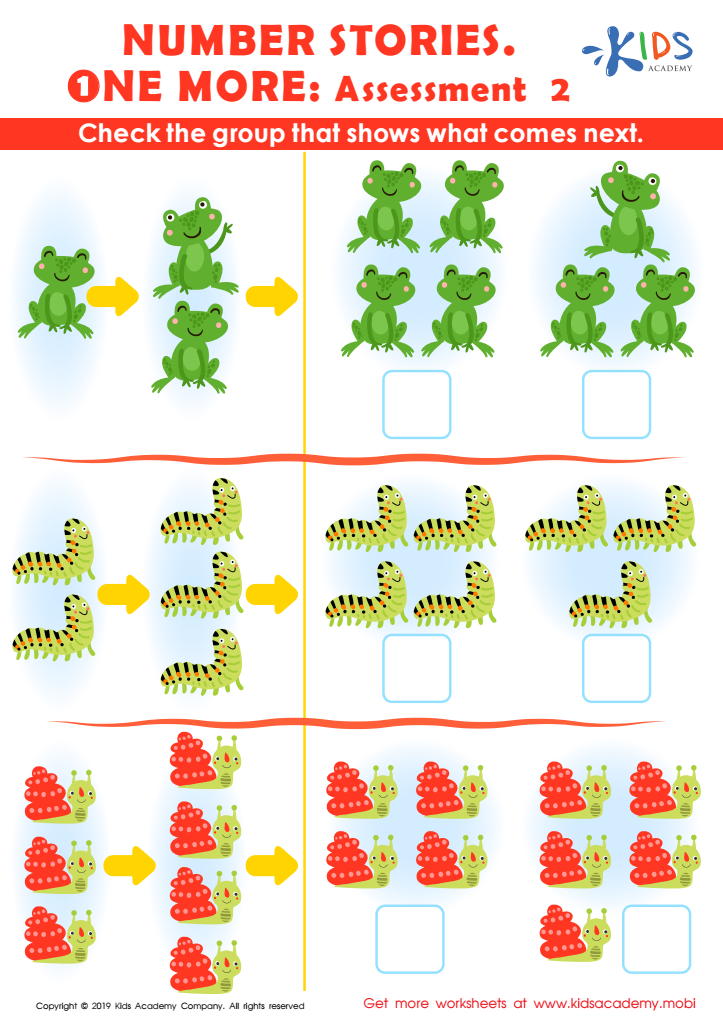
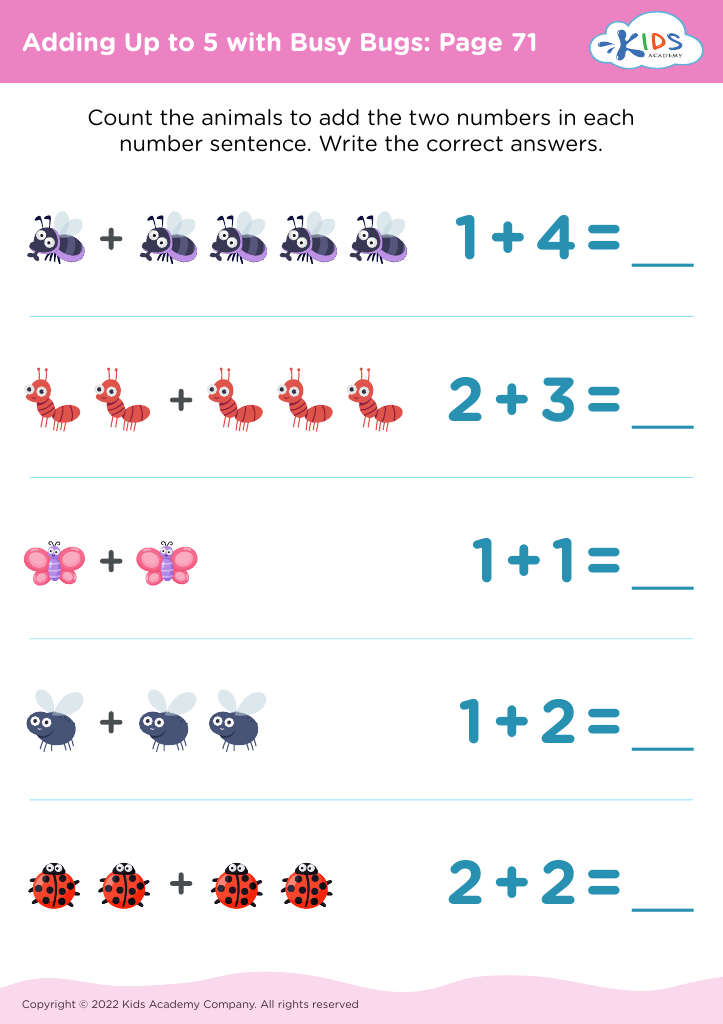
Number Stories One More – Assessment 2 Worksheet
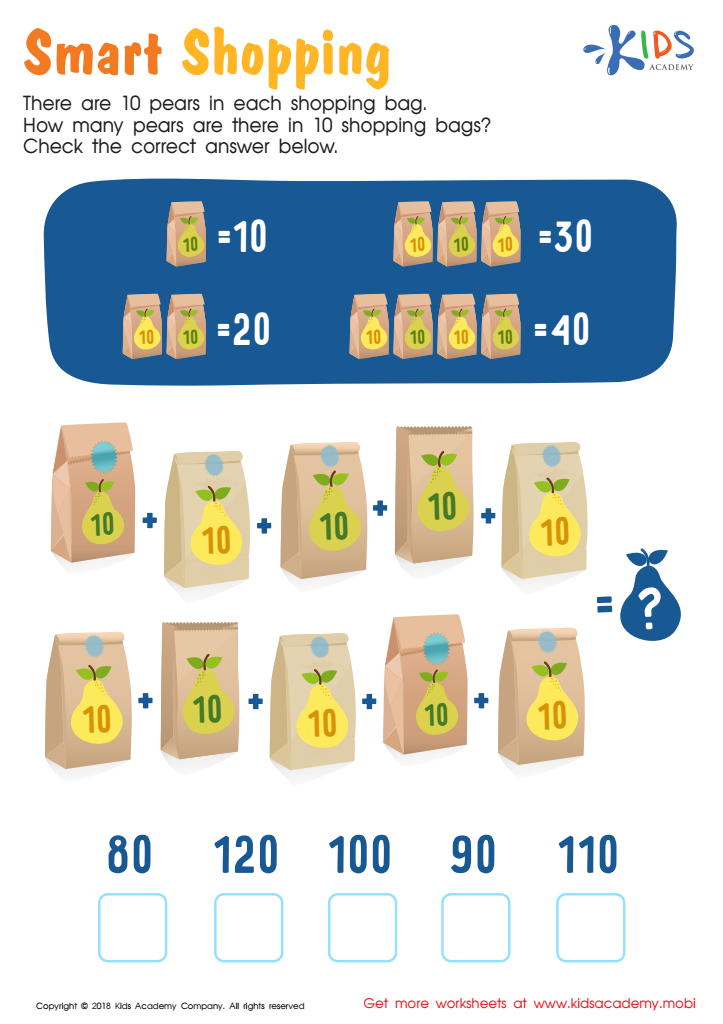
Smart Shopping: Trade Tens for a Hundred Worksheet
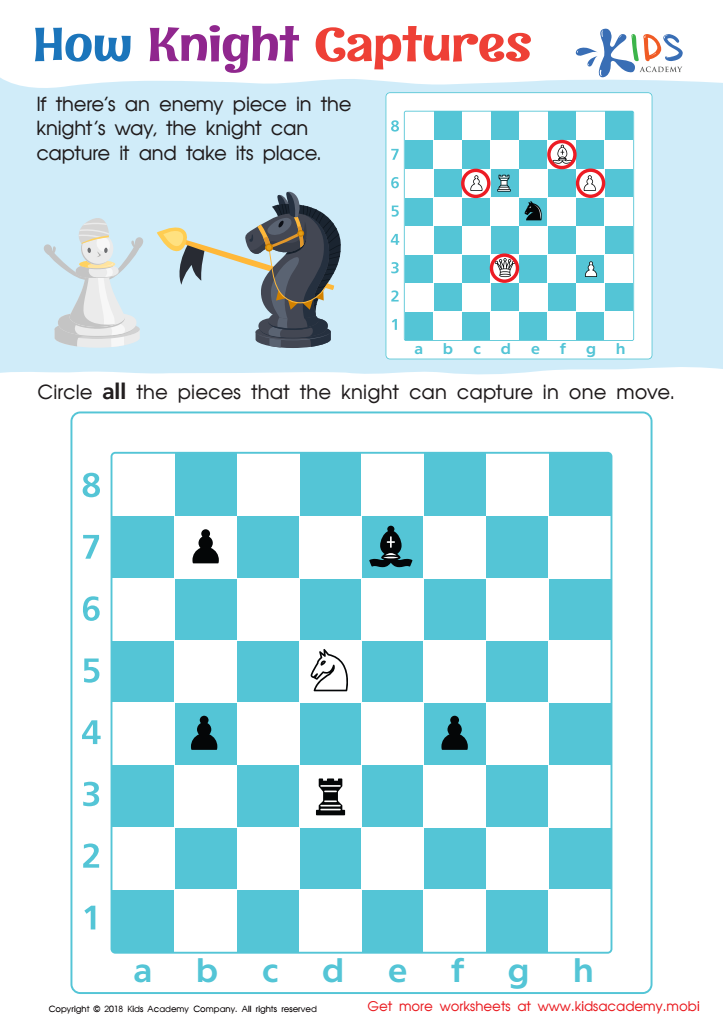
How Knight Captures Worksheet
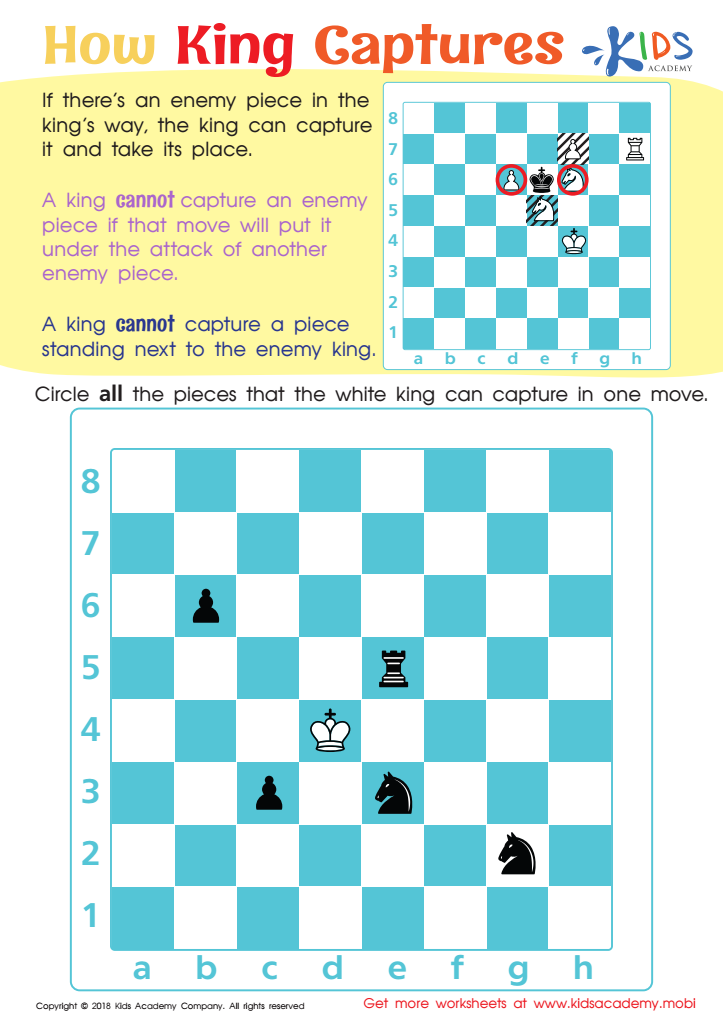
How King Captures Worksheet







Problem-solving practice is essential for 4-year-olds as it lays the foundation for critical thinking and independent reasoning, skills crucial for lifelong learning. At this stage, children are naturally curious and experimental; engaging them in problem-solving helps to harness that curiosity.
Parents and teachers should care about this aspect of development because it not only boosts cognitive skills but also fosters emotional resilience. When children learn to navigate challenges, they develop perseverance and confidence in their abilities. This sense of accomplishment nurtures a growth mindset, encouraging them to embrace new experiences rather than shy away from them.
Furthermore, problem-solving activities promote social interaction, as children often work in groups, learning to communicate their ideas and listen to others. Such collaboration enhances both language skills and social development.
Lastly, early problem-solving skills correlate with later academic success. By integrating fun, hands-on learning activities that focus on problem-solving into home and classroom environments, adults can create a rich tapestry of support around the child's cognitive and emotional development, setting them on the path to becoming effective thinkers and active learners. Investing in problem-solving practice today will yield benefits that last well into their future academic and personal accomplishments.








