Reading Skills Worksheets for 4-Year-Olds - Page 2
28 filtered results
-
From - To
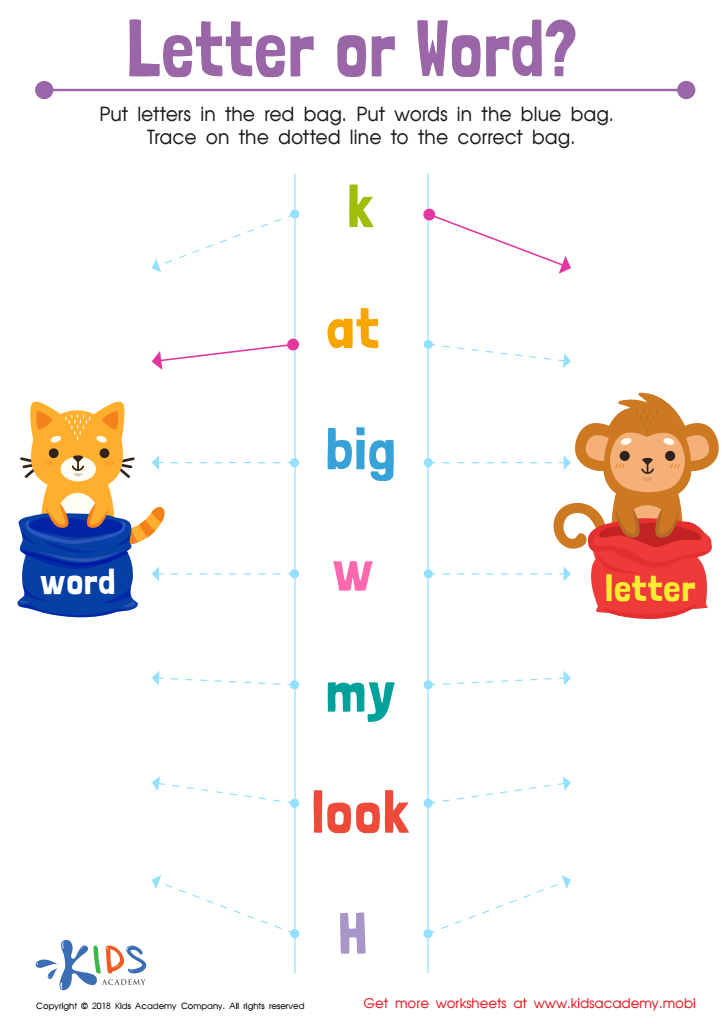
Letter or Word? Worksheet
 Assign to My Students
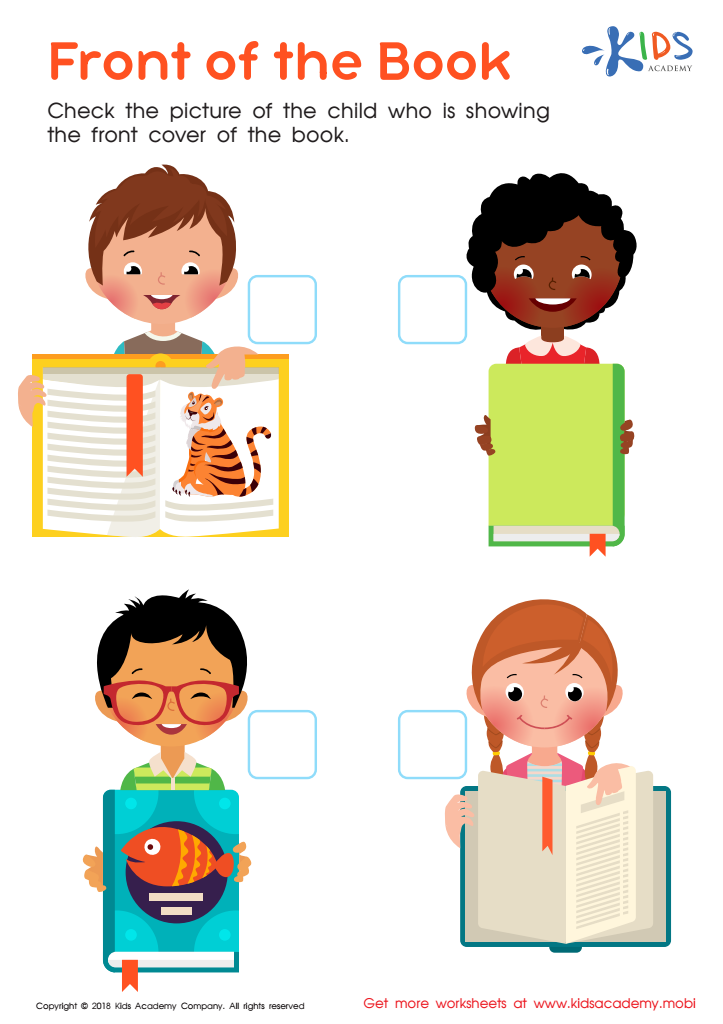
Front of the Book Worksheet
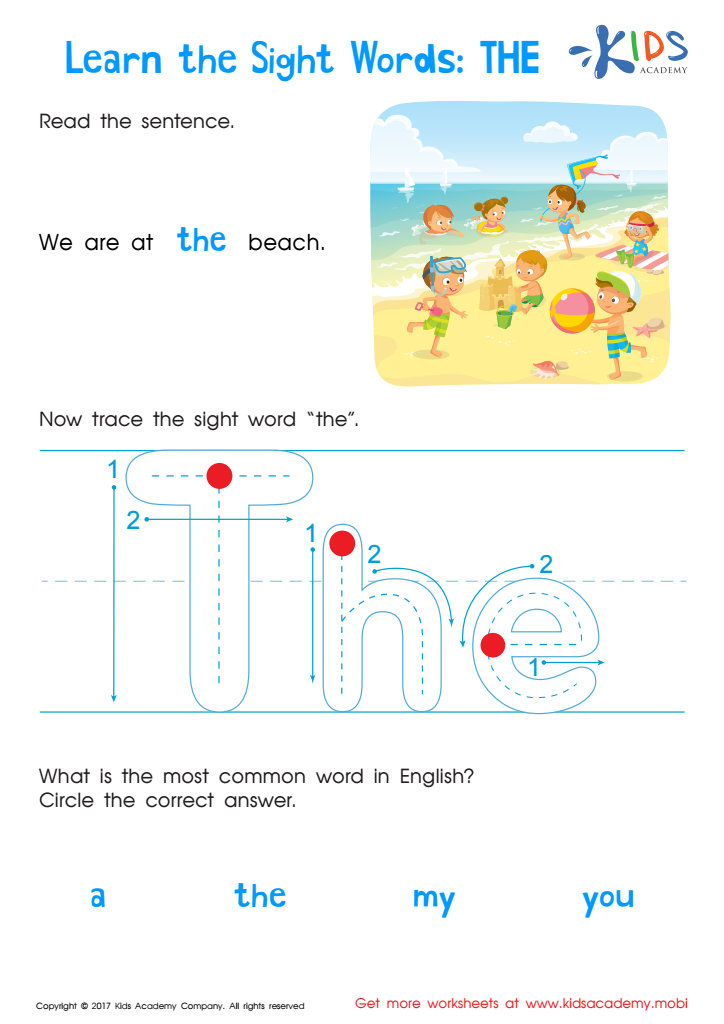
Sight Words: The Worksheet
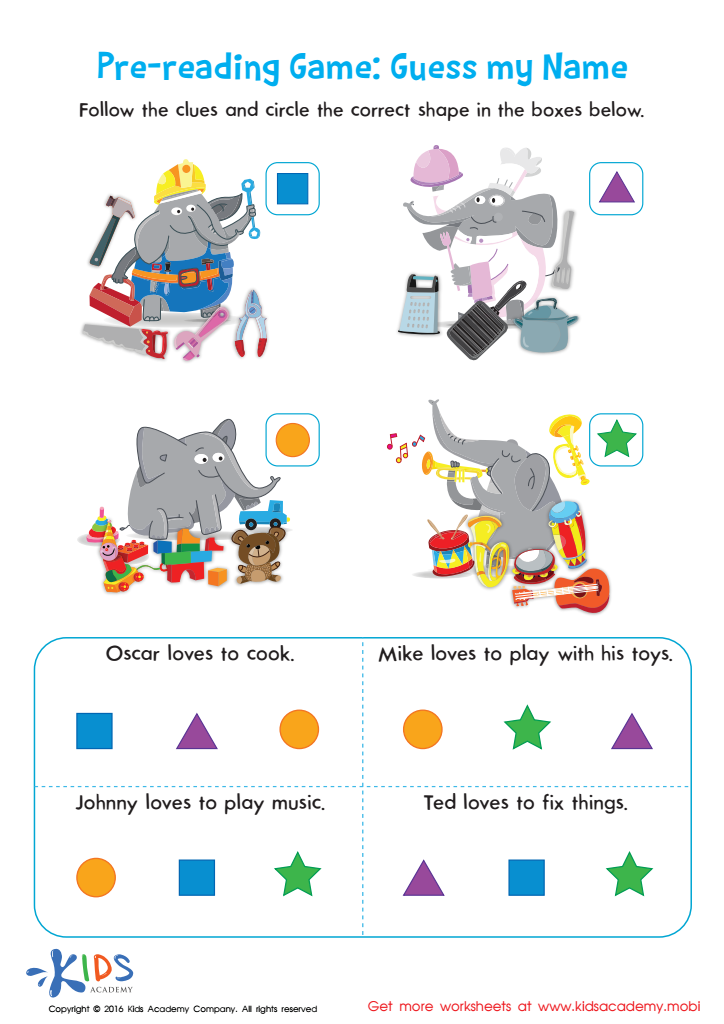
Pre Reading Worksheet Guess My Name








Developing reading skills in 4-year-olds is crucial for numerous reasons. Firstly, early reading fosters language and cognitive development. At this age, children's brains are highly receptive, and exposure to books enhances vocabulary, comprehension, and listening skills. These foundational skills make future learning more accessible and enjoyable.
Additionally, early reading promotes bonding and emotional development. When parents or teachers read with young children, it creates an opportunity for close interaction, offering the child a sense of security and reinforcing relationships. These interactions also teach children about emotions and empathy through stories and characters, helping them to better understand their own feelings and those of others.
Reading at a young age also sets the stage for academic success. Children who are confident readers tend to perform better in school across all subjects, as reading is fundamental to understanding instructions and concepts. Early literacy experiences encourage a love for books and learning, fostering a lifelong habit of reading that contributes to continuous personal and professional growth.
Furthermore, reading skills empower children to explore the world around them independently. It breeds curiosity and creativity, as books introduce new ideas, cultures, and concepts, enriching their understanding of the world. Therefore, prioritizing reading skills at an early age equips children with essential tools for both educational success and personal development.








