Shape comparison Worksheets for 4-Year-Olds
3 filtered results
-
From - To
Explore our engaging Shape Comparison Worksheets designed specifically for 4-year-olds! These fun activities help young learners develop essential geometry skills by comparing shapes based on size, area, and attributes. Our worksheets encourage critical thinking and enhance cognitive abilities while making learning enjoyable. Each page is thoughtfully crafted with vibrant graphics to capture your child's interest and promote interactive learning. Perfect for home or preschool settings, these resources are ideal for reinforcing shape recognition and comparison skills. Download now and watch your child gain confidence while mastering the exciting world of shapes! Start their educational journey with us today!
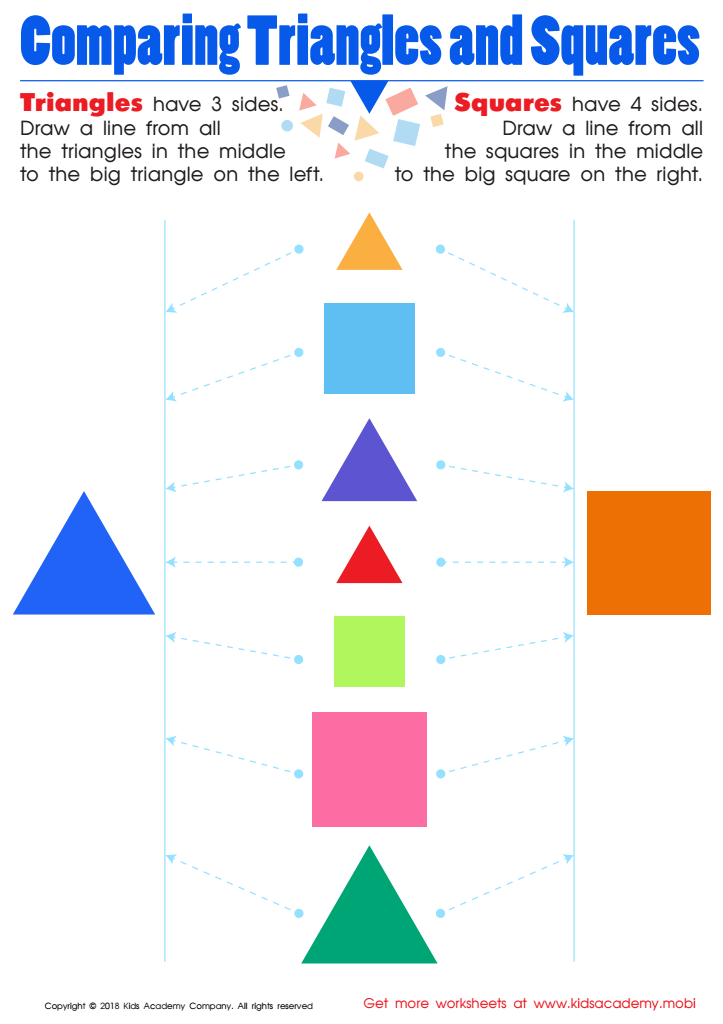
Comparing Triangles Squares Worksheet
 Assign to My Students
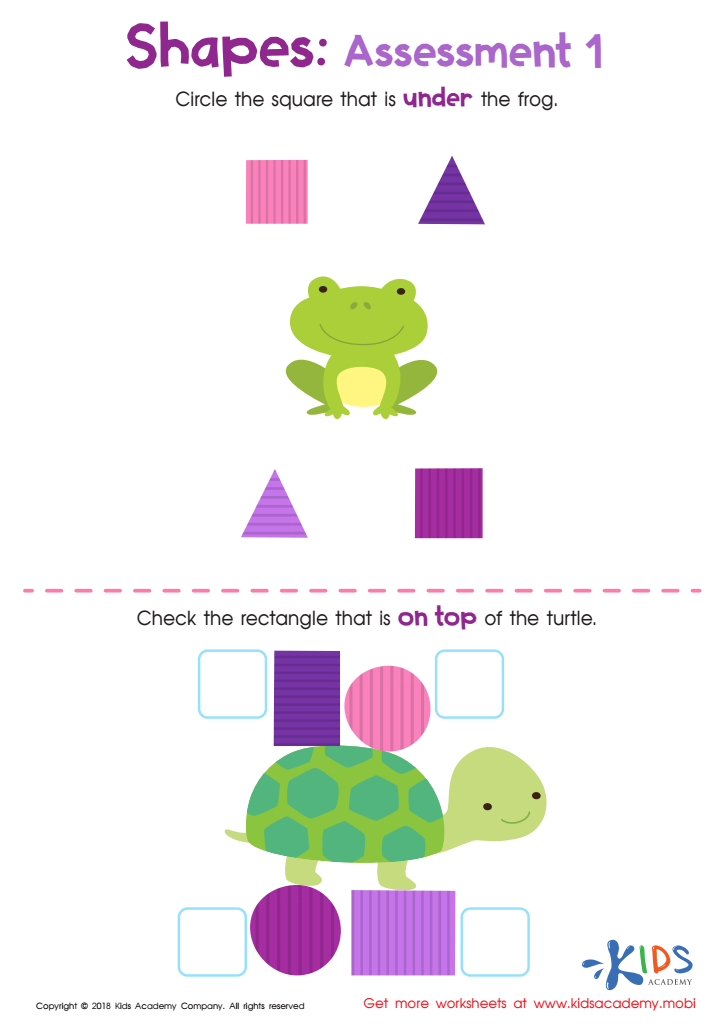
Geometry – Assessment 1 Worksheet
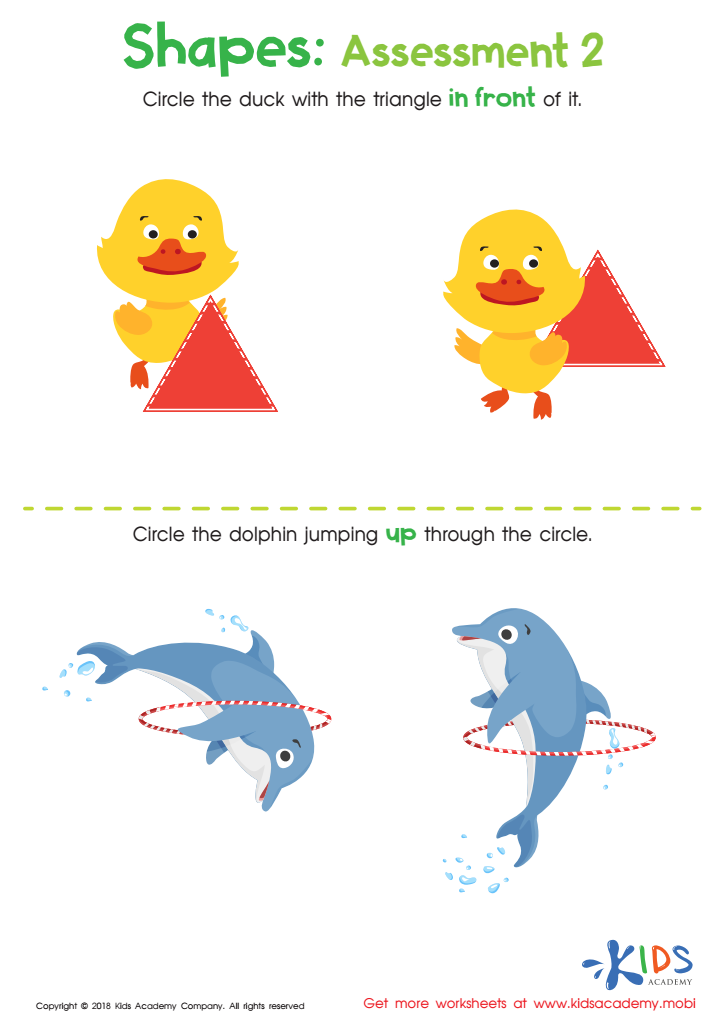
Geometry – Assessment 2 Worksheet








Shape comparison is a fundamental concept that plays a crucial role in early childhood education, particularly for 4-year-olds. At this age, children are naturally curious and eager to learn about their environment, making it an ideal time to introduce shapes and their differences. Understanding shape comparison helps young learners develop critical thinking skills as they identify, categorize, and distinguish between various shapes, such as circles, squares, and triangles.
Furthermore, learning about shapes lays the groundwork for future mathematical concepts. It aids in spatial awareness, which is important for skills such as reading maps, visualization, and geometry. When parents and teachers engage children in shape comparison activities, they not only enhance cognitive development but also promote language skills as children learn to articulate their observations and descriptions.
Additionally, incorporating playful methods, like puzzles, blocks, or art, allows children to experience hands-on learning. This keeps them engaged and fosters a love for learning. Ultimately, when parents and teachers prioritize shape comparison, they are facilitating important developmental milestones that extend beyond mathematics, setting the stage for overall growth and confidence in learning. By nurturing these skills early on, children gain valuable tools for their future academic endeavors.








