Understanding ecosystems Worksheets for 4-Year-Olds
4 filtered results
-
From - To
Discover our engaging "Understanding Ecosystems Worksheets for 4-Year-Olds" designed to spark curiosity about nature! These vibrant worksheets introduce young learners to the basic concepts of ecosystems through fun activities and colorful illustrations. Each worksheet encourages kids to explore plants, animals, and their habitats while developing essential skills in observation and critical thinking. Designed for preschoolers, these resources promote interactive learning and creativity, making it easy to teach complex topics in a playful manner. Perfect for home or classroom use, our worksheets make understanding the natural world an exciting adventure for little learners. Start engaging your child's curiosity today!
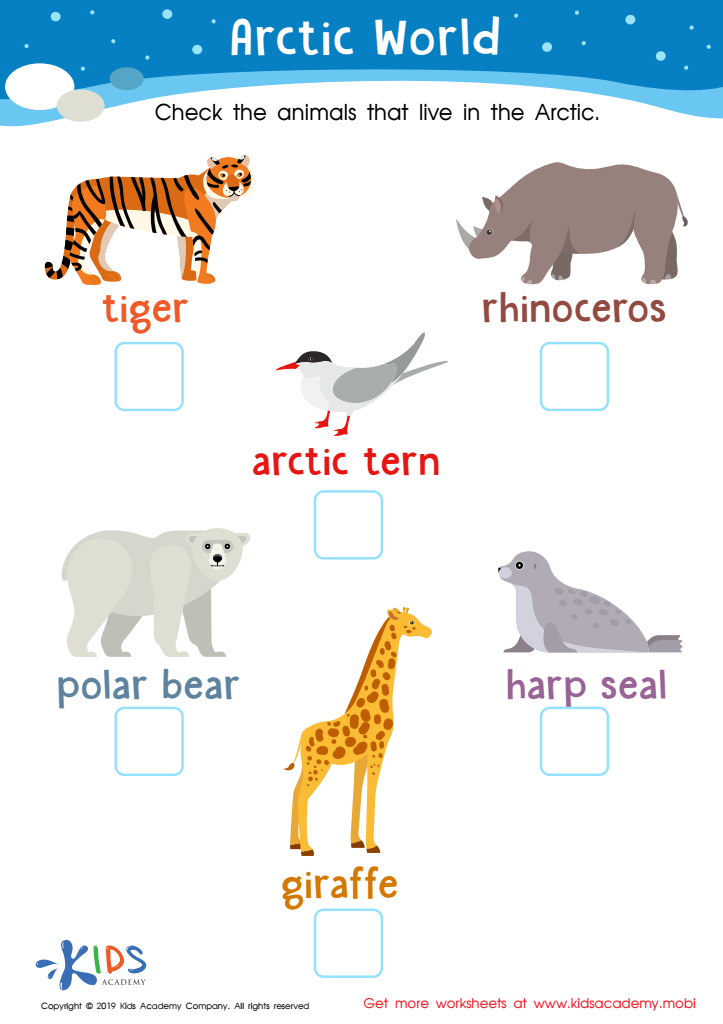
Arctic World Worksheet
 Assign to My Students
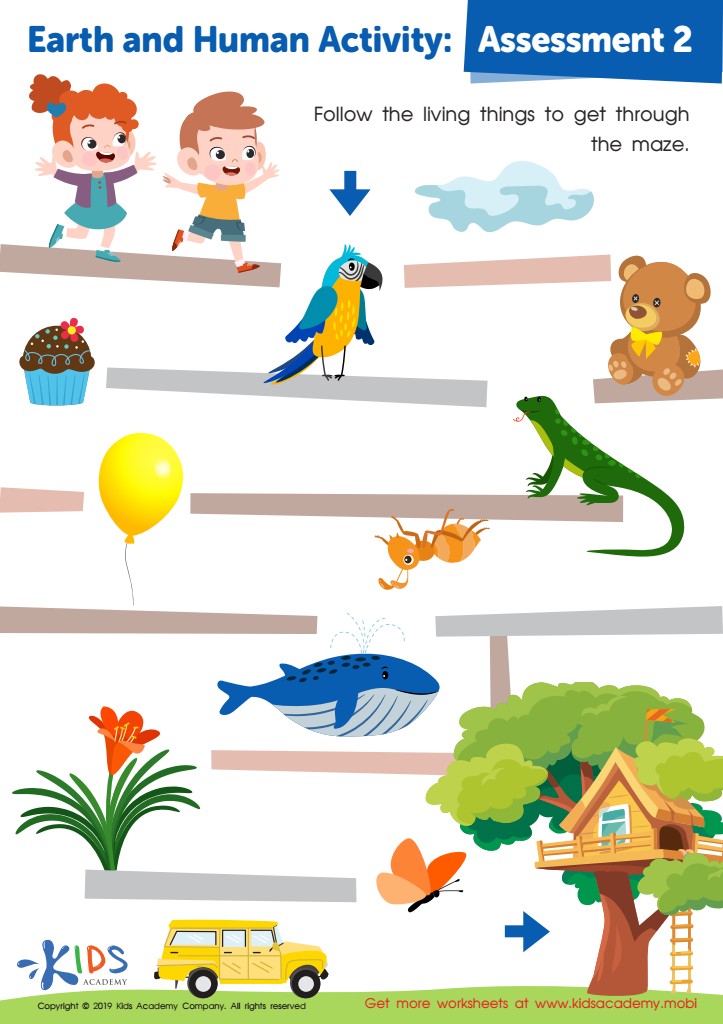
Earth and Human Activity: Assessment 2 Worksheet
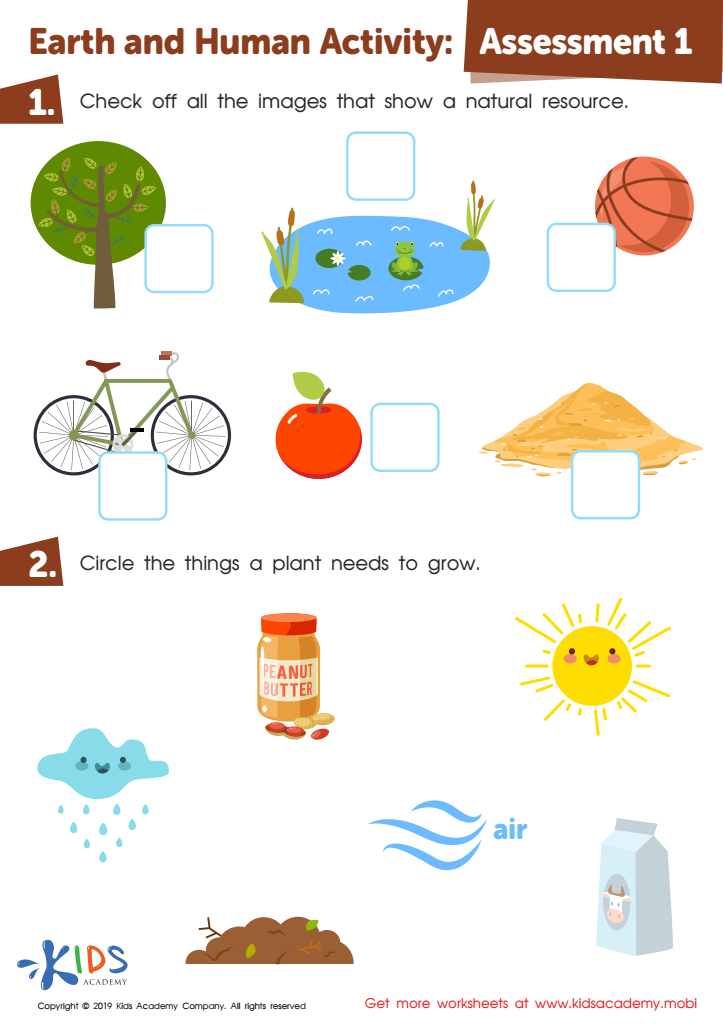
Earth and Human Activity: Assessment 1 Worksheet
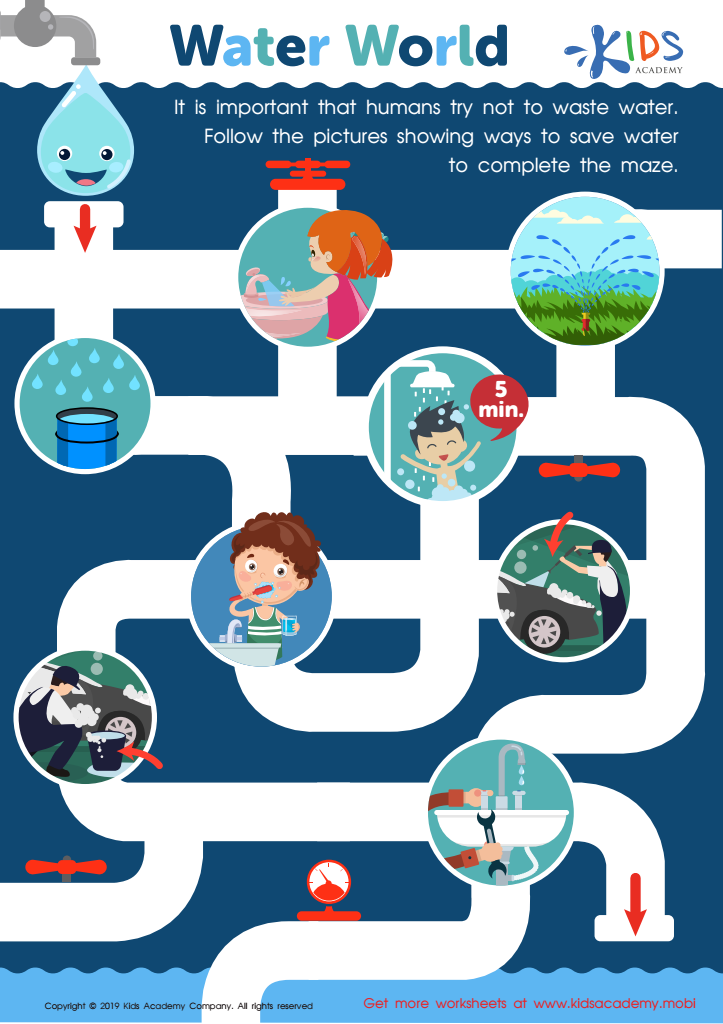
Water World Worksheet






Understanding ecosystems is essential for 4-year-olds as it lays the foundation for their appreciation of the world around them. At this young age, children are naturally curious about nature and how living things interact. By introducing them to ecosystems, which encompass all the living and non-living components of an environment, parents and teachers can help nurture this curiosity into a broader understanding of biodiversity, conservation, and responsibility.
Learning about ecosystems fosters a sense of wonder and encourages observational skills. Children can explore how plants, animals, water, and weather synergistically work together in their immediate environment, sparking their imagination and creativity. It also instills early lessons about teamwork, as they grasp how each element, from insects to trees, plays an essential role in maintaining ecological balance.
Furthermore, understanding ecosystems aligns with developing critical thinking skills. When children learn cause and effect—how pollution affects wildlife, for example—they become more aware of their actions and their impact on the earth. In this way, engaging children in ecosystem studies not only satisfies their interest in nature but also empowers them to become responsible stewards of the environment as they grow. Overall, nurturing a connection to ecosystems is an investment in a child's holistic education and future.








