Understanding numerical values Worksheets for 4-Year-Olds
4 filtered results
-
From - To
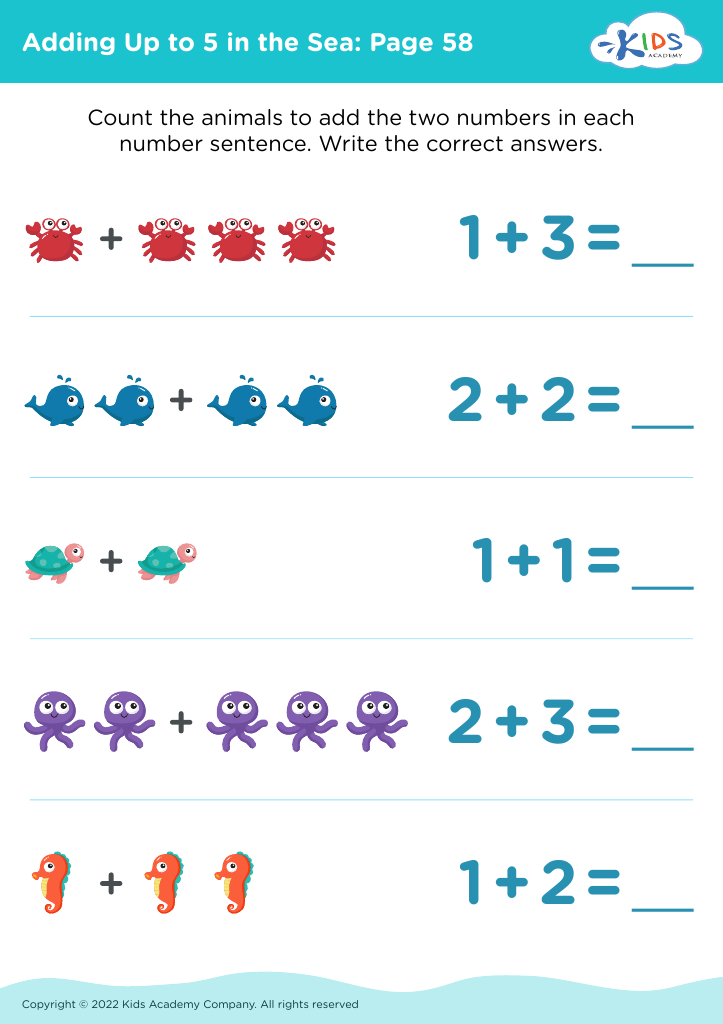
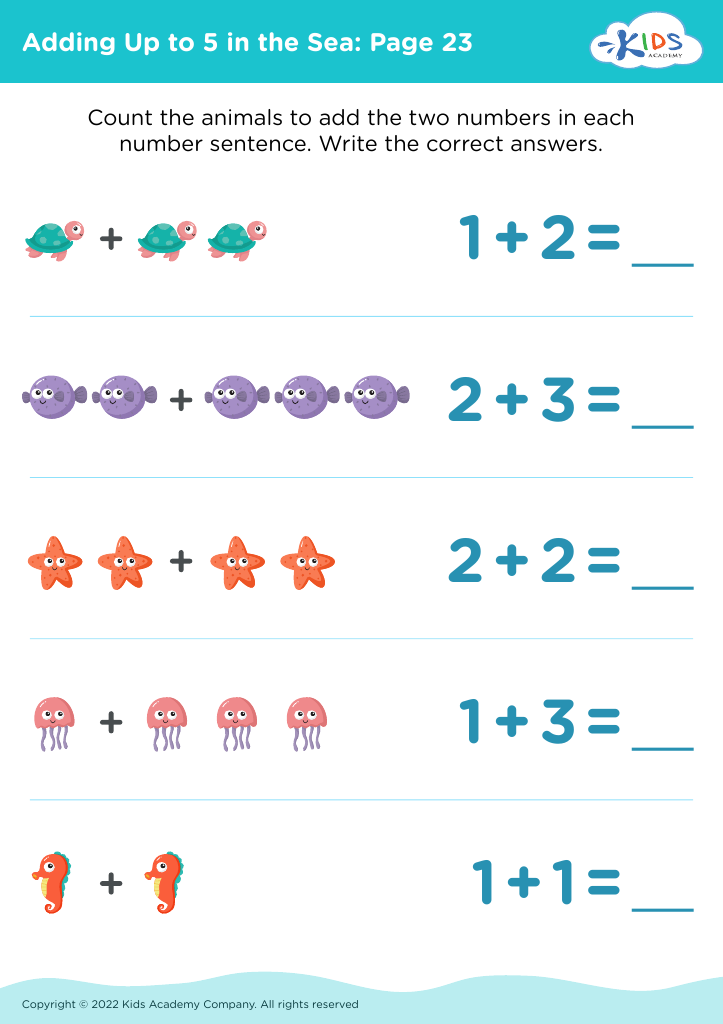
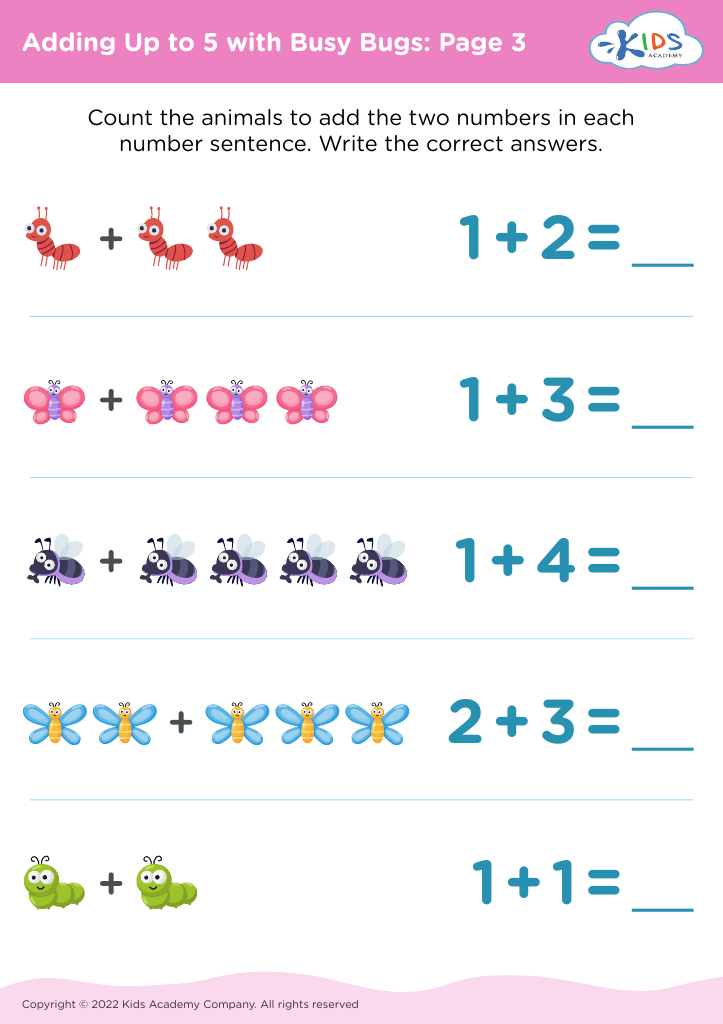
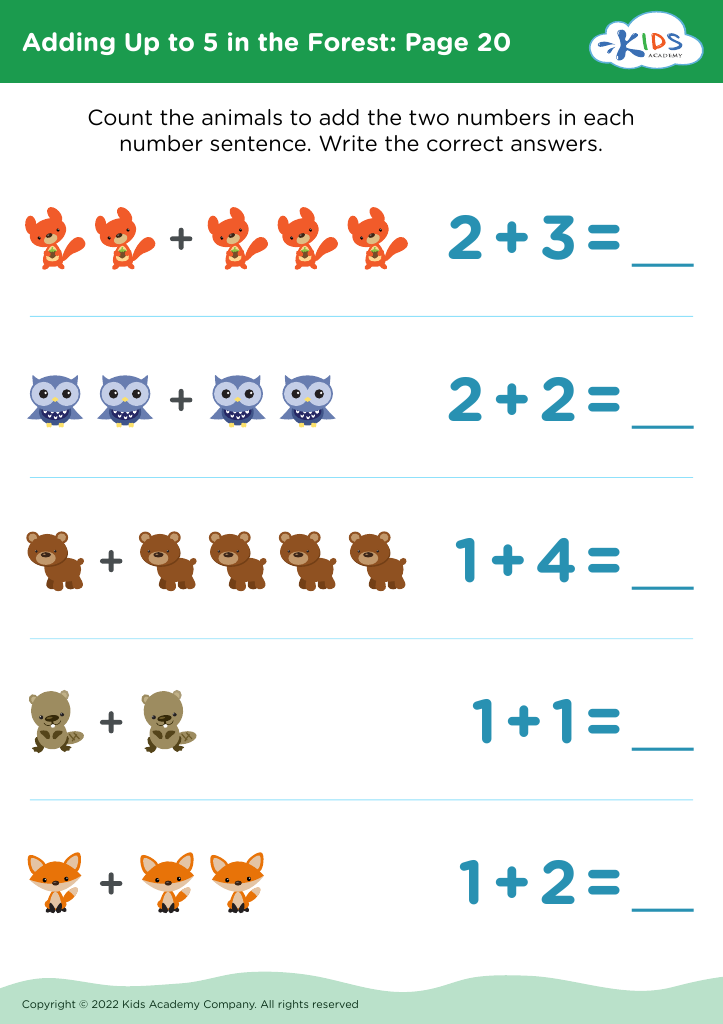
Explore our “Understanding Numerical Values Worksheets for 4-Year-Olds” designed to engage young learners in mastering essential math concepts! These interactive worksheets introduce children to basic numerical values through fun activities that foster recognition and comprehension. Featuring vibrant illustrations and age-appropriate exercises, our resources help reinforce counting skills, number identification, and the relationships between numbers. Perfect for at-home learning or classroom settings, these worksheets provide a playful approach to develop foundational math skills. Support your child’s early numeracy journey and bring excitement to learning with our thoughtfully crafted worksheets! Visit our site to access and print the complete collection today!








Understanding numerical values is crucial for 4-year-olds as it lays the foundation for their future math skills and overall cognitive development. At this age, children are naturally curious and eager to explore their surroundings, making it an ideal time to introduce basic numerical concepts through engaging and playful activities.
Parents and teachers should prioritize numerical understanding because it enhances critical thinking and problem-solving abilities. For example, grasping the concept of quantity helps children compare sizes, learn basic addition and subtraction, and understand the importance of patterns and sequences. Engaging with numbers through everyday activities, such as counting objects during play, helps children integrate math into their everyday lives.
Additionally, a positive relationship with mathematics established at this early stage can boost a child's confidence and reduce anxiety associated with math later on. When numerical values are understood, children feel more competent and willing to participate in math-related tasks.
Lastly, fostering these skills promotes communication and social interaction. Whether they’re counting blocks together or sharing toys based on quantity, children learn valuable social skills alongside their numerical understanding. Investing time in teaching numerical values at this age is vital for encouraging a love for learning and reflecting positively on a child’s educational journey.








