Color recognition Logic and Early Math Worksheets for 4-Year-Olds
4 filtered results
Difficulty Level
Grade
Age
-
From - To
Subject
Activity
Standards
Enhance your child's cognitive development with our "Color Recognition Logic and Early Math Worksheets for 4-Year-Olds". Designed to captivate young learners, these worksheets combine vibrant colors with fundamental math concepts, making learning both fun and educational. Children will enjoy activities that challenge their color recognition skills while introducing early math principles like counting and pattern sequencing. Perfectly tailored for preschoolers, our worksheets promote critical thinking, fine motor skills, and a love for learning. Watch as your child explores the world of colors and numbers, building a strong foundation for future academic success. Download now and spark their curiosity today!
Favorites
With answer key
Interactive
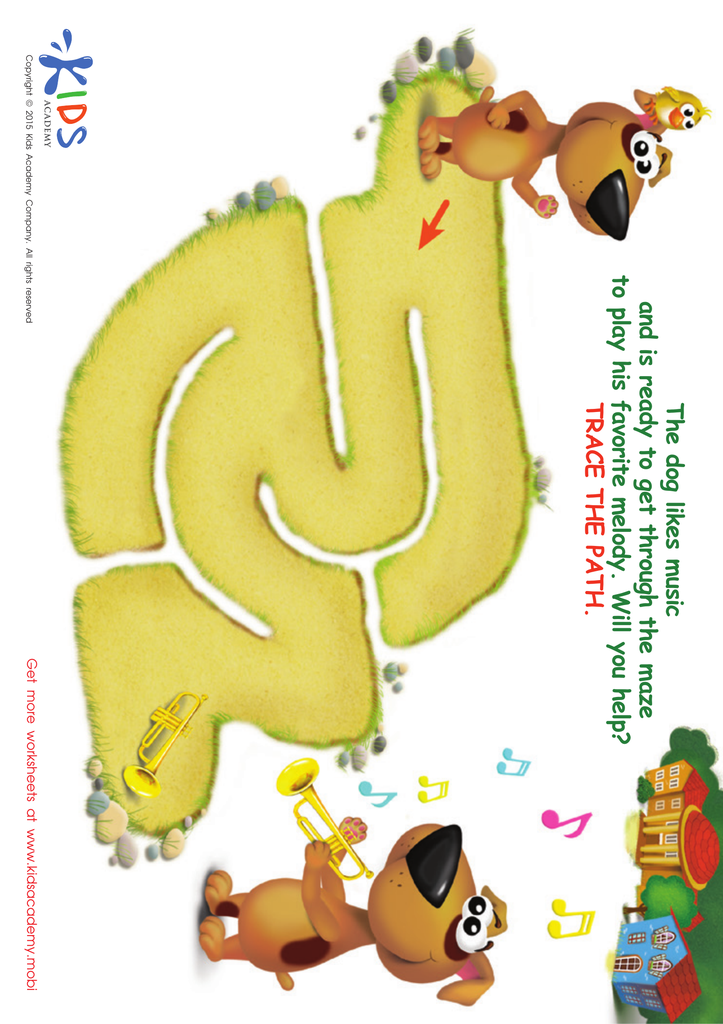
Trumpeter Maze Worksheet
Help your kid to find the way out of the maze to hear their favorite melody! Visit Kids Academy now and explore plenty of fun and educational resources.
Trumpeter Maze Worksheet
Worksheet
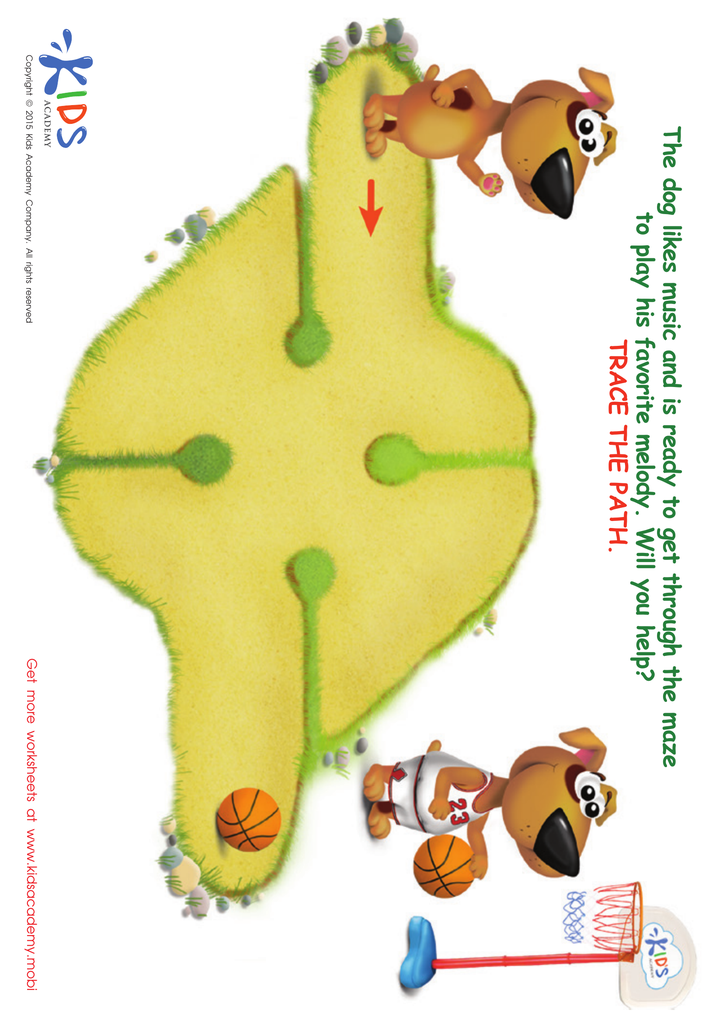
Basketball Player Maze Worksheet
Test your skills with our new printable maze worksheets, and help the little dog get his basketball! Trace the path carefully to get the ball and play together.
Basketball Player Maze Worksheet
Worksheet
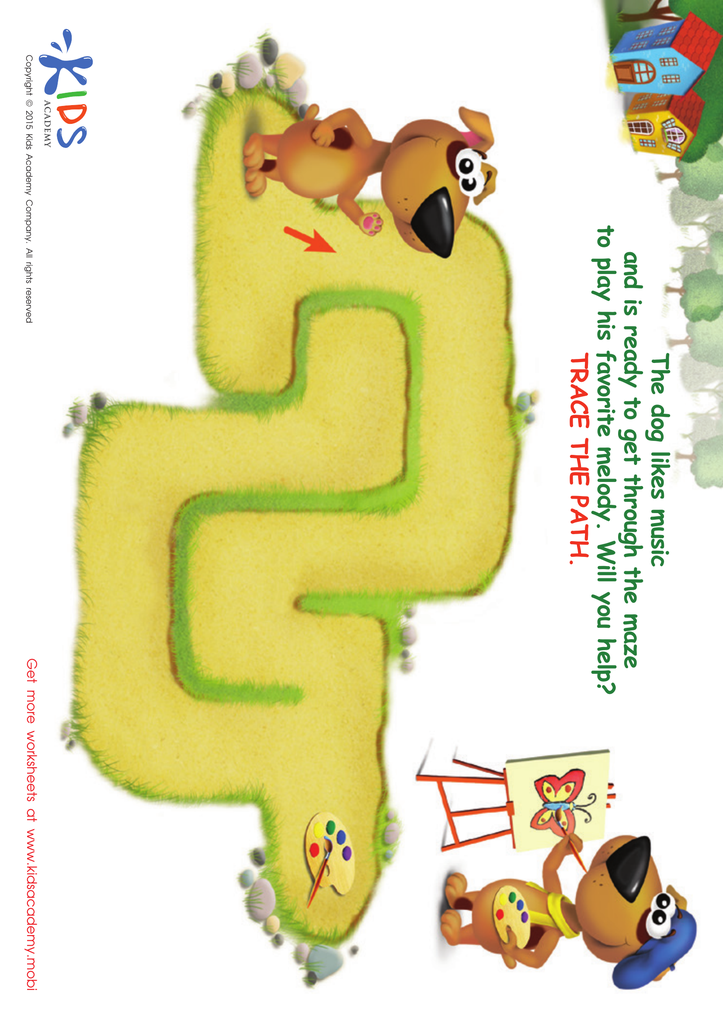
Artist Maze Worksheet
Try this new maze worksheet to help your child develop problem-solving skills. Let the pup traverse the path and create a masterpiece with the brush and paints on the other side! Give it a go now.
Artist Maze Worksheet
Worksheet
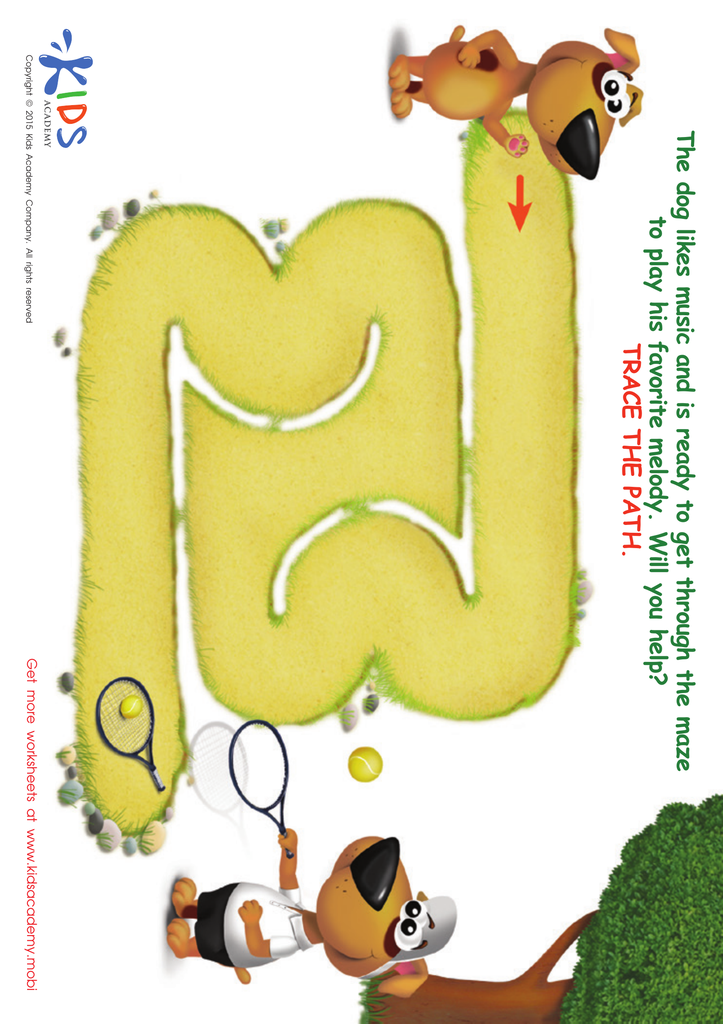
Tennis Player Maze Worksheet
Get them now and play together with your kids! Trace paths and help the dog find the racquets and balls. Fun and learning await.
Tennis Player Maze Worksheet
Worksheet
Join Kids Academy for Free
Who is primarily going to use this learning content?








Parents and teachers should care about color recognition, logic, and early math for 4-year-olds because these foundational skills are critical for their cognitive development and future academic success. At this age, children's brains are developing rapidly, and engaging with colors, logical reasoning, and simple mathematical concepts can enhance their neural connections.
Color recognition helps children learn to categorize and differentiate objects, which is essential for language acquisition and environmental awareness. It’s also a building block for art, reading, and science, where distinguishing different elements is important.
Logic fosters problem-solving skills. Through activities like sorting, pattern recognition, and sequencing, children learn to think critically, make predictions, and reason systematically. These skills are transferable to all areas of learning and everyday life.
Early math introduces children to concepts like numbers, counting, and basic operations. These skills are not just about memorizing numbers but about understanding quantities, relationships, and processes, which build a strong foundation for more complex mathematics later on. Engaging with early math also boosts their confidence and enthusiasm for learning.
Supporting these skills in early childhood ensures children develop a solid framework for intellectual growth, enhancing their ability to learn more complicated concepts in the future, and nurturing a lifelong love of learning.