Matching skills 2D Shapes Worksheets for 4-Year-Olds
3 filtered results
-
From - To
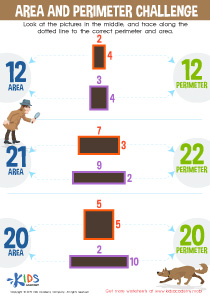
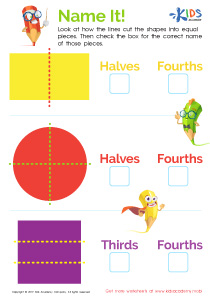
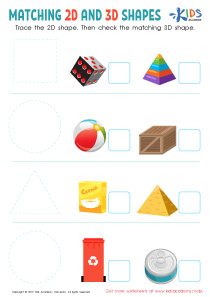
Discover our engaging "Matching Skills 2D Shapes Worksheets" designed specifically for 4-year-olds! These fun and colorful activities help young learners develop essential matching skills while exploring basic 2D shapes like circles, squares, and triangles. Each worksheet is crafted to enhance cognitive development, fine motor skills, and shape recognition through enjoyable matching exercises. By connecting shapes with their corresponding images, children will not only build critical thinking skills but also gain confidence in their learning abilities. Perfect for parents and educators, these worksheets make learning shapes interactive and exciting. Start your child's journey into geometry with these educational resources today!
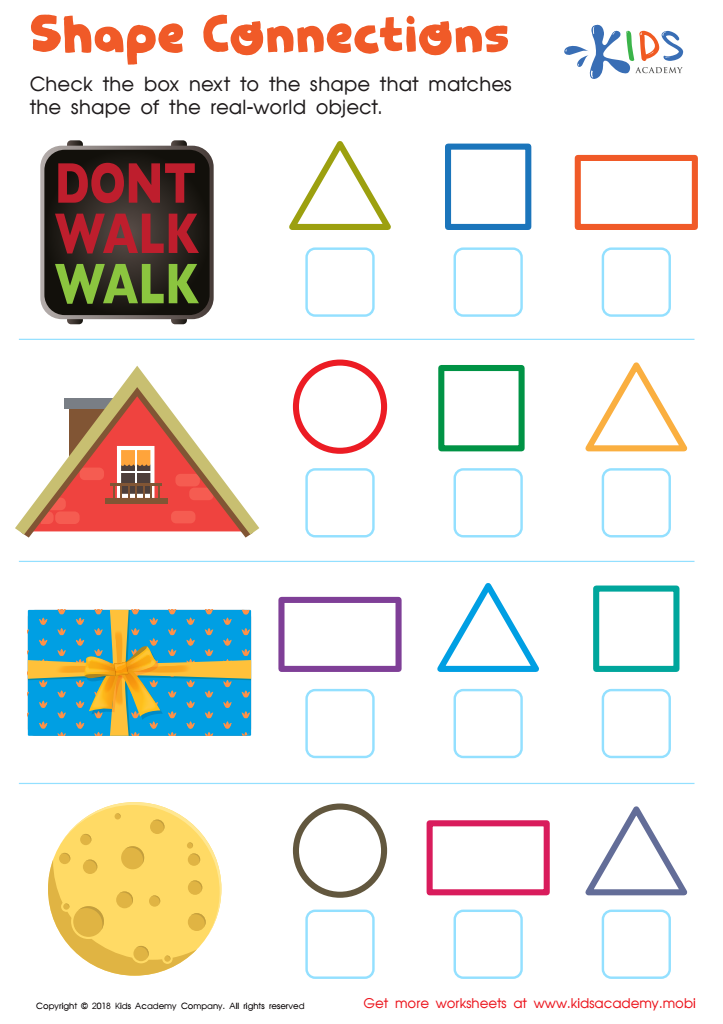
Shape Connections Worksheet
 Assign to My Students


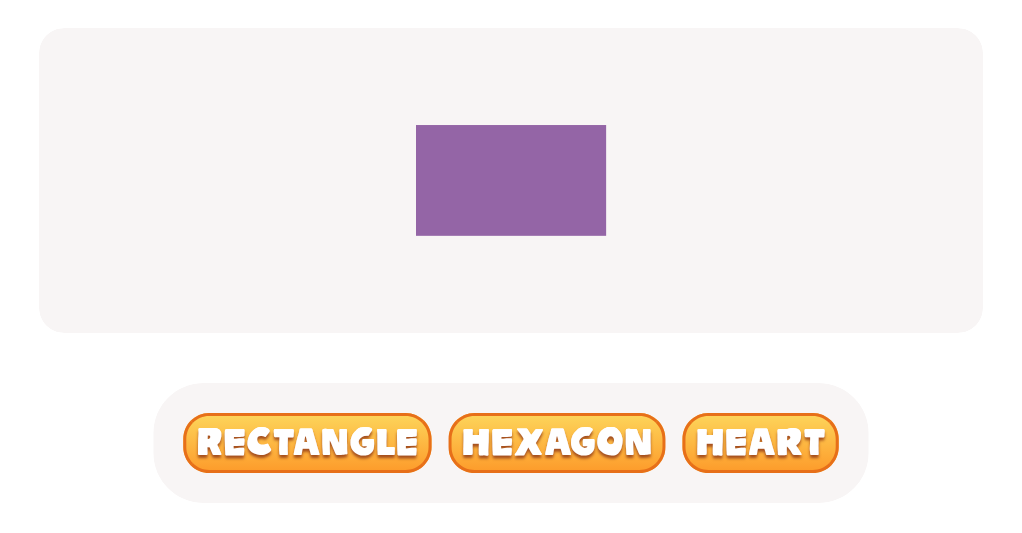



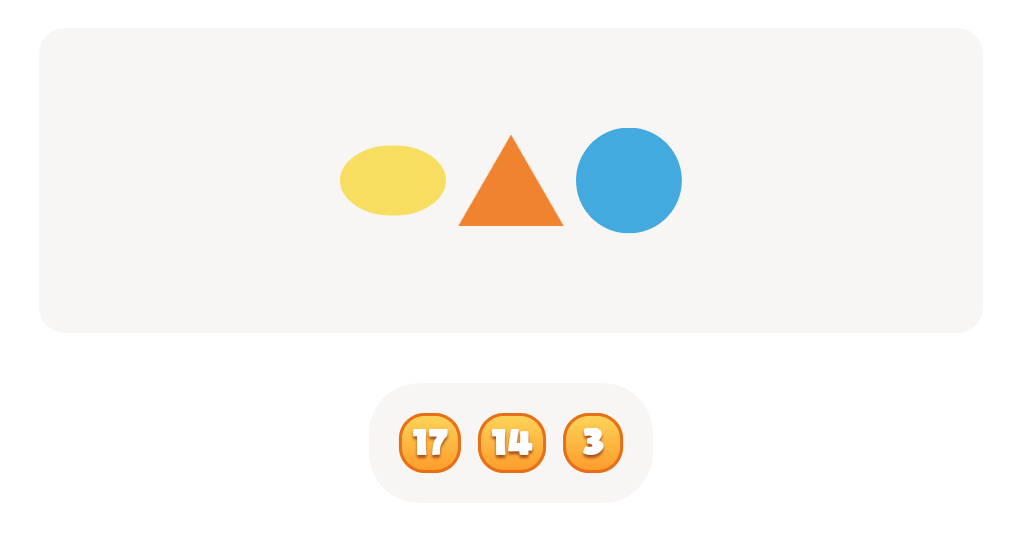
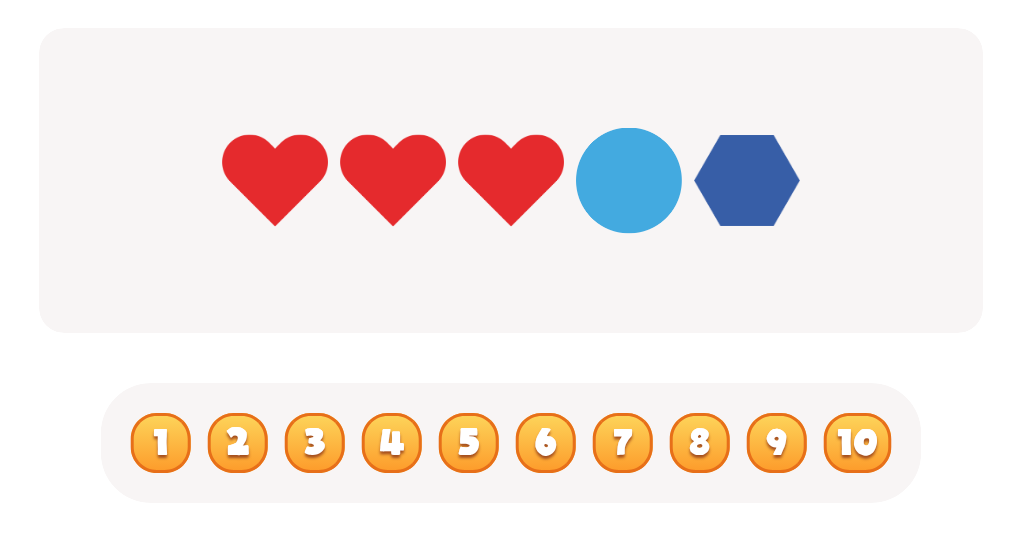


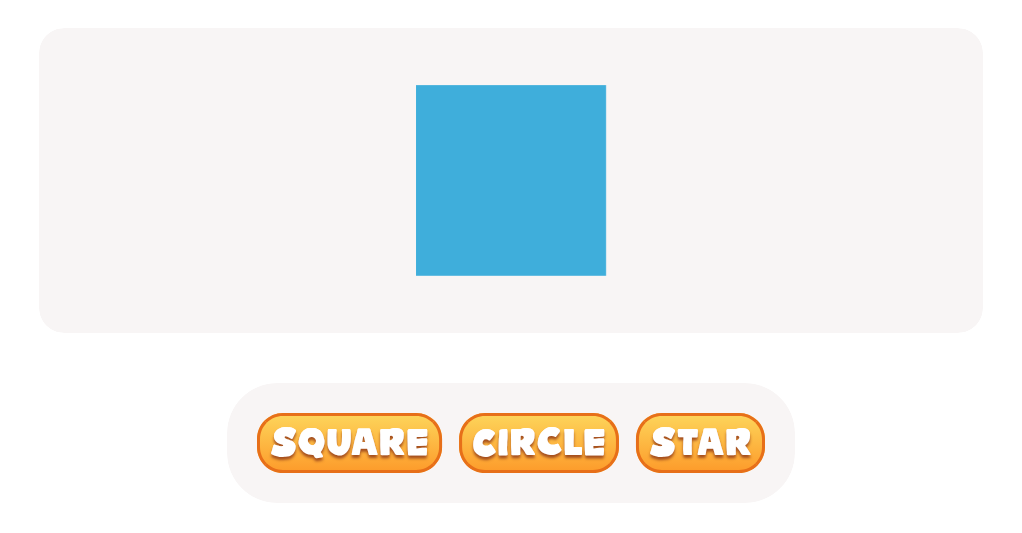
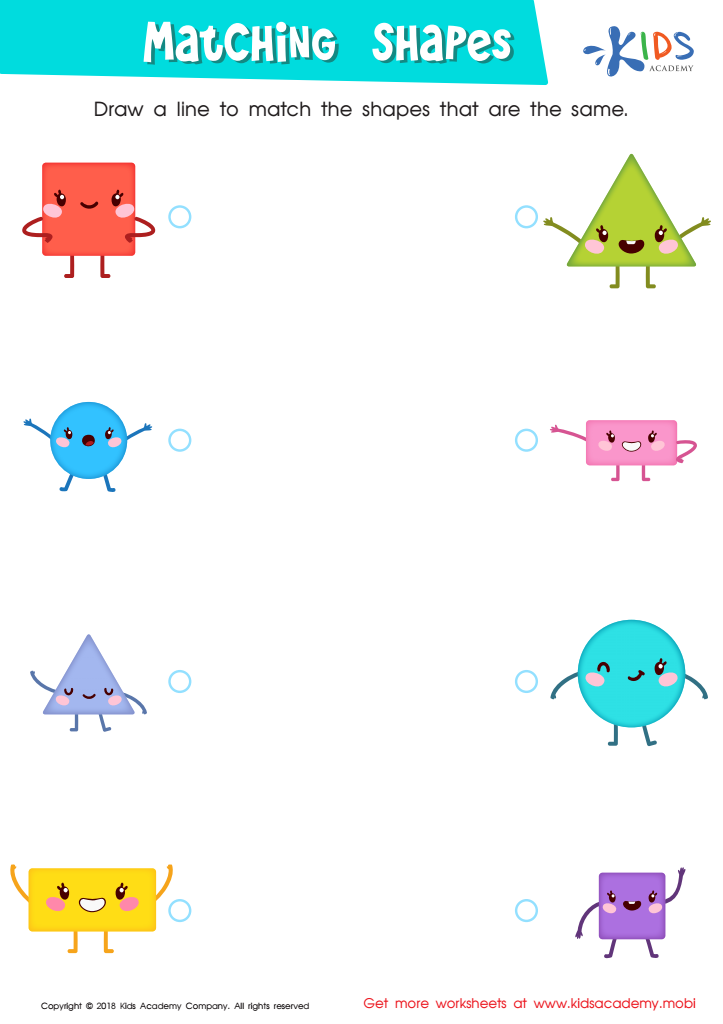
Matching Shapes Worksheet
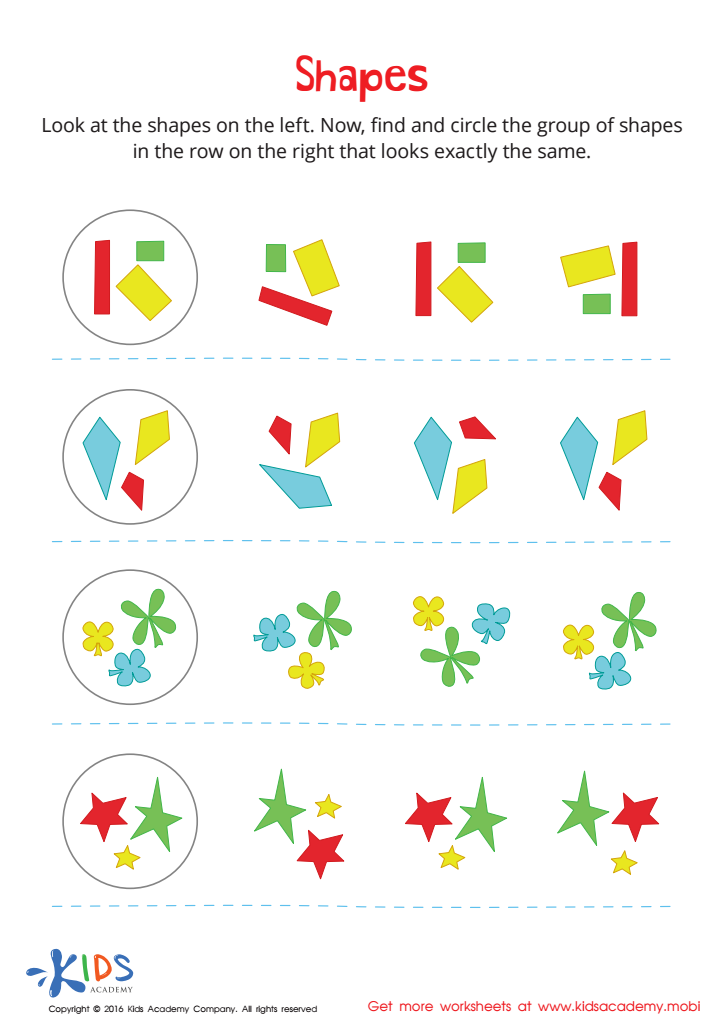
Shapes Worksheet








Matching skills and recognizing 2D shapes are essential developmental milestones for 4-year-olds, forming the foundation for later learning in mathematics, reading, and critical thinking. Understanding and matching shapes helps children develop spatial awareness, an important cognitive skill that enables them to comprehend their physical environment.
First, matching shapes fosters visual discrimination, allowing children to identify similarities and differences, which is crucial not only in math but also in literacy as they learn to recognize letters and words. Through engaging activities like puzzles or sorting games, children enhance their problem-solving abilities and improve fine motor skills, as they manipulate objects to find matches.
Additionally, when parents and teachers encourage shape recognition, they promote language development by introducing geometric vocabulary, reinforcing concepts such as “circle,” “square,” and “triangle.” These interactions also provide opportunities for communication and collaboration, vital social skills that children cultivate during shared learning experiences.
Moreover, mastery of 2D shapes lays the groundwork for future academic success, particularly in understanding geometry and spatial relationships in higher grades. By taking an active interest in matching skills, parents and educators can better equip young children for lifelong learning and development.