Animal identification Adding on the Farm Worksheets for 4-Year-Olds
15 filtered results
Difficulty Level
Grade
Age
-
From - To
Subject
Activity
Standards
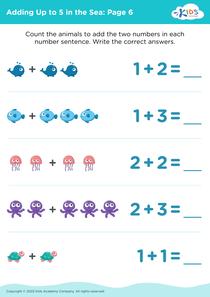
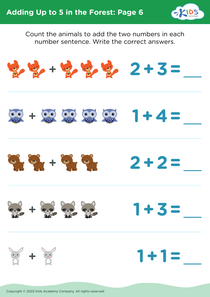
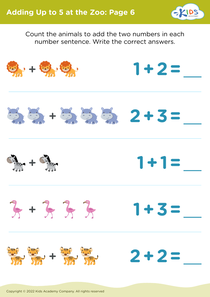
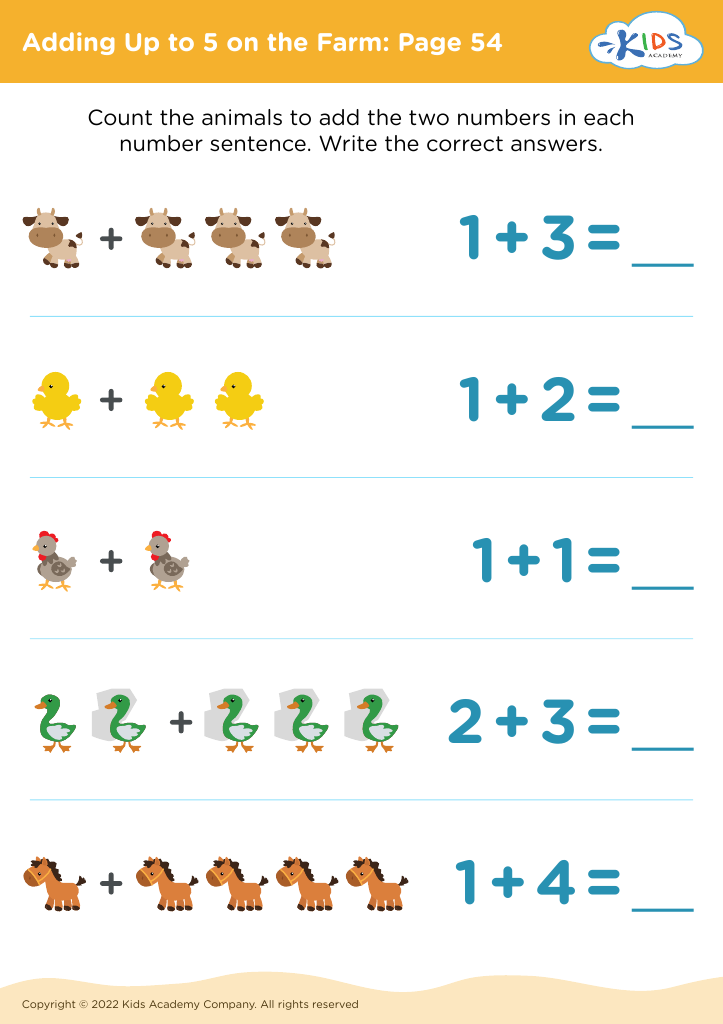
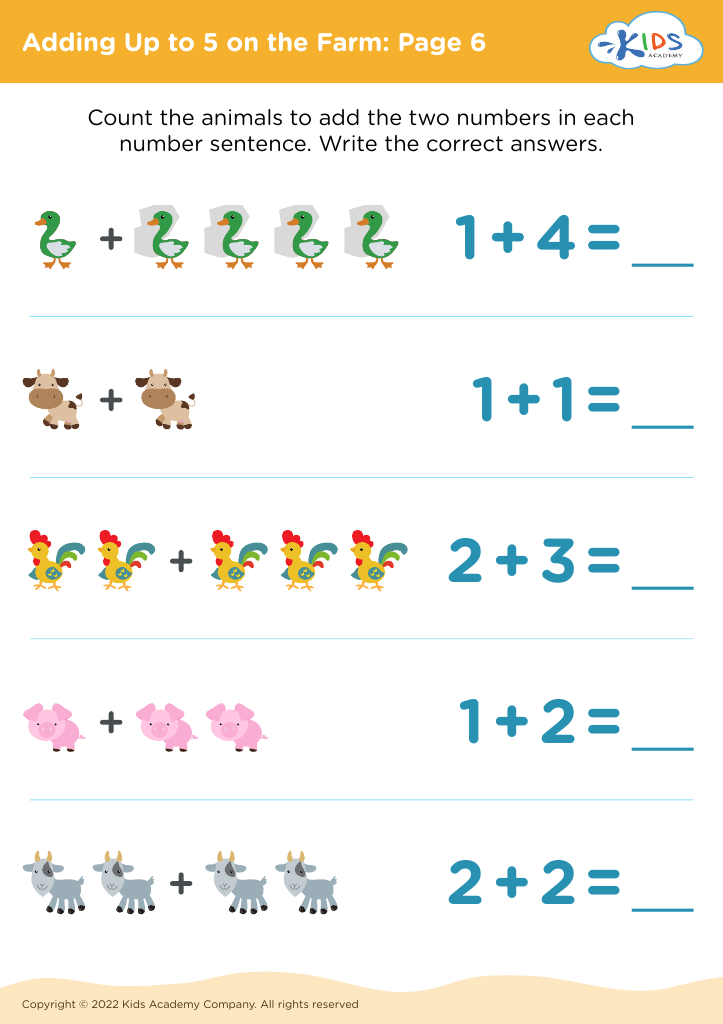
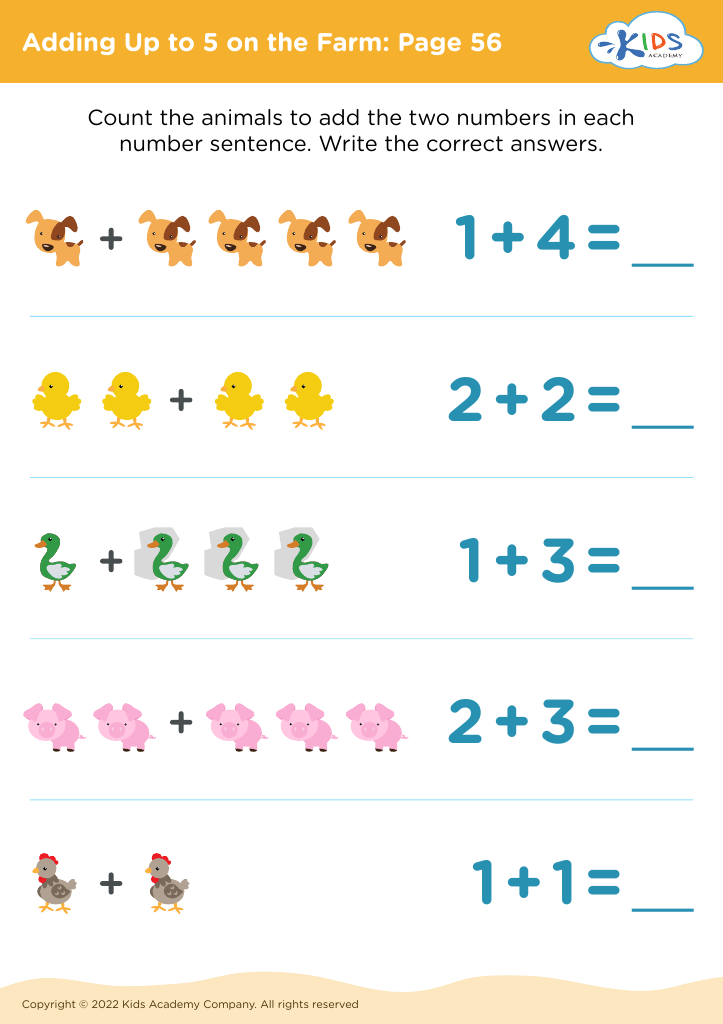
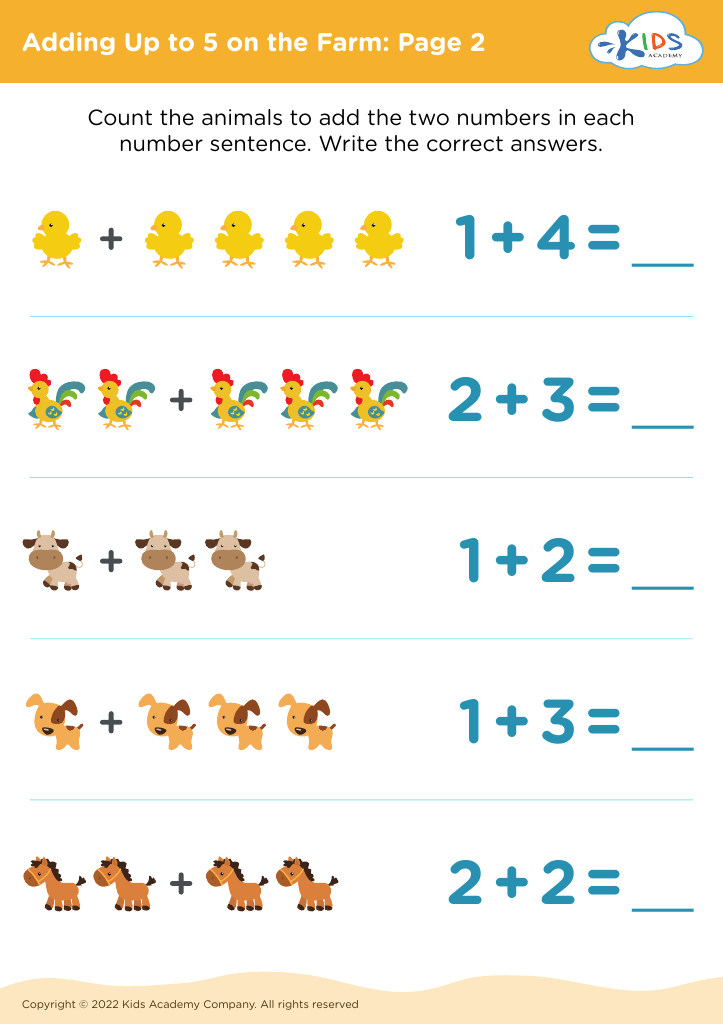
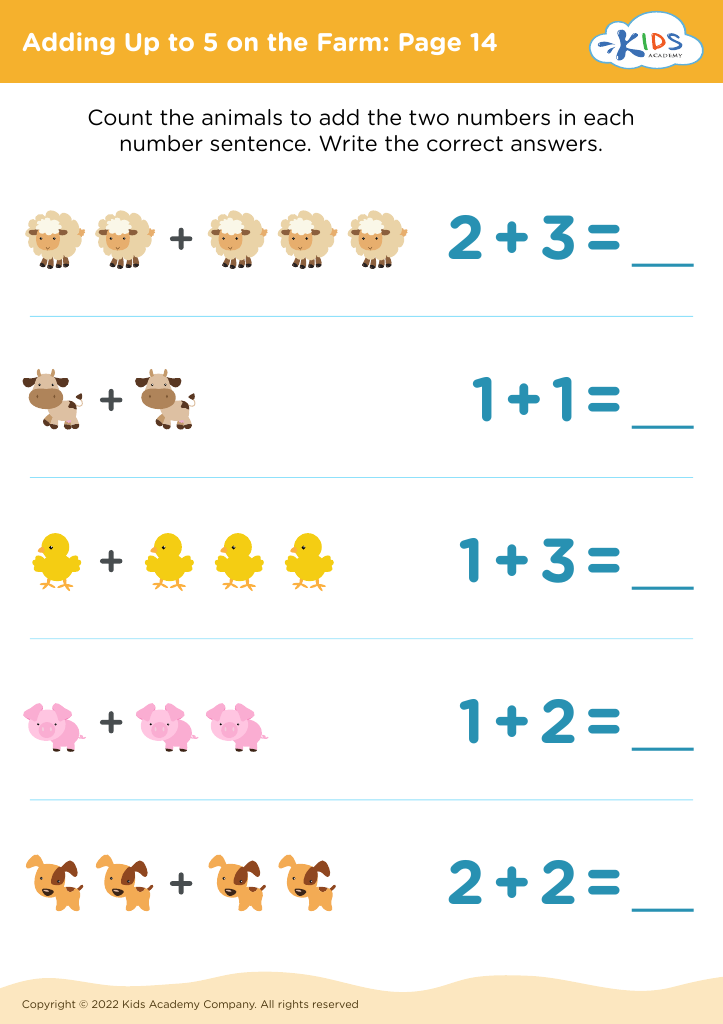
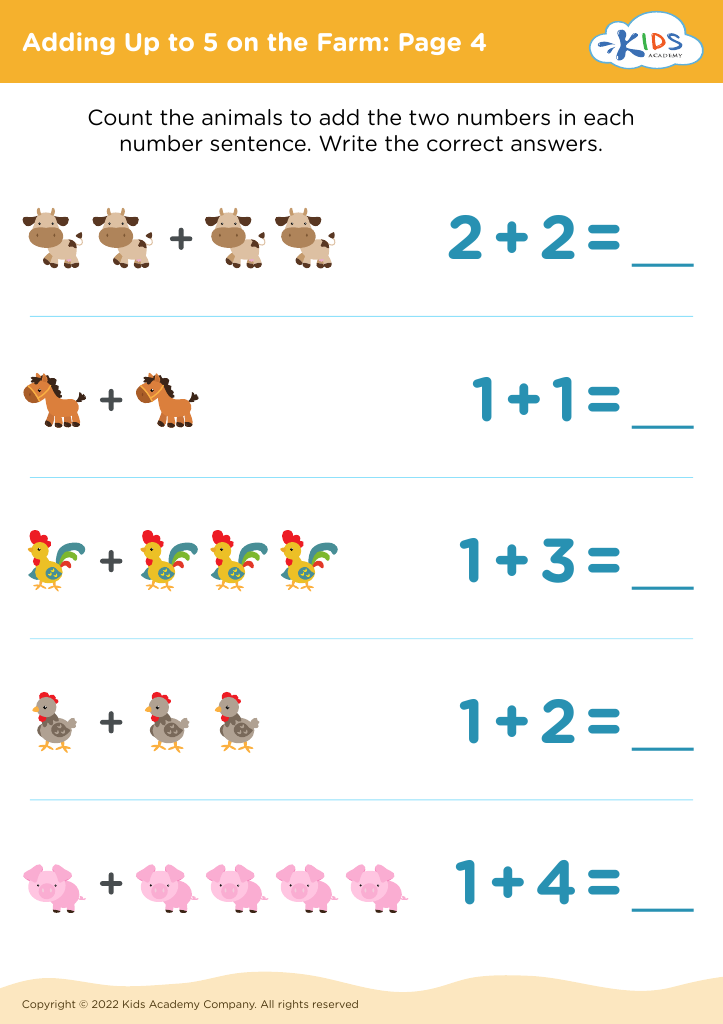
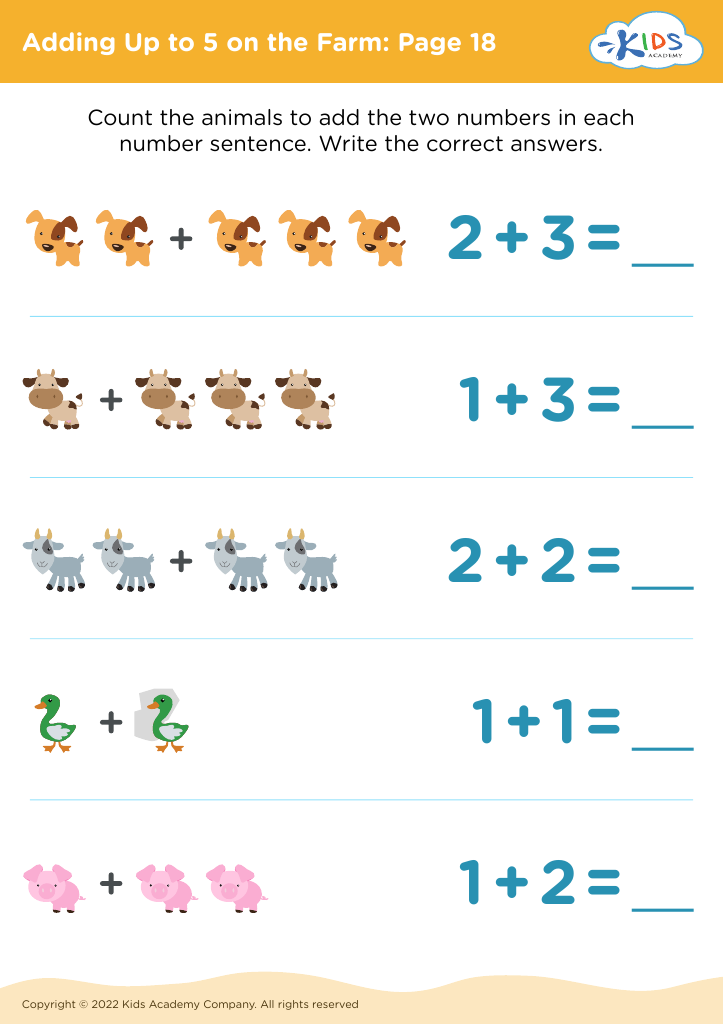
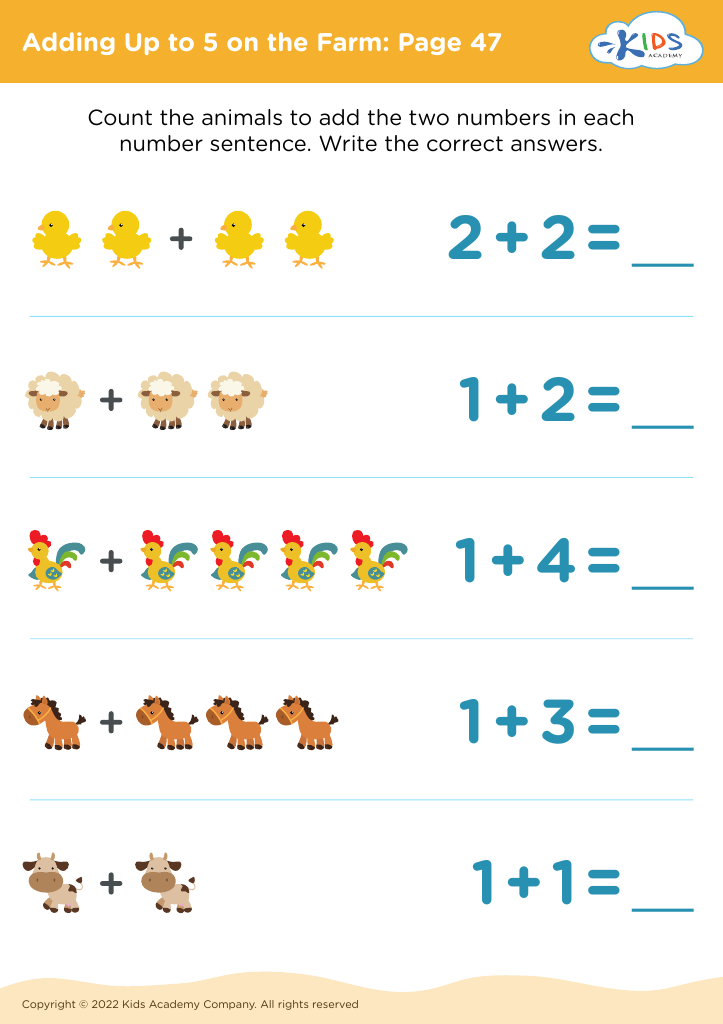
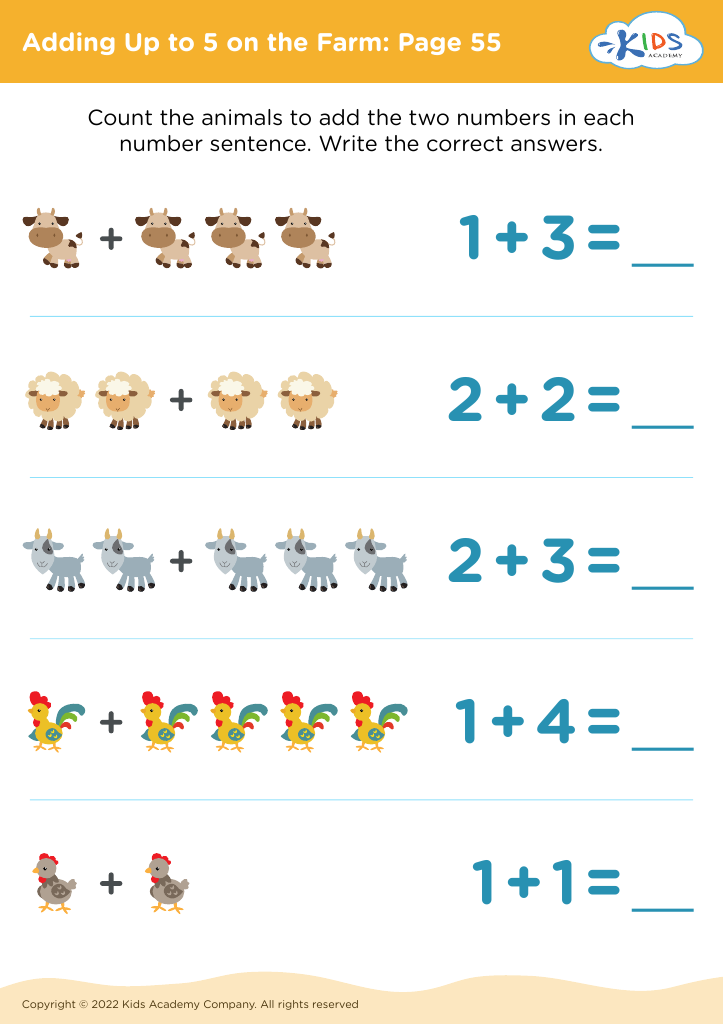
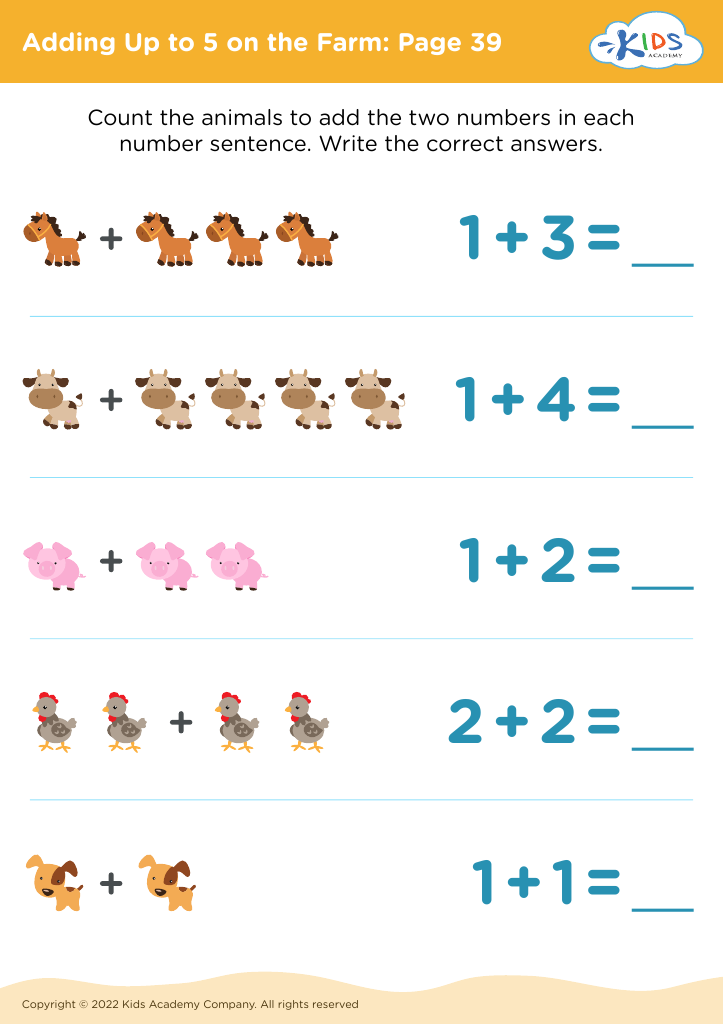
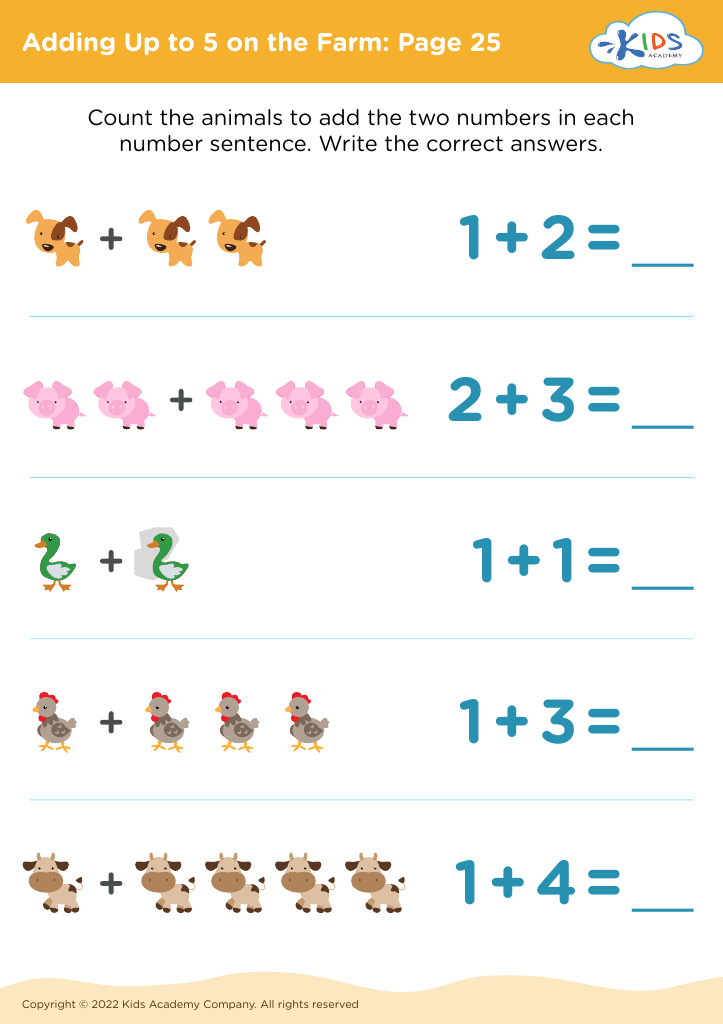
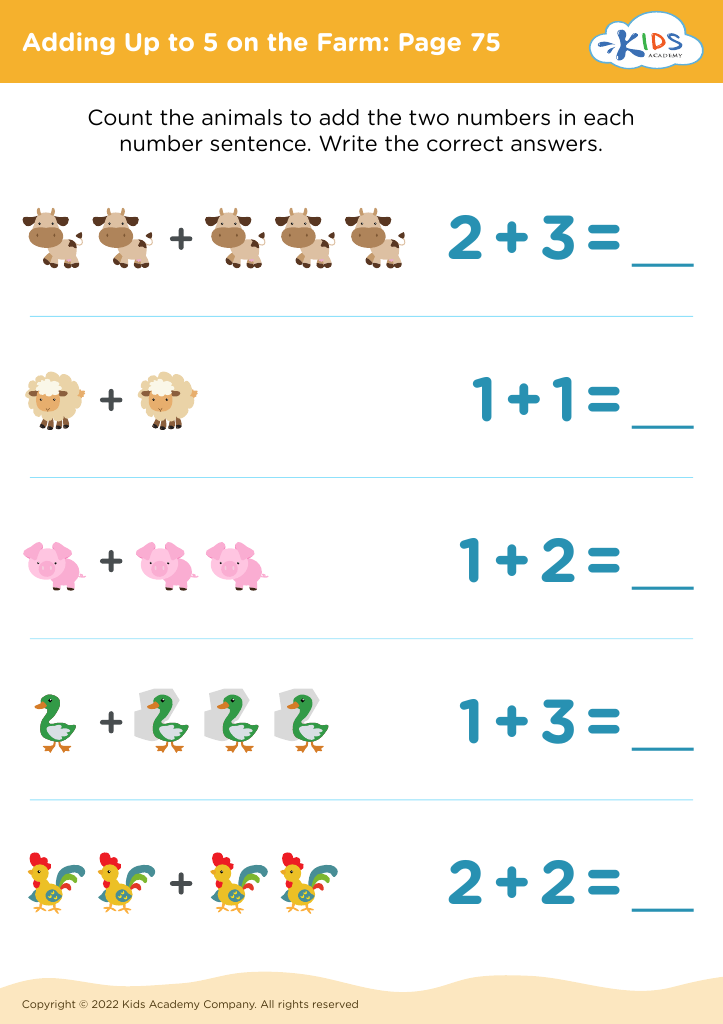
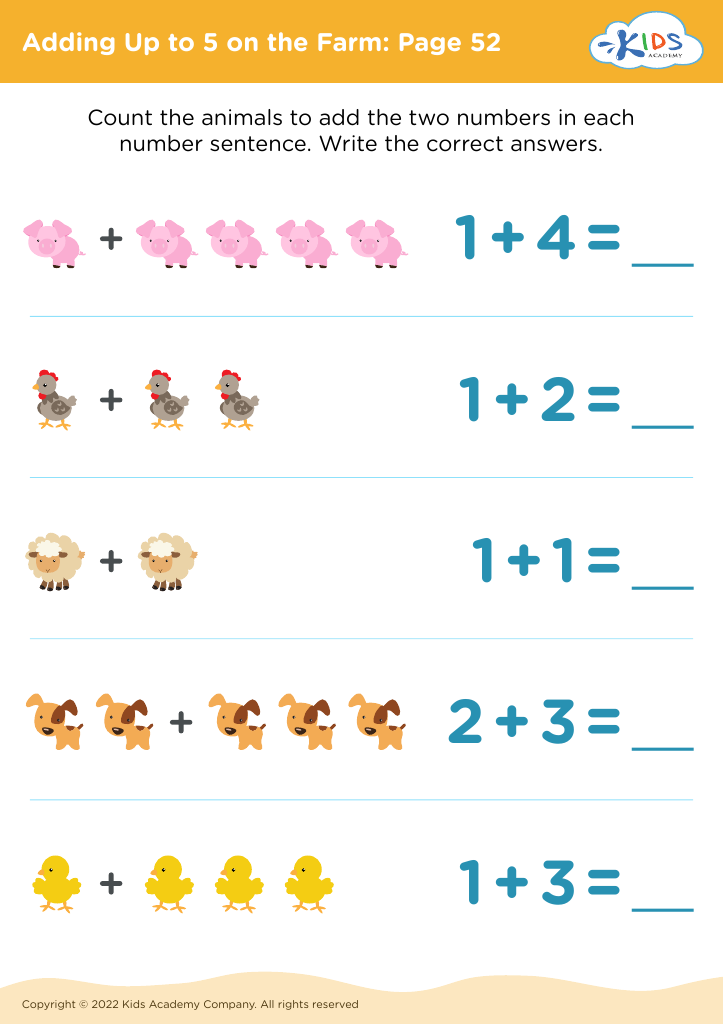
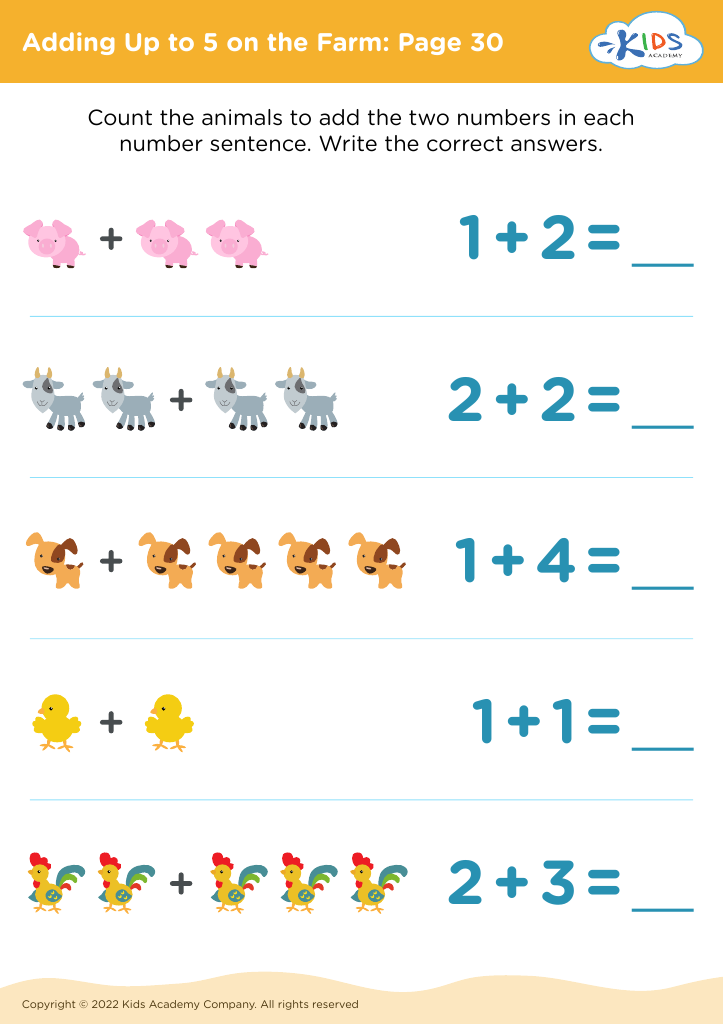
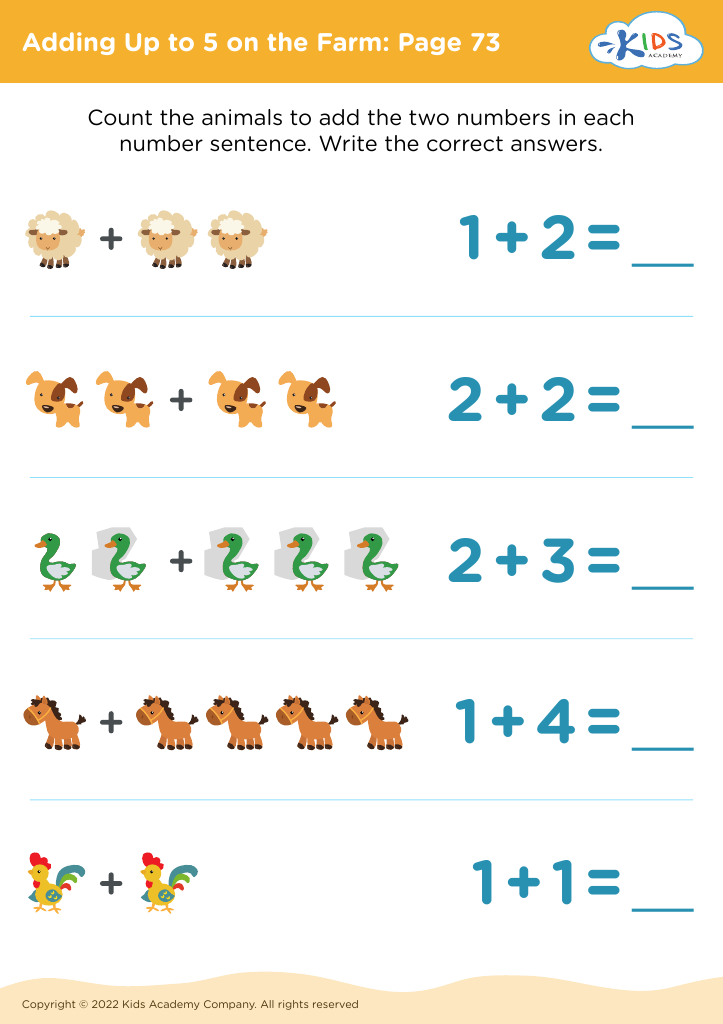
Introducing our "Animal Identification Adding on the Farm Worksheets for 4-Year-Olds" - a delightful learning tool that combines math practice with animal recognition! Created specifically for young learners, these engaging worksheets feature vibrant farm scenes where children can practice basic addition while identifying common farm animals. Perfect for preschoolers, these activities help develop foundational math skills, enhance observational abilities, and foster a love for learning. Each worksheet is thoughtfully designed to keep learning fun and interactive, making it an excellent resource for parents and teachers. Encourage your child's early math success with our fun-filled farm-themed worksheets!
Favorites
With answer key
Interactive
Join Kids Academy for Free
Who is primarily going to use this learning content?



Animal identification and addition on the farm for 4-year-olds serves as an engaging and educational experience, fostering pivotal early learning skills. Firstly, recognizing and identifying animals enhances a child's cognitive development by expanding their knowledge and vocabulary, which strengthens language acquisition. Using farm animals can make this process fun and relatable, stimulating innate curiosity about the natural world around them.
Incorporating basic addition using animals introduces foundational math concepts in a playful and tangible manner. At this stage, children often learn best through concrete manipulation of objects, and farm animals provide a perfect medium. For example, counting and adding cows, chickens, and pigs can help children grasp the concept of numbers, quantity, and simple arithmetic. This hands-on approach ensures that abstract ideas become more understandable and memorable.
Moreover, these activities promote fine motor skills through the handling of animal figures or illustrations, and they foster social skills when done in group settings, teaching cooperation and turn-taking. They also nurture observational skills and breed empathy and admiration for living creatures, which are essential components of emotional development.
In essence, animal identification and addition on the farm intertwine learning with play, laying a crucial bedrock for literacy, numeracy, social abilities, and emotional growth, making it a priceless aspect of early childhood education.