Visual learning reinforcement Addition & Subtraction Worksheets for 4-Year-Olds
6 filtered results
-
From - To
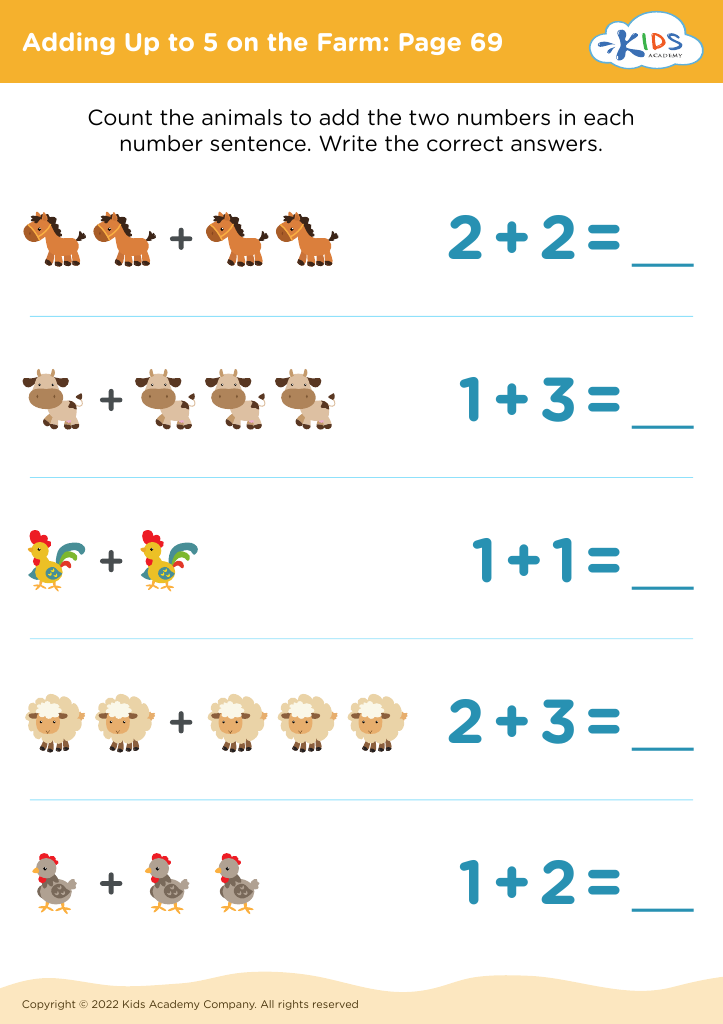
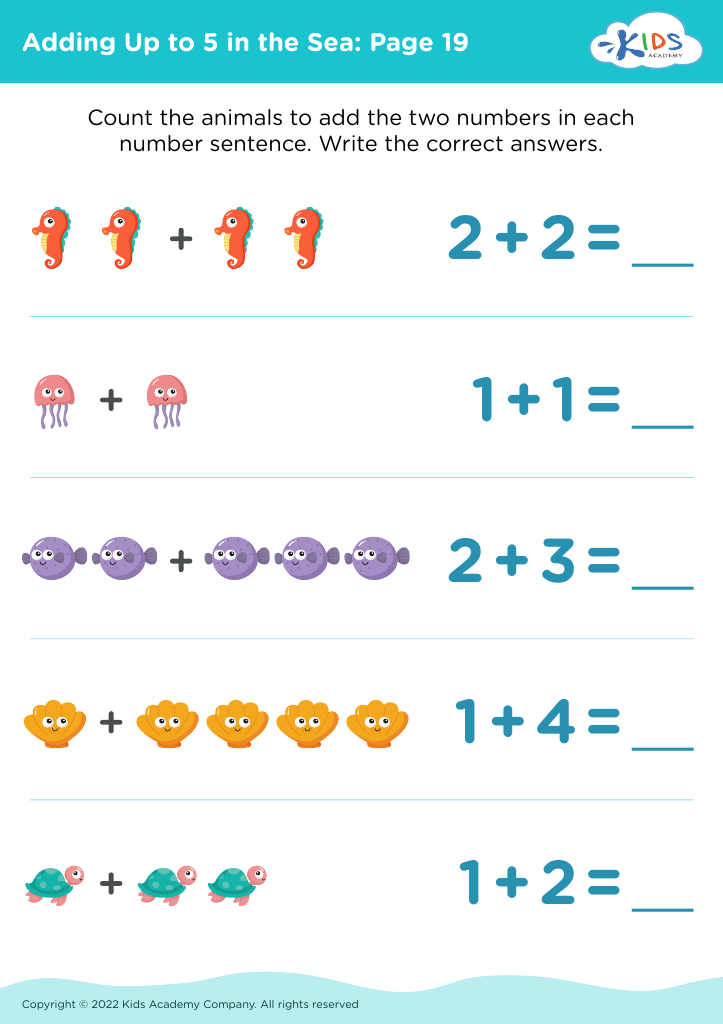
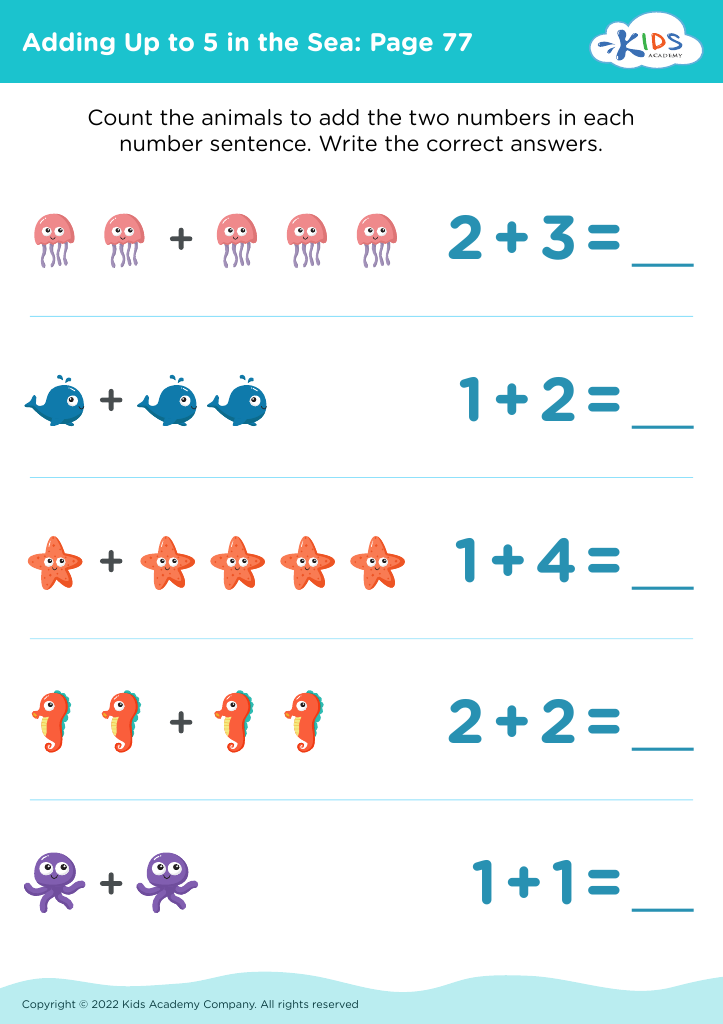
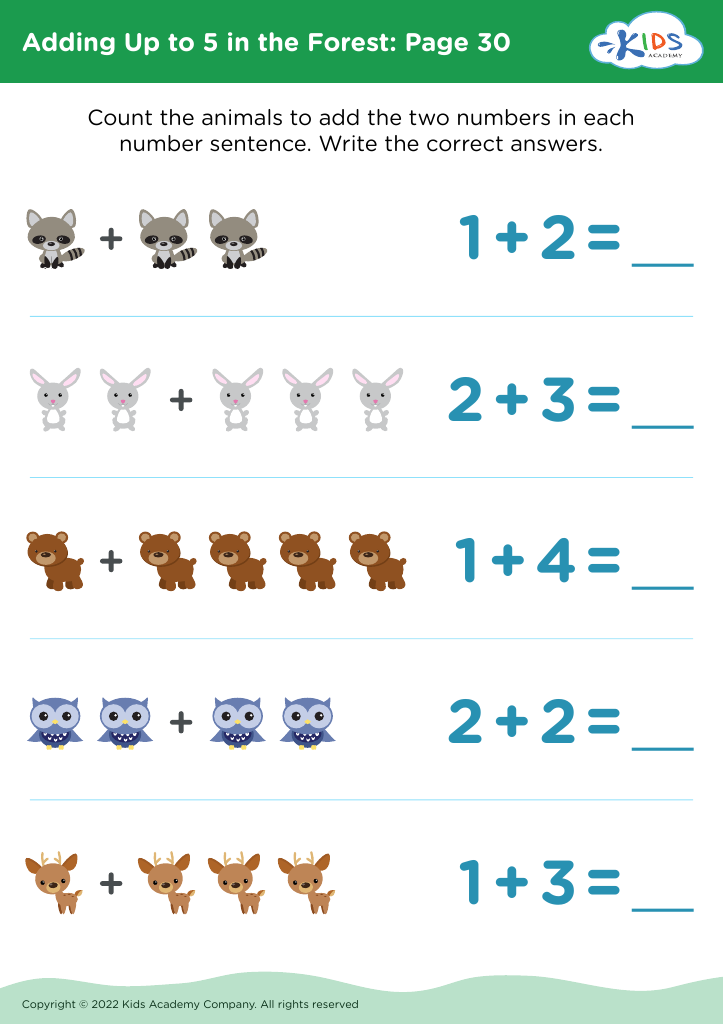
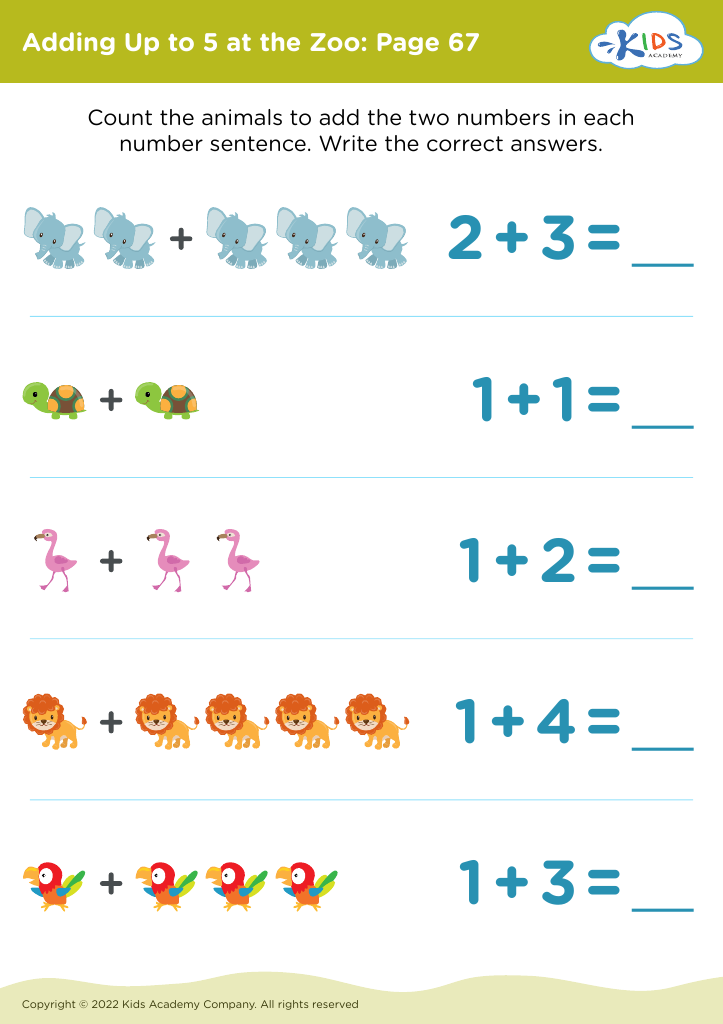
Discover the perfect tool for engaging young minds with our Visual Learning Reinforcement Addition & Subtraction Worksheets for 4-Year-Olds! Specially designed to support early learners, these colorful, easy-to-understand worksheets combine fun images with simple math problems to enhance basic arithmetic skills. By using visual aids, these exercises help children grasp the concepts of addition and subtraction effortlessly, offering clear, relatable examples that make learning both effective and enjoyable. Start building a strong mathematical foundation for your preschooler today with our expertly crafted resources at Kids Academy and watch your child’s confidence in math grow!
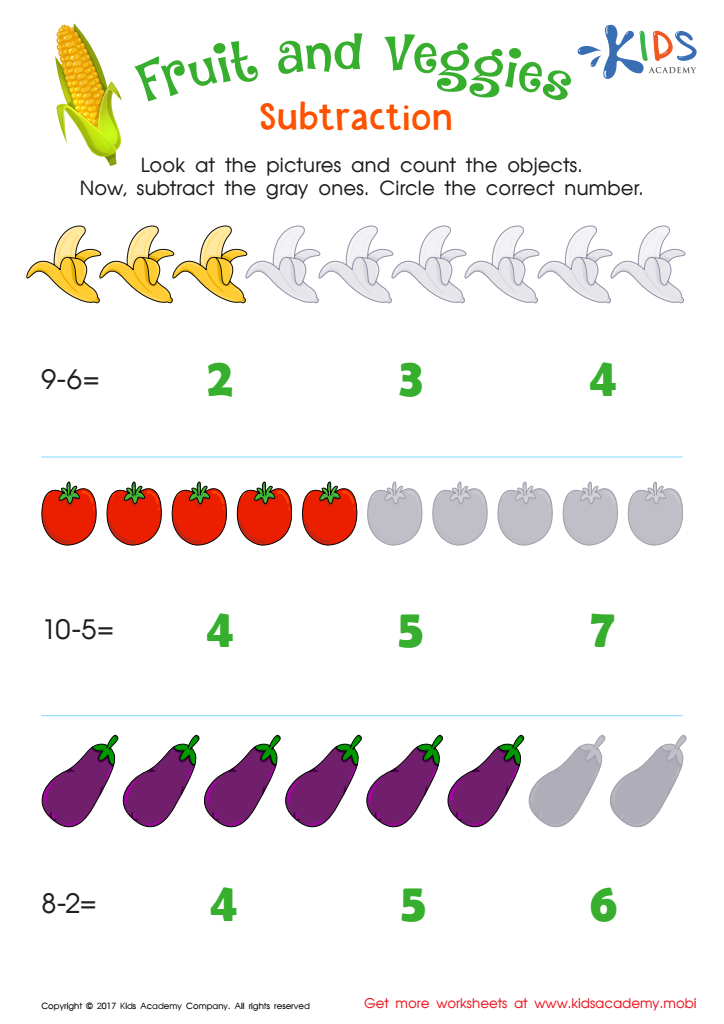
Fruit and Veggies Subtraction Worksheet
 Assign to My Students








Visual learning reinforcement for addition and subtraction is crucial for 4-year-olds, as it leverages their natural proclivity for visual-spatial learning. Young children often understand and retain information better when it is presented in a visual format. Utilizing visual aids like colorful objects, pictures, and diagrams can transform abstract math concepts into tangible, relatable experiences.
At this tender age, children's cognitive abilities are rapidly developing. Visual learning not only helps in grasping the basics of addition and subtraction but also strengthens neural connections in their growing brains. When kids see physical representations of math problems – such as counting apples or grouping toys – they can intuitively understand the concepts of combining and separating quantities. This concrete foundation sets the stage for more complex mathematical thinking later on.
Additionally, visual learning creates a more engaging and enjoyable educational experience. Using engaging materials like storybooks, manipulatives, and interactive games can make math less intimidating and more appealing. This positive association with learning fosters a lifelong love of inquiry and problem-solving.
Parents and teachers play a critical role in nurturing this early mathematical understanding. By incorporating visual learning techniques, they ensure children build a strong foundation for future academic achievements, fostering confidence, curiosity, and a positive attitude toward learning.








