Basic arithmetic comprehension Addition Worksheets for 4-Year-Olds
3 filtered results
-
From - To
Our "Basic Arithmetic Comprehension: Addition Worksheets for 4-Year-Olds" are designed to introduce young learners to the world of math in a fun and engaging way. These worksheets focus on fundamental addition skills, helping preschoolers recognize numbers, count, and sum up to develop their early math comprehension. Created with colorful illustrations and easy-to-follow instructions, these activities ensure children enjoy learning while building a solid foundation in arithmetic. Perfect for at-home practice or preschool classrooms, our addition worksheets are tailored to support development, boost confidence, and make math a breeze for your little one.
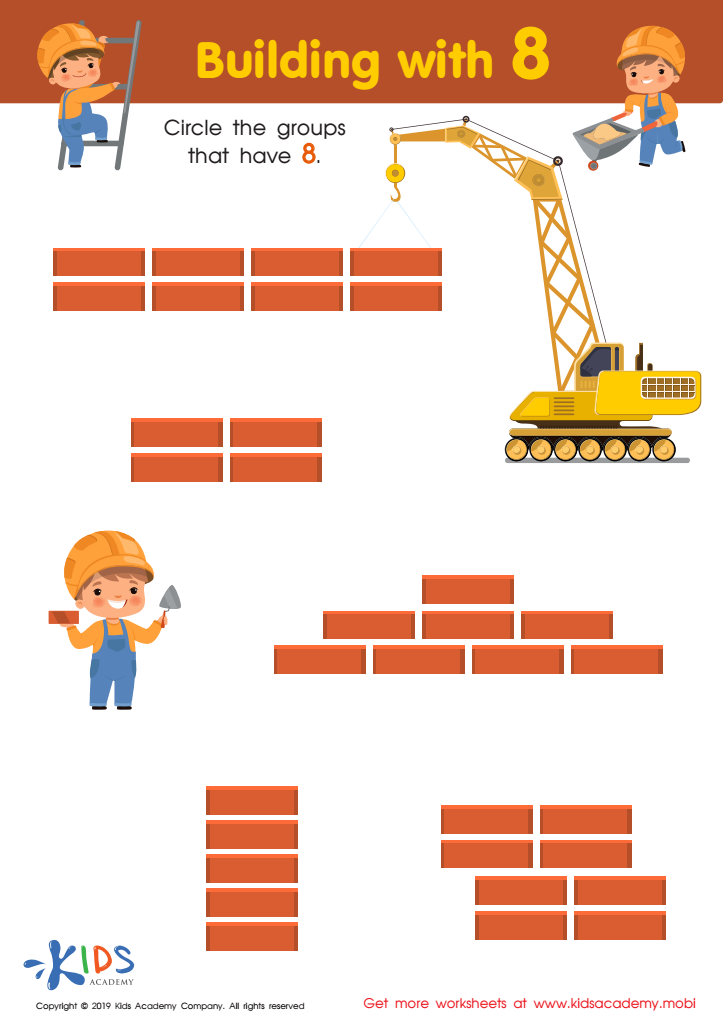
Building with 8 Worksheet
 Assign to My Students
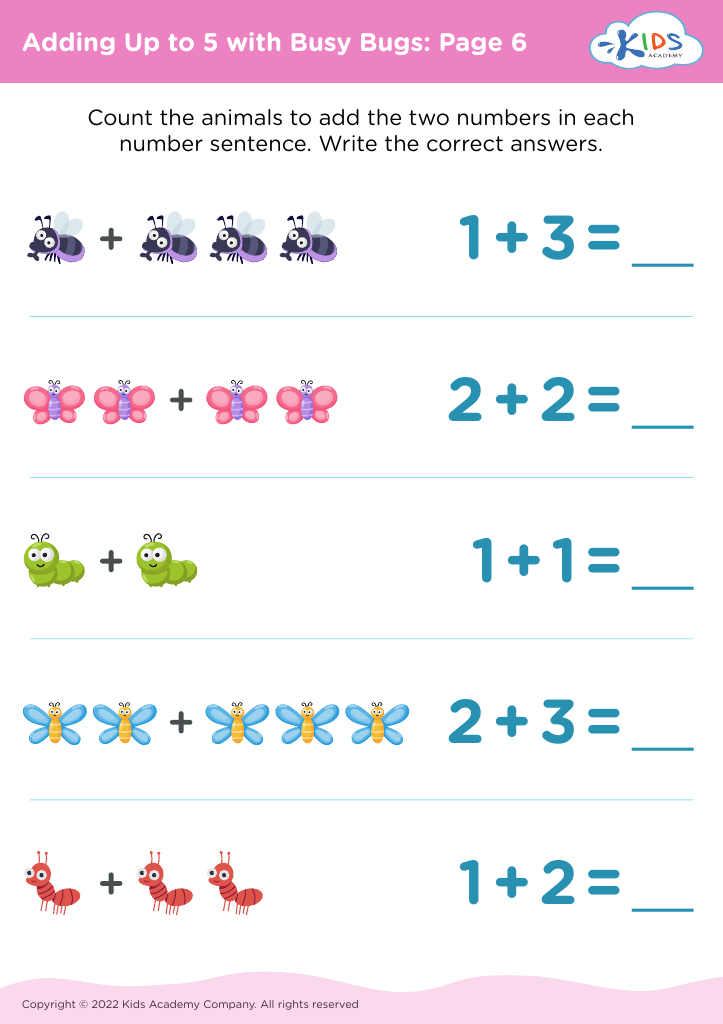
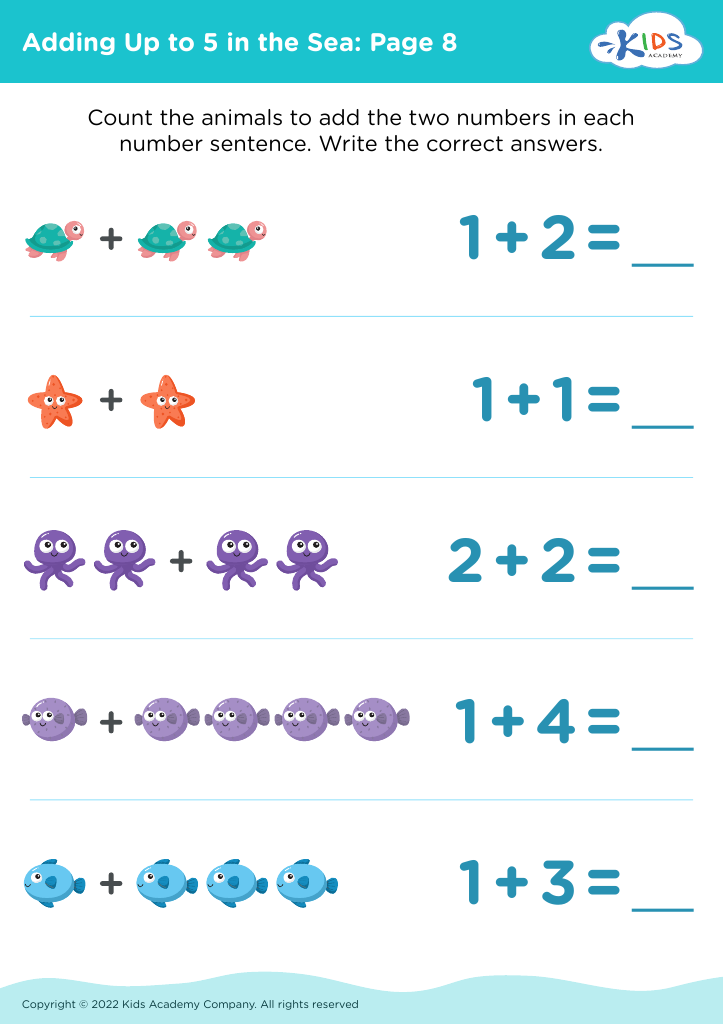








Parents and teachers play a crucial role in fostering early arithmetic comprehension, particularly addition, for 4-year-olds as it lays the foundation for future mathematical understanding and cognitive development. Children in this formative age group benefit from early exposure to basic math concepts, which helps stimulate numerical awareness and problem-solving skills. One key reason to care about addition at this stage is that it supports the development of logical thinking. As youngsters grasp how combining two groups of objects creates a new total, they learn to recognize patterns and relationships, which are essential cognitive skills.
Additionally, early math skills are strong predictors of later academic success. Research indicates that children who develop basic arithmetic skills early on tend to achieve higher in school years later, not just in math but across various subjects where analytical thinking is required. Encouraging a positive attitude toward math through playful and engaging activities helps combat math anxiety, fostering a sense of curiosity and confidence in young learners.
Furthermore, arithmetic comprehension aids in everyday tasks such as sharing toys, understanding time, and even basic cooking activities, enhancing their independence and practical life skills. Ultimately, investing time in teaching addition to 4-year-olds equips them with essential tools needed for academic and personal growth, ensuring a bright and competent future.








