Fine motor skills (writing) Addition Worksheets for 4-Year-Olds - Page 2
32 filtered results
-
From - To
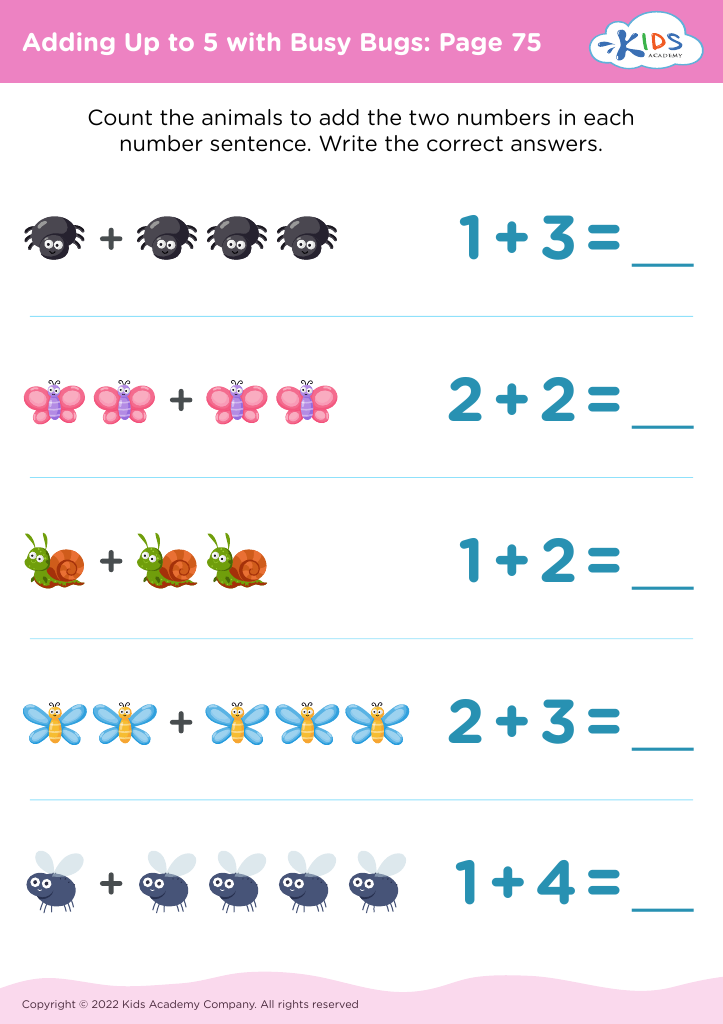
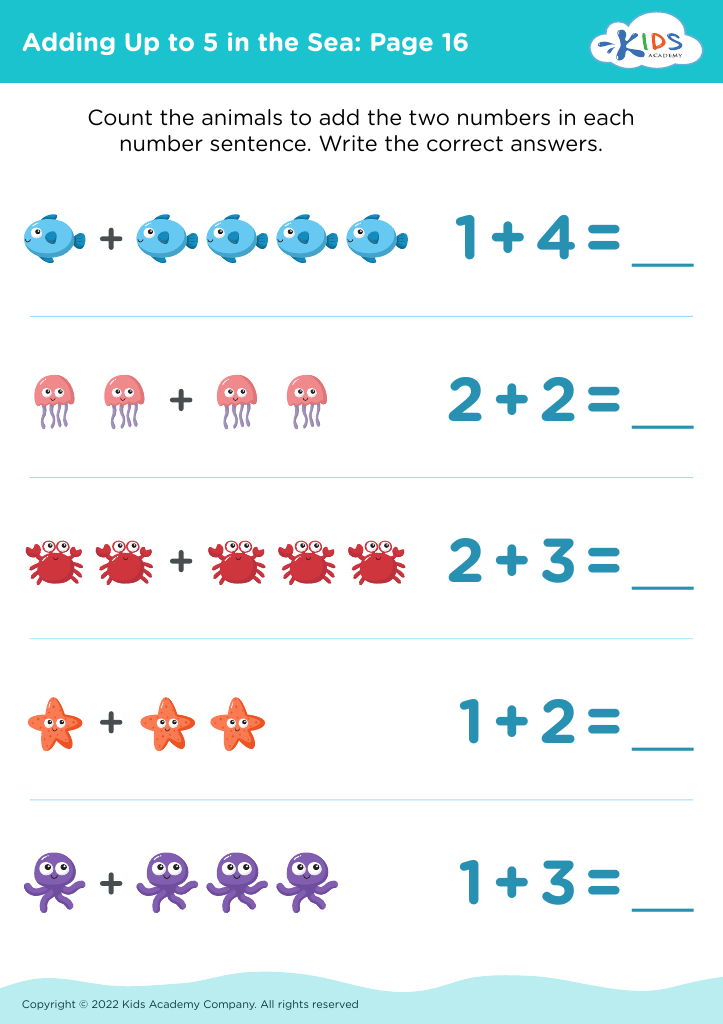
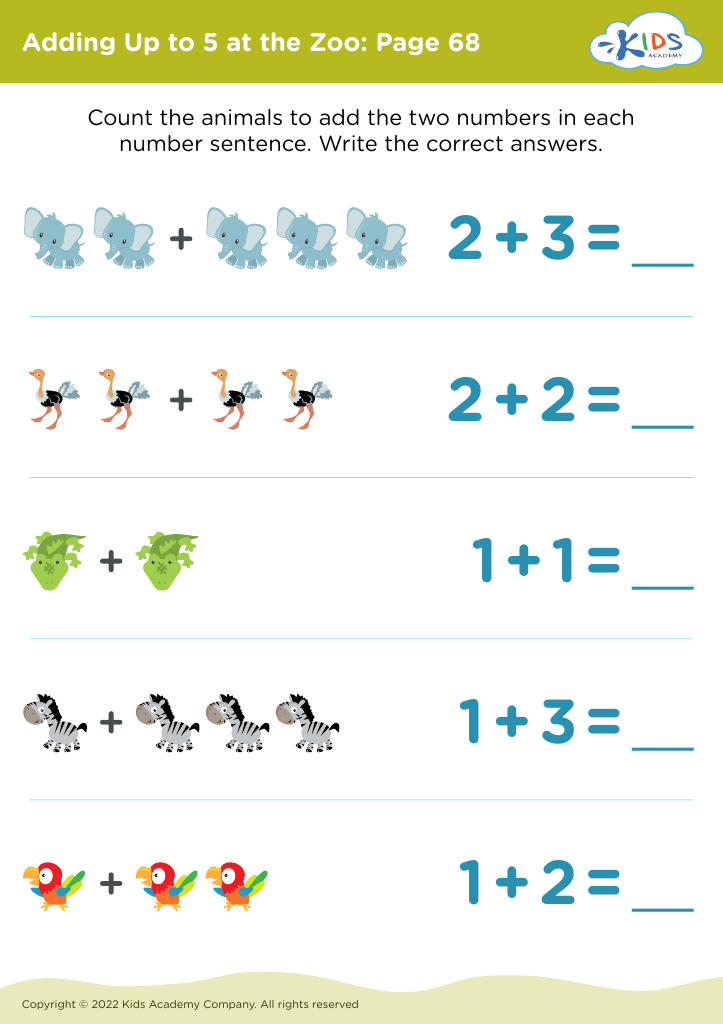
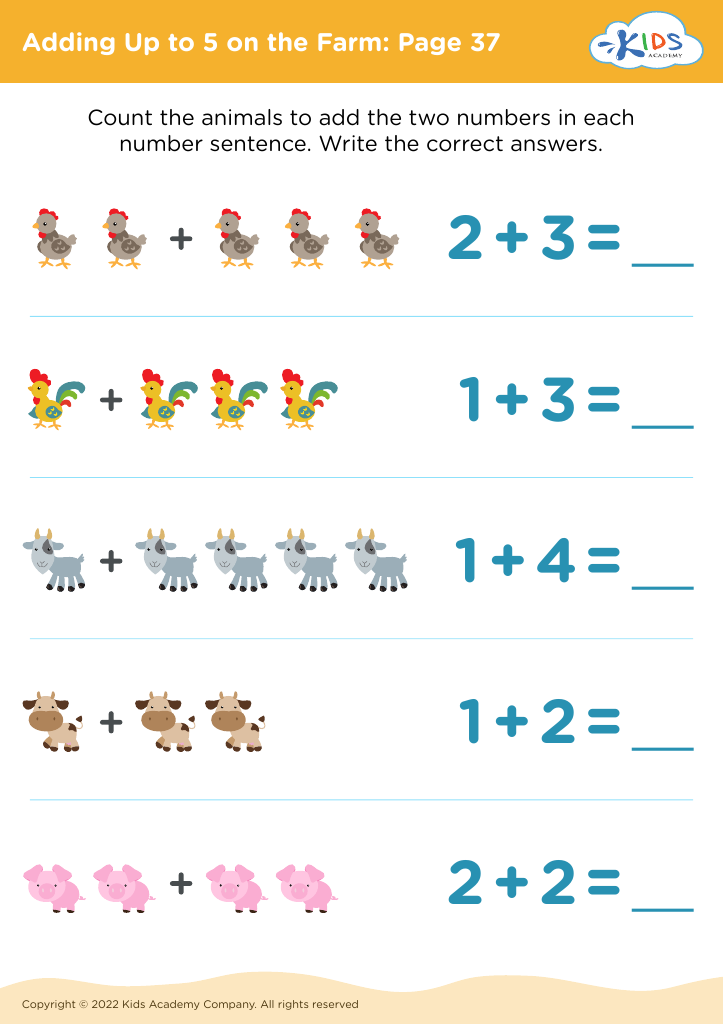
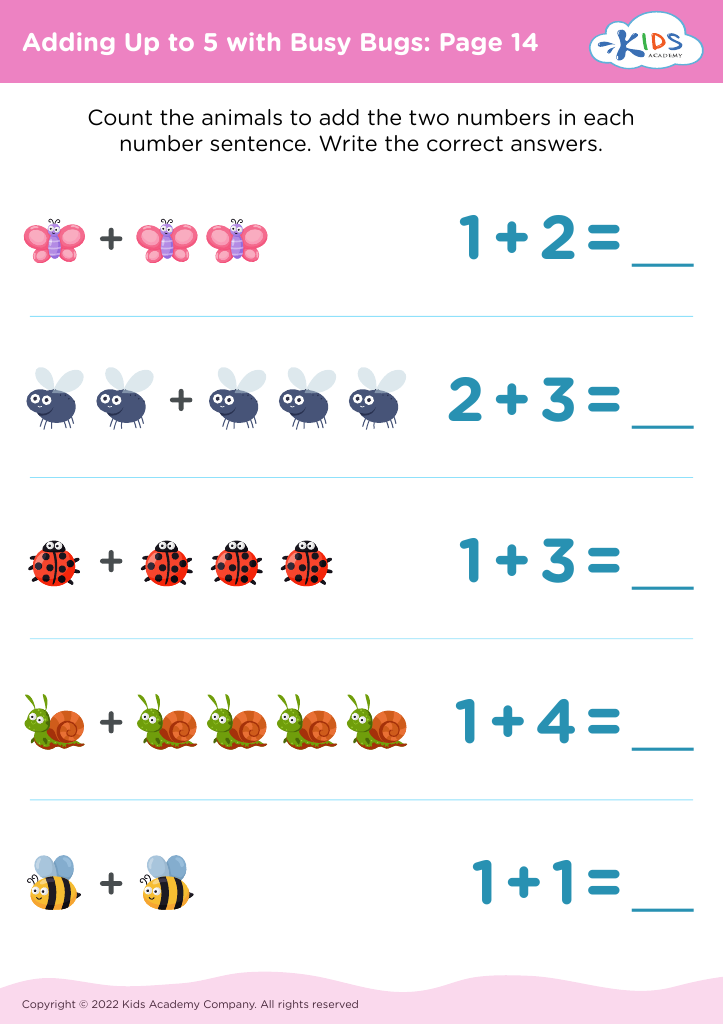
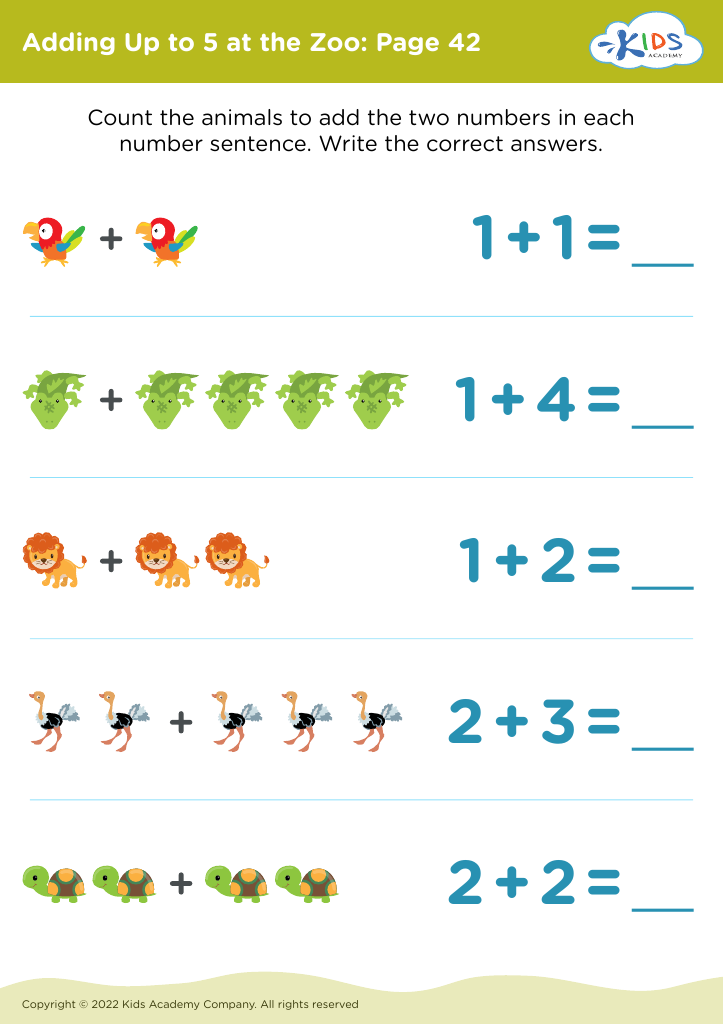
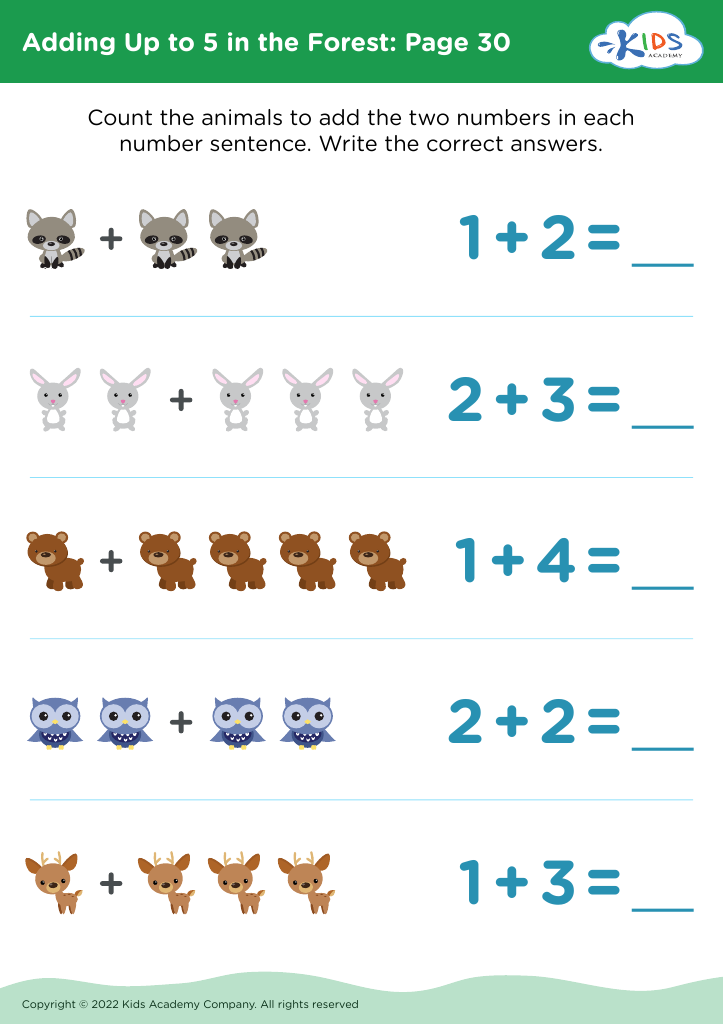
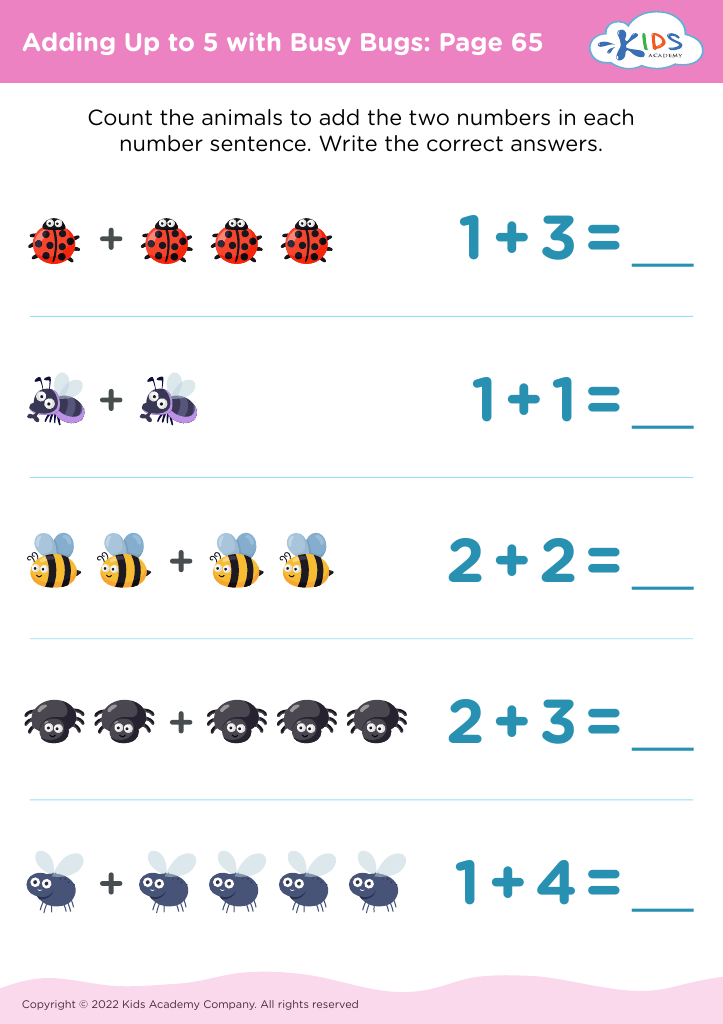








Fine motor skills are crucial for the development of young children, particularly for 4-year-olds who are honing essential abilities that lay the groundwork for future learning. Encouraging fine motor skills, especially through writing activities, equips children with the dexterity needed to hold and manipulate writing tools. This foundational skill not only bolsters their ability to write but also enhances hand-eye coordination, which is vital for later tasks such as drawing, cutting, and even personal hygiene.
Moreover, developing fine motor skills supports cognitive development. Engaging in writing activities encourages cognitive processes such as memory, focus, and problem-solving. When children experiment with letters and simple words, they actively participate in language development, literacy, and creativity, all of which are significant indicators of academic success.
For parents and teachers, nurturing fine motor skills at this age creates a sense of accomplishment and boosts self-esteem in children. As they progress in their writing abilities, they become more confident in expressing themselves, which is pivotal for social interactions. Therefore, prioritizing fine motor skill development through enjoyable writing activities is essential for fostering well-rounded, capable young learners ready for the challenges of formal education.








