Basic Addition Numbers Worksheets for 4-Year-Olds - Page 2
31 filtered results
-
From - To
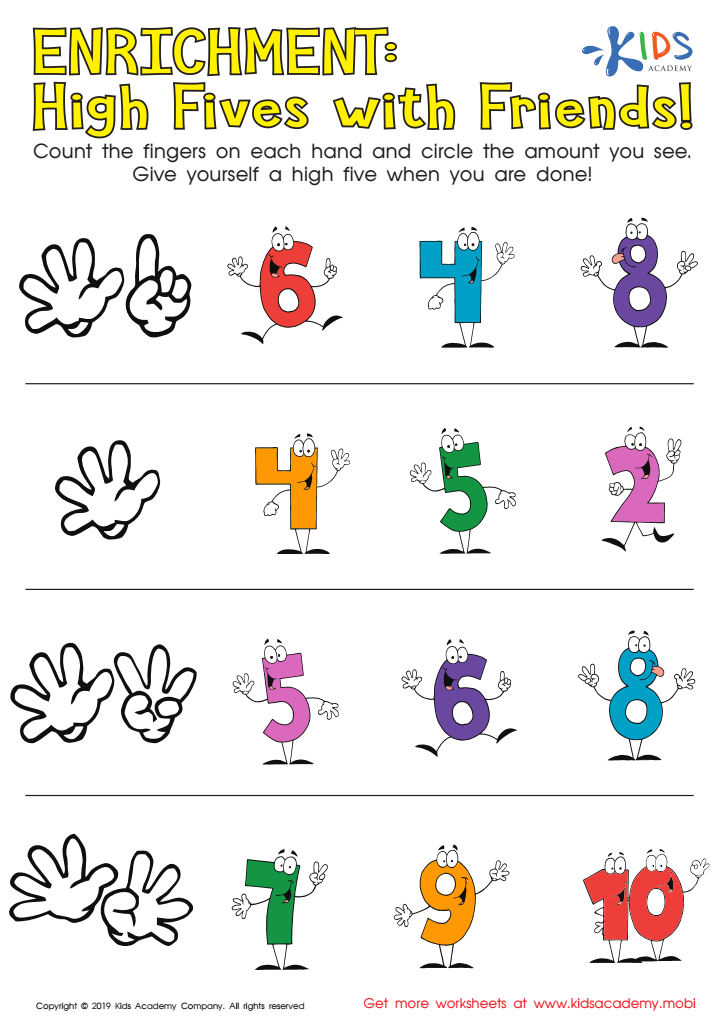
Enrichment: High Fives with Friends! Worksheet
 Assign to My Students
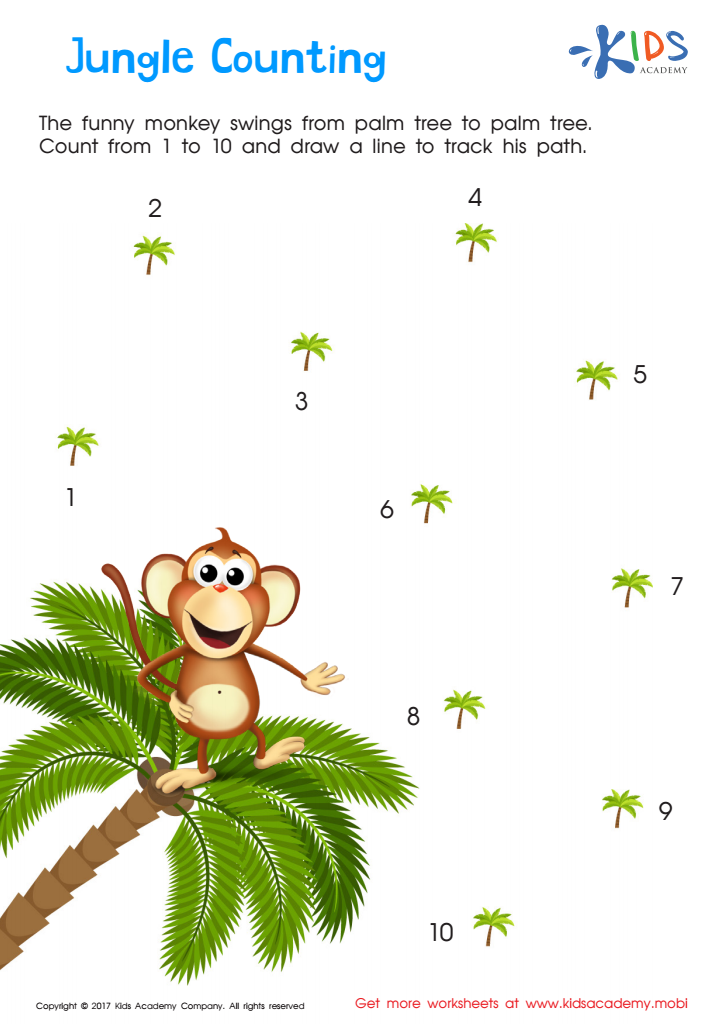
Jungle Counting Connect Dots Worksheet
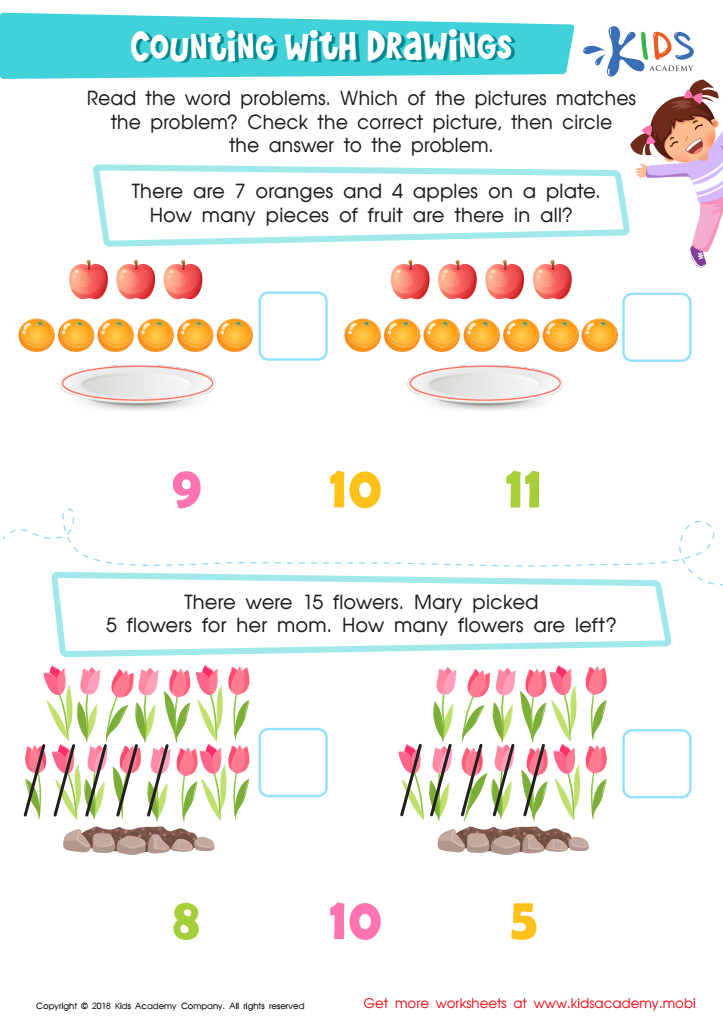
Counting with Drawings:Fruits & Flowers Worksheet
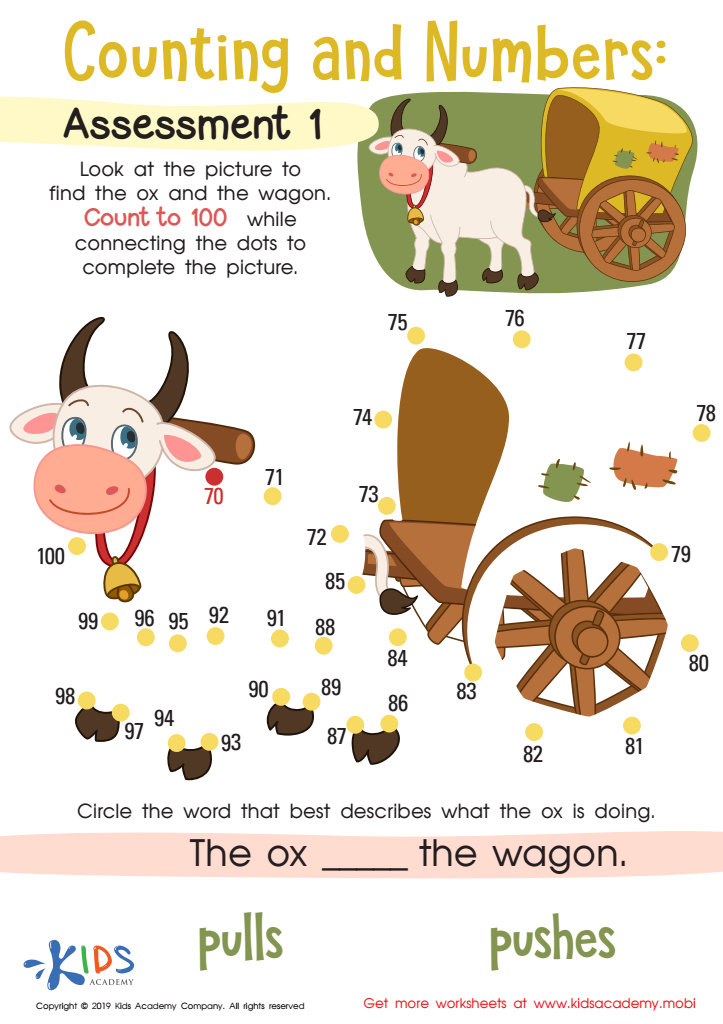
Counting and Numbers: Assessment 1 Worksheet
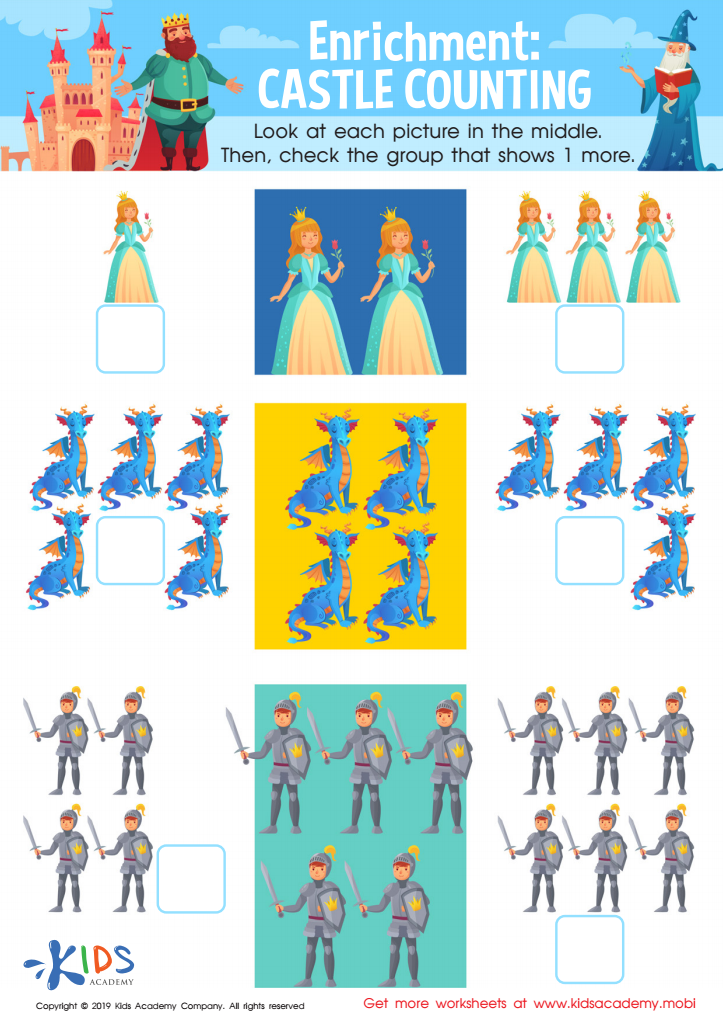
Enrichment: Castle Counting Worksheet
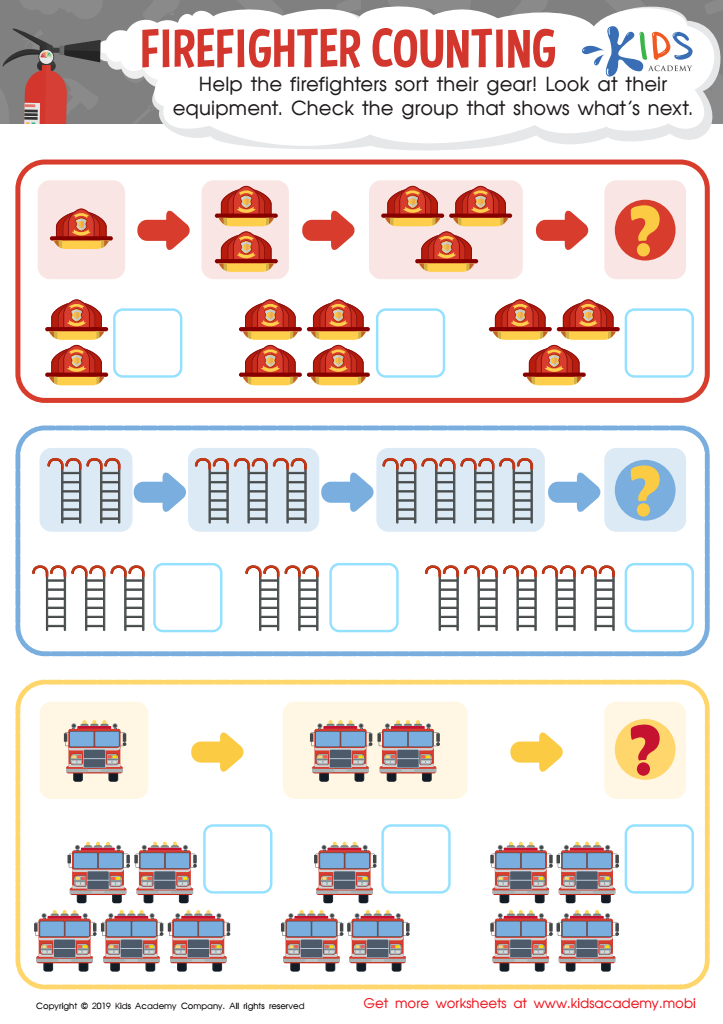
Firefighter Counting Worksheet
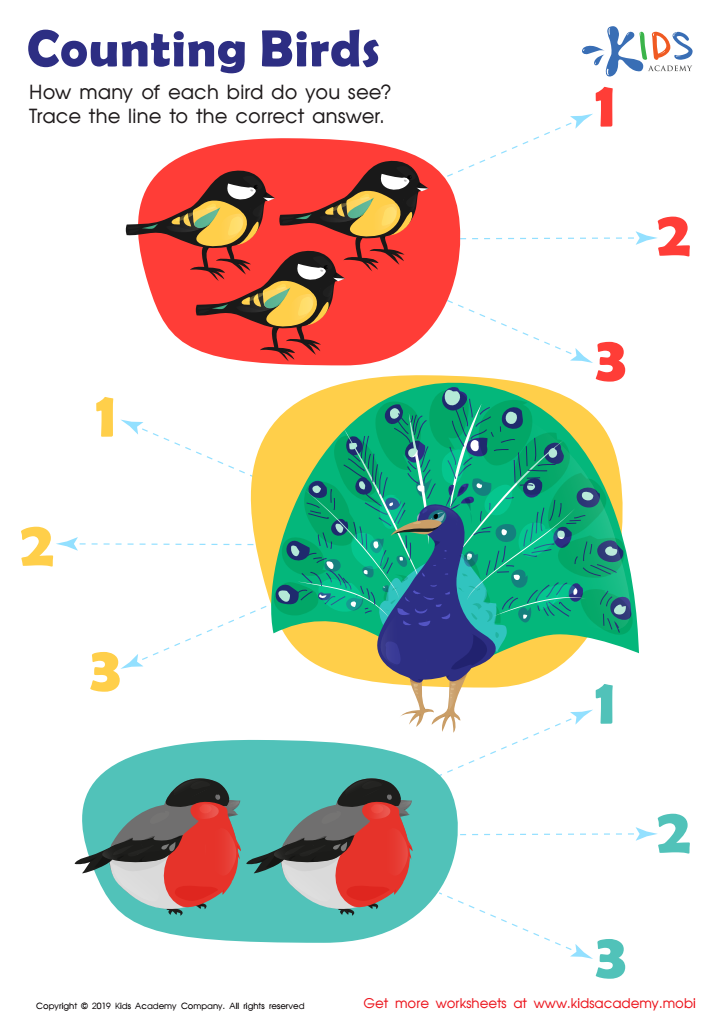
Counting Birds Worksheet





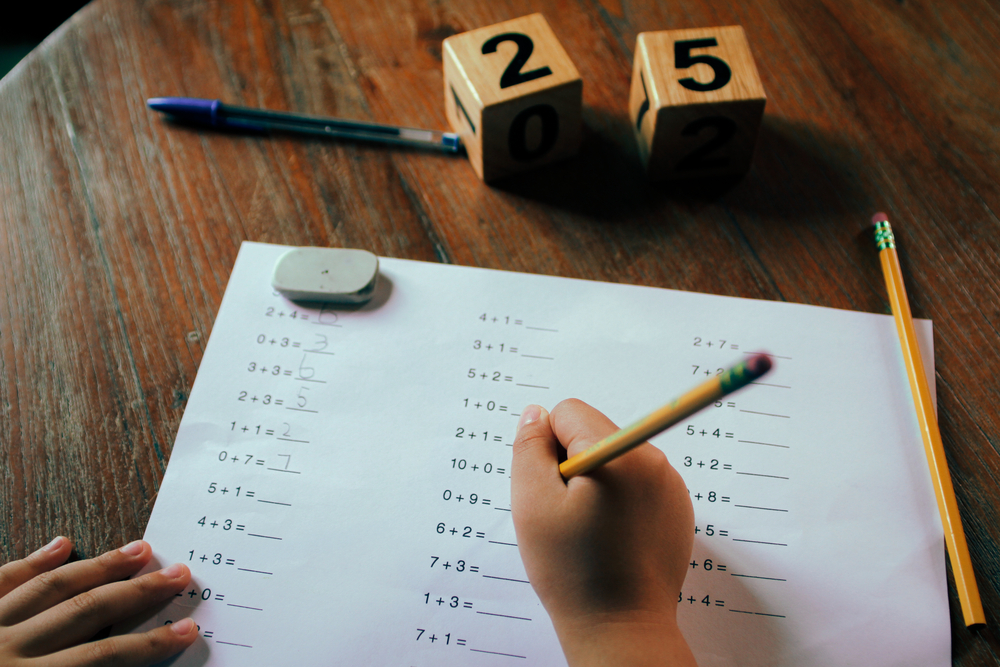


Introducing basic addition to 4-year-olds is crucial for several reasons, pivotal for both parents and teachers. Early exposure to basic math concepts can spark a child's interest in mathematics, setting a positive foundation for later learning. At this age, children's brains are exceptionally receptive to new information. Teaching basic addition helps enhance their cognitive development by improving problem-solving skills, logical thinking, and working memory.
Basic addition acts as a gateway to more complex math principles. Understanding it early eases the future transition into elementary school arithmetic, creating confident and capable learners. Moreover, practicing addition sharpens concentration and attention to detail, critical skills in all areas of education.
Furthermore, as children begin to recognize the real-world uses of math—like counting toys or sharing snacks—their curiosity and engagement increase. Engaging in mathematical thinking at an early age encourages perseverance and can reduce math anxiety later in life.
For parents, participating in their child’s early math education strengthens the parent-child bond while transforming everyday activities into valuable learning experiences. For teachers, it enables the creation of a standards-aligned curriculum, tailored to cultivate an inquisitive and robust understanding of math. Hence, both parents and teachers should prioritize basic addition for young children's comprehensive development.








