Cognitive Development Numbers Worksheets for 4-Year-Olds - Page 2
29 filtered results
-
From - To
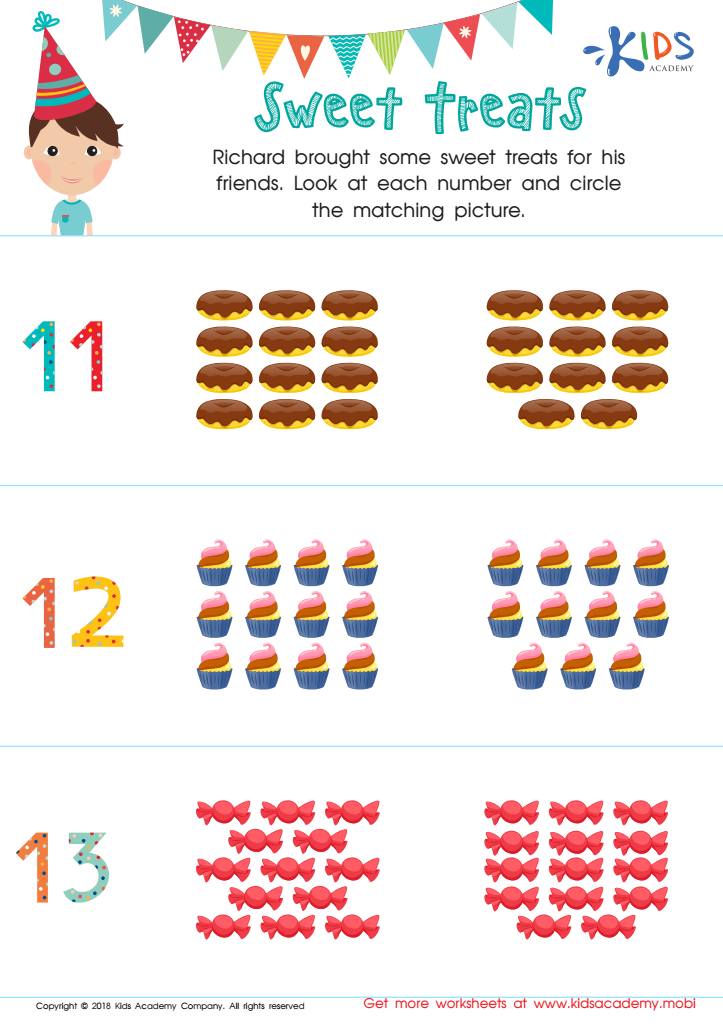
Kindergarten Math Worksheet Matching Numbers
 Assign to My Students
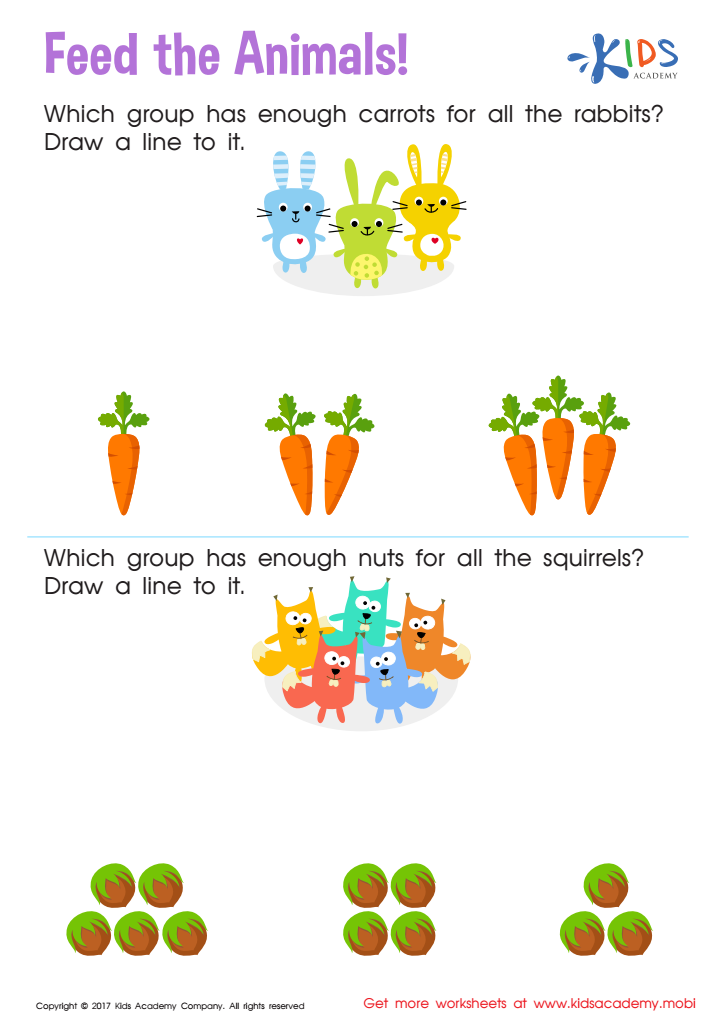
Count and Match: Feed the Animals Worksheet
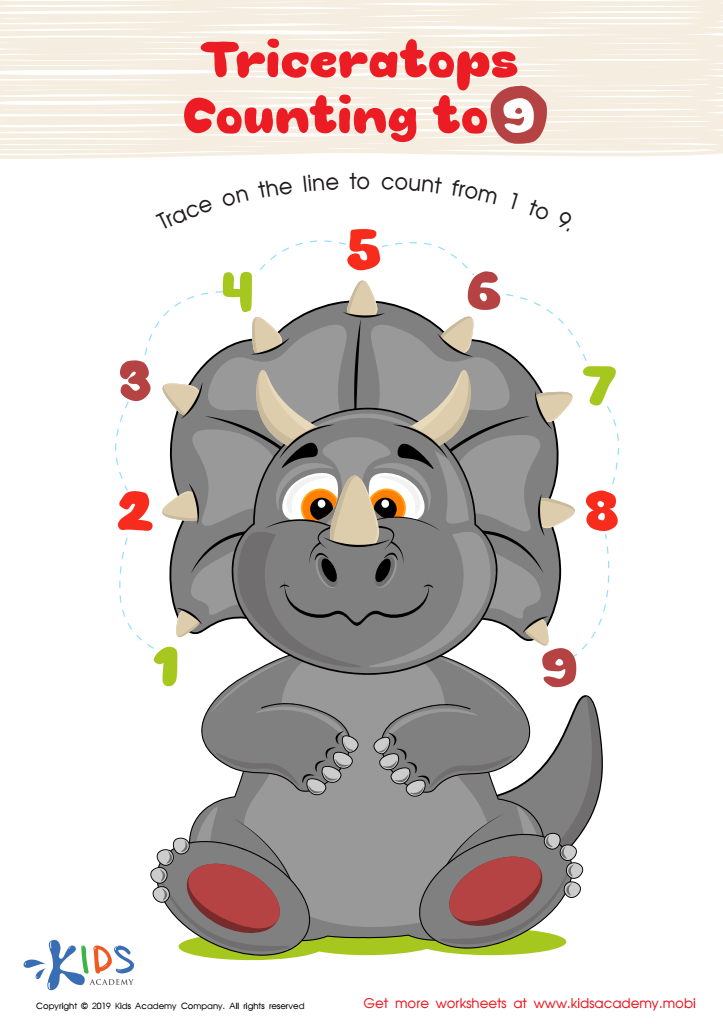
Triceratops Counting to 9 Worksheet
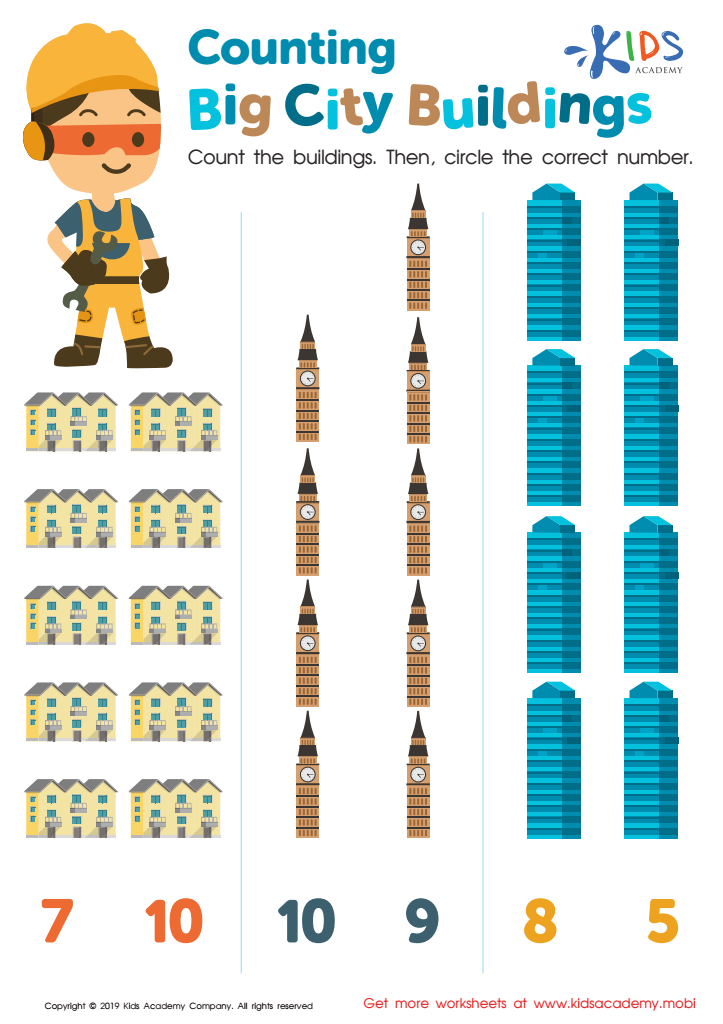
Counting Big City Buildings Worksheet

Night Sky Numbers Worksheet








Cognitive development in 4-year-olds is a crucial aspect of early childhood learning that parents and teachers should actively monitor and support. At this age, children are naturally curious and explore their environments, laying the foundation for critical thinking, problem-solving, and early mathematical concepts. Understanding cognitive milestones is vital as it helps parents and educators assess a child's progress and identify areas that may need additional support or stimulation.
For instance, at age four, children typically begin to grasp basic counting, classify objects, and understand simple patterns. Recognizing these developmental cues allows parents and teachers to engage children in age-appropriate activities that promote numerical understanding. This could include counting objects during play, introducing simple board games, or exploring shapes and sizes through creative projects.
Moreover, cognitive development in early childhood significantly influences later academic success. Children who master early cognitive skills are more likely to excel in future math and literacy tasks. By prioritizing cognitive development, parents and teachers foster a love for learning, support social-emotional growth, and equip children with essential skills for lifelong learning. Ultimately, investing time in these fundamental areas yields rich rewards, shaping well-rounded, confident individuals ready for the big world ahead.








