Pattern recognition Numbers Worksheets for 4-Year-Olds
4 filtered results
-
From - To
Discover the joy of learning with our Pattern Recognition Numbers Worksheets for 4-Year-Olds! These engaging, bright, and expertly designed activities help young children recognize and complete numerical patterns, laying the foundation for strong math skills. By connecting numbers in fun, interactive ways, our worksheets make learning exciting and provide essential practice that boosts confidence and understanding. Ideal for preschoolers, these resources support early math development from the comfort of home, encouraging independent learning and critical thinking in the youngest learners. Make math enjoyable and accessible with our vibrant worksheets, specifically tailored for curious, budding mathematicians.
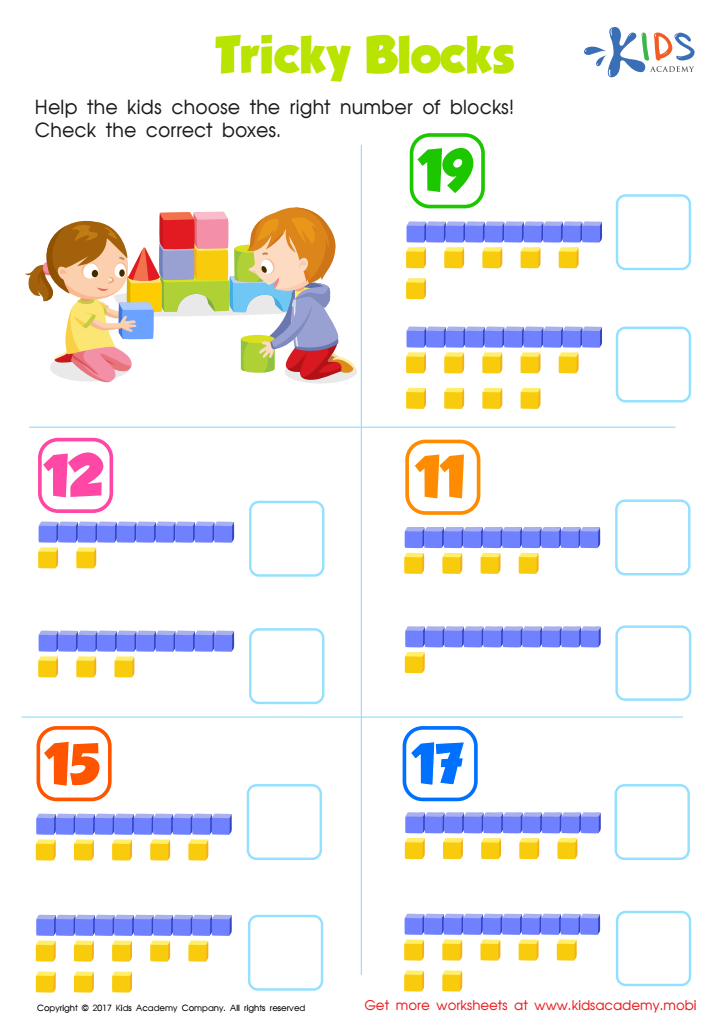
Tricky Blocks Worksheet
 Assign to My Students
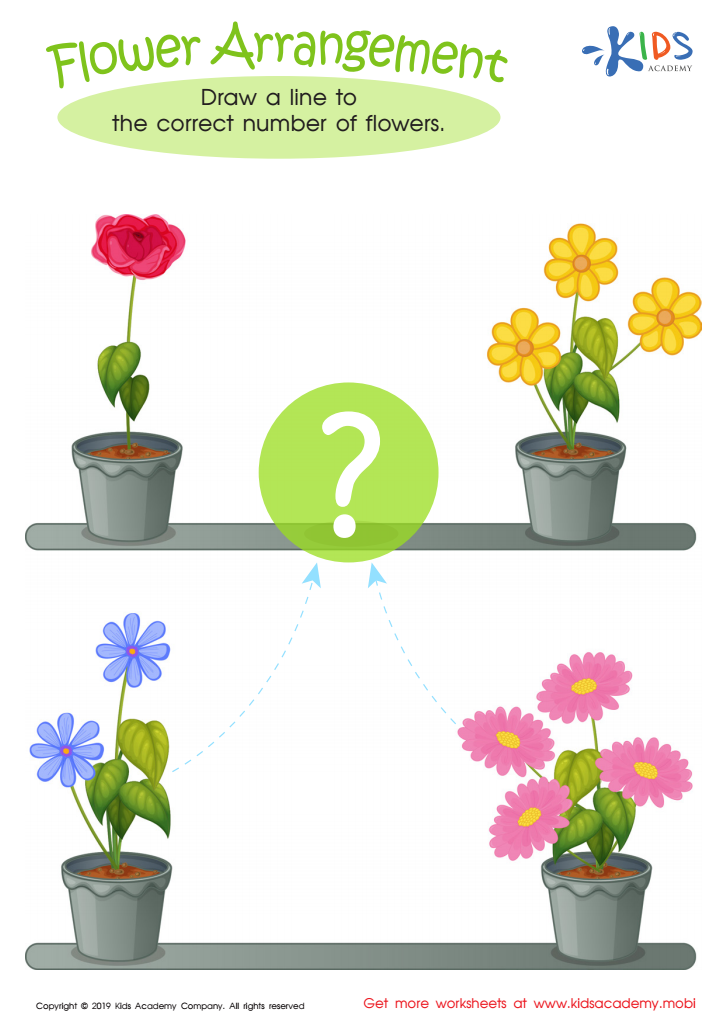
Flower Arrangement Worksheet
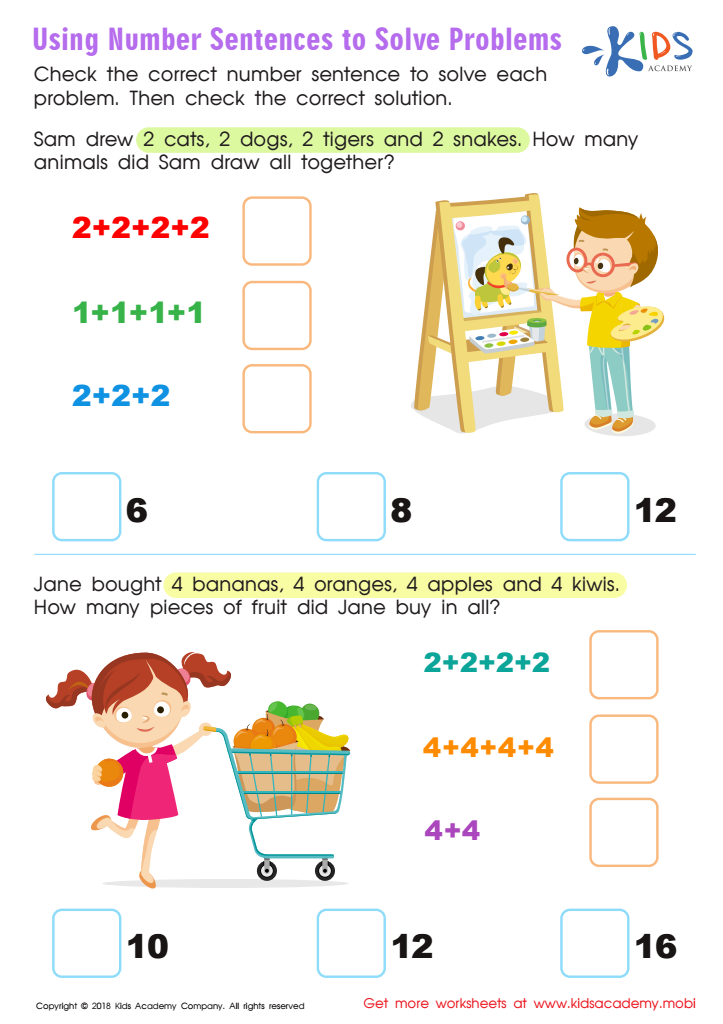
Using Number Sentences to Solve Problems Worksheet
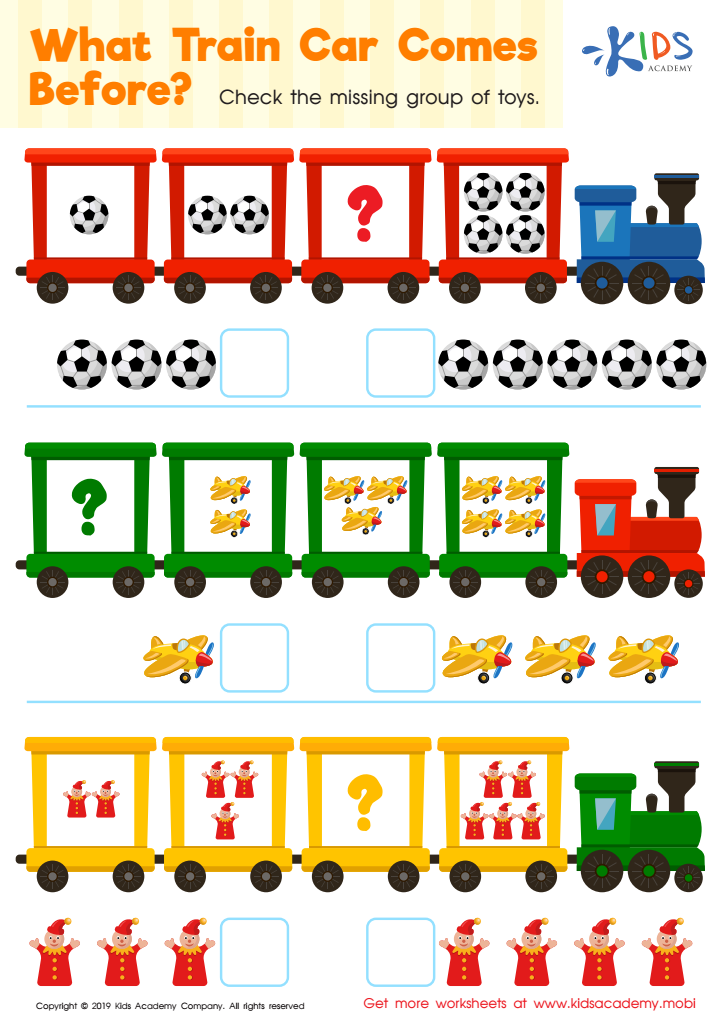
What Train Car Comes Before? Worksheet





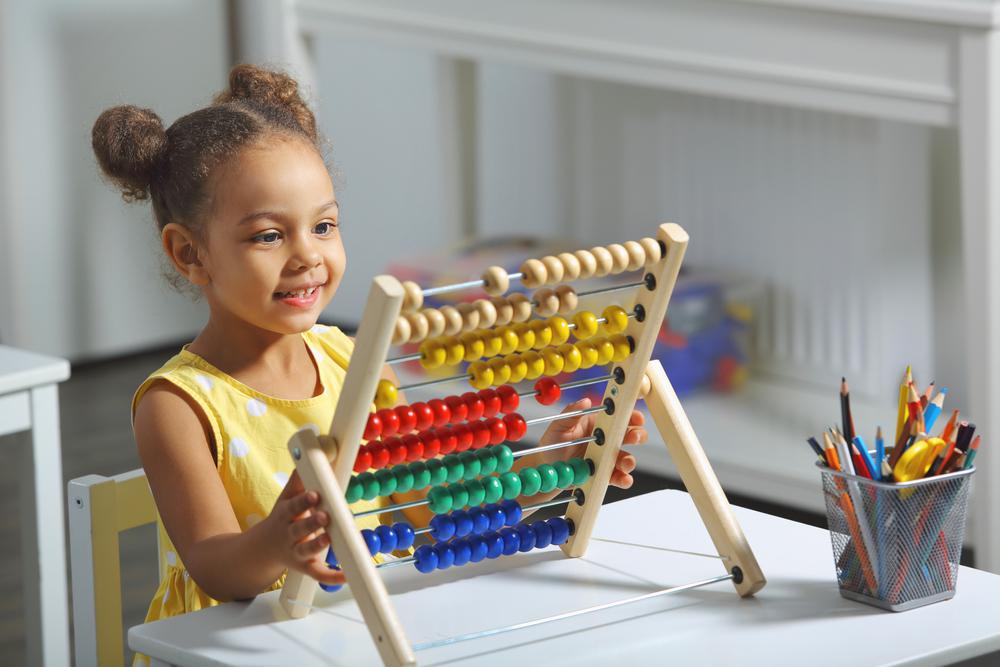


Pattern recognition in numbers is a crucial foundational skill for 4-year-olds, and both parents and teachers should prioritize its development because it lays the groundwork for future mathematical learning. At this age, children are naturally curious and their brains are highly receptive to new concepts, making it an ideal time to introduce number patterns.
Understanding patterns helps children make predictions and recognize sequences, which are essential skills for higher-level math, such as addition, subtraction, multiplication, and division. Recognizing patterns also strengthens their problem-solving abilities and analytical thinking, skills that are transferable to many other academic areas and real-world situations.
Moreover, engaging in activities that promote pattern recognition can enhance cognitive development. When children spot regularities and sequences, they boost their memory and attention skills, which are crucial for academic success across various subjects. This early exposure can make formal education in math less intimidating and more intuitive for them as they grow older.
Socially and emotionally, children feel a sense of accomplishment when they identify and complete patterns, boosting their confidence and encouraging a positive attitude towards learning. Therefore, pattern recognition in numbers not only prepares 4-year-olds for future mathematical concepts but also fosters cognitive and emotional development, making it an indispensable part of early childhood education.








