Understanding comparisons Math Worksheets for 4-Year-Olds
3 filtered results
-
From - To
Discover our engaging "Understanding Comparisons Math Worksheets" designed specifically for 4-year-olds! These worksheets are perfect for helping young learners grasp the concepts of comparing and contrasting different objects and quantities. Through fun activities, children will develop foundational math skills such as identifying more vs. less, understanding bigger vs. smaller, and recognizing similarities and differences. With colorful illustrations and age-appropriate exercises, our worksheets foster a love for learning while building essential cognitive abilities. Ideal for parents and educators, these resources will make learning math comparisons enjoyable and effective. Unlock your child’s potential in math today with our interactive worksheets!
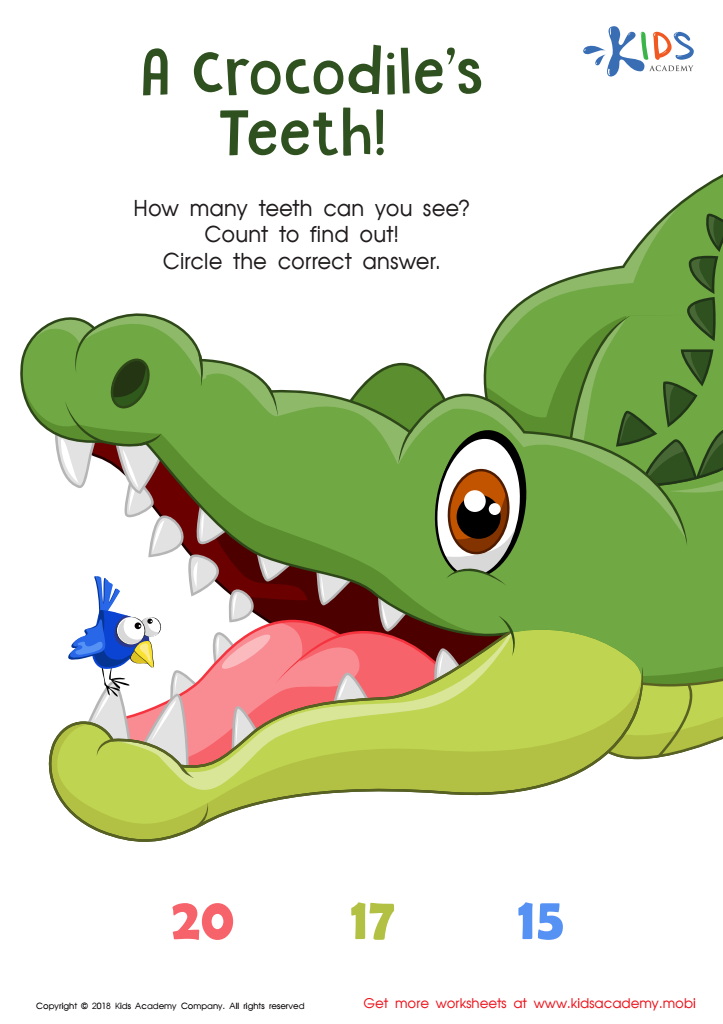
A Crocodile's Teeth Worksheet
 Assign to My Students
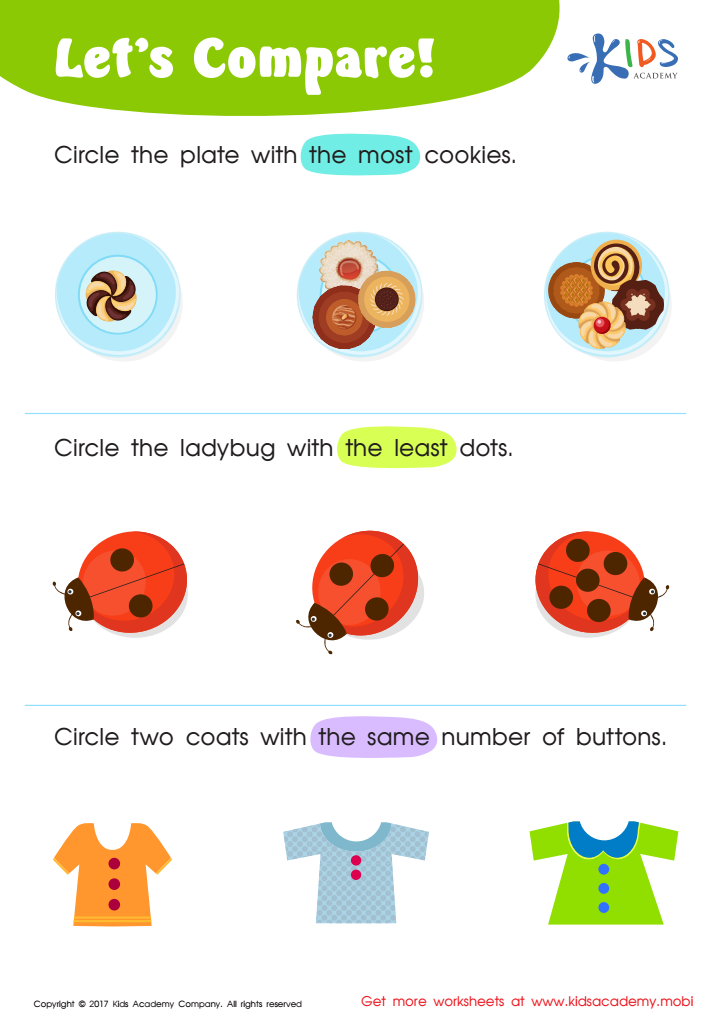
Matching: Classifying Toys by Size Worksheet
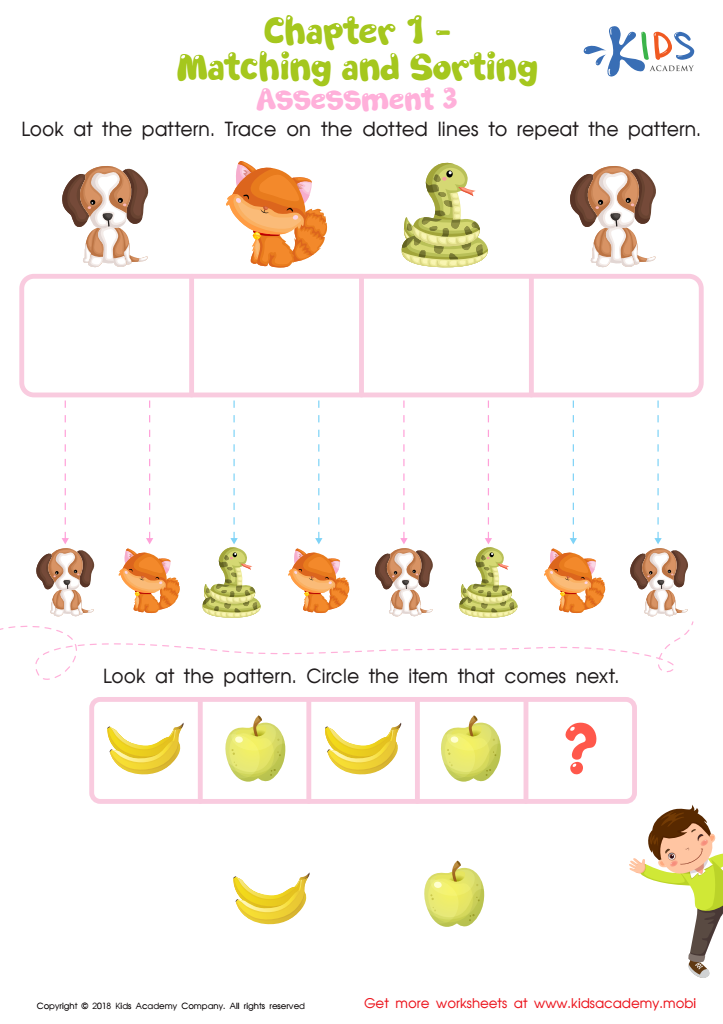
Matching and Sorting for Preschool: Assessment 3 Worksheet




%20(1).jpg)



Understanding comparisons is essential for 4-year-olds as it lays the foundation for their mathematical skills and critical thinking. At this age, children are curious and eager to learn, making it a perfect opportunity for parents and teachers to introduce concepts of size, quantity, and difference. Engaging in activities that involve comparisons, such as larger vs. smaller, more vs. less, and longer vs. shorter, helps children develop essential cognitive skills.
When children understand comparisons, they learn to categorize and organize information — skills that are crucial for problem-solving later in life. These comparisons also enhance their language development, as children learn to articulate their observations and thoughts, using comparative terms. Moreover, mastering these concepts nurtures their confidence in interacting with numbers and sets the stage for future mathematical concepts, like addition and subtraction based on object quantities.
Furthermore, understanding comparisons can improve children's social skills. By learning to compare and describe their peers' actions or attributes, they can develop empathy and improve communication skills. In summary, fostering understanding in comparisons is vital for cognitive, language, and social development, creating a strong support system for their ongoing learning journey. Parents and teachers play a crucial role in this formative process.








