
Visual comprehension Math Worksheets for 4-Year-Olds
7 filtered results
Difficulty Level
Grade
Age
-
From - To
Subject
Activity
Standards
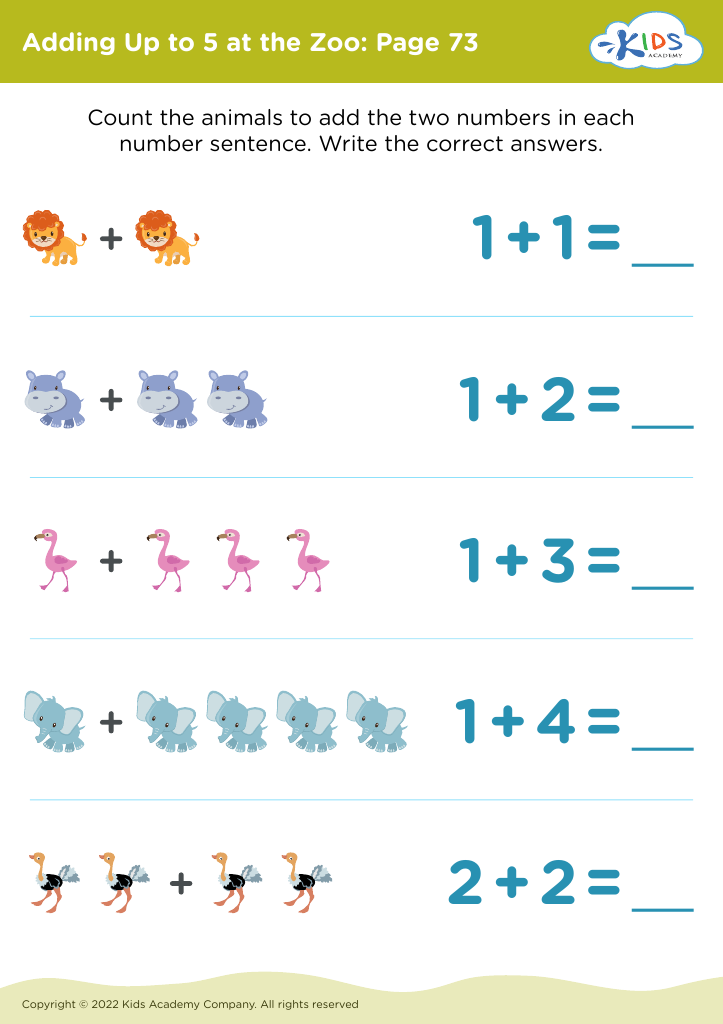
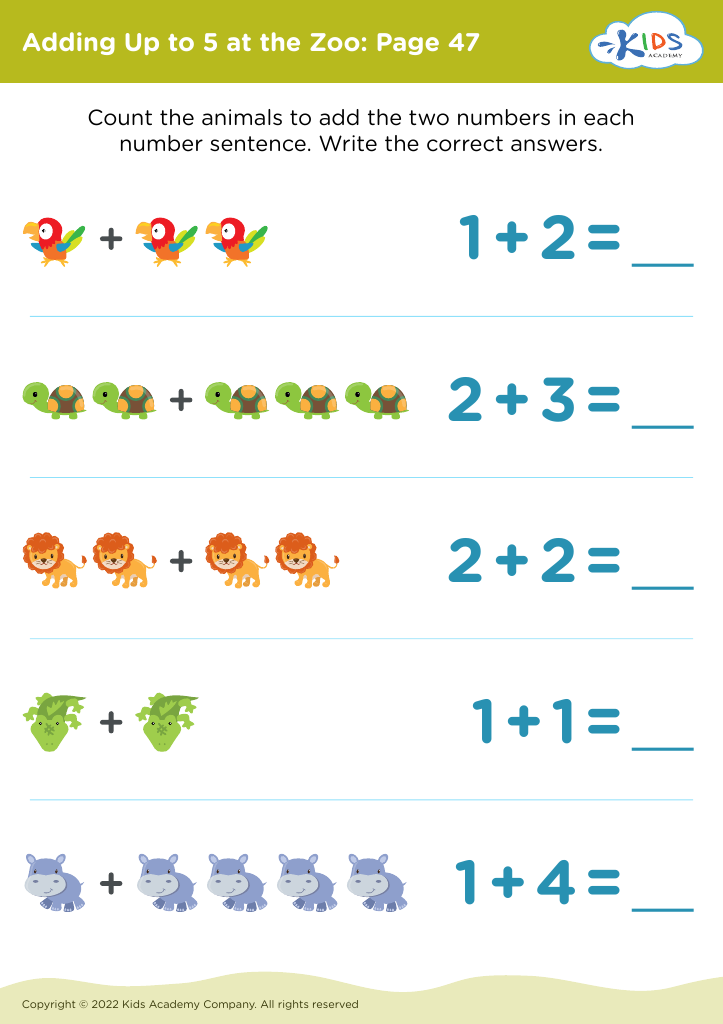
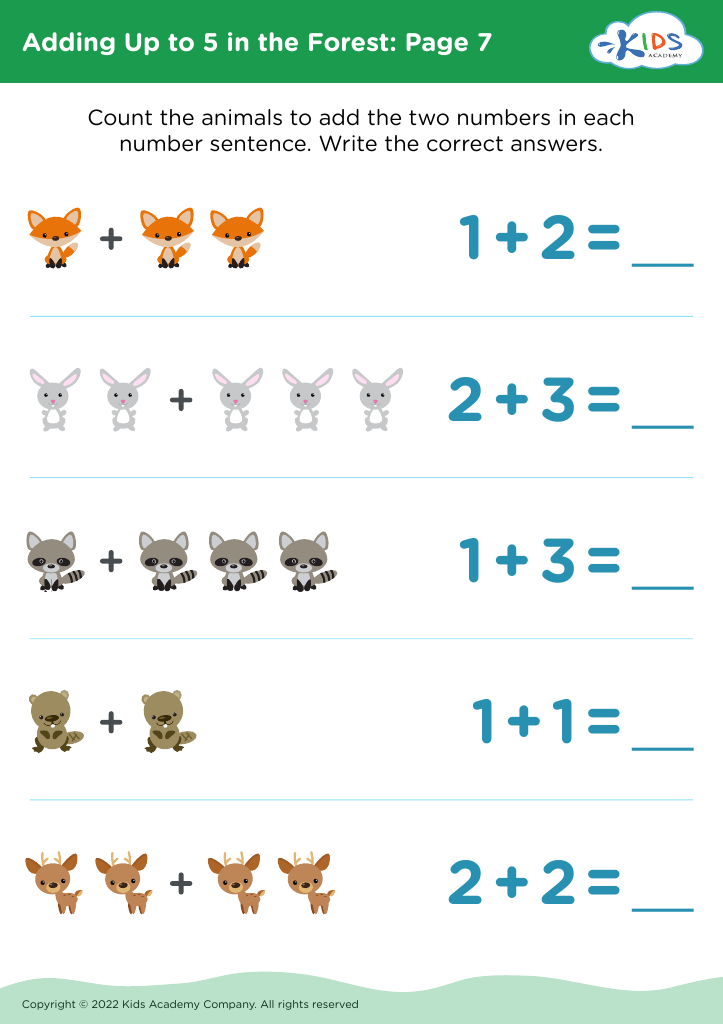
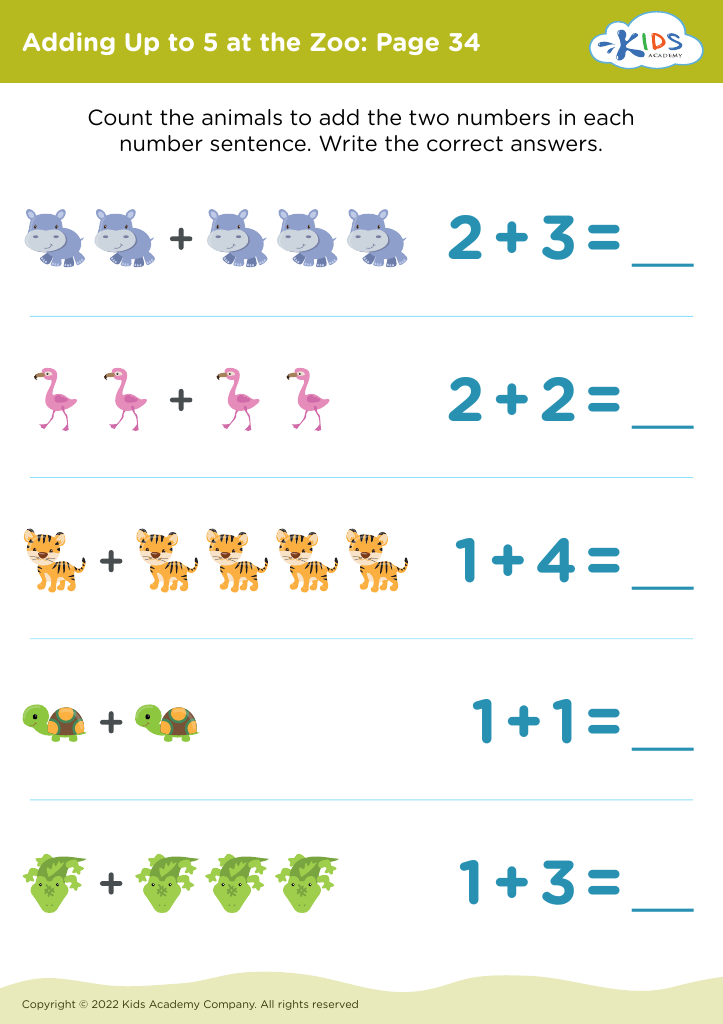
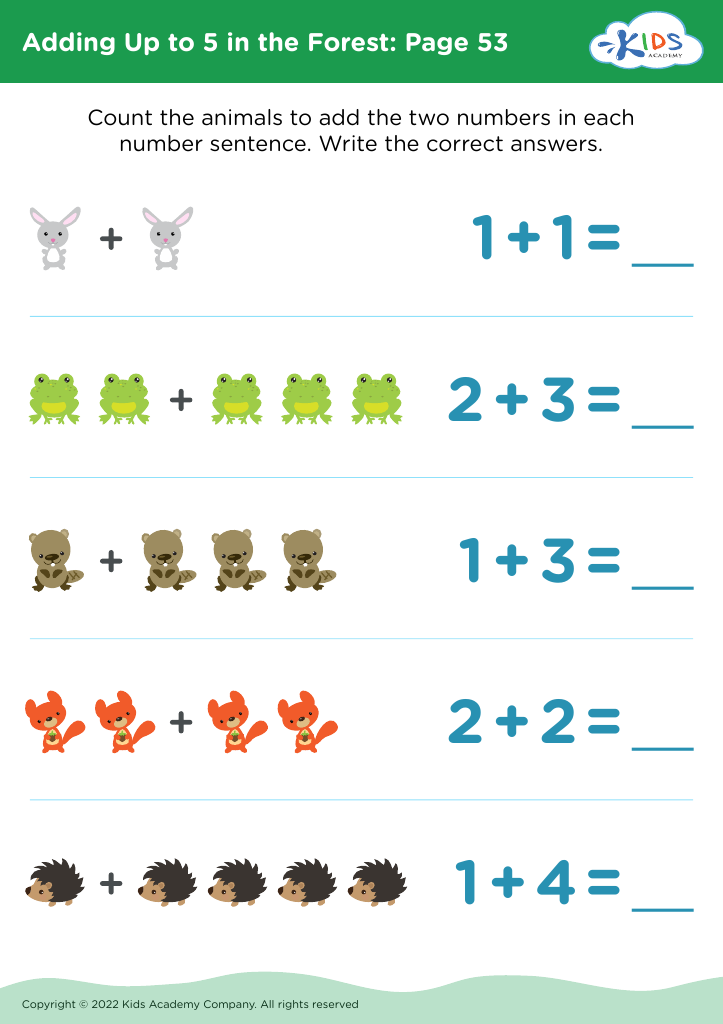
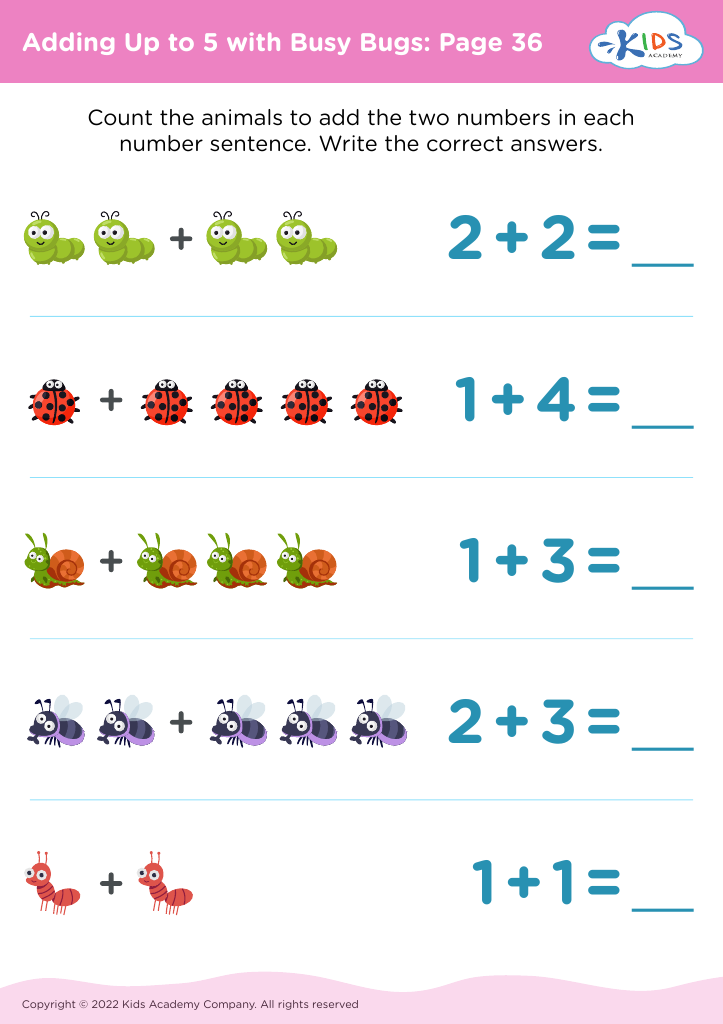
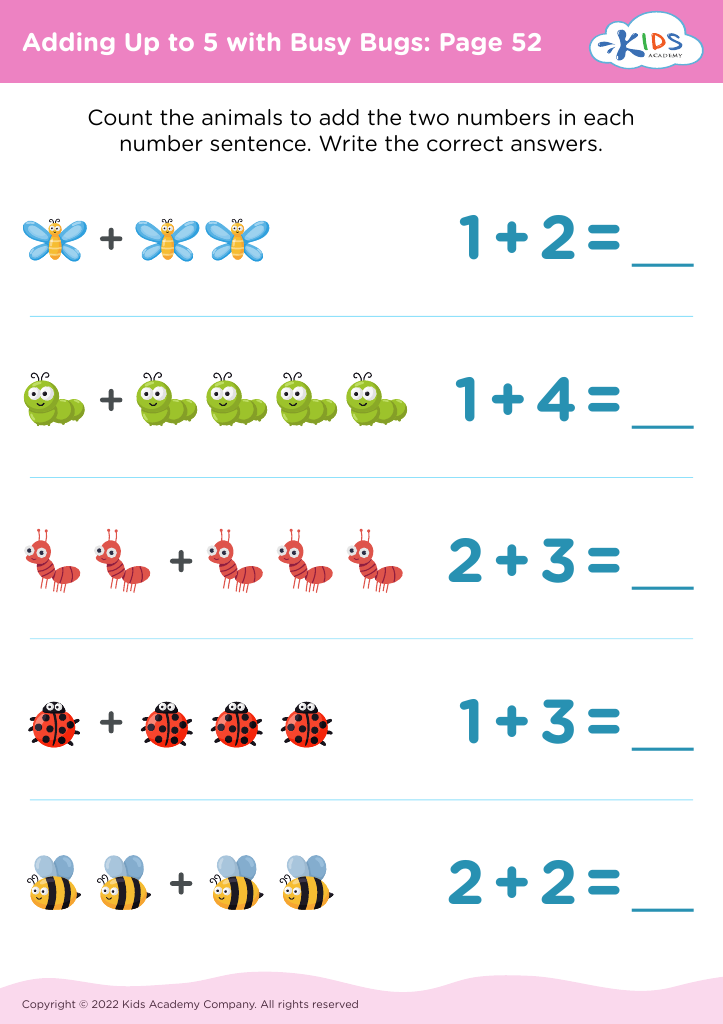
Introduce your 4-year-old to the wonders of math with our engaging Visual Comprehension Math Worksheets! These carefully designed activities enhance understanding through vibrant visuals and interactive tasks. Perfect for young learners, our worksheets build critical skills such as counting, pattern recognition, and basic problem-solving in an enjoyable and accessible way. These resources help spark a love for math from an early age by transforming learning into a playful adventure. Visit KidsAcademy.mobi to download our fun-filled, educational math worksheets and watch your child’s confidence and competence in math flourish. Start the journey towards a strong mathematical foundation today!
Favorites
With answer key
Interactive
Join Kids Academy for Free
Who is primarily going to use this learning content?





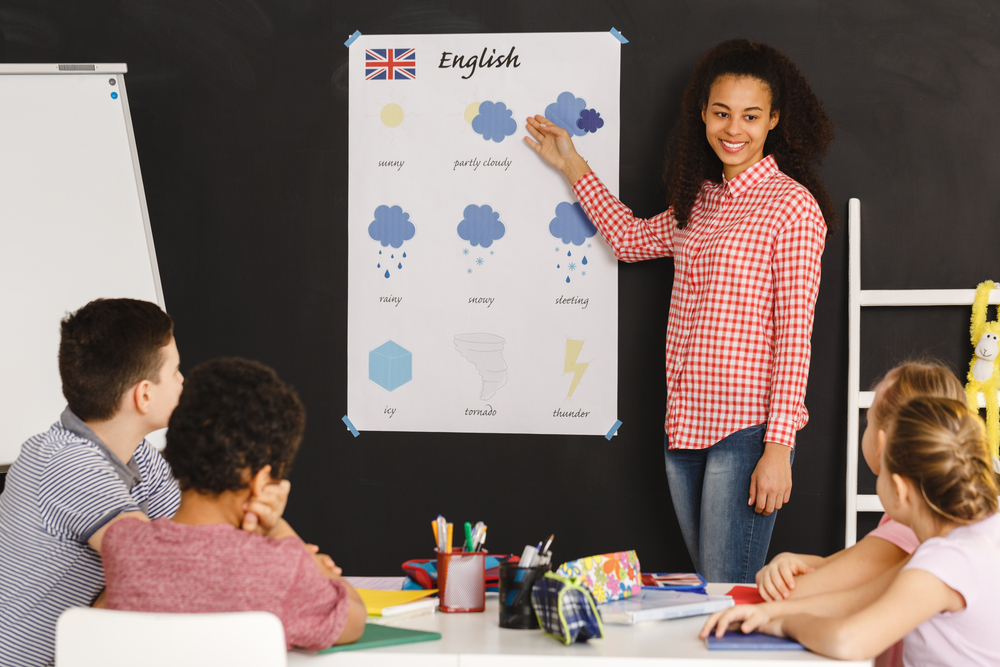

Visual comprehension in math is crucial for 4-year-olds as it lays a strong foundation for their future learning and cognitive development. At this age, children are highly visual learners, relying on images and tangible objects to comprehend new concepts. Incorporating visual elements into math fosters better understanding and retention, as young minds are more likely to grasp ideas when they can see them represented visually.
Visual aids such as pictures, shapes, and patterns help children make sense of basic math concepts like counting, sorting, and recognizing relationships between numbers. For instance, using blocks to illustrate addition and subtraction can make these abstract concepts concrete and accessible. This hands-on approach not only engages young learners but also promotes critical thinking and problem-solving skills.
Furthermore, early exposure to visual math can boost confidence. When children comprehend and succeed in basic math tasks, it cultivates a positive attitude towards the subject. This positive association can influence their academic performance and enthusiasm for learning in the long run.
For parents and teachers, emphasizing visual comprehension in math ensures that children develop a robust understanding of fundamental math skills. This early proficiency is essential for more complex mathematical reasoning in later years, thus setting the stage for academic success and lifelong numeracy skills.








