
Visual recognition Math Worksheets for 4-Year-Olds
3 filtered results
Difficulty Level
Grade
Age
-
From - To
Subject
Activity
Standards
Welcome to our collection of Visual Recognition Math Worksheets designed specifically for 4-year-olds! These engaging worksheets aim to enhance young learners' visual recognition skills while introducing fundamental math concepts. Each activity is crafted to develop critical thinking and observation abilities through fun puzzles, shape identification, and number recognition tasks. Our interactive resources not only promote cognitive growth but also make learning enjoyable. Perfect for parents and educators, these worksheets encourage independent learning and creativity. Dive into our vibrant range of materials and watch your child's confidence soar as they master visual recognition in math! Explore the fun today!
Favorites
With answer key
Interactive
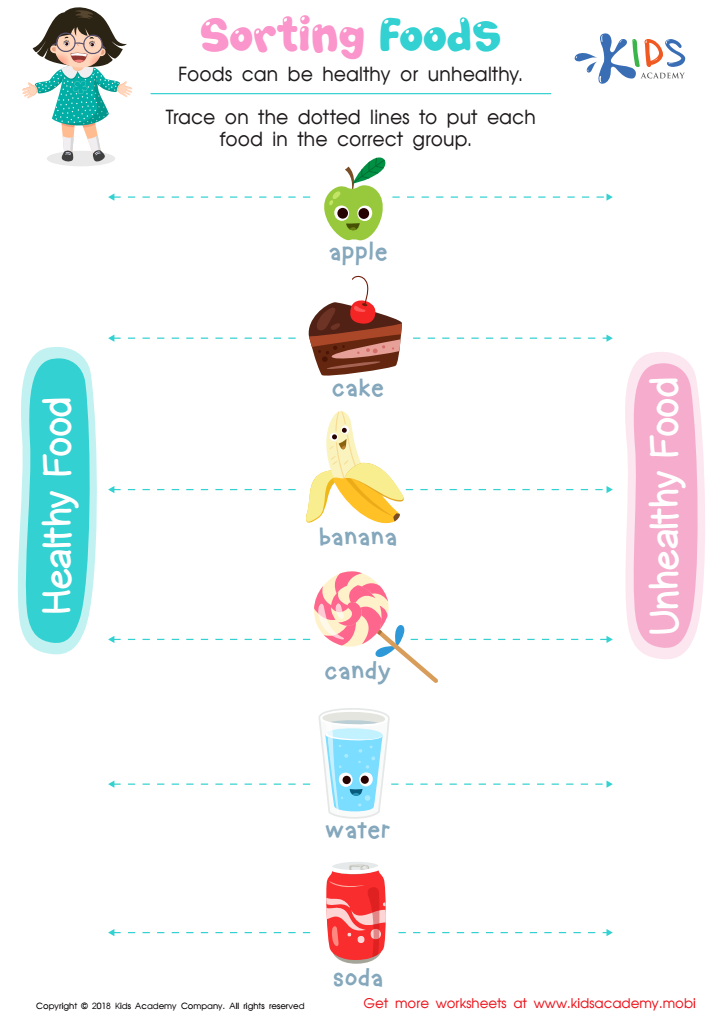
Sorting Food Worksheet
This delightful worksheet boosts critical thinking and fine motor skills. Kids use prior knowledge and pictures to sort foods into healthy and unhealthy groups. Tracing lines support accurate sorting and matching. Enjoy fun and free learning!
 Assign to My Students
Sorting Food Worksheet
Worksheet
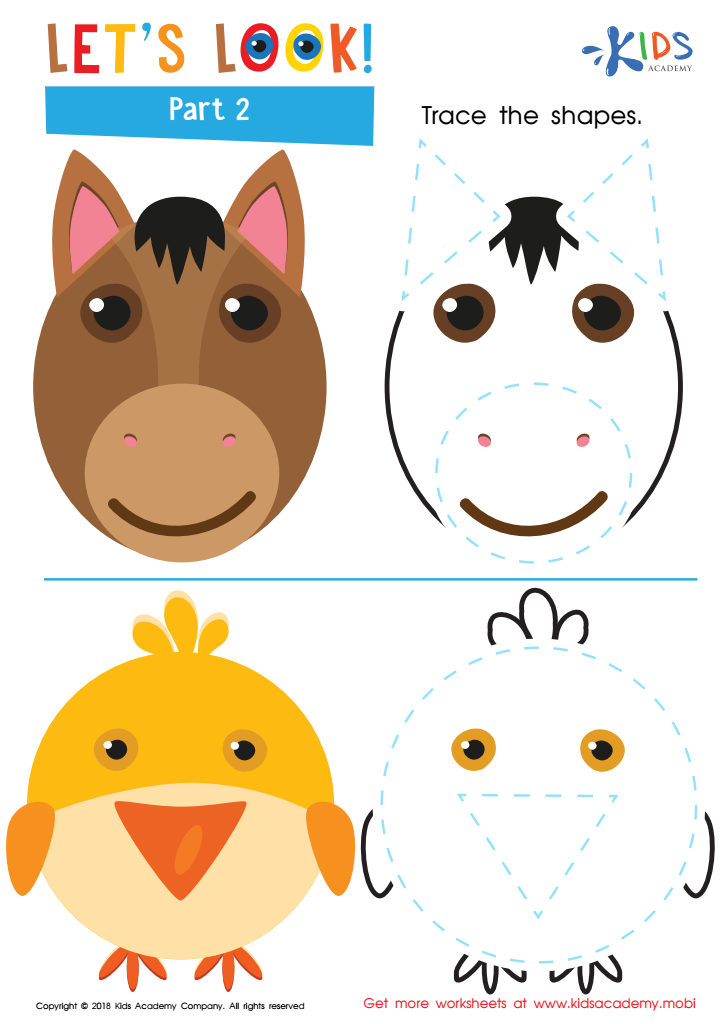
Let's Look! Part 2 Worksheet
This tracing sheet helps your little ones develop their skills. Ask them to identify the animals, then trace the shapes in the space provided, following the dotted lines. It's a simple task that can help them grow and have fun!
Let's Look! Part 2 Worksheet
Worksheet
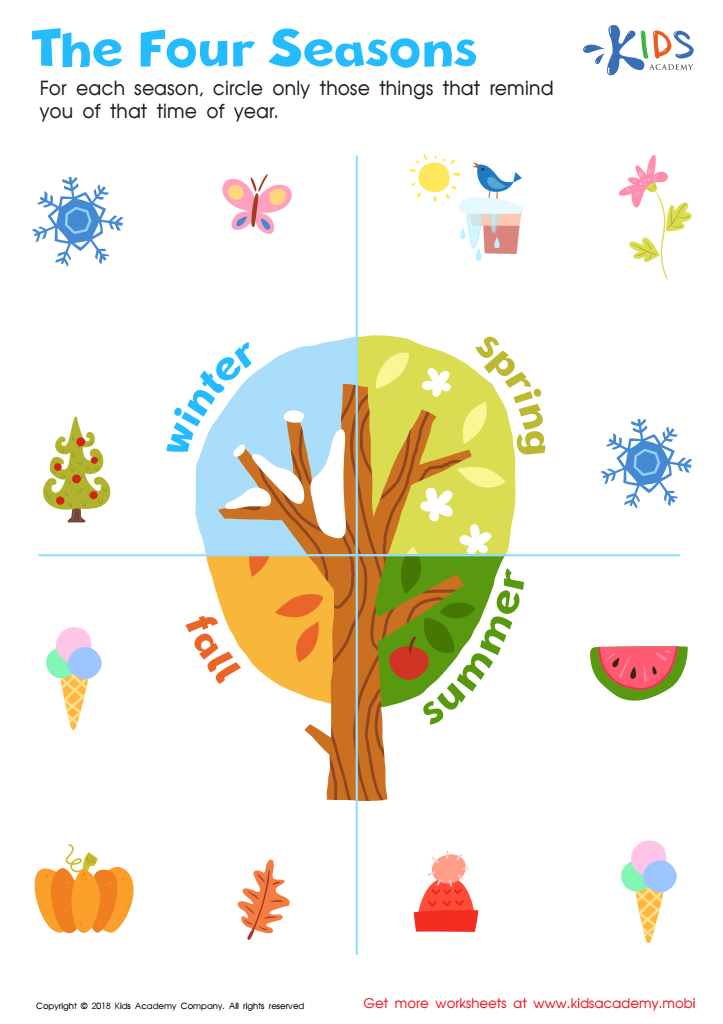
The Four Seasons Worksheet
Tell your child to circle things that remind them of each season. The tree has four squares, one for each season. Some things in each square match the season, others don't. Ask if any are out of place. Help them circle only items that remind them of that season.
The Four Seasons Worksheet
Worksheet
Join Kids Academy for Free
Who is primarily going to use this learning content?




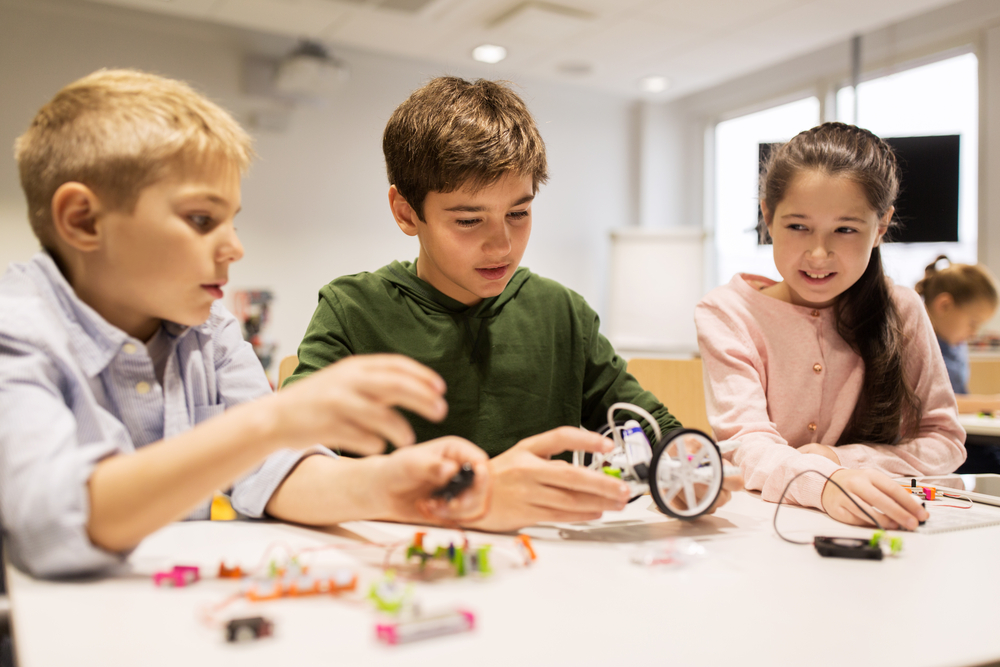


Visual recognition in math lays a crucial foundation for early mathematical understanding in 4-year-olds. At this developmental stage, children are naturally curious and eager to explore their surroundings. Engaging them in activities that promote visual recognition of shapes, patterns, and numbers enhances their cognitive skills. Recognizing these visual elements not only helps in identifying numbers and letters but also fosters critical thinking and problem-solving abilities.
Parents and teachers play a vital role in nurturing these skills. By integrating visual recognition into everyday activities—such as sorting toys, counting objects, or playing shape-matching games—they can create a rich learning environment. This hands-on approach allows children to make connections between math concepts and the world around them.
Furthermore, strong early math skills are linked to future academic success. When children develop visual recognition skills early on, they are better prepared for more advanced mathematical concepts later in their education. In addition, fostering a love for math at this young age cultivates positive attitudes towards learning, establishing a solid foundation for lifelong learners. Therefore, investing time and effort in visual recognition math is essential for parents and teachers committed to the holistic development of early learners.








