Addition Practice Building Vocabulary Worksheets for 4-Year-Olds
3 filtered results
-
From - To
Boost your 4-year-old's early math skills with our engaging Addition Practice Building Vocabulary Worksheets! Designed specifically for preschoolers, these fun worksheets combine basic addition concepts with vocabulary-building exercises, making learning enjoyable and effective. Kids will explore numbers, enhance their language skills, and develop problem-solving abilities through colorful activities tailored for young learners. Each worksheet features captivating illustrations and activities that keep children motivated and eager to learn. Perfect for at-home or classroom use, these worksheets help prepare your child for future math success, ensuring they build a strong foundation in both numbers and language. Download now and inspire joyous learning!
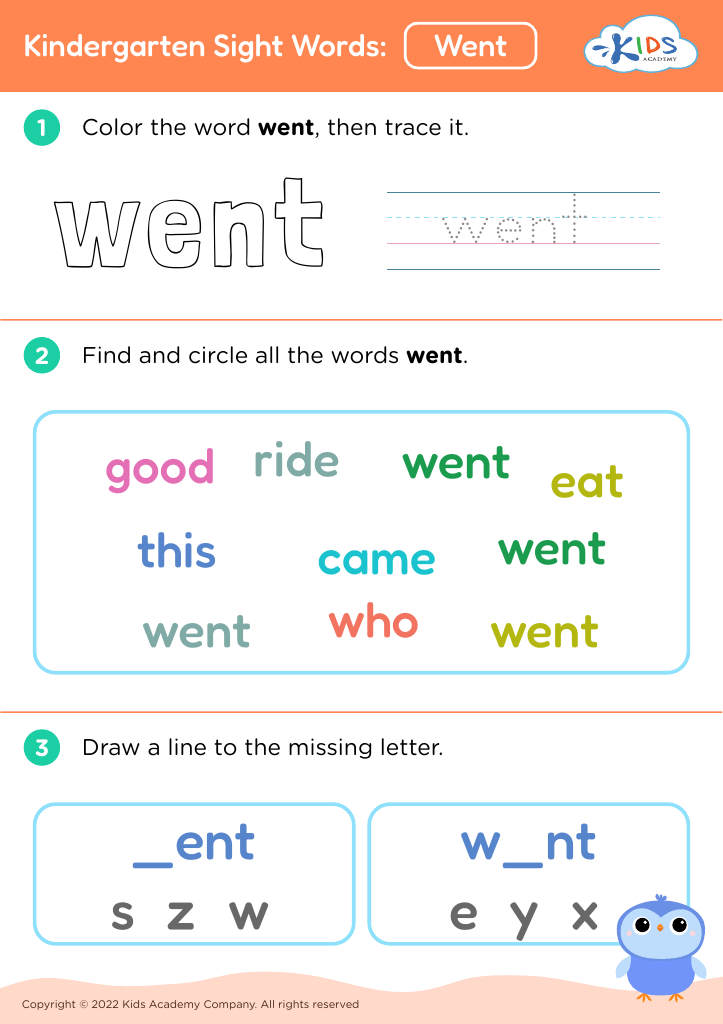











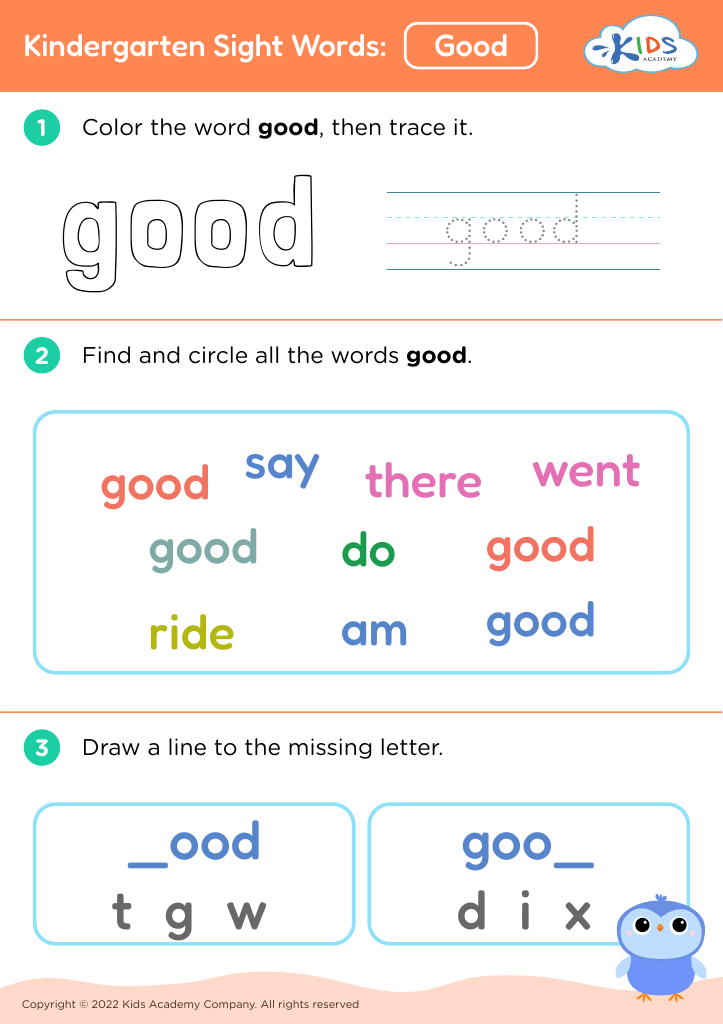
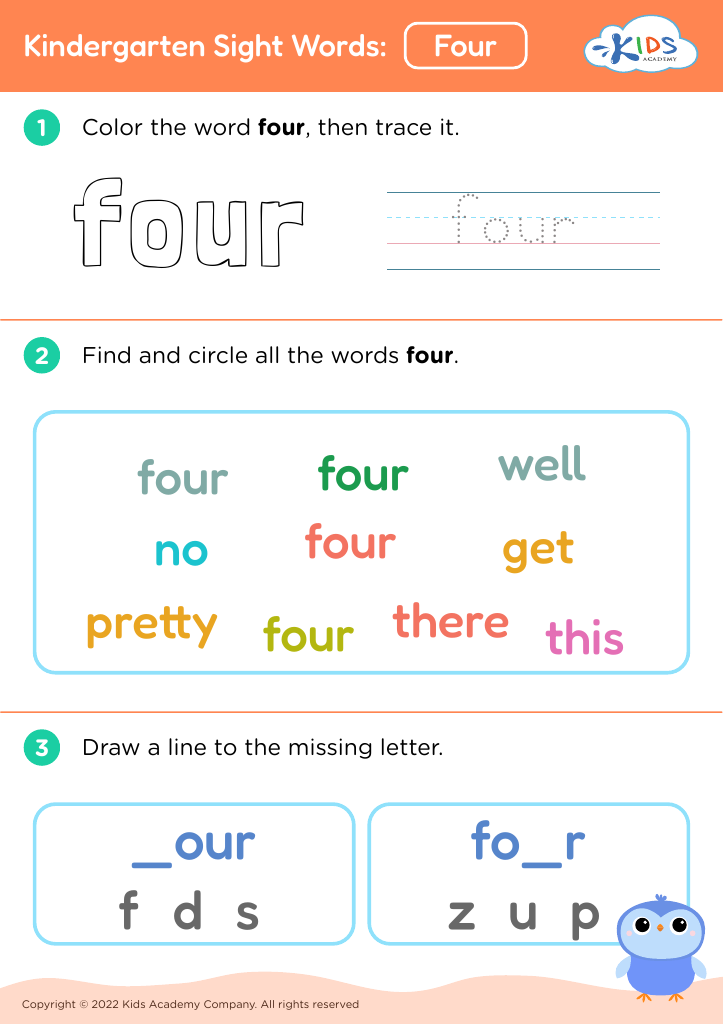








Parents and teachers should prioritize Addition Practice and Building Vocabulary for 4-year-olds because both skills lay the foundation for future learning and development. Addition practice introduces basic mathematical concepts, helping children understand numbers, quantities, and relationships. By engaging with simple addition, children develop strong problem-solving skills, which are critical not just in math but in everyday situations.
Simultaneously, building vocabulary enriches a child's language skills, critical for communication and literacy. A robust vocabulary helps children express themselves clearly and understand instructions, contributing to their overall academic success. Language skills are interconnected with cognitive development; as children learn new words, they also enhance their thinking and comprehension abilities.
Integrating addition exercises with vocabulary development provides a holistic approach to learning. For example, using visual aids with counters while introducing terms like "sum" and "together" can solidify both math and language comprehension. This dual focus also fosters a love for learning, as playful activities often associated with young children make educational experiences enjoyable. By nurturing these skills early on, parents and teachers are equipping children for successful learning paths in later stages of education, positively impacting their future capabilities in various areas.








