Basic Math Skills Building Vocabulary Worksheets for 4-Year-Olds
7 filtered results
-
From - To
Discover our "Basic Math Skills Building Vocabulary Worksheets" tailor-made for 4-year-olds! These engaging worksheets are designed to enhance your child's math vocabulary while reinforcing essential early math skills. Combining fun illustrations and interactive activities, children will delight in learning numbers, shapes, patterns, and basic addition. The worksheets are perfect for at-home learning or as a classroom resource, ensuring your little one develops a strong foundation in math while having fun. Empower your budding mathematician with the right tools to succeed. Visit our website to explore our collection and start building essential math vocabulary today!
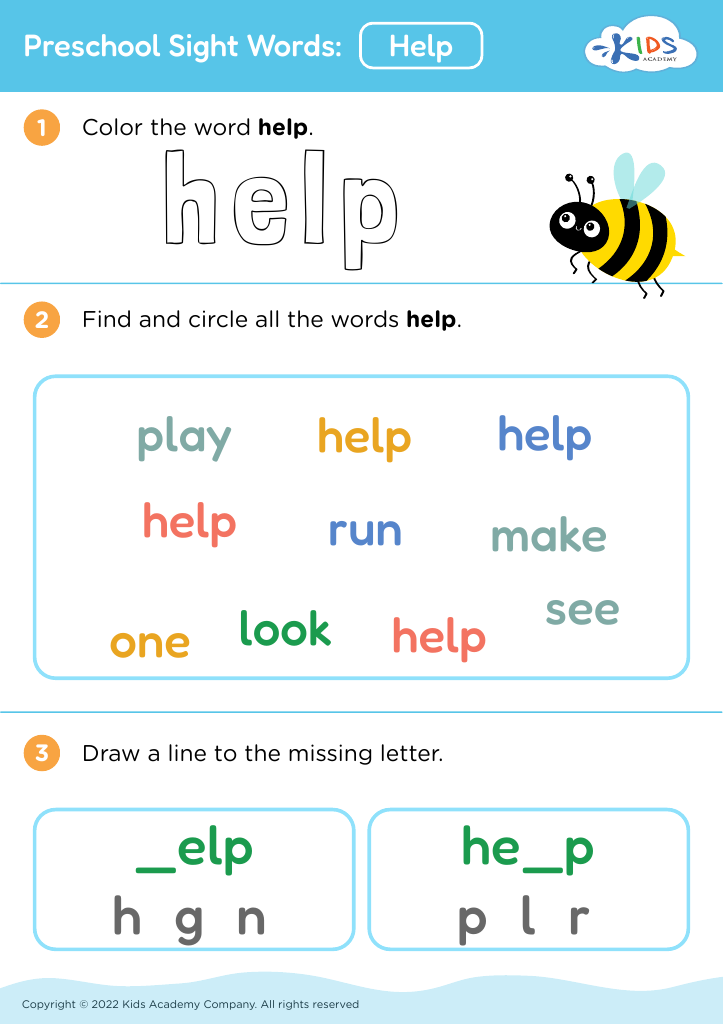











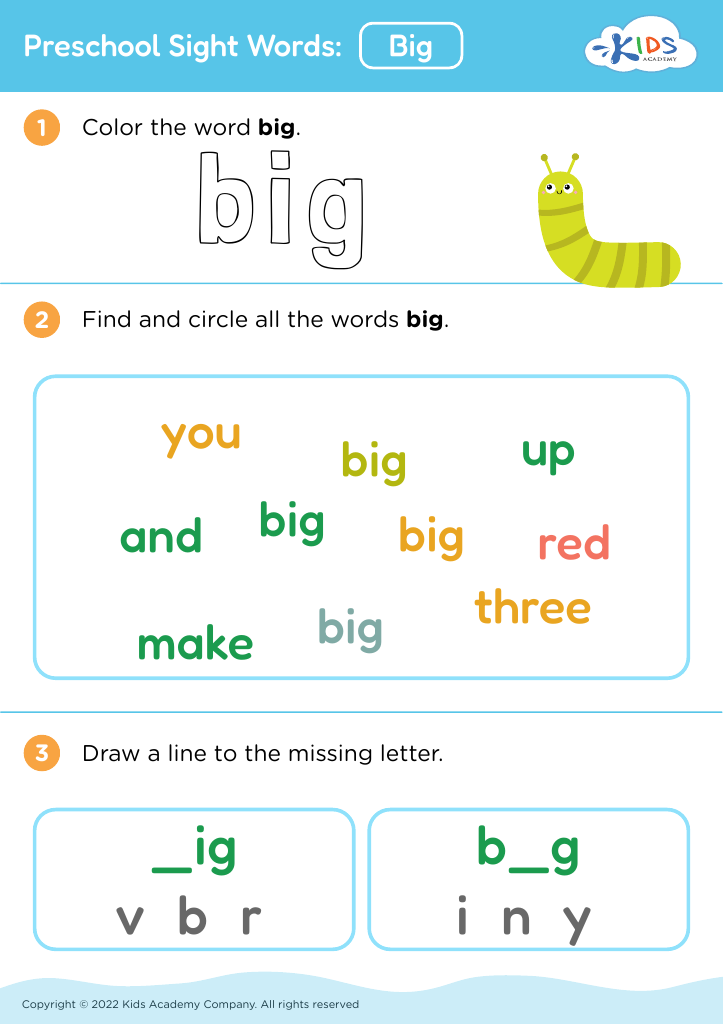
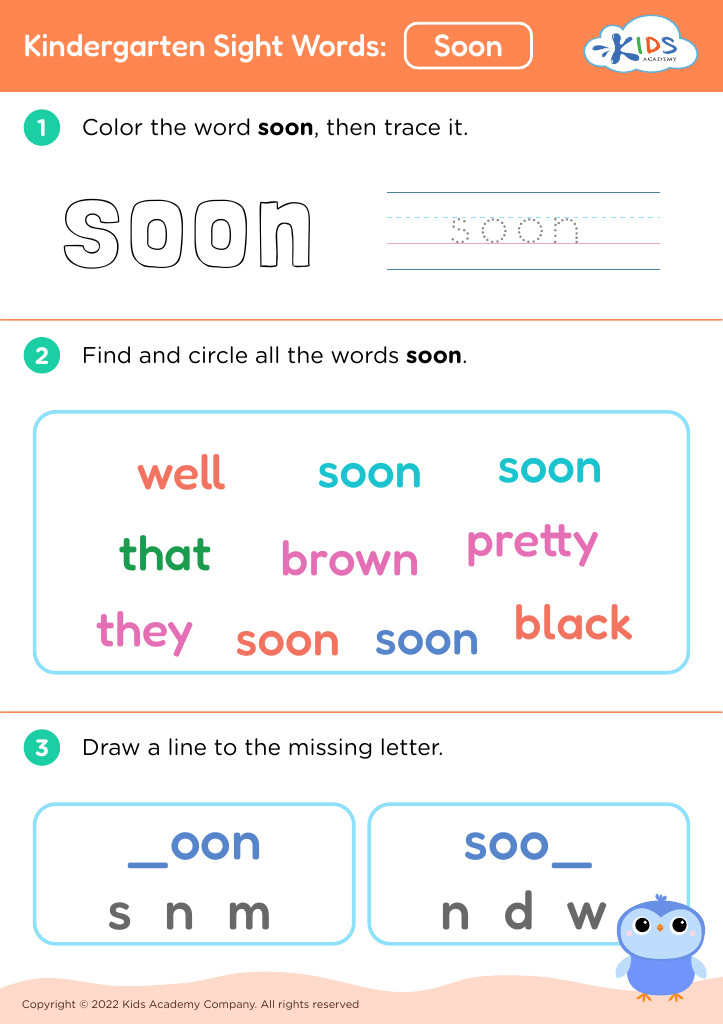
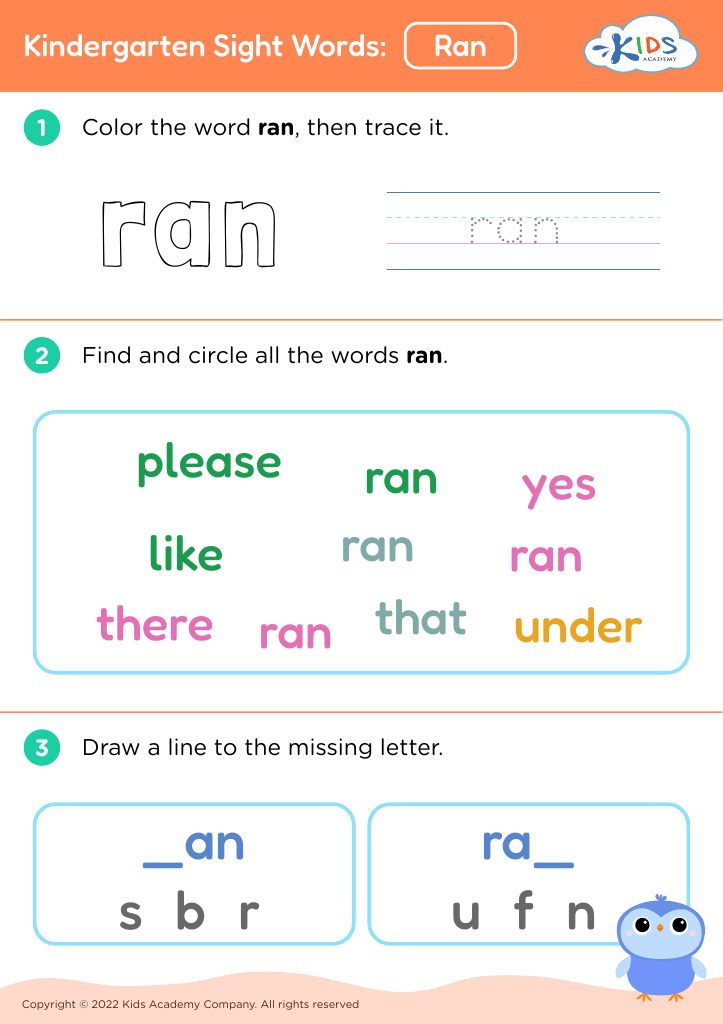
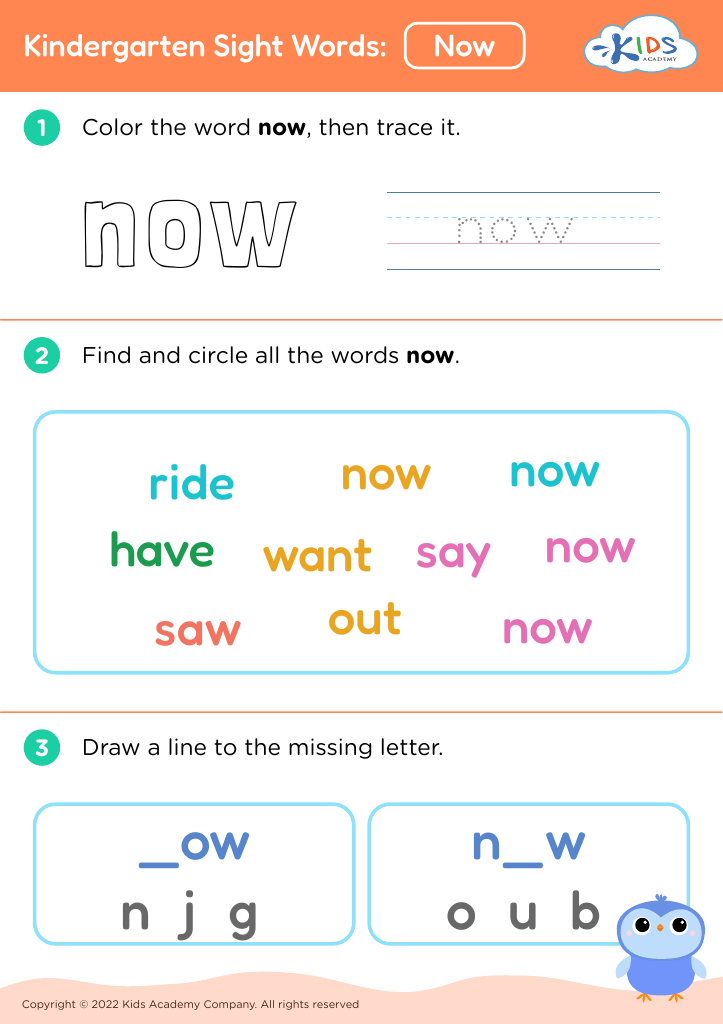
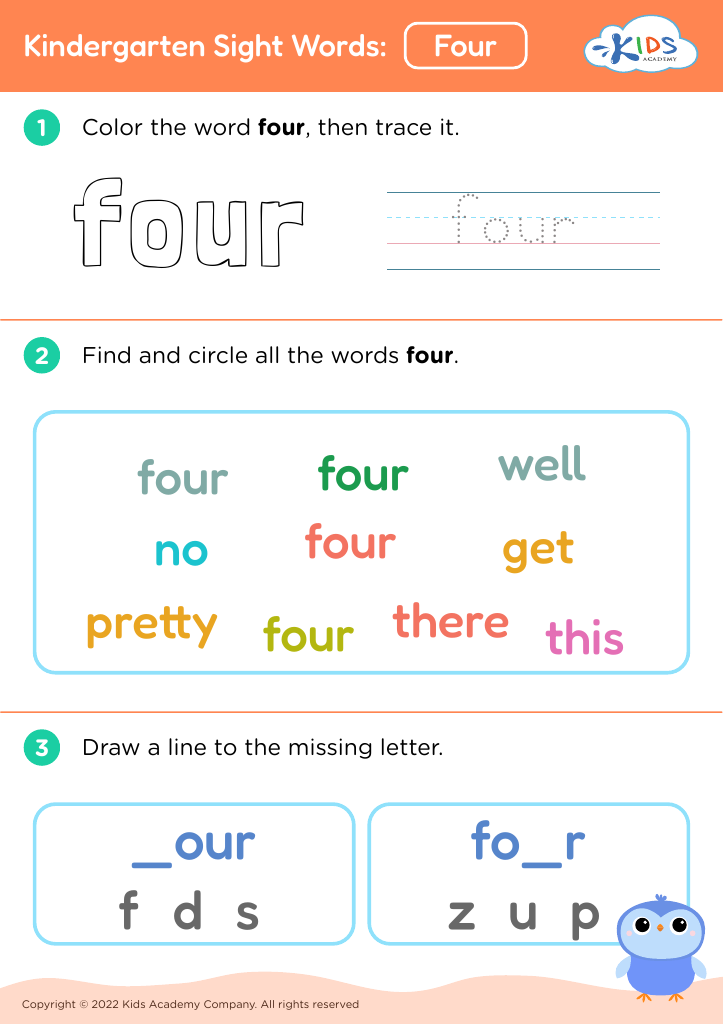
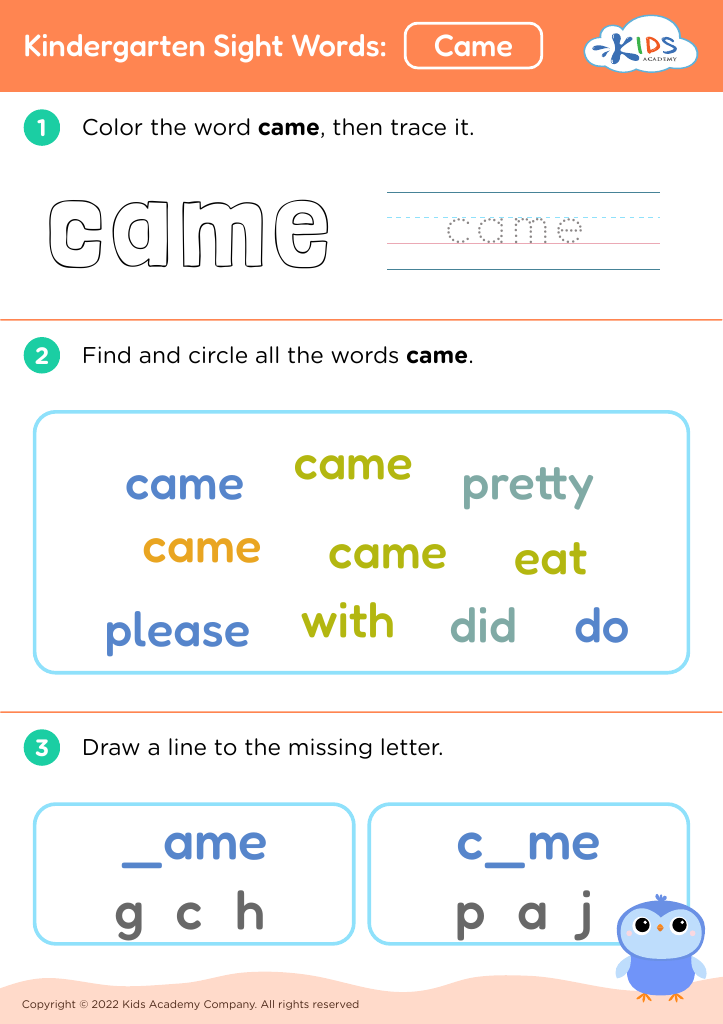








Parents and teachers should prioritize building a robust math vocabulary for 4-year-olds as it's foundational for future academic success. Early math skills are a core component of cognitive development, impacting problem-solving abilities, logical reasoning, and critical thinking. Introducing basic math terms like "more," "less," "equal," "big," "small," "count," and "number" not only aids in understanding fundamental mathematical concepts but also enhances overall language development.
When children learn specific math vocabulary, they can articulate their thoughts more clearly and engage more meaningfully in math-related activities. This early exposure helps demystify math, making it a natural and enjoyable part of their everyday environment rather than an abstract idea encountered later in life. It builds confident learners who are better prepared for the structured learning in kindergarten and beyond.
Moreover, using age-appropriate, engaging methods to teach math vocabulary—such as games, storybooks, and hands-on activities—can significantly boost a child's enthusiasm and curiosity. This early enthusiasm fosters a positive attitude towards learning and paves the way for a lifelong appreciation of math. Therefore, incorporating math vocabulary in the early years is a crucial investment in a child's educational journey, setting a strong foundation for future learning and academic success.








