Comparing Fractions Building Vocabulary Worksheets for 4-Year-Olds
12 filtered results
-
From - To
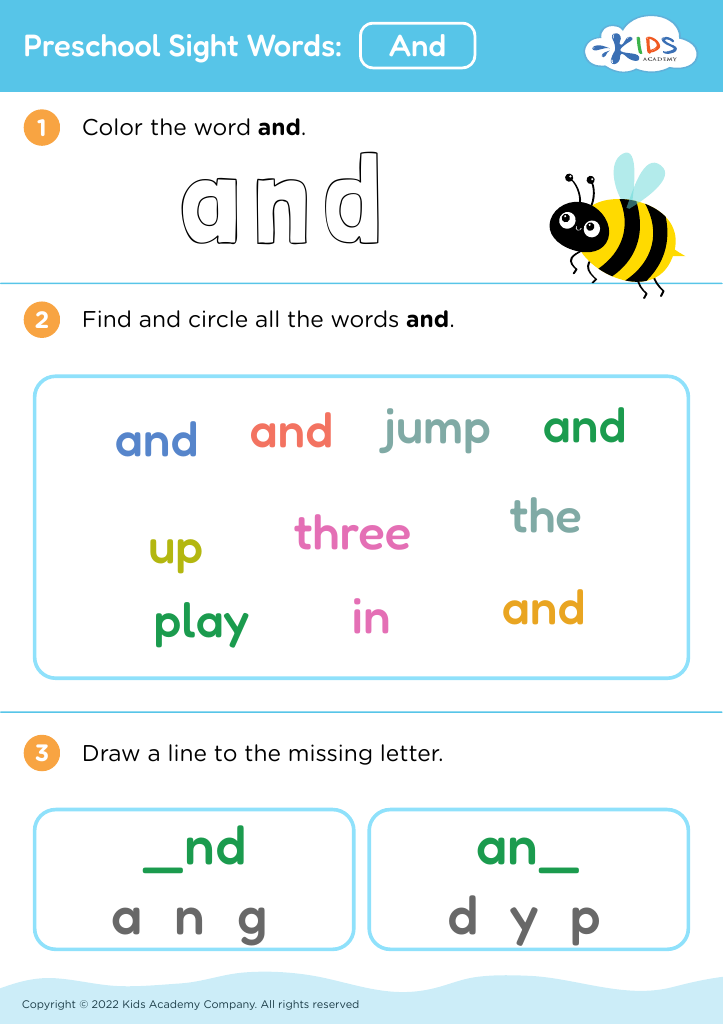
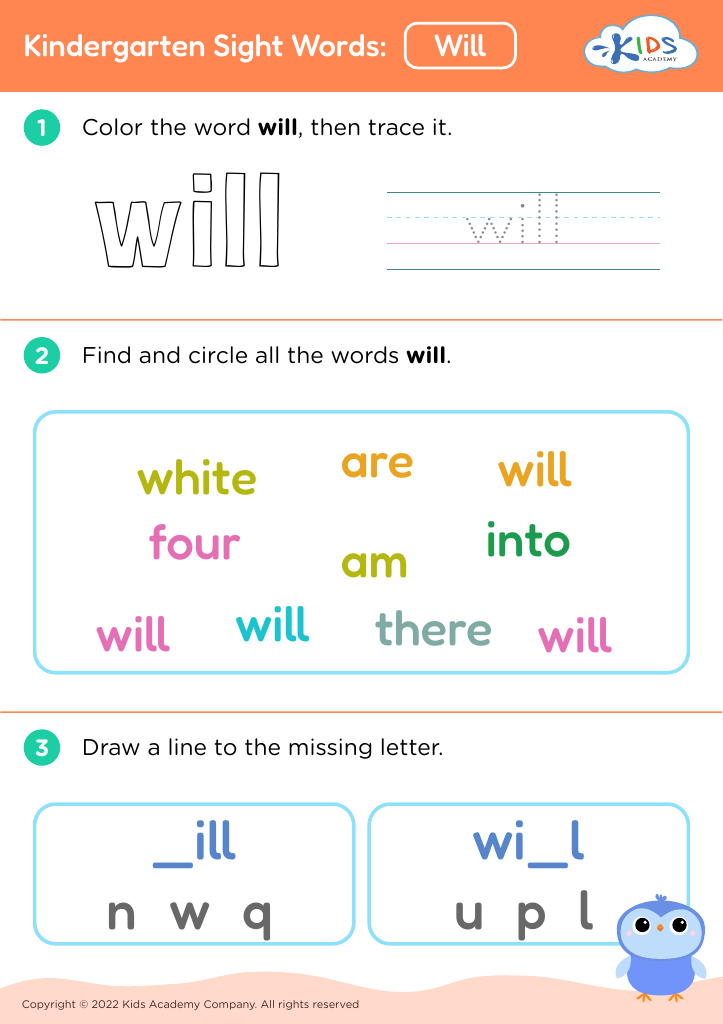
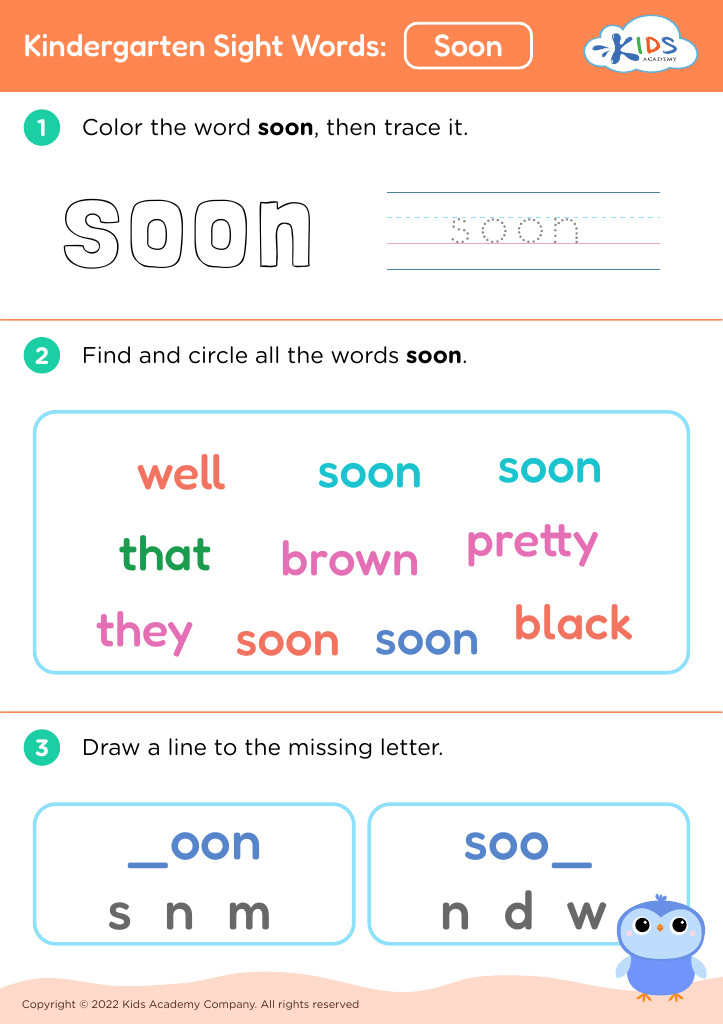
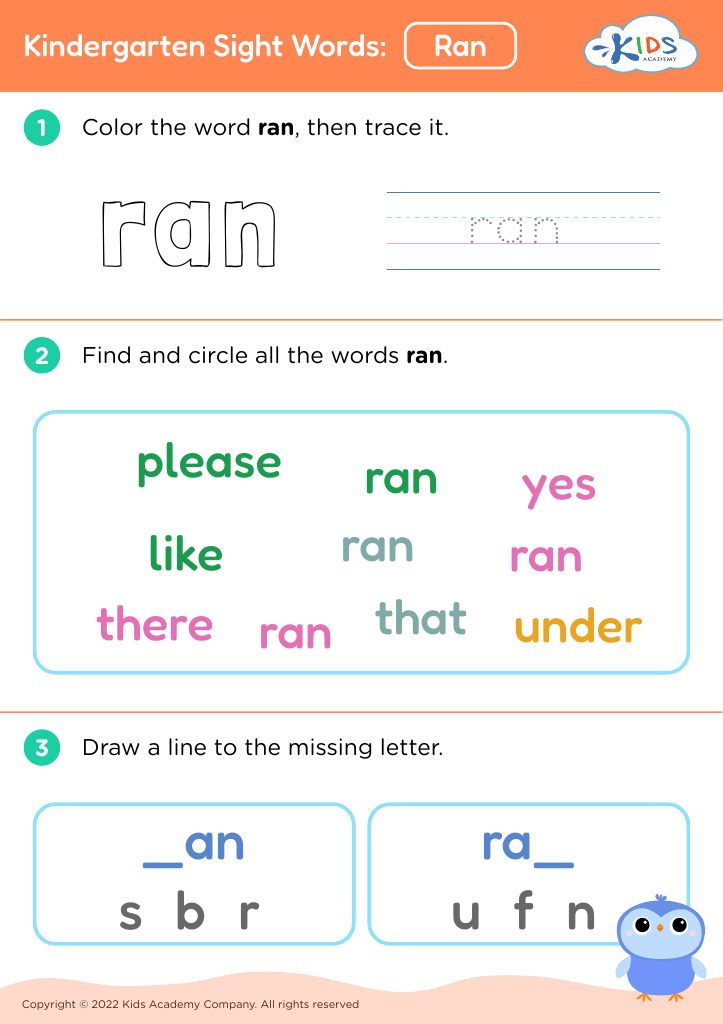
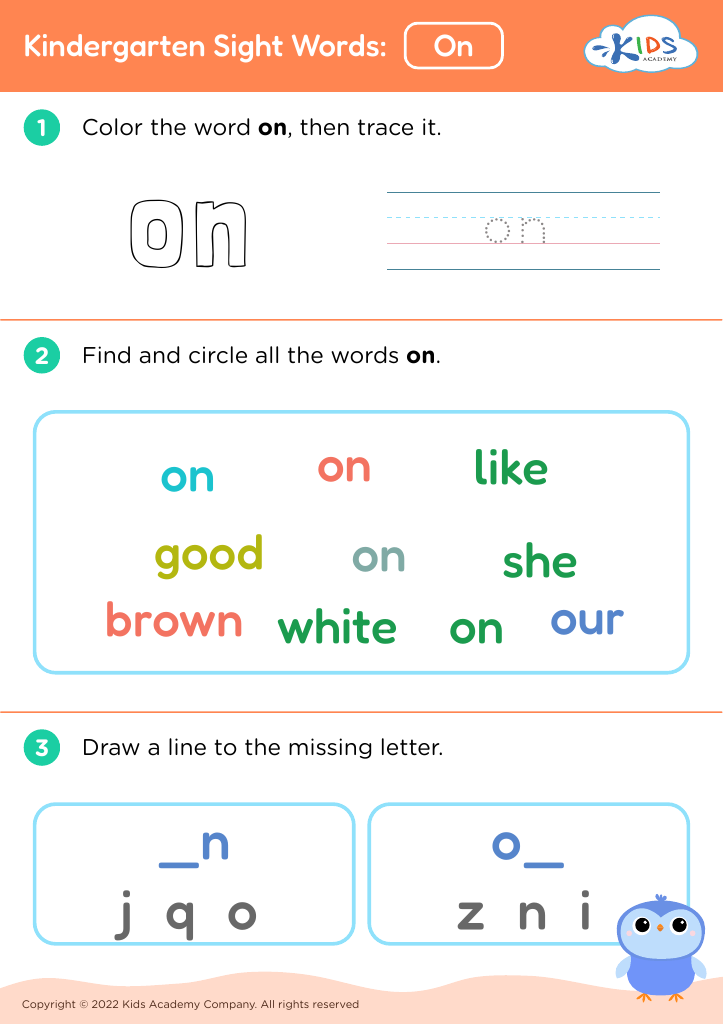
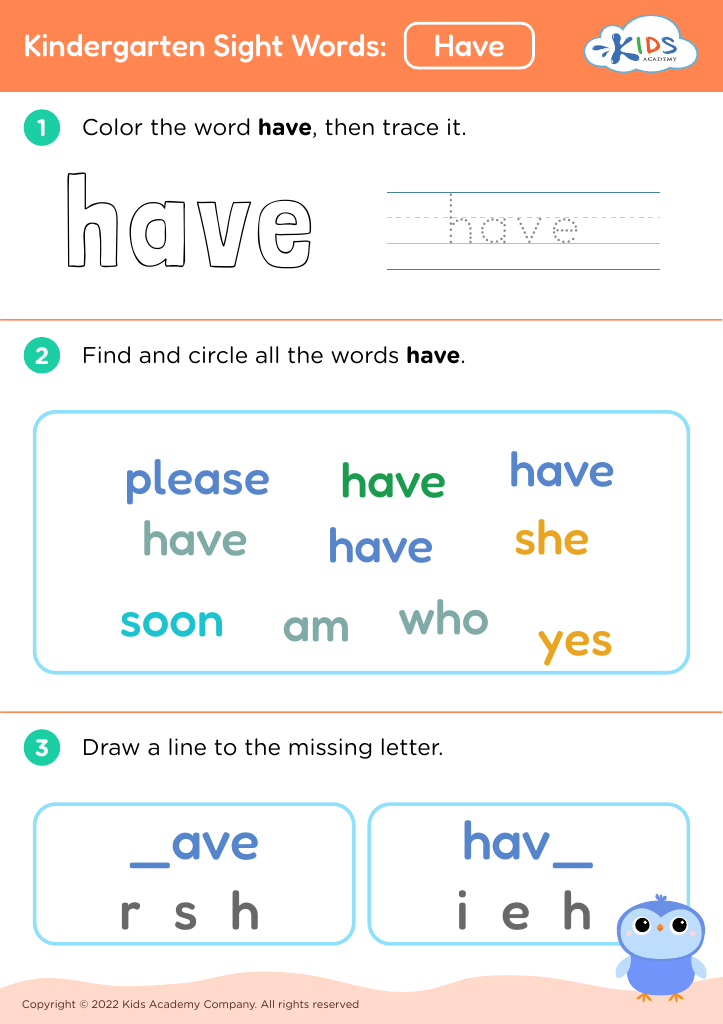
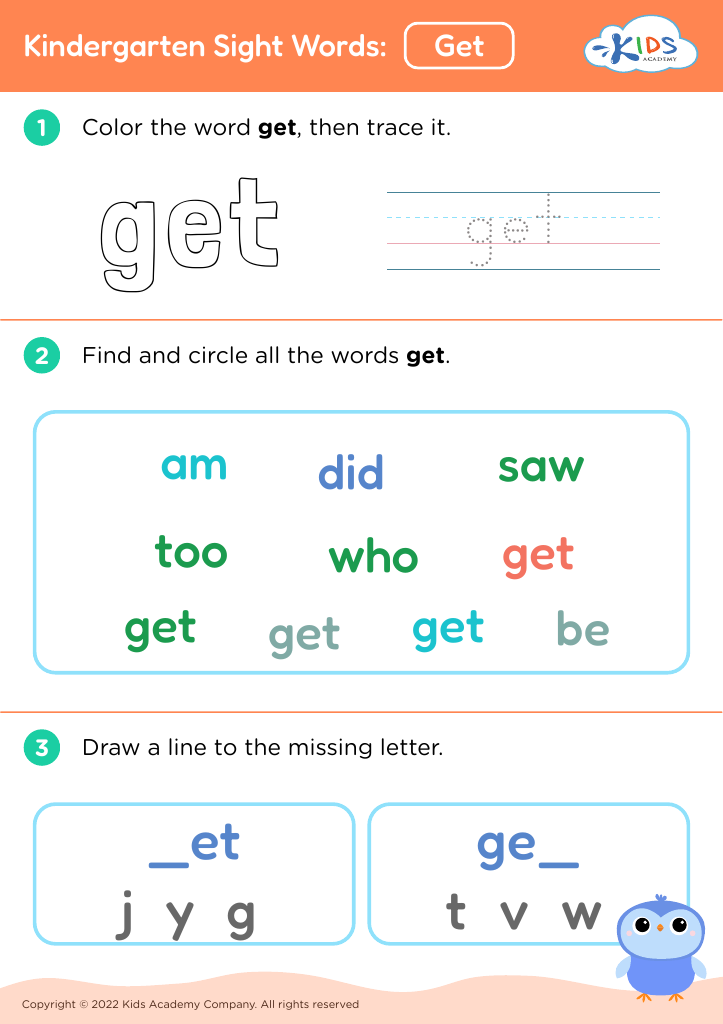
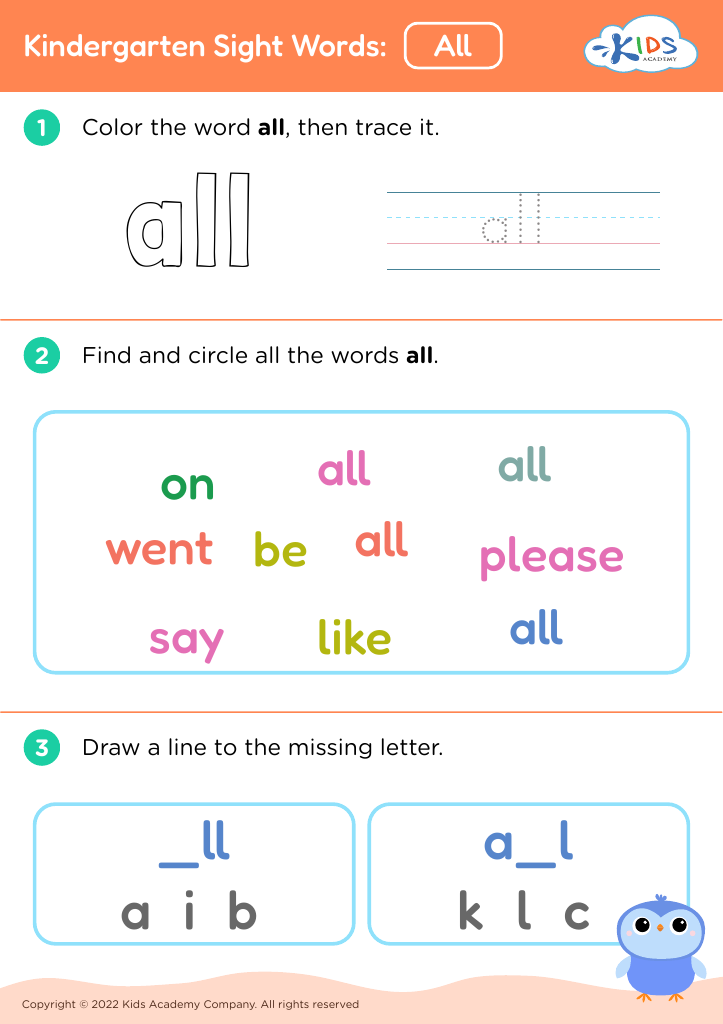
Introducing our "Comparing Fractions Building Vocabulary Worksheets for 4-Year-Olds!" These engaging worksheets are designed to help young learners build essential vocabulary skills while introducing the concept of comparing fractions in a fun, age-appropriate way. Each worksheet includes colorful illustrations and simple fraction comparisons that make learning both entertaining and educational. Perfect for early childhood education, these activities develop critical thinking and foundational math skills. Tailored specifically for 4-year-olds, our worksheets provide a wonderful balance of challenge and enjoyment, making them a great addition to any home or classroom learning environment. Start building your child's vocabulary today!















.jpg)



Introducing the concept of comparing fractions and building vocabulary for 4-year-olds is essential for several reasons. At this developmental stage, young minds are incredibly receptive and malleable, absorbing information that forms the foundation for future learning. Early exposure to the language and concepts associated with fractions enhances their mathematical vocabulary and understanding, promoting cognitive development and critical thinking skills.
First, learning to compare fractions at an early age helps children develop a strong number sense. Understanding parts of a whole and how they relate to one another fosters an intuitive grasp of math that will benefit them in more advanced studies. This early mastery can lead to greater confidence and competence in mathematics, reducing the likelihood of math anxiety in later years.
Second, a rich mathematical vocabulary enables children to articulate their thinking clearly, supporting effective communication and reasoning skills. When children learn terms like "numerator," "denominator," "greater than," "less than," and "equal to," they can better comprehend and explain mathematical concepts, facilitating deeper understanding and retention.
Finally, introducing these concepts in a playful and engaging manner nurtures a positive attitude towards learning and curiosity about the world around them. Parents and teachers who invest time in developing these skills are laying the groundwork for academic success and a lifelong love of learning.








